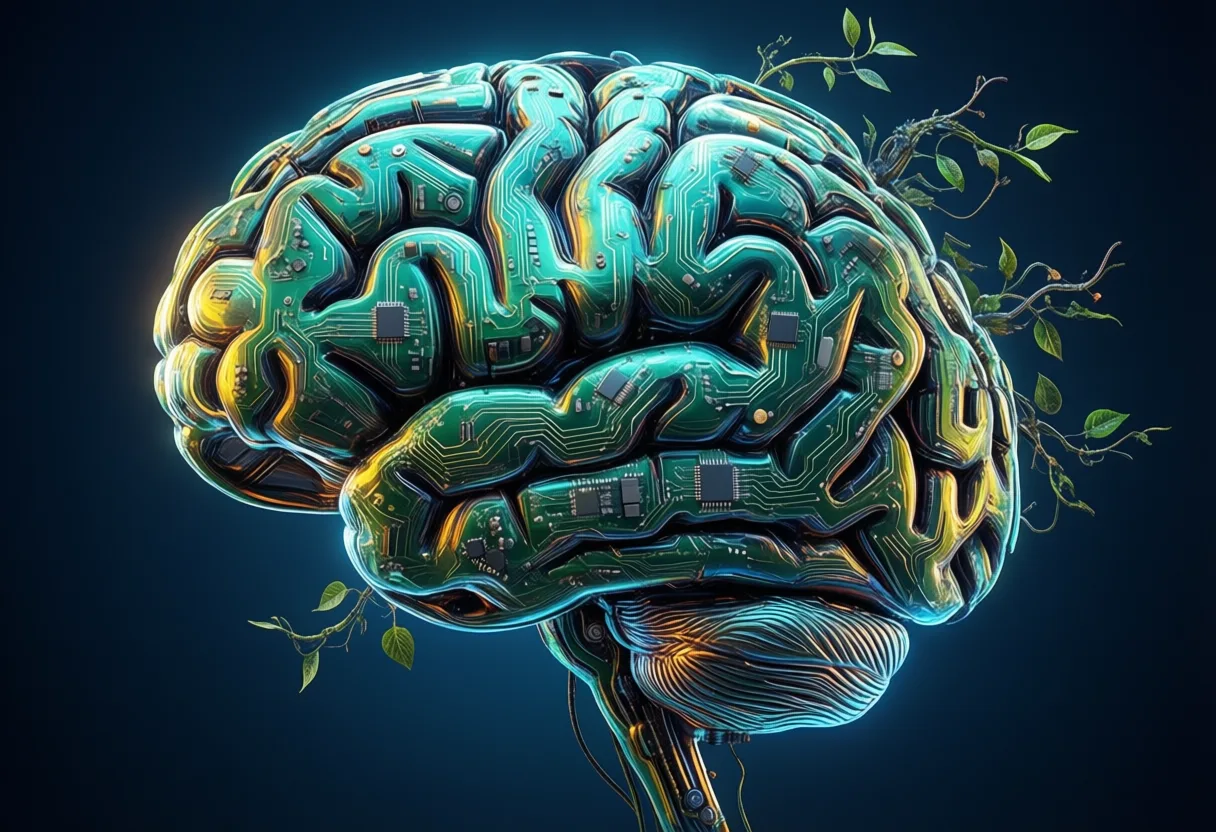

A quiet revolution is unfolding in hospital basements, research labs, and cloud servers around the world-not with sirens or spotlights, but in the silent hum of algorithms parsing petabytes of biological data. Artificial intelligence, once a speculative force confined to science fiction, now breathes in the veins of modern medicine, reshaping how we diagnose, treat, and even anticipate disease. The latest wave of Breakthroughs, recently spotlighted in a technology newspaper’s in-depth feature, reveals a future where machines don’t replace doctors-but amplify their intuition, precision, and reach.
The New Pulse of Diagnosis
In radiology departments across major medical centers, AI systems are beginning to detect anomalies in medical imaging with a consistency that rivals, and in some cases exceeds, human experts. These algorithms, trained on millions of anonymized scans, can highlight early signs of conditions like lung cancer, brain hemorrhages, and diabetic retinopathy-often before symptoms emerge. What once required hours of meticulous review now unfolds in seconds, giving clinicians more time to focus on Patient care Rather than pixel-by-pixel scrutiny.
The power of these tools lies not in speed alone, but in pattern recognition at a scale no human mind can match. Subtle shifts in tissue density, irregular vascular branching, or minute changes in cardiac motion-details easily missed during fatigue or high workload-are now captured with algorithmic vigilance. Early adopters report reduced Diagnostic errors And faster triage, particularly in emergency settings where minutes determine outcomes.
Still, the integration is not seamless. Radiologists emphasize that AI is a collaborator, not a replacement-its suggestions must be validated, contextualized, and interpreted through clinical experience. There remains a vital human filter, one that weighs not just data, but empathy, history, and the unspoken cues of a patient’s demeanor. The most effective implementations are those where The Machine illuminates The path, but the physician walks it.

Precision Medicine, Powered by Data
Beyond imaging, AI is accelerating the promise of Personalized treatment Through genomic analysis and predictive modeling. By cross-referencing genetic profiles with vast databases of clinical outcomes, machine learning models can now suggest tailored therapies for complex diseases like cancer, autoimmune disorders, and rare genetic conditions. This shift from one-size-fits-all medicine to Treatment plans shaped by individual biology Marks a turning point in therapeutic efficacy.
Consider oncology, where tumor genomes vary wildly between patients-even among those with the same cancer type. AI-driven platforms analyze mutational signatures, protein expression, and drug response patterns to recommend combinations that maximize effectiveness while minimizing side effects. Some systems even simulate how a patient’s cells might react to a drug before it’s ever administered, reducing trial-and-error in treatment protocols.
Pharmaceutical research, too, is being transformed. Drug discovery cycles that once took over a decade are now being compressed as AI predicts molecular behavior, identifies promising compounds, and optimizes clinical trial design. While not all candidates succeed, the ability to fail faster and learn quicker has injected new momentum into the pipeline. The result? More targeted therapies reaching patients, with greater speed and lower development costs.

Ethical Currents in the Algorithmic Stream
Yet for all its promise, the rise of AI in Healthcare carries Profound ethical weight. Who owns the data that trains these systems? How do we ensure algorithms don’t amplify existing biases in medicine-such as disparities in care based on race, gender, or socioeconomic status? And when an AI recommends a treatment, who is accountable if something goes wrong: the developer, the clinician, or the machine itself?
Transparency remains a central challenge. Many AI models operate as “black boxes,” their decision-making processes obscured by complexity. Without interpretability, trust erodes-both among doctors and patients. Efforts are underway to build explainable AI frameworks, where each recommendation comes with a traceable rationale, much like a pathologist’s report or a cardiologist’s reading.
Equity, too, must be guarded. If AI tools are trained primarily on data from affluent, well-resourced populations, their accuracy may falter when applied to underserved communities. Ensuring diverse datasets and inclusive design is not just a technical necessity-it is a moral imperative. The technology newspaper’s coverage rightly underscores that The future of AI in medicine must be as just as it is intelligent.

Toward a Symbiotic Future
What emerges from these advances is not a world of cold, autonomous machines, but one of deepening partnership-between human and algorithm, intuition and data, compassion and computation. The most inspiring applications of AI in healthcare do not seek to eliminate the doctor’s role, but to free it: to lift the burden of administrative overload, to extend expertise to remote regions, and to catch the faintest whispers of disease before they become screams.
Telemedicine platforms, enhanced by real-time AI diagnostics, now bring specialist-level insights to rural clinics and developing regions. Wearables equipped with machine learning monitor heart rhythms, glucose levels, and sleep patterns, alerting users to anomalies long before a crisis. In neurology, AI models are decoding brain signals to restore communication for patients with paralysis, turning neural impulses into speech.
This is not mere automation. It is augmentation-a Fusion of biology and code that honors the fragility of the human body while extending its resilience. As these tools mature, they invite us to reimagine what healing can be: more proactive, more precise, and more personal.
The technology newspaper’s spotlight on these breakthroughs is not just timely-it is necessary. It reminds us that progress is not measured solely in lines of code or processing speed, but in lives extended, suffering reduced, and dignity preserved. In the quiet hum of the server room, a new heartbeat is forming-one that pulses not with electricity, but with hope.
Front-Page Tech: The Stories Behind the Headlines
Print Meets Progress
Newspapers have long been the go-to source for breaking news, and when it comes to technology, they’ve played a quiet but vital role in shaping public understanding. Long before social media feeds, front-page spreads explained everything from the first moon landing to the rise of personal computers. In the 1980s, bold headlines introduced readers to terms like “microchip” and “modem,” making sense of gadgets that once seemed like science fiction. These early reports didn’t just inform-they sparked curiosity, turning everyday readers into tech-savvy citizens.
AI’s Arrival in the Newsroom
Fast forward to today, and technology newspapers aren’t just covering AI-they’re using it. Some outlets now rely on algorithms to draft weather reports or summarize earnings calls, freeing journalists to dig deeper into stories like AI-driven medical breakthroughs. One lesser-known fact: the layout of a modern tech section often gets a first pass from AI tools that suggest image placements and headline sizes based on reader engagement data. It’s not about replacing editors; it’s about speeding up the process so the human touch stays where it matters most. Even the ink has evolved-many papers now use soy-based formulas, a greener choice that quietly supports the sustainability stories they love to report. Explore more stories, videos, and creators on Loaded.
Frequently Asked Questions
How is AI improving medical diagnosis?
AI systems analyze medical images like scans to detect early signs of conditions such as lung cancer and brain hemorrhages, often before symptoms appear. These tools highlight anomalies with speed and consistency, supporting radiologists by reducing diagnostic errors and improving triage.
Can AI personalize medical treatments?
Yes, AI cross-references genetic profiles with clinical data to recommend individualized therapies for diseases like cancer and autoimmune disorders. It analyzes tumor genomes and drug responses to tailor treatments, improving efficacy and reducing side effects.
What ethical concerns arise with AI in healthcare?
Concerns include data ownership, potential bias in algorithms based on race or socioeconomic status, and accountability when AI recommendations lead to errors. Ensuring diverse datasets and explainable AI is critical to maintaining trust and equity.
How are technology newspapers using AI?
Some outlets use AI to draft routine reports like weather updates and earnings summaries, and to assist with layout design based on reader engagement. These tools speed up production while allowing journalists to focus on in-depth storytelling.
This article was produced with AI assistance. How Neuron Magazine uses AI.
Zahra explores the frontiers of human enhancement, from neural implants to gene editing, with a focus on ethical implications and lived experience. She blends scientific rigor with intimate storytelling to illuminate how technology reshapes identity and lifespan.