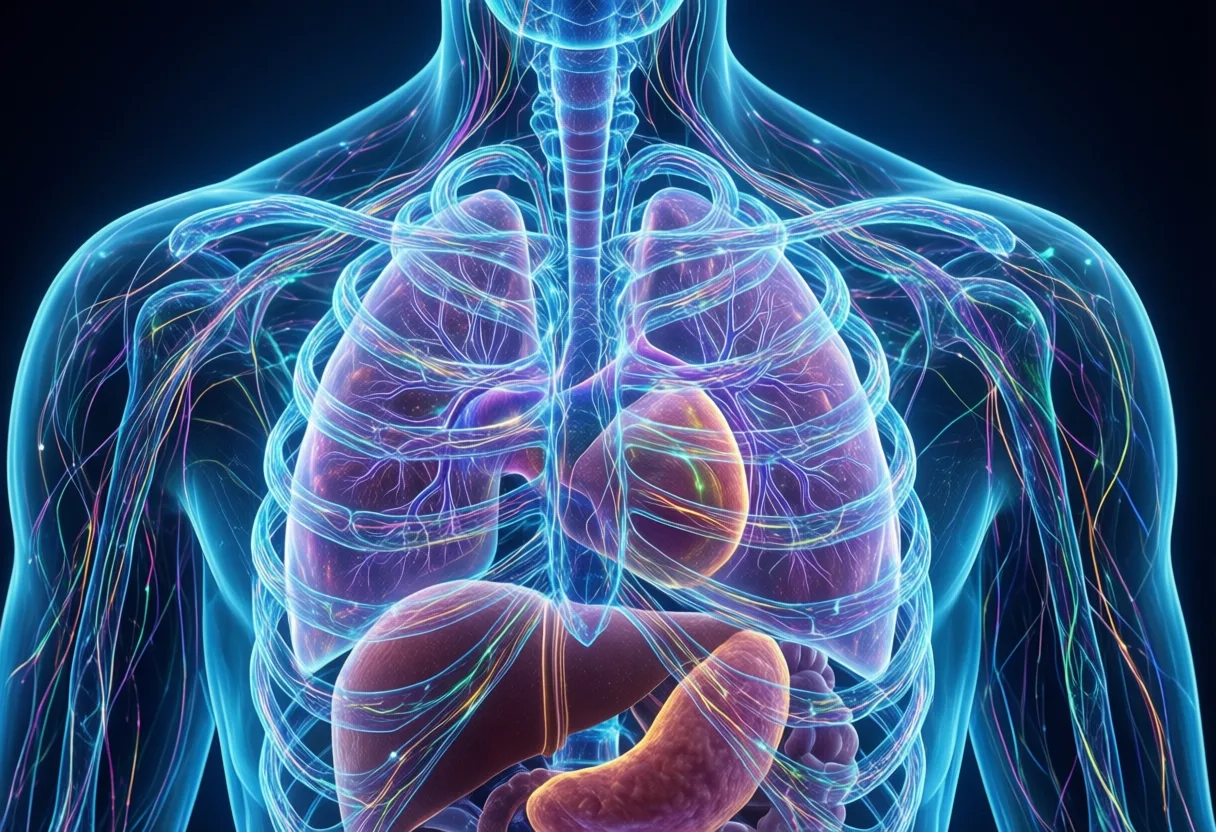
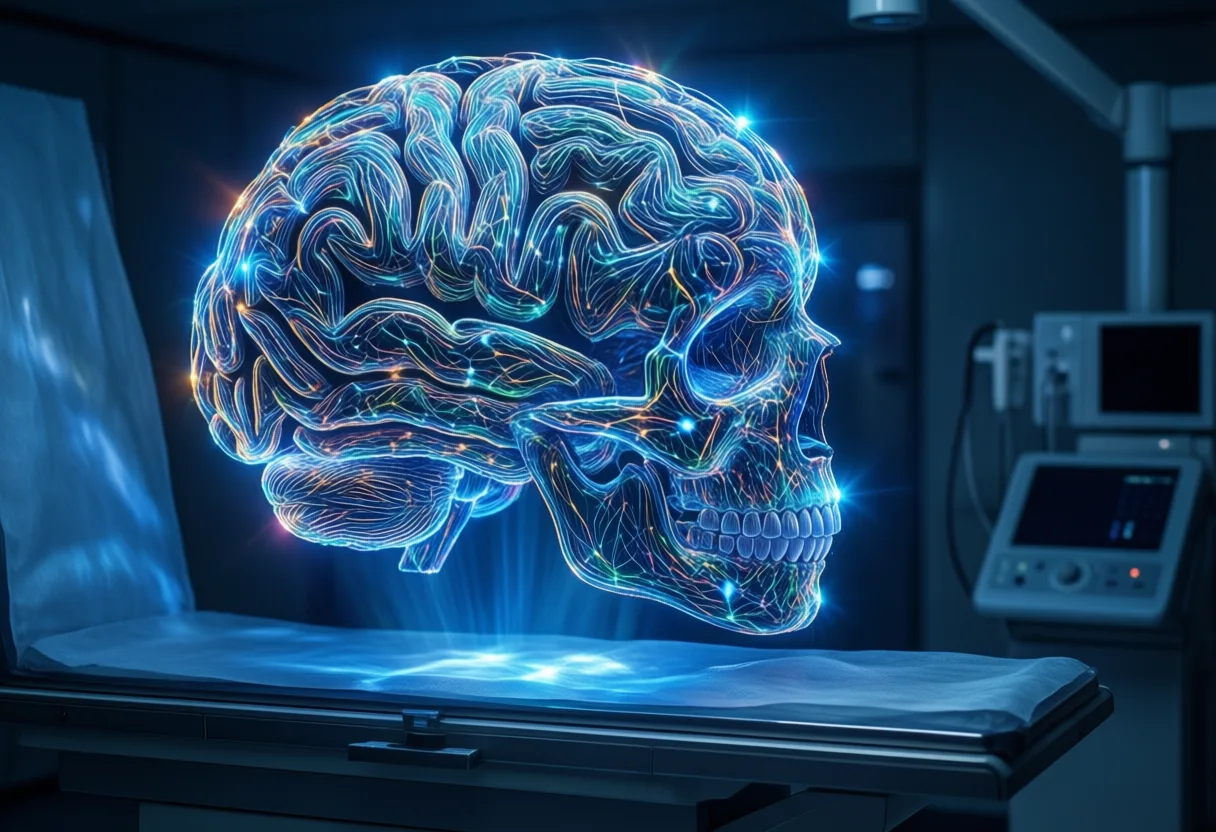
In operating rooms and radiology suites, in quiet clinics and sprawling research hospitals, a quiet revolution is unfolding-not with fanfare, but with algorithms. Machines trained on millions of medical images, patient histories, and genomic sequences are now detecting patterns invisible to the human eye, offering a new lens through which disease reveals itself. This is not science fiction; it is the steady, accelerating integration of Computational intelligence Into the sacred space of diagnosis, where milliseconds and millimeters can mean the difference between life and death.
How AI Is Transforming Diagnostic Precision in Modern Healthcare
The human mind, for all its brilliance, is bounded. Fatigue clouds judgment. Cognitive biases skew interpretation. Even the most seasoned radiologist may miss a shadow on a scan, a subtle asymmetry in tissue density, after hours of concentrated focus. Artificial Intelligence, by contrast, does not tire. It does not carry the weight of yesterday’s misdiagnosis or tomorrow’s schedule. What it does carry is an immense capacity for pattern recognition-trained not on instinct, but on data, on the cumulative experience of thousands of cases distilled into mathematical relationships.
In specialties like oncology and neurology, where early detection is paramount, AI systems are proving adept at identifying anomalies long before symptoms emerge. A mammogram, once reviewed by a single pair of eyes, can now be analyzed simultaneously by human and machine, each complementing the other’s strengths. The algorithm flags microcalcifications with statistical precision; the radiologist interprets context, patient history, and clinical nuance. Together, they form a diagnostic partnership more robust than either could achieve alone.
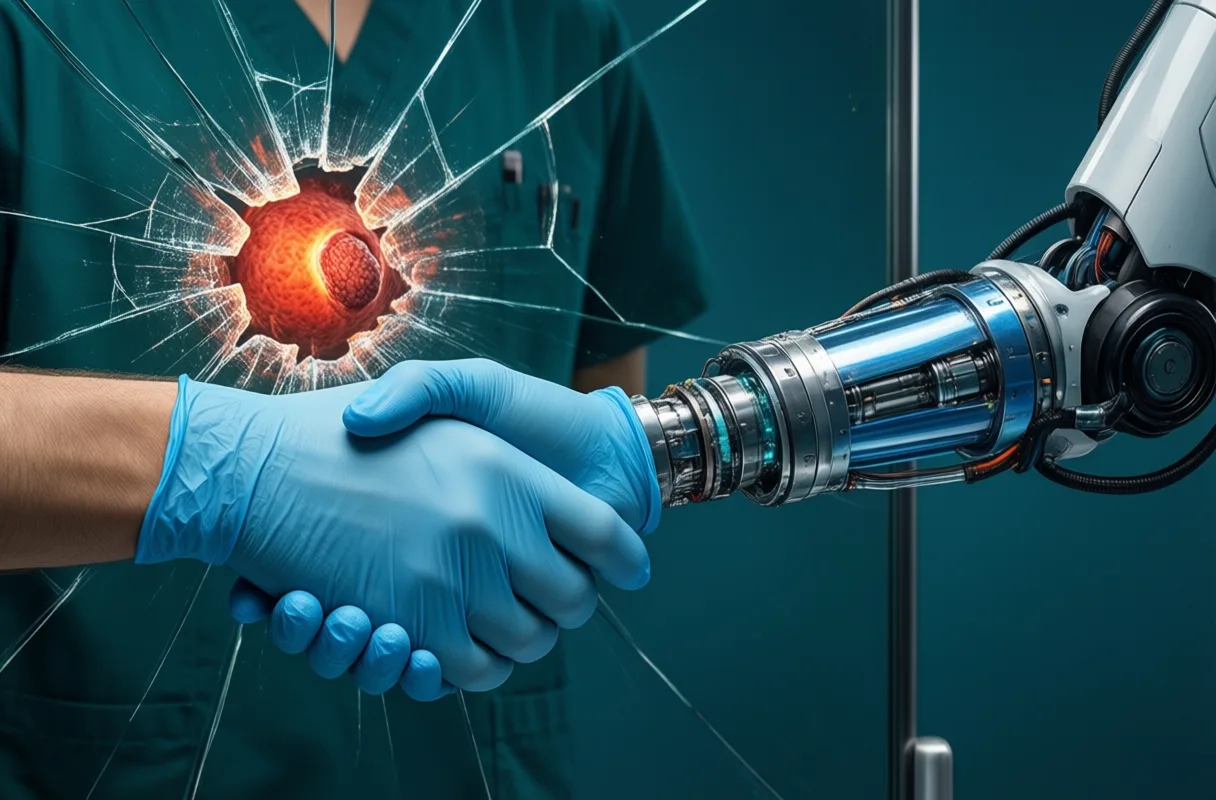
And yet, this is not a story of replacement, but of augmentation. The most effective implementations of machine learning in medicine do not sideline physicians-they elevate them. By automating routine analysis, AI frees clinicians to spend more time with patients, to listen, to explain, to comfort. It shifts the focus from data processing to human connection, restoring a balance long eroded by administrative burden and clinical overload.
Beyond Imaging: AI in Early Detection and Risk Stratification
Diagnostic accuracy begins long before a scan is ordered. It starts with risk-assessing who might develop disease, not just who already has it. Here, Artificial Intelligence is redefining preventive care. By analyzing electronic health records, genetic profiles, lifestyle factors, and even environmental exposures, AI models can predict the likelihood of Conditions Such as diabetes, heart failure, or neurodegenerative disorders years in advance.
These predictive models do not issue deterministic verdicts. Instead, they generate probabilistic insights-maps of risk that guide personalized interventions. A patient flagged for elevated cardiovascular risk might receive earlier lipid screening, tailored dietary recommendations, or more frequent monitoring. The goal is not to alarm, but to empower-Transforming passive Patients into active participants in their long-term health.
Some systems integrate real-time data from wearable sensors, tracking heart rate variability, sleep architecture, and activity levels to detect subtle deviations from baseline. When combined with clinical data, these streams form a dynamic portrait of health, one that evolves with the individual. Such continuous monitoring enables not just early diagnosis, but the possibility of preemption-intervening before pathology takes hold.
- AI models analyze diverse data types: imaging, genomics, vitals, and lifestyle metrics
- Predictive analytics identify high-risk individuals before symptoms appear
- Continuous monitoring via wearables enhances longitudinal health assessment
This shift from reactive to proactive medicine represents a philosophical realignment-one where health is not merely the absence of disease, but a state actively maintained through insight and foresight.
The Ethical Dimensions of Machine-Driven Diagnosis
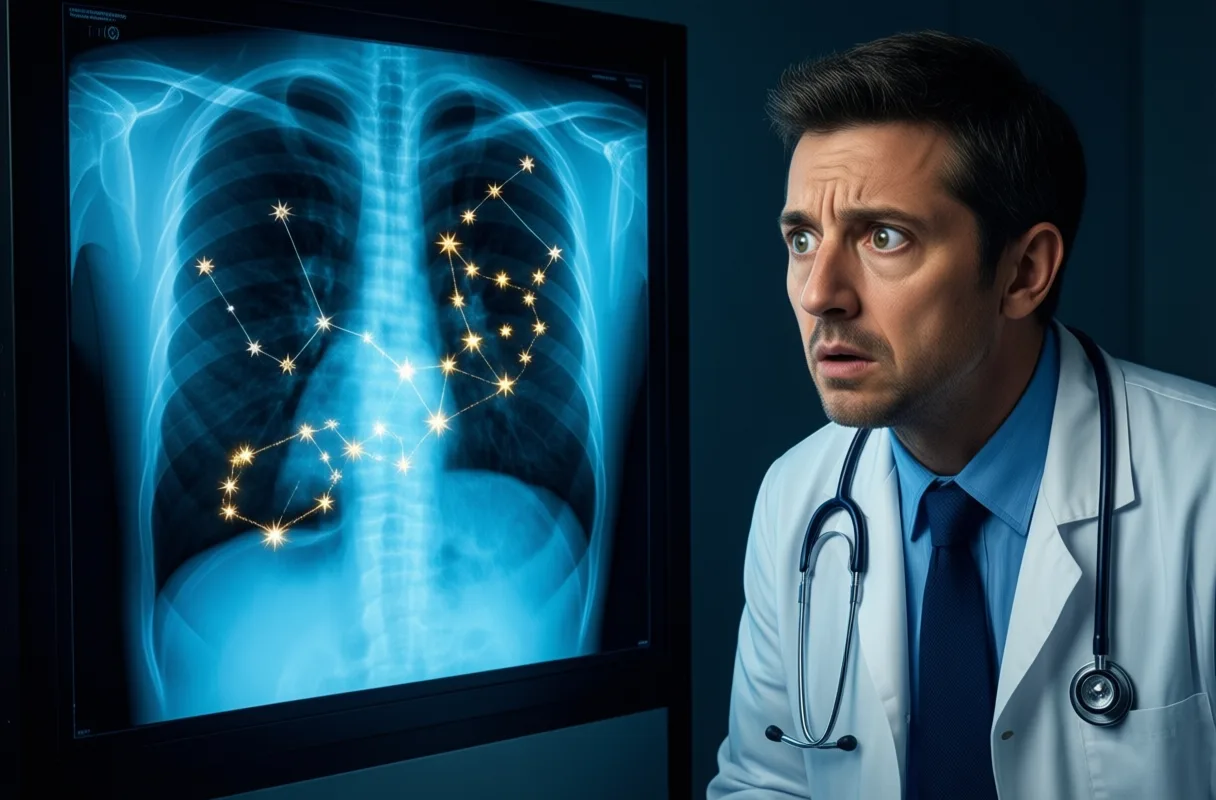
For all its promise, the rise of AI in diagnostics carries profound ethical weight. Algorithms are only as unbiased as the data they learn from, and historical medical datasets often reflect systemic inequities-underrepresenting women, ethnic minorities, and underserved populations. If unchecked, these biases can be encoded, amplified, and deployed at scale, leading to disparities in detection and care.
Transparency is another challenge. Many AI systems operate as “black boxes,” their decision-making processes opaque even to their creators. When a machine recommends a diagnosis, clinicians must be able to understand why-especially when the stakes are life and death. The demand for explainable AI is not a technical footnote; it is a clinical imperative.
Moreover, there is the question of responsibility. If an AI misses a tumor, who is accountable-the developer, the hospital, the physician who relied on the tool? As these systems become embedded in care pathways, legal and professional frameworks must evolve to reflect shared decision-making between humans and machines.
Still, the path forward is not retreat, but refinement. Rigorous validation, diverse training data, and ongoing oversight can mitigate risks without stifling innovation. The goal is not perfection-no diagnostic method ever achieves that-but progress: fewer missed cancers, earlier interventions, more lives preserved.
The Future of Diagnosis: A Symbiosis of Mind and Machine
Looking ahead, the Integration Of AI into medicine will deepen, not diminish. Future systems may correlate retinal scans with neurological decline, or detect early signs of sepsis from subtle shifts in vital signs before the patient feels ill. The diagnostic horizon is expanding, not just in scope, but in sensitivity.
What remains constant is the human element. No algorithm can hold a hand, interpret fear in a voice, or navigate the unspoken tensions of a family meeting. Technology may refine accuracy, but healing still requires empathy. The most advanced AI is not a replacement for the clinician-it is a collaborator, a second set of eyes, a silent partner in the pursuit of truth.
In this new era, the ideal diagnostician is neither machine nor human alone, but the union of both-where data meets intuition, where speed meets compassion, and where the oldest mission of medicine-to see, to understand, to act-is fulfilled with unprecedented clarity.
| Application Area | Function | Impact |
|---|---|---|
| Medical Imaging | Analyzes X-rays, MRIs, mammograms | Detects tumors, microcalcifications, brain bleeds |
| Genomics | Studies genetic profiles and facial features | Identifies rare disorders, predicts disease risk |
| Predictive Analytics | Processes EHRs, lifestyle, environmental data | Flags high-risk patients before symptoms appear |
| Wearable Integration | Tracks heart rate, sleep, activity | Enables early intervention through continuous monitoring |
| Retinal Scanning | Examines blood vessels in the eye | Predicts neurological decline and heart disease risk |
| Stroke Detection | Monitors for signs of acute events | Reduces alarm time, speeds emergency response |
Smarter Scans and Faster Answers
Seeing What the Eye Might Miss
AI in medicine isn't about replacing doctors-it’s more like giving them super-powered assistants. One of the coolest examples is how algorithms can spot tiny details in X-rays or MRIs that even experienced radiologists might overlook on a first pass. Think of it like having a second set of eyes that never gets tired, helping catch early signs of diseases like lung cancer or brain Bleeds faster Than ever.
Some AI tools are now so good at analyzing retinal scans that they can predict things beyond eye health-like a person’s risk for heart disease-just by studying blood vessels in the back of the eye. That kind of cross-system insight wasn’t really possible before. And it’s not just imaging: AI systems have been used to detect rare genetic disorders simply by analyzing facial features in photos, offering quicker clues for kids with undiagnosed conditions.
In real-world clinics, these tools are already making a difference. Hospitals using AI support for stroke detection report faster alarm times, cutting down critical minutes when every second counts. The tech doesn’t get excited or stressed during emergencies-it just works steadily, flagging urgent cases so help arrives sooner. It’s not magic, but in high-pressure medicine, that kind of reliability feels pretty close.
Frequently Asked Questions
How does AI improve diagnostic accuracy in medicine?
AI improves diagnostic accuracy by analyzing millions of medical images, patient histories, and genomic sequences to detect patterns invisible to the human eye. It does not tire and can flag subtle anomalies like microcalcifications or early signs of disease with statistical precision.
Can AI predict diseases before symptoms appear?
Yes, AI models can predict the likelihood of conditions such as diabetes, heart failure, or neurodegenerative disorders years in advance by analyzing electronic health records, genetic profiles, lifestyle factors, and environmental exposures. These predictive insights guide early, personalized interventions.
Does AI replace doctors in the diagnostic process?
No, AI does not replace doctors. It augments their abilities by automating routine analysis, allowing clinicians more time to focus on patient care, empathy, and complex decision-making. The most effective use of AI is as a collaborative partner in diagnosis.
What are the ethical concerns with using AI in diagnostics?
Ethical concerns include potential biases from underrepresented groups in training data, lack of transparency in 'black box' algorithms, and questions about accountability when errors occur. Addressing these requires diverse datasets, explainable AI, and evolving legal frameworks.
This article was produced with AI assistance. How Neuron Magazine uses AI.
Zahra explores the frontiers of human enhancement, from neural implants to gene editing, with a focus on ethical implications and lived experience. She blends scientific rigor with intimate storytelling to illuminate how technology reshapes identity and lifespan.