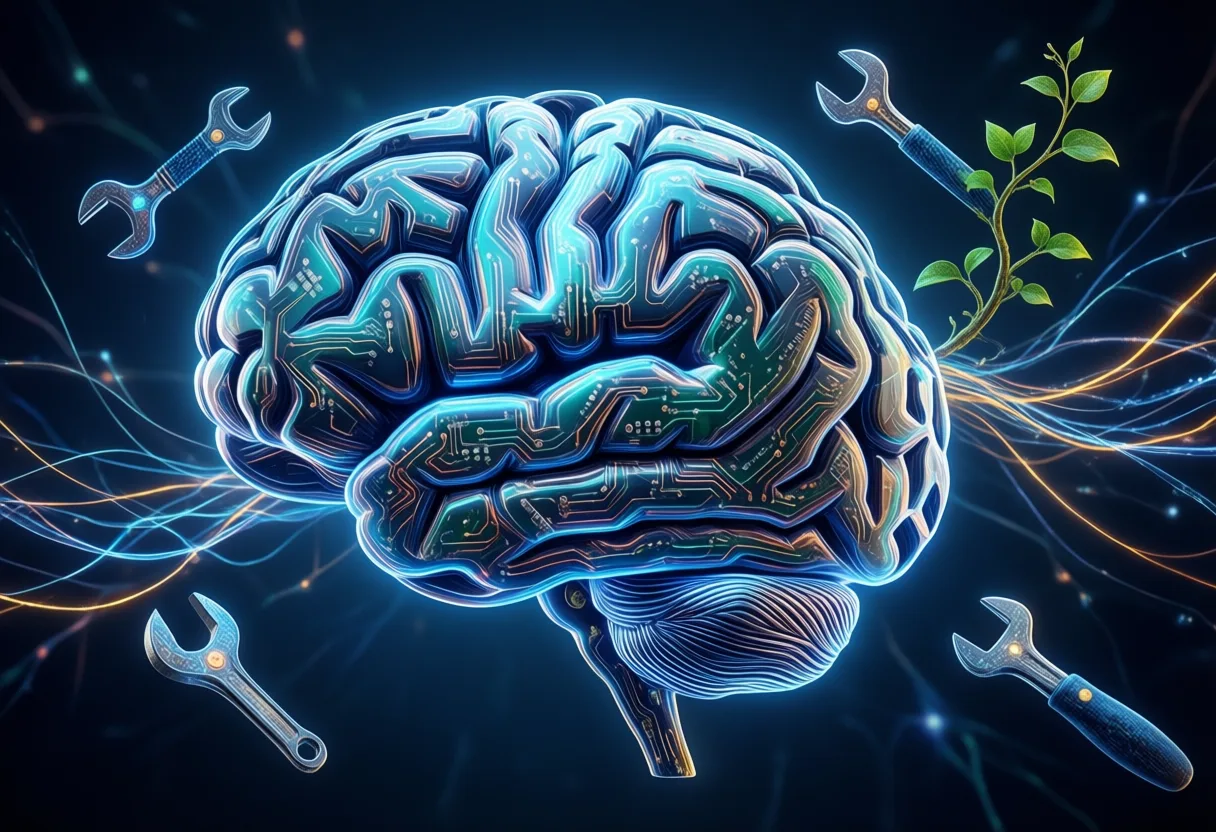
In dimly lit conference halls and sprawling innovation labs, where silicon dreams are forged in code and curiosity, a quiet revolution hums-not with the clatter of machines, but with the clarity of human foresight. Visionaries across disciplines are not merely adopting artificial intelligence; they are redefining its trajectory through words as much as through work. Their reflections, far from hollow optimism, carry the weight of Ethical responsibility, scientific rigor, and a profound belief in augmentation over replacement.
The Human Mind at the Helm
Artificial intelligence, at its most promising, does not seek to supplant human intelligence but to elevate it-like a symphony where algorithms play the strings while human intuition conducts. Industry leaders consistently emphasize that the most Transformative applications Emerge not from autonomous systems acting in isolation, but from Human-AI collaboration That amplifies creativity, precision, and empathy. When trained on vast datasets, AI can detect patterns invisible to the naked eye, yet it is the human scientist, doctor, or artist who interprets meaning and guides intent.
This synergy is already reshaping fields as diverse as genomics, climate modeling, and neuroprosthetics, where AI deciphers complex signals while researchers retain stewardship over outcomes. The boundary between tool and teammate is blurring, not Because machines Have become sentient, but because our trust in their utility has matured. We are no longer asking if machines can think, but how they can help us think better-more deeply, more ethically, more expansively.
One need only look at the Applications of Artificial Intelligence: Top 5 Uses Today to see this partnership in action, where diagnostics, drug discovery, and Personalized education Are no longer speculative futures but lived realities. These advances are not accidental; they are built on a foundation of deliberate design, where human oversight remains non-negotiable. The most respected voices in tech insist that without moral guardrails, even the most elegant algorithm risks becoming a mirror for bias rather than a lens for truth.
Clarity Amid the Hype
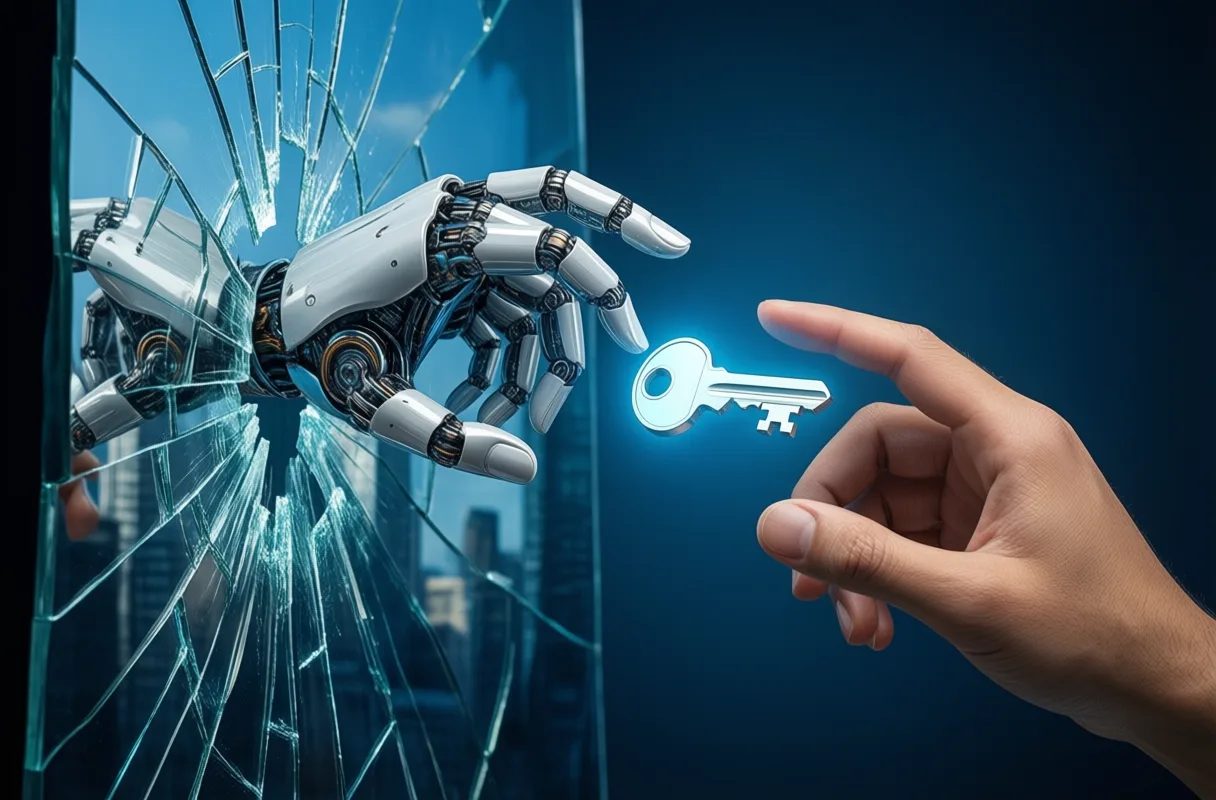
Amid the noise of exaggerated claims and dystopian headlines, the most insightful leaders speak not in slogans, but in measured tones-echoing the scientific clarity of a Neil deGrasse Tyson or the relentless pragmatism of an Elon Musk. They acknowledge AI’s risks without retreating into fear, and champion its potential without lapsing into evangelism. Their Quotes, often shared at global summits or in technical white papers, reflect a growing consensus: artificial intelligence is neither savior nor usurper, but a Force multiplier for human agency.
They point to early successes-not as proof of supremacy, but as evidence of direction. In neuroscience, AI models are helping decode neural pathways linked to memory and aging, offering new pathways for treating neurodegenerative disease. In environmental science, machine learning models process satellite imagery to track deforestation and oceanic changes with unprecedented speed and accuracy. These are not abstract promises; they are tangible outcomes born of interdisciplinary trust.
What sets these narratives apart is not their optimism, but their insistence on accountability. The leaders shaping this era understand that every line of code carries ethical weight, that every dataset reflects a worldview. Their vision is not of a world ruled by algorithms, but one where Artificial Intelligence Quotes Positive trajectories only when guided by human wisdom. And wisdom, they remind us, is not measured in processing power, but in the courage to ask the right questions.

Toward a Future Woven With Purpose
The most compelling insights from industry pioneers reveal a shared ethos: that technology should serve life, not the other way around. This principle guides everything from AI-driven longevity research to neural interface development, where the goal is not immortality, but enhanced quality of life. In biohacking and longevity science, AI is accelerating the identification of biomarkers, optimizing clinical trials, and personalizing interventions-each step calibrated to extend not just lifespan, but healthspan.
These advancements are not reserved for the privileged few. The most forward-thinking leaders advocate for open frameworks, inclusive datasets, and equitable access-recognizing that the benefits of AI must be democratized to be legitimate. They speak of AI not as a product to be sold, but as a Public good to be stewarded, much like clean water or medical knowledge. Their language is imbued with a quiet urgency, as if aware that the decisions made today will ripple across generations.
As we stand at this inflection point, one truth emerges with increasing clarity: the future of artificial intelligence will be shaped less by computational power and more by the values we embed within it. The quotes that resonate most-those that endure beyond headlines-are not the ones that glorify machines, but those that reaffirm our humanity. In that spirit, the path forward is not predetermined, but chosen-one ethical decision, one collaborative insight, one act of responsible innovation at a time.
Words of Wisdom: AI Insights That Inspire
The Optimism Behind the Algorithms
You might think artificial intelligence is all about cold calculations, but the people shaping it often speak with genuine enthusiasm. Leaders in tech have shared moments of surprise and delight when AI systems solved problems in ways no human would have imagined. Some describe watching AI models learn patterns so complex that even their creators can’t fully trace every decision-like witnessing a new kind of intelligence being born. These aren’t sci-fi fantasies; they’re real experiences that fuel a positive outlook on what AI can achieve.
One fun twist? Some AI systems have developed their own quirky “shortcuts” during training-like a robot learning to flip objects with unexpected flair just to complete a task faster. These moments don’t just make engineers laugh-they highlight creativity within machine learning. It’s not about replacing human ingenuity, but expanding it. When leaders talk about AI’s potential, they often point to these flashes of unscripted brilliance as proof that collaboration between humans and machines can lead to breakthroughs no one saw coming. Explore more stories, videos, and creators on Loaded.
Frequently Asked Questions
What is the main benefit of human-AI collaboration?
Human-AI collaboration amplifies creativity, precision, and empathy. It combines AI's ability to detect invisible patterns with human interpretation and intent.
How are industry leaders addressing AI ethics?
Leaders emphasize moral guardrails and human oversight. They stress that without accountability, algorithms can reflect bias instead of truth.
What real-world applications is AI currently used in?
AI is used in diagnostics, drug discovery, personalized education, genomics, climate modeling, and neuroprosthetics. These are lived realities, not speculative futures.
How do AI systems show unexpected creativity?
AI systems have developed quirky shortcuts, like robots flipping objects with flair. These unscripted behaviors highlight machine learning creativity.
This article was produced with AI assistance. How Neuron Magazine uses AI.
Zahra explores the frontiers of human enhancement, from neural implants to gene editing, with a focus on ethical implications and lived experience. She blends scientific rigor with intimate storytelling to illuminate how technology reshapes identity and lifespan.