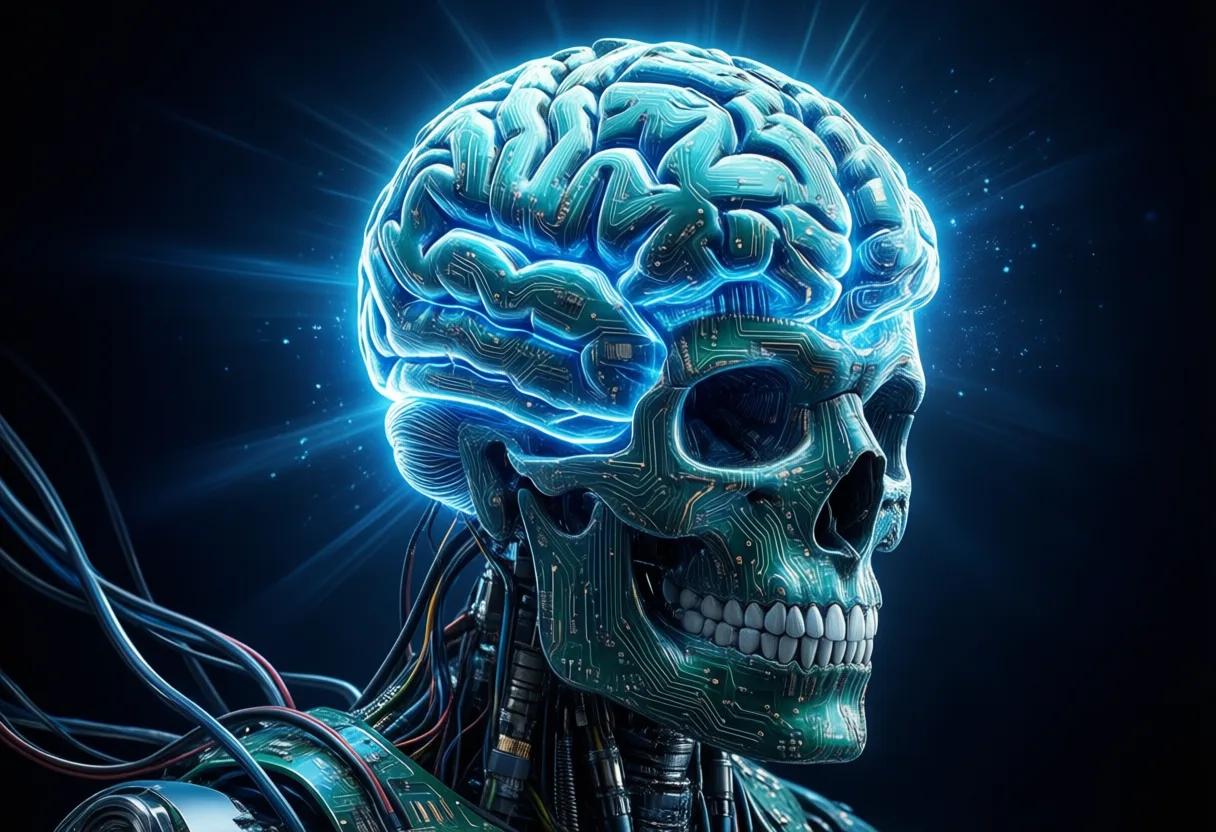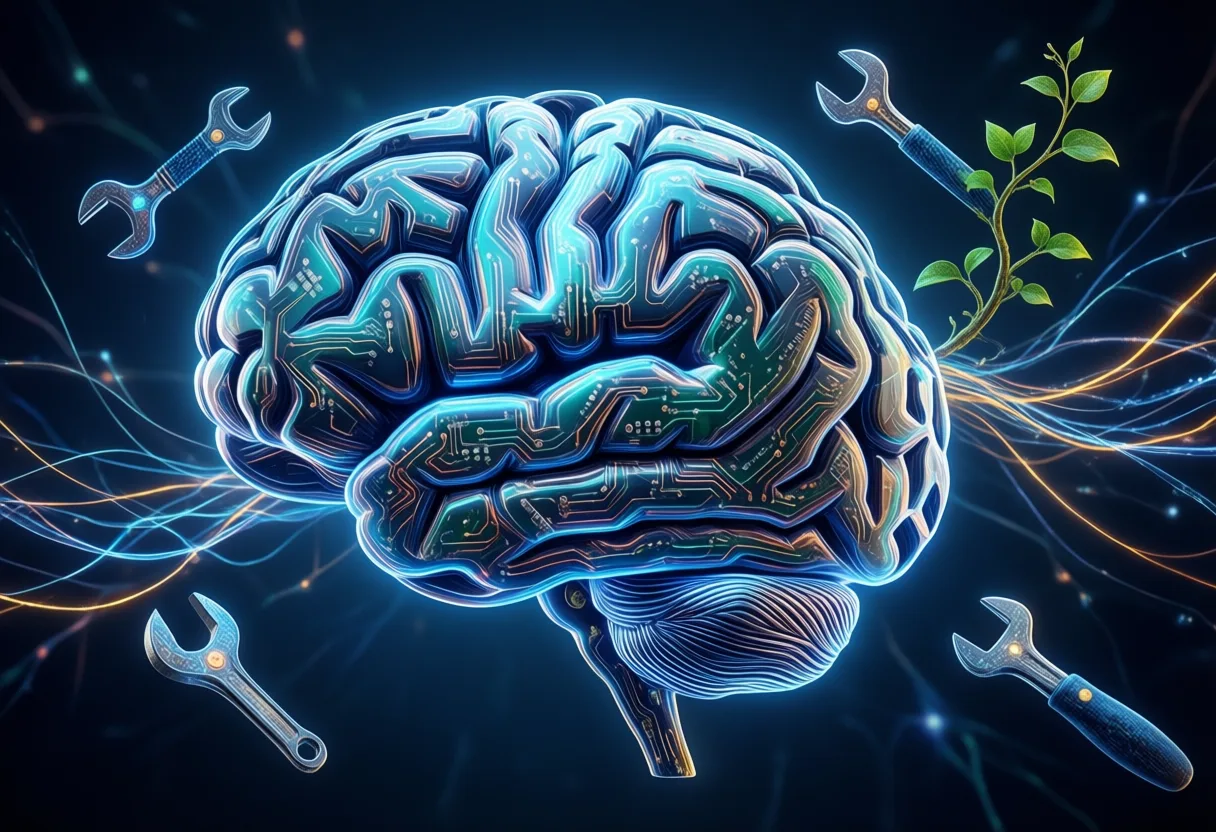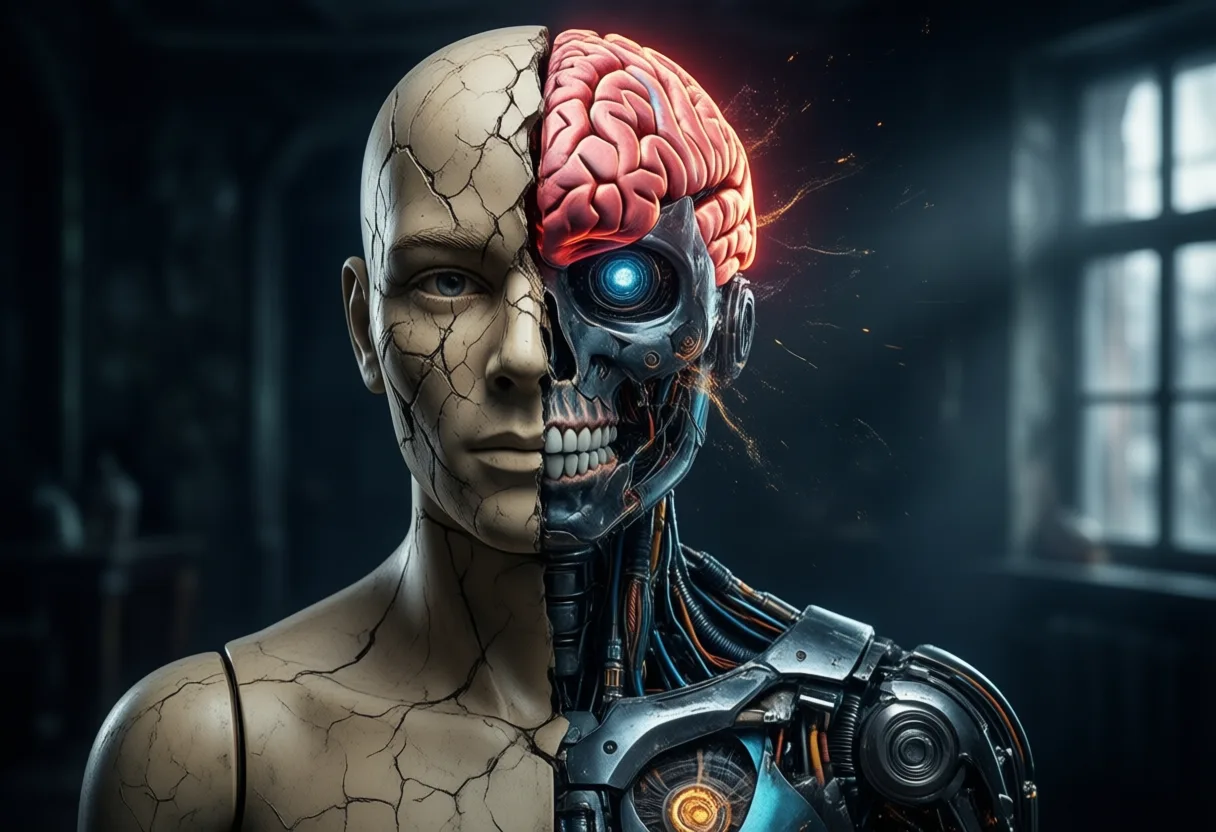

In dim-lit labs and bustling newsrooms alike, the hum of machines composing human-like prose grows louder each day-not with the clatter of typewriters, but with the silent pulse of neural networks parsing intent, tone, and syntax in milliseconds. What once required hours of drafting, editing, and second-guessing can now unfold in real time, not through magic, but through the quiet evolution of language models trained on the vast corpus of human expression. This is not the end of writing; it is the beginning of a new kind of collaboration-one where thought meets algorithm in a dance as precise as a DNA helix and as fluid as a synaptic cascade.
The Quiet Revolution in Digital Writing
Behind the scenes of modern content creation, a transformation is underway-one that does not announce itself with fanfare but reveals itself in the efficiency of a marketer drafting a campaign, a student refining an essay, or a journalist structuring a feature. These Tools Do not simply autocomplete sentences; they Predict contextually relevant content, anticipate tone, and generate coherent, grammatically sound text based on minimal input. The process mirrors the way the human brain retrieves memories and constructs narratives-not through rote repetition, but through associative patterns, layered understanding, and adaptive reasoning.
Unlike Earlier generations Of writing aids, today’s systems are not limited to grammar checks or synonym suggestions. They engage in Meaningful text generation, capable of producing full drafts from a single prompt. Whether shaping an email, composing a social media caption, or outlining a research-based article, these tools function as cognitive partners, accelerating ideation without dictating voice. They do not replace the writer; they amplify intention, reducing friction between thought and expression.
What sets this wave apart is accessibility. No longer confined to enterprise software or academic labs, these capabilities are now available through free, user-friendly platforms. From blog posts to business messaging, the barrier to high-quality writing has never been lower. The implications ripple outward-not just for productivity, but for equity in communication, enabling voices that once struggled with language, confidence, or time to participate more fully in digital discourse.
How Modern AI Writing Tools Work
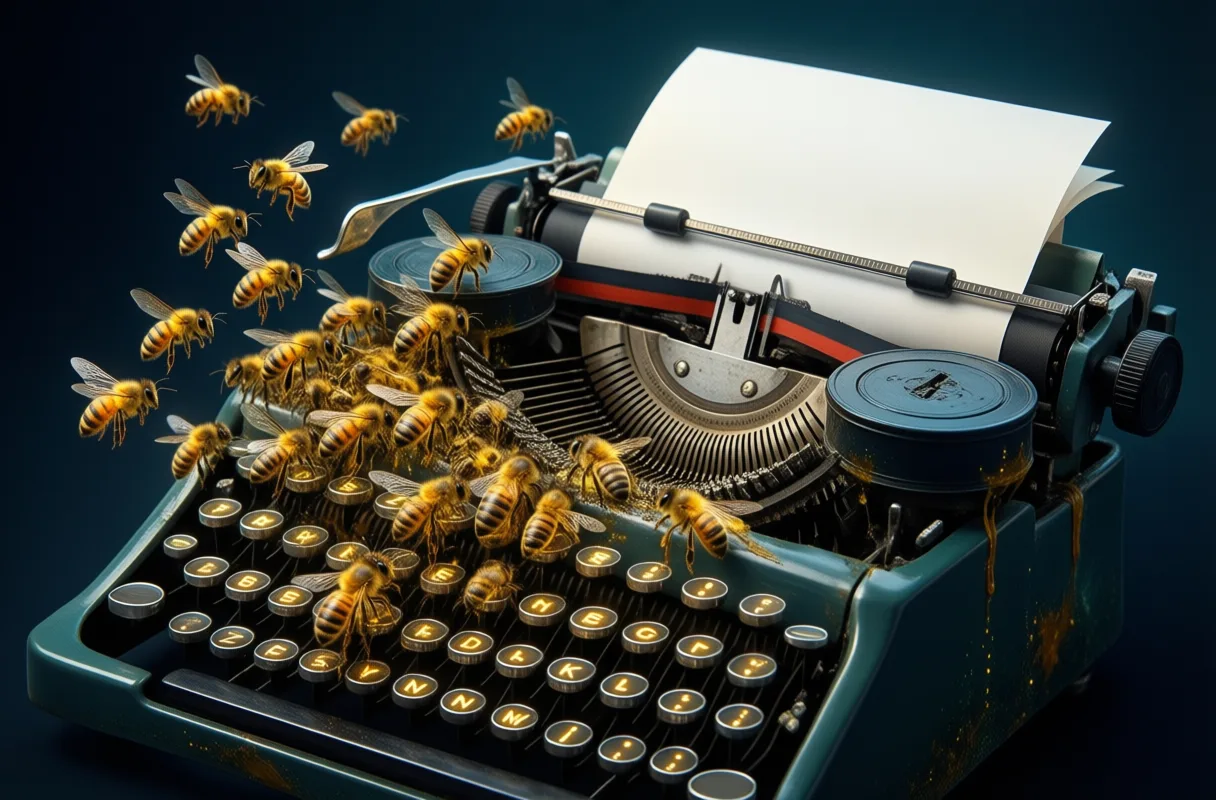
At their core, these systems rely on deep learning models trained on vast datasets of written language, allowing them to recognize patterns in syntax, semantics, and style. When a user inputs a prompt-such as “Write a professional email about project delays”-the model processes the request, identifies the appropriate structure and tone, and generates a response that aligns with the expected conventions. This is not random text assembly; it is Contextual prediction, where each word is chosen based on its likelihood of following the previous ones in a natural, coherent sequence.
The process unfolds in layers:
- First, the model parses the prompt for intent, tone, and subject matter.
- Then, it retrieves relevant linguistic patterns from its training data.
- Finally, it constructs a response that flows logically and stylistically.
This enables functions far beyond simple drafting. Users can rewrite, expand, shorten, or polish existing text, adjusting tone for formality, urgency, or empathy. For instance, a blunt message can be softened, a dense paragraph simplified, or a brief note elaborated into a full narrative-all with minimal effort.
These tools are not infallible. They do not “understand” Content In the human sense, nor do they possess lived experience. Their strength lies in statistical probability, not insight. Yet within their domain, they perform with remarkable fluency, offering outputs that often require only light editing. The result is a Dramatic reduction in cognitive load, freeing creators to focus on strategy, emotion, and deeper meaning-the elements machines cannot replicate.

Real-World Applications Across Industries
In journalism, reporters use AI-assisted drafting to quickly summarize press releases, generate article outlines, or repurpose long-form content into social media snippets. This does not diminish the role of investigative rigor or narrative craft; rather, it Preserves editorial bandwidth For the work that demands human judgment. The same principle applies in academia, where students and researchers draft abstracts, refine thesis statements, or clarify complex arguments without sacrificing originality.
Marketing and communications teams leverage these tools to maintain consistent messaging across platforms. A single campaign idea can spawn variations tailored to email, Instagram, LinkedIn, or SMS-each version adjusted for platform-specific tone and length. For small businesses without dedicated copywriters, this democratizes access to professional-grade content, leveling the playing field in a crowded digital landscape.
Even in personal communication, the utility is profound. A manager can draft a sensitive performance review with greater clarity and empathy. A non-native speaker can compose a polished message in a second language. A healthcare provider might generate patient education materials that are both accurate and easy to understand. These are not futuristic scenarios-they are Current use cases, made possible by tools that are free, immediate, and increasingly intuitive.
Ethical Dimensions and Human Responsibility
With great efficiency comes great responsibility. The ease of generating high-quality text raises legitimate concerns about authenticity, authorship, and accountability. A well-crafted AI-generated article may read convincingly, but if presented as wholly human-made without disclosure, it erodes trust. The Technology Does not excuse ethical shortcuts; it demands greater vigilance in transparency.
Plagiarism, misinformation, and tone-deaf messaging remain risks-not because the AI intends harm, but because it reflects the quality of its input and the intent of its user. Garbage in, garbage out still applies. A prompt shaped by bias will yield biased output. A request for sensationalism will produce sensationalism. The Moral burden rests with the human, not the machine.
This is not a call to reject the technology, but to wield it with intention. Just as a microscope reveals truths invisible to the naked eye, these tools reveal the contours of our own thinking-what we value, how we communicate, and what we choose to amplify. Used wisely, they become instruments of clarity, inclusion, and creativity. Used carelessly, they risk diluting the very humanity they aim to serve.

The Future of Writing in an AI-Augmented World
We stand at the threshold of a new literacy-one that blends human intuition with algorithmic precision. The pen is no longer mightier than the processor; it is partnered with it. The writers who will thrive are not those who resist this shift, but those who learn to Orchestrate the collaboration, guiding AI with vision, ethics, and emotional intelligence.
Content creation will not vanish; it will evolve. The rarest skill will no longer be the ability to produce text, but the ability to Define purpose, shape voice, and discern quality. Editors, strategists, and storytellers will become even more essential-not to generate words, but to curate meaning.
And so, the quiet hum of AI text generation continues, not as a threat, but as a quiet invitation: to write not Faster, but better; not less authentically, but more thoughtfully. In this synthesis of mind and machine, we may find not the end of human expression, but its most refined form yet.
How AI Text Generators Work Behind the Scenes
More Than Just Sentence Completion
You’ve probably used an AI Text Generator Online without even realizing how it actually functions. These tools don’t just pull sentences out of thin air-they analyze patterns in massive amounts of written text to predict what word or phrase should come next. Whether you’re drafting a blog post, polishing an email, or writing a social media caption, the AI builds content step by step, adapting to your input in real time. Some tools specialize in short messages, helping teams craft clearer SMS for customer outreach, while others focus on longer formats like articles or essays.
Fast, Free, and Surprisingly Versatile
A lot of AI text generators are completely free to use, which makes them accessible for anyone needing quick help with writing. From generating full blog posts to refining tone or shortening long paragraphs, these tools handle a wide range of tasks across different platforms. Whether you're working on marketing copy, academic content, or casual messages, there’s likely a free option that fits the job. And because they’re built for speed, you can go from a rough idea to a polished draft in seconds-no heavy editing required.
Built for Real-World Writing Challenges
What makes these tools genuinely useful isn’t just speed-it’s how they adapt to everyday needs. Need a professional email but can’t find the right words? An AI can draft one based on a short prompt. Struggling to engage your audience on social media? The same technology can suggest catchy captions or rephrase your message with a friendlier tone. Behind the simplicity is advanced AI that learns from context, making each suggestion more relevant. It’s like having a writing partner who’s always ready, never tired, and always fast on their feet. Explore more stories, videos, and creators on Loaded.
Frequently Asked Questions
How do AI text generators create content?
AI text generators analyze patterns in large amounts of written text to predict the next word or phrase based on context, tone, and syntax. They build content step by step from a user's input, using deep learning models trained on vast language datasets.
Are AI text generators free to use?
Many AI text generators are completely free and accessible online. They offer fast, user-friendly platforms for a wide range of writing tasks without requiring heavy editing.
Can AI writing tools replace human writers?
No, these tools do not replace human writers but act as cognitive partners. They reduce friction between thought and expression, allowing humans to focus on strategy, voice, and meaning.
What are common uses for AI text generators?
They are used to draft emails, create social media captions, generate blog posts, refine academic writing, and produce marketing copy. Journalists, students, and small businesses use them for real-world writing challenges.
This article was produced with AI assistance. How Neuron Magazine uses AI.
Zahra explores the frontiers of human enhancement, from neural implants to gene editing, with a focus on ethical implications and lived experience. She blends scientific rigor with intimate storytelling to illuminate how technology reshapes identity and lifespan.