What if Machines Could predict disease before symptoms appear? What if factories could run without human intervention and still adapt in real time? This week, Artificial Intelligence took decisive steps toward making those scenarios not just possible-but practical.
The pace isn’t slowing. From hospital corridors to manufacturing floors, AI systems are shifting from experimental tools to essential infrastructure. And the implications? They’re rewriting the rules of efficiency, Accuracy, and scalability.
AI Transforms Diagnostics with Real-Time Pattern Recognition
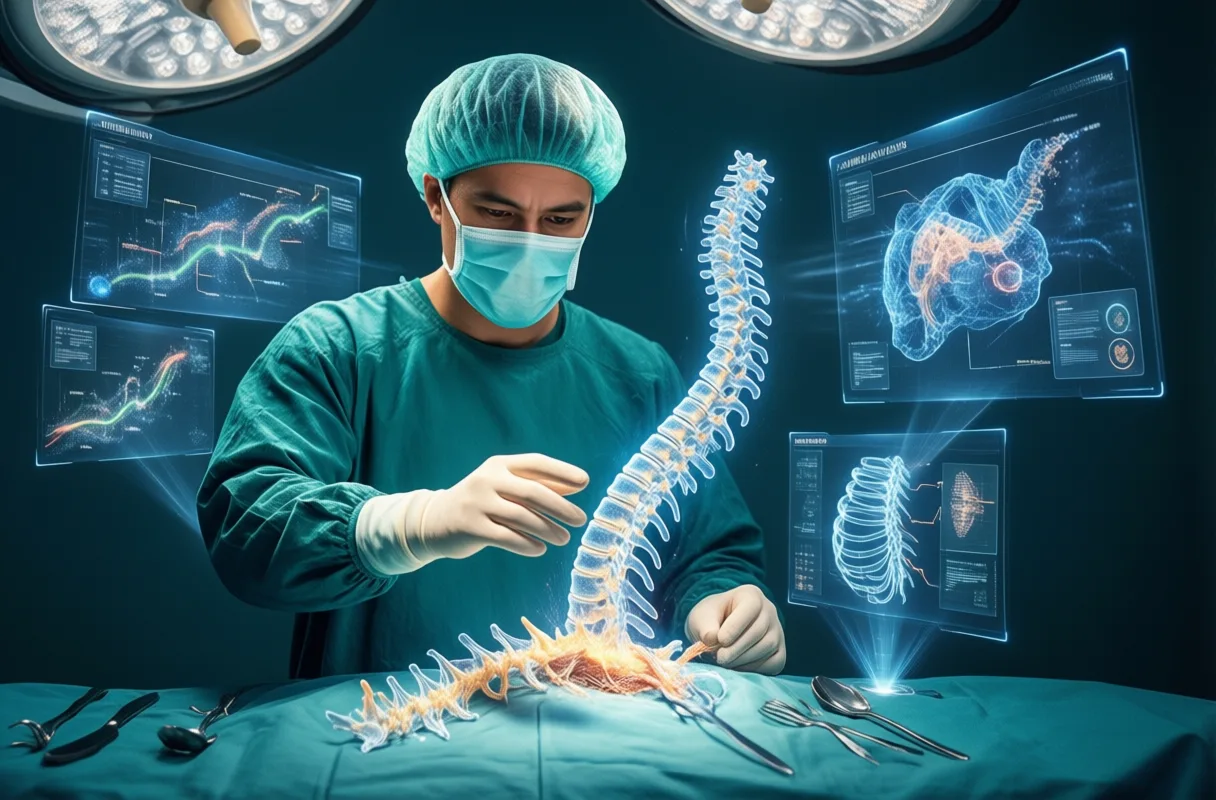
Imagine an algorithm scanning thousands of medical images in seconds, spotting anomalies invisible to the human eye. That’s no longer science fiction-it’s happening now in clinics integrating next-generation AI Diagnostics.
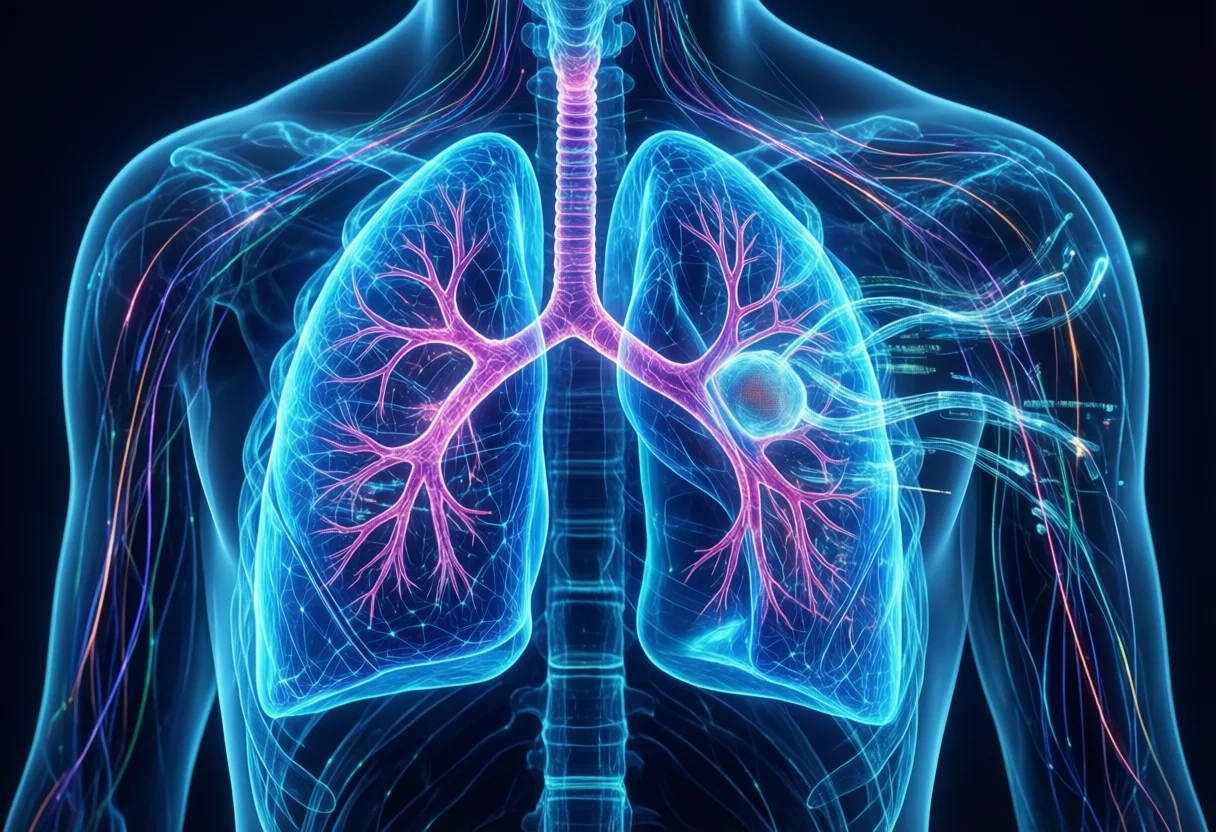
These systems learn from vast datasets, identifying subtle patterns in X-rays, MRIs, and CT scans. Early detection of conditions like lung cancer or diabetic retinopathy is improving, giving patients a critical head start. No magic-just math, trained on real-world data.
Hospitals are reporting faster triage and reduced diagnostic errors. Radiologists aren’t being replaced; they’re being Augmented, with AI handling routine scans so doctors can focus on complex cases.
- AI models flag potential tumors with precision rivaling experienced specialists
- Systems reduce false positives, minimizing unnecessary biopsies
- Real-time analysis cuts wait times for critical diagnoses
This isn’t about automation for automation’s sake. It’s about Extending human capability, not replacing it. The goal? Better outcomes, lower costs, and broader access.
And the technology is evolving fast. New models adapt to regional variations in disease presentation, making them more effective across diverse populations. That’s not just progress-it’s equity through innovation.
Smart Factories Enter the Era of Self-Optimization
What happens when a production line can fix itself before breaking down? That’s the promise of AI-driven predictive maintenance now live in advanced manufacturing plants.
Sensors feed real-time data to machine learning models that anticipate equipment failures-sometimes days in advance. The result? Downtime plummets. Output climbs. And supply chains become more resilient.
These aren’t isolated robots. They’re Networked intelligences, coordinating tasks, adjusting workflows, and optimizing energy use without human input.
- Machines communicate load imbalances and reroute tasks autonomously
- AI adjusts assembly parameters based on material variance, reducing waste
- Energy consumption drops as systems learn peak efficiency windows
It’s not just about speed. It’s about Adaptive resilience. When demand shifts or materials change, the system recalibrates-on the fly.
Factories once required weeks to retool for new products. Now, AI-driven systems reconfigure in hours. That agility could redefine global competitiveness.
And the ripple effect? Safer workplaces, fewer bottlenecks, and smarter use of resources. This isn’t the factory of tomorrow. It’s the factory of This quarter.
The Quiet Revolution in Clinical Decision Support
Doctors face a deluge of data-lab results, patient history, drug interactions. How do you make the right call under pressure? AI is becoming the co-pilot in high-stakes medical decisions.
New decision support tools analyze patient records in seconds, surfacing relevant research and flagging potential risks. They don’t prescribe-but they highlight what a physician might miss.
These systems are especially valuable in emergency settings, where seconds count and cognitive load is high. Early adopters report improved adherence to clinical guidelines and fewer medication errors.
- AI cross-references patient profiles with global treatment outcomes
- Alerts for drug interactions appear before prescriptions are finalized
- Tools suggest personalized care pathways based on genetic and lifestyle data
This isn’t autonomy. It’s Amplified judgment. The doctor remains in control-but now with a supercharged knowledge base.
And unlike rigid rule-based software, modern AI learns from outcomes, refining its suggestions over time. The more it’s used, the smarter it gets.
The future of medicine isn’t man Or Machine. It’s man With Machine-faster, sharper, and more precise than ever before.

The Bottom Line: Intelligence Is Now Infrastructure
AI isn’t a feature. It’s becoming the backbone of critical systems. In healthcare and manufacturing, the shift is clear: Intelligence must be embedded, not bolted on.
The breakthroughs this week aren’t isolated. They’re symptoms of a deeper trend-AI moving from lab to frontline, from experiment to essential.
We’re not chasing hype. We’re building systems that work, scale, and save lives. That’s the real story behind the headlines.
And the next frontier? Generalization. Systems that don’t just excel in one task-but adapt across domains. That’s the next leap.
For now, the message is simple: the age of passive machines is over. The era of thinking systems has begun.
Smarter Machines, Healthier Lives
AI Steps Into the Doctor’s Office - Quietly
This week, Artificial Intelligence made quiet but meaningful moves in healthcare, with new tools helping doctors spot diseases earlier and manage workloads better. One system, already in use at several hospitals, analyzes chest X-rays and flags potential lung issues in seconds-freeing up radiologists to focus on complex cases. It doesn’t replace doctors, but it does cut down wait times for diagnoses, especially in overburdened clinics. Think of it like a tireless second pair of eyes that never blinks.
From Labs to Living Rooms: Automation Gets Practical
Beyond hospitals, AI-powered automation is slipping into everyday routines in ways most people don’t even notice. Smart warehouse robots now handle more than half of inventory sorting in some distribution centers, learning on the fly how to pack oddly shaped items without human input. Meanwhile, home energy systems using AI are adjusting heating and cooling based on weather forecasts and household habits, saving power without sacrificing comfort. These aren’t sci-fi fantasies-they’re running quietly in the background, making things smoother.
A Fun Bit You Might Not Know
Here’s a quirky detail: one of this week’s breakthroughs involved training an AI model using sounds from nature-birdsong, rustling leaves, ocean waves-to improve its ability to detect abnormal heartbeats. The patterns in natural audio, it turns out, help the algorithm tune into subtle irregularities in ECG readings. So next time you hear a robin sing, remember: nature might just be helping train the next generation of medical AI. Explore more stories, videos, and creators on Loaded.
Frequently Asked Questions
How is AI improving medical diagnostics?
AI systems analyze medical images like X-rays and MRIs, spotting subtle anomalies faster than humans. They help in early detection of conditions such as lung cancer and diabetic retinopathy. Radiologists use these insights to focus on complex cases while reducing diagnostic errors.
What role does AI play in manufacturing today?
AI enables predictive maintenance by anticipating equipment failures before they occur. It allows smart factories to self-optimize, adjust workflows, and reduce energy use. Systems can now reconfigure production lines in hours instead of weeks.
Can AI help doctors make better clinical decisions?
Yes, AI decision support tools analyze patient records and flag risks like drug interactions. They suggest personalized care paths using genetic and lifestyle data. Doctors retain control but benefit from faster, more informed insights.
How are natural sounds being used in AI healthcare breakthroughs?
AI models are trained on natural sounds like birdsong and ocean waves to recognize patterns. These patterns improve the algorithm's ability to detect irregular heartbeats in ECG readings. Nature's audio helps refine medical diagnostics.
This article was produced with AI assistance. How Neuron Magazine uses AI.
Malik dissects how artificial intelligence transforms decision-making in governments and corporations, tracking algorithmic power shifts and policy gaps. He writes with clarity and urgency, making high-stakes tech strategy accessible without oversimplifying its risks.