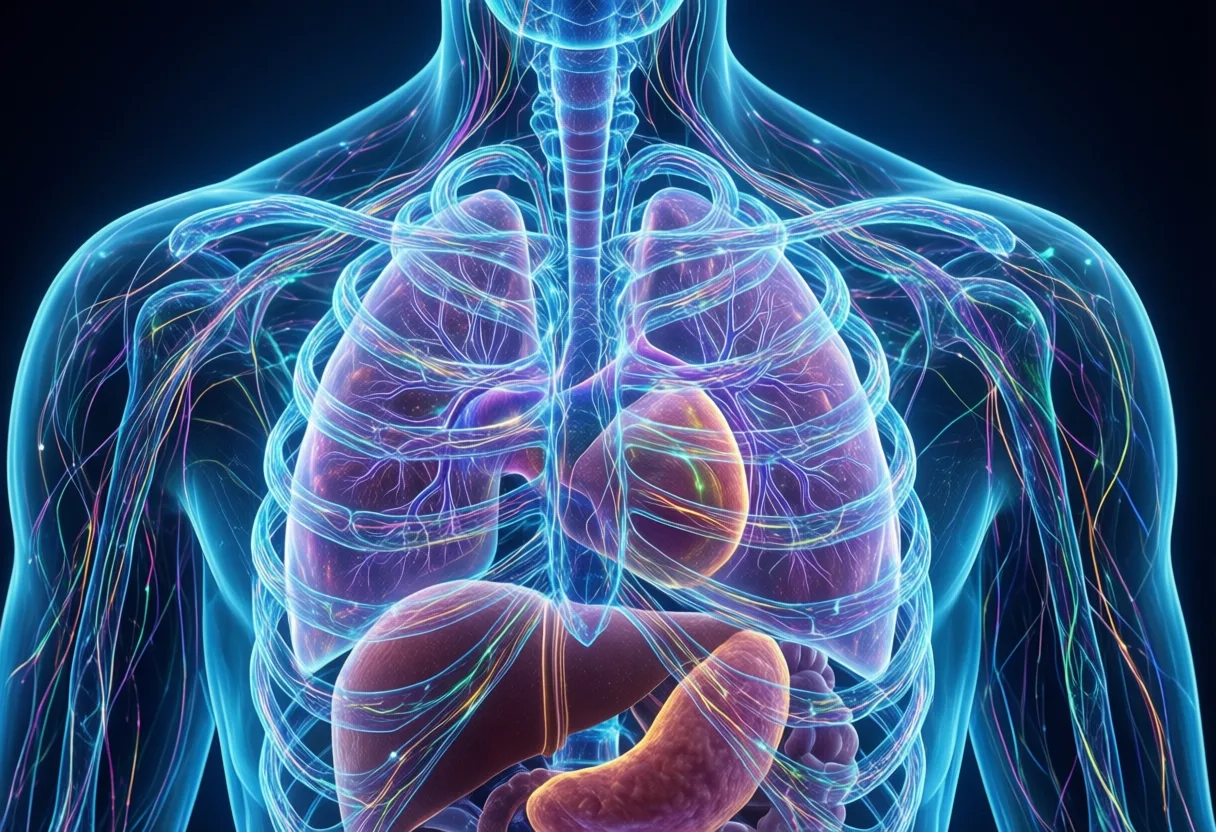
Artificial Intelligence In Healthcare Transhforms Patient Diagnosis And Treatment Accuracy
Imagine a world where a machine doesn’t just assist doctors-but Anticipates Disease before symptoms scream for attention. Where early detection isn’t a luxury of timing, but a standard of care. That world isn’t coming. It’s already here.
How AI Is Reshaping the Diagnostic Landscape in Modern Medicine
Hospitals once relied solely on human eyes peering through microscopes, ears pressed to stethoscopes. Today, algorithms scan millions of data points in Seconds. What took days now takes milliseconds. And the margin for error? Shrinking-fast.
Can a computer really outdiagnose a seasoned physician? Not replace-but Augment. Think of AI as a co-pilot trained on every medical journal, imaging study, and clinical trial ever published. It doesn’t get tired. It doesn’t skip subtle patterns. And it doesn’t miss the faintest shadow on a lung scan that could mean Early-stage cancer.
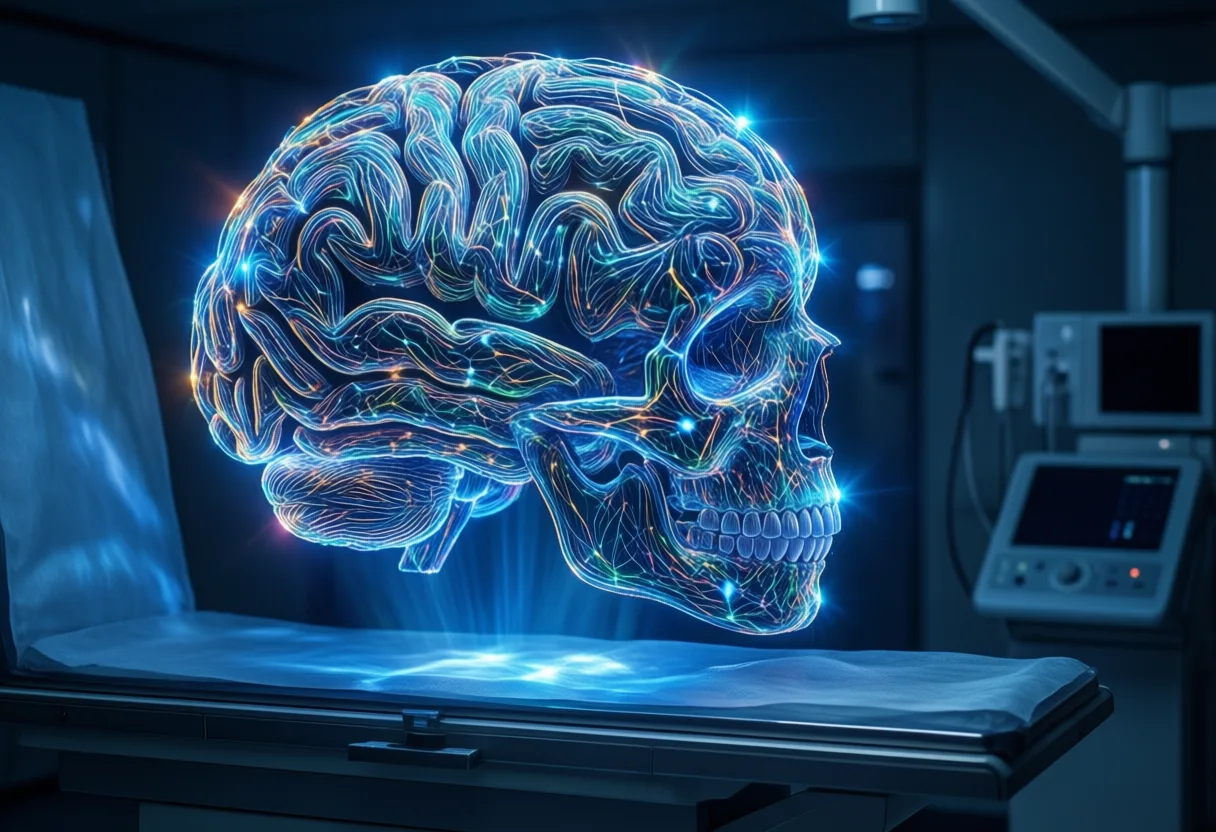
Consider radiology. A single CT scan generates thousands of slices. Doctors must comb through each, under pressure, with fatigue lurking. AI systems, trained on vast imaging libraries, flag anomalies in real time-highlighting tumors, bleeds, or fractures with unblinking precision. The result? Faster reads. Fewer missed calls. Better outcomes.
- AI reduces diagnostic delays in time-sensitive conditions like stroke.
- It enhances consistency across different hospitals and reading specialists.
- Subtle changes in imaging over time-once nearly impossible to track-now trigger alerts.
Pathology is undergoing a similar revolution. Slides once examined under glass now get pixel-level analysis. Algorithms detect cellular irregularities invisible to the human eye. Breast cancer biopsies, prostate tissue samples, cervical smears-each scanned, scored, and prioritized by machines that never blink.
And it’s not just about speed. It’s about scale. One pathologist can review dozens of slides a day. An AI system? Thousands. This isn’t cold automation. It’s Amplified humanity-freeing doctors to focus on patients, not pixel grids.
But the real power lies in integration. AI doesn’t work in isolation. It pulls from electronic records, lab results, genomics, and wearable data. A patient’s history, lifestyle, and biomarkers converge into a single predictive model. The question shifts from “What’s wrong?” To “What’s next?”
Early sepsis detection. Diabetic retinopathy in remote clinics. Depression signals in speech patterns. These aren’t sci-fi tropes. They’re live deployments in real hospitals, changing how medicine is practiced-quietly, efficiently, relentlessly.
Still, challenges remain. Bias in training data. Regulatory hurdles. The need for transparency in black-box decisions. But the trajectory is undeniable. AI in diagnostics isn’t a disruptor. It’s an evolution. One that’s already saving lives-one algorithm at a time.
How Smart Machines Are Changing Medicine
Seeing What the Eye Might Miss
AI is getting really good at spotting things in medical images that even experienced doctors can overlook. In radiology, algorithms can scan X-rays, MRIs, and CT scans in seconds, flagging potential tumors, fractures, or signs of stroke with impressive precision. Some systems trained on thousands of retinal scans can detect early signs of diabetic eye disease-sometimes before symptoms appear-helping prevent vision loss. It’s like having a second pair of ultra-sharp eyes that never get tired.
Speeding Up Diagnosis, One Algorithm at a Time
In emergency rooms and clinics, AI tools are cutting down wait times by prioritizing urgent cases. When a patient arrives with chest pain, AI can quickly analyze ECG results and alert clinicians to possible heart attacks faster than traditional methods. In some hospitals, AI-powered sepsis detectors continuously monitor vital signs and lab results, catching subtle warning signs hours earlier than usual. That speed can make a real difference when every minute counts.
Learning from Data, Not Just Textbooks
Unlike humans, AI doesn’t rely on memory or textbooks-it learns patterns from massive amounts of real-world health data. By analyzing millions of anonymized patient records, it can identify trends in how diseases progress or how patients respond to certain drugs. This helps doctors choose more effective treatments and predict complications before they happen. Think of it as a super-observant assistant that’s read every medical chart ever written and remembers them all. Explore more stories, videos, and creators on Loaded.
Frequently Asked Questions
How is AI improving diagnostic accuracy in radiology?
AI systems analyze CT scans, X-rays, and MRIs in seconds, flagging tumors, bleeds, or fractures with high precision. They detect subtle anomalies like early-stage cancer shadows that might be missed by human eyes.
Can AI help detect diseases before symptoms appear?
Yes, AI can identify early signs of conditions like diabetic eye disease and sepsis by analyzing imaging and vital signs before symptoms become apparent, enabling earlier intervention.
How does AI support pathologists in analyzing tissue samples?
AI performs pixel-level analysis of pathology slides, detecting cellular irregularities invisible to the human eye and processing thousands of samples faster than a human pathologist.
What role does AI play in monitoring patient health over time?
AI integrates data from electronic records, lab results, and wearables to monitor trends, detect subtle changes, and predict complications such as sepsis or disease progression.
This article was produced with AI assistance. How Neuron Magazine uses AI.
Malik dissects how artificial intelligence transforms decision-making in governments and corporations, tracking algorithmic power shifts and policy gaps. He writes with clarity and urgency, making high-stakes tech strategy accessible without oversimplifying its risks.