How AI Is Reshaping the Diagnostic Landscape in Medicine
The quiet hum of a CT scanner once marked the outer limit of diagnostic precision-a snapshot in time, interpreted by eyes trained through years of study. Now, beneath that same hum, another kind of intelligence is listening: algorithms parsing pixels, detecting patterns invisible to human perception, and offering answers before symptoms fully emerge. This is not science fiction; it is the unfolding reality of modern medicine, where data flows like blood through digital veins, and early warnings pulse silently across networks long before a Patient Feels unwell.
Diagnostic medicine Has always been a race against time. A delayed interpretation, a missed shadow on a scan, an overlooked shift in vital signs-each can alter outcomes irreversibly. Today, tools powered by machine learning are transforming this race, not by replacing physicians, but by amplifying their judgment with speed, consistency, and depth. These systems do not tire, nor do they suffer from cognitive overload during overnight shifts. Instead, they persist-watching, comparing, learning-with a patience no human could sustain.
And yet, for all its promise, this transformation is not without tension. The integration of algorithmic insight into clinical decision-making raises urgent questions about trust, transparency, and equity. Who verifies the unseen logic behind a diagnosis? Can we ensure these tools serve everyone equally, especially those already marginalized by Healthcare systems? As we weave Artificial Intelligence deeper into the fabric of diagnostics, we must do so not as passive recipients of progress, but as vigilant stewards of both innovation and ethics.

7 Ways Artificial Intelligence Is Changing Diagnostic Medicine Today
Interpreting X-rays and Scans with Unprecedented Speed and Accuracy
Radiology departments are often overwhelmed, burdened by backlogs that delay critical interventions. Algorithms now assist radiologists by triaging imaging studies-flagging potential abnormalities in chest X-rays, brain MRIs, or bone scans-so urgent cases rise to the top within seconds. This prioritization allows clinicians to act faster, particularly in stroke or trauma scenarios where minutes determine recovery trajectories.
These systems learn from thousands of annotated images, recognizing subtle textures, densities, and asymmetries that even experienced eyes might overlook under pressure. They do not claim perfection, but their consistency across shifts and settings helps reduce variability in interpretations. Over time, such support may help standardize care across institutions, narrowing gaps between urban centers and rural clinics.
By accelerating detection and reducing false negatives, AI-driven image analysis becomes more than a convenience-it evolves into a safeguard, a second observer whose vigilance never wavers. Its presence doesn’t diminish the radiologist’s role; instead, it redefines it toward higher-level synthesis and patient-centered decisions. Explore how these capabilities fit into broader trends at Applications of Artificial Intelligence: Top 5 Uses Today.
Predicting Patient Deterioration Using Real-Time Vital Sign Analysis
In hospital wards and intensive care units, patients often decline gradually before sudden crises unfold. Traditional monitoring captures discrete data points-heart rate, oxygen saturation, temperature-but fails to integrate them into a unified warning signal. Machine learning models now analyze continuous streams of physiological data, identifying complex patterns that precede sepsis, respiratory failure, or cardiac arrest hours in advance.
This predictive power stems from the ability to detect micro-changes: a slight increase in breathing rate combined with a dip in blood pressure variability, occurring over two-hour intervals too subtle for bedside staff to notice. When aggregated, these signals form a coherent narrative of deterioration long before alarms sound. Early alerts enable preemptive treatment, potentially avoiding ICU transfers altogether.
Such systems operate quietly in the background, feeding insights into electronic health records or nurse dashboards without disrupting Workflow. Their strength lies not in autonomy, but in augmentation-offering foresight while preserving clinical discretion. For patients, this means fewer emergencies; for caregivers, it means breathing room to act before chaos erupts.
Enhancing Pathology Through Digital Tissue Analysis
Pathologists examine tissue samples slide by slide, searching for malignant cells hidden among millions of healthy ones. It is meticulous work, demanding focus and experience, yet prone to fatigue and inter-observer variation. Digitized pathology slides, paired with deep learning models, now allow computers to highlight regions of concern-detecting tumor margins, grading cancer severity, or identifying rare cell types with growing reliability.
These tools excel in quantification: counting mitotic figures, measuring immune cell infiltration, or mapping protein expression across tissue architecture. Such metrics, once subjective or labor-intensive, now become reproducible and scalable. In research settings, this enables faster drug development; in clinical labs, it supports more consistent diagnoses across different pathologists and institutions.
Still, the microscope remains sacred. Physicians retain final authority, using algorithmic suggestions as navigational aids rather than verdicts. The collaboration between human expertise and computational precision promises not only greater accuracy but also deeper biological understanding-revealing subtypes of disease masked by conventional classification.
Streamlining Early Detection of Neurodegenerative Conditions
Neurodegenerative diseases like Alzheimer’s and Parkinson’s remain elusive in their earliest phases, often diagnosed only after significant neural damage has occurred. Emerging AI models analyze diverse inputs-brain imaging, speech patterns, gait dynamics, and digital biomarkers collected via wearables-to detect deviations years before traditional methods would raise concern.
For instance, changes in vocal tremor or typing rhythm on smartphones may reflect motor or cognitive decline imperceptible in daily life. When processed collectively, these signals contribute to risk profiles that evolve over time, enabling earlier lifestyle interventions or enrollment in preventive trials. Longitudinal tracking becomes possible not through frequent clinic visits, but through ambient monitoring integrated into routine behavior.
This shift moves neurology from episodic assessment to continuous observation, fundamentally altering how we define “normal” aging versus pathological change. While definitive diagnosis still requires expert evaluation, early flagging ensures that when symptoms do appear, patients are already within a framework of care-not lost in diagnostic limbo.
Personalizing Cancer Screening Based on Genetic and Lifestyle Data
One-size-fits-all screening schedules fail to account for individual risk diversity. A 50-year-old with a strong family history and specific genetic markers faces vastly different odds than someone without those factors. AI models now synthesize genomic data, environmental exposures, medical history, and behavioral patterns to generate personalized screening timelines-recommending earlier or more frequent imaging, biopsies, or blood tests based on calculated risk.
This approach reduces unnecessary procedures for low-risk individuals while intensifying surveillance for those most vulnerable. It also adapts over time, recalibrating predictions as new data emerges-such as weight changes, smoking cessation, or updated genetic panels. Dynamic risk modeling transforms static guidelines into living protocols, responsive to the patient’s evolving biology.
Moreover, liquid biopsy technologies-analyzing circulating tumor DNA-are being enhanced by machine learning to distinguish noise from meaningful signals. Though still emerging, these techniques hold promise for non-invasive, real-time monitoring of cancer recurrence or treatment response, further personalizing care pathways beyond initial diagnosis.
Reducing Diagnostic Errors in High-Pressure Clinical Environments
Diagnostic error contributes to thousands of preventable deaths annually, often stemming from cognitive biases, incomplete histories, or information overload. In emergency rooms and intensive care units, where decisions cascade rapidly, AI-powered clinical decision support systems offer structured guidance-cross-referencing symptoms, lab results, and medication lists to suggest differential diagnoses that might otherwise be overlooked.
These tools function less like oracle machines and more like intelligent checklists, surfacing rare conditions or drug interactions that don’t align with initial assumptions. By prompting reconsideration of atypical presentations-such as autoimmune disorders mimicking infection-they encourage reflective thinking amid urgency. Their value isn't in overriding intuition, but in challenging it constructively.
Crucially, they perform best when seamlessly embedded in existing workflows, appearing as contextual prompts rather than disruptive pop-ups. Clinicians report higher confidence when supported by such systems, particularly when managing complex comorbidities or unfamiliar syndromes. The result is not automation, but cognitive resilience-a shared buffer against the limits of human fallibility.
Expanding Access to Expert-Level Diagnostics in Underserved Areas
Specialist shortages plague remote and resource-limited regions, where access to radiologists, oncologists, or neurologists can mean the difference between timely care and irreversible harm. Portable ultrasound devices paired with AI interpretation software now allow community health workers to conduct preliminary assessments in villages or mobile clinics, transmitting results instantly for review or immediate feedback.
Similarly, smartphone-based tools analyze retinal photos for diabetic retinopathy, screen ear infections via otoscope attachments, or interpret ECGs for arrhythmias-all guided by algorithms trained on global datasets. These applications democratize expertise, bringing high-quality diagnostic capability to places previously dependent on distant referrals and long wait times.
While infrastructure challenges remain-internet connectivity, device availability, regulatory approval-the trajectory is clear: AI flattens hierarchies of medical knowledge. What was once confined to academic hospitals may soon reside in a backpack carried by a nurse traversing mountain trails. Equity in diagnosis begins not with grand gestures, but with silent algorithms working in forgotten corners of the world.
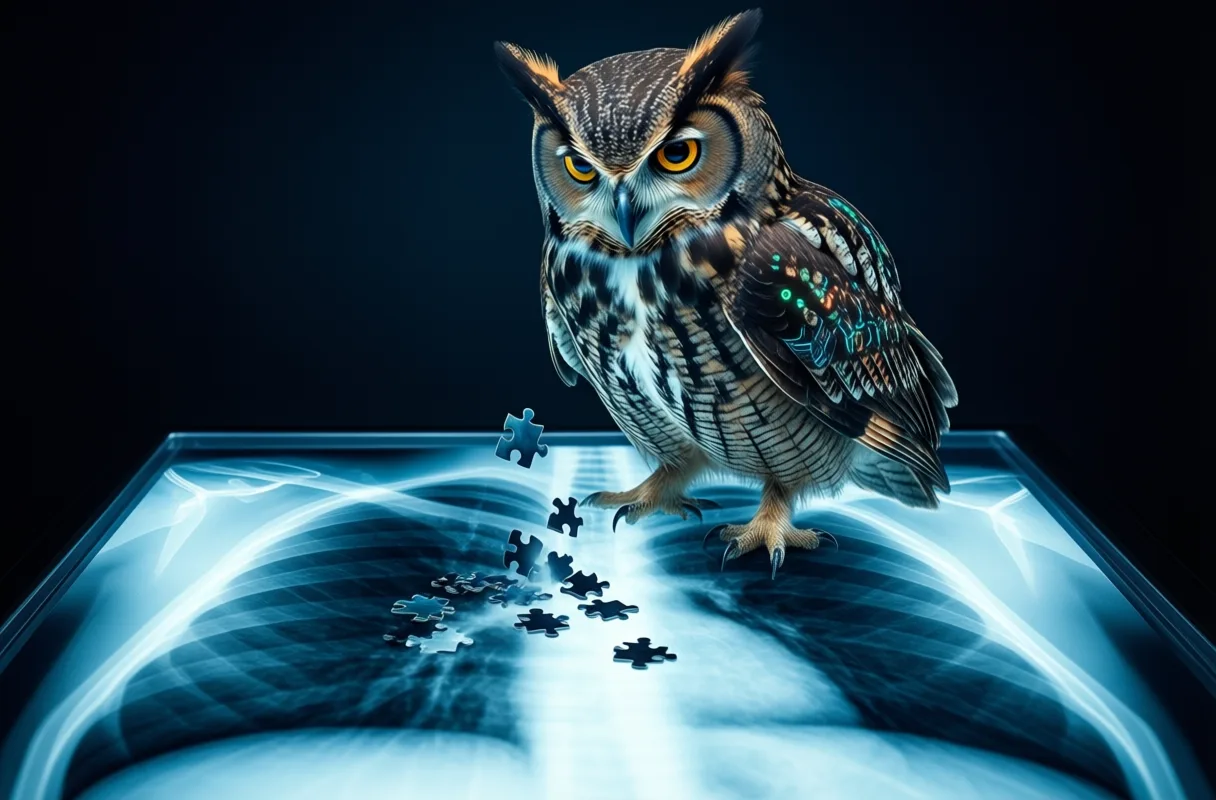
Beyond the Hype: Separating Myth from Reality in AI-Driven Diagnosis
Artificial Intelligence in diagnostics is often portrayed as either a savior or a threat-an infallible oracle destined to replace doctors or a flawed black box poised to mislead. Both narratives oversimplify a far more nuanced truth. Current systems are narrow in scope, excelling at specific tasks but lacking general understanding. They cannot empathize, explain, or adapt outside their training domains. Their brilliance is focused, not omniscient.
Many assume these tools operate autonomously, making independent diagnoses. In reality, nearly all approved applications function as decision-support tools, requiring clinician oversight. Regulatory bodies demand transparency, validation, and accountability-barriers that slow deployment but protect patient safety. True integration occurs not when AI acts alone, but when it enhances human judgment without eroding responsibility.
Another misconception is that AI eliminates bias. Yet if training data reflects historical inequities-underrepresentation of certain ethnic groups, gender disparities in cardiovascular studies-then algorithms may perpetuate or even amplify those flaws. Addressing this requires deliberate curation, ongoing auditing, and inclusive design practices. Progress here is incremental, not instantaneous.
Finally, there is the myth of immediacy. Despite rapid advances, widespread adoption faces hurdles: interoperability between health systems, reimbursement policies, clinician skepticism, and patient trust. Success depends not only on technical performance but on alignment with clinical values, ethical standards, and practical realities. The journey from prototype to practice is measured in years, not months.
What This Means for Patients and Practitioners Moving Forward
For patients, the rise of AI in diagnostics heralds a future of earlier detection, fewer errors, and more personalized care plans. It means waiting less for test results, receiving more accurate explanations, and accessing specialist-level insight regardless of geography. But it also demands new forms of engagement-consenting to data use, understanding algorithmic limitations, and maintaining agency in decisions shaped by machines.
Practitioners face transformation, not obsolescence. Radiologists, pathologists, and primary care providers will increasingly collaborate with intelligent tools, shifting their roles toward interpretation, communication, and holistic management. Medical education must evolve accordingly, emphasizing data literacy, systems thinking, and ethical reasoning alongside traditional clinical skills.
Health systems, meanwhile, must invest not just in technology, but in governance. Clear protocols for validating, monitoring, and updating AI tools are essential. So too are mechanisms for redress when algorithms err. Trust grows not from perfection, but from transparency and accountability-qualities that must be designed into every layer of implementation.
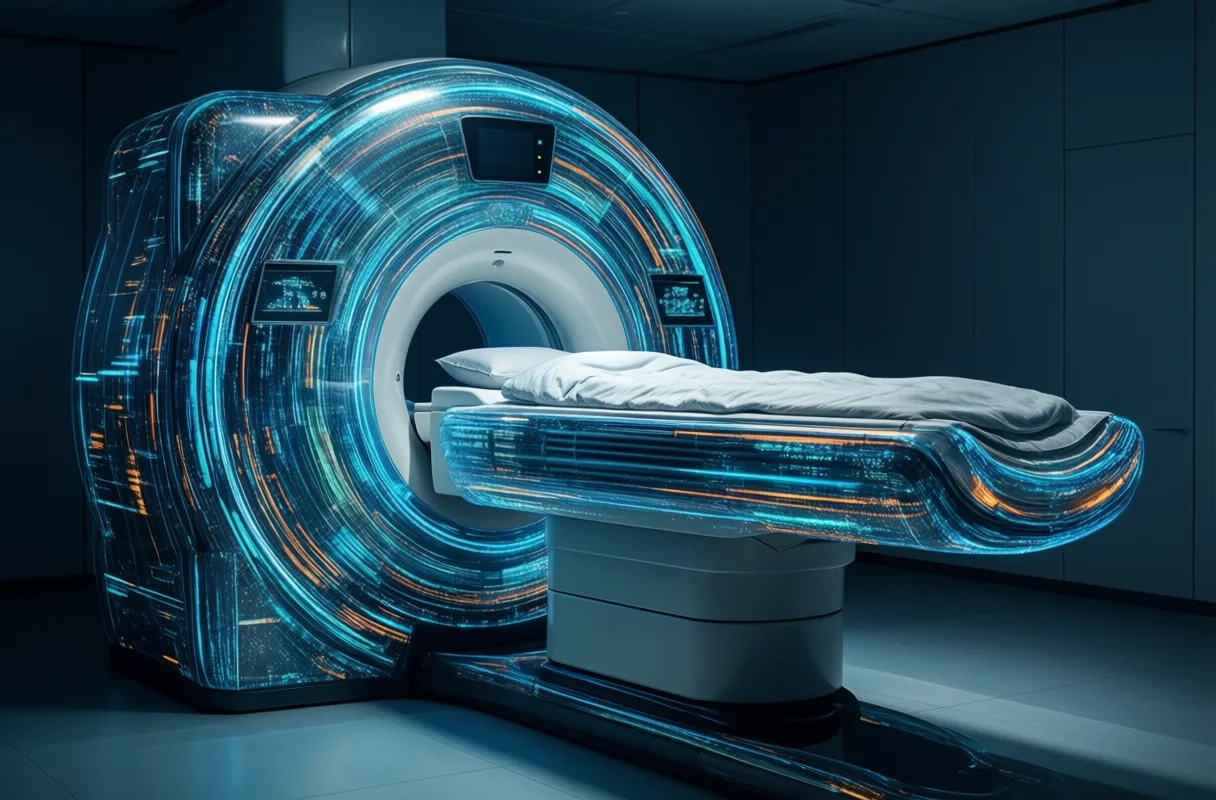
The Future Isn’t Automated-It’s Augmented
We stand at the threshold of a new diagnostic era-one defined not by cold computation, but by deeper human insight enabled by silicon allies. Machines do not dream of cures, feel the weight of a prognosis, or hold a trembling hand after bad news. Those moments remain ours. But what they can do-analyze vast datasets, detect imperceptible shifts, and scale wisdom across borders-is revolutionary in its own right.
The goal was never to replace the healer, but to free them from drudgery and distraction, so attention returns where it belongs: to the patient, the story, the sacred space between symptom and soul. In this vision, Artificial Intelligence does not dominate medicine-it dignifies it. Not by taking over, but by lifting up.
As we move forward, let us measure progress not by how fast algorithms run, but by how well they serve humanity-especially its most vulnerable. Let us build systems that reflect our highest ideals: fairness, compassion, rigor. Because the future of diagnosis isn’t just smarter machines. It’s better care, woven together by human hands and guided by quiet, relentless intelligence.
| Diagnostic Area | AI Function | Patient Impact |
|---|---|---|
| Medical Imaging | Detects subtle patterns in X-rays, MRIs, CTs | Faster detection of cancers, strokes, bleeds |
| Vital Sign Monitoring | Analyzes real-time data for early warnings | Predicts sepsis, cardiac arrest before crises |
| Digital Pathology | Highlights tumor regions, grades cancer severity | More consistent, reproducible tissue analysis |
| Neurodegenerative Disease | Tracks speech, gait, digital biomarkers | Enables diagnosis years earlier than usual |
| Cancer Screening | Personalizes timelines using genetics, lifestyle | Reduces unnecessary tests, targets high risk |
| Clinical Decision Support | Suggests differential diagnoses in emergencies | Reduces cognitive bias and missed conditions |
| Underserved Care | Powers smartphone tools for remote diagnosis | Brings specialist-level analysis to rural areas |
How AI Is Quietly Revolutionizing Medical Checkups
Seeing What the Eye Might Miss
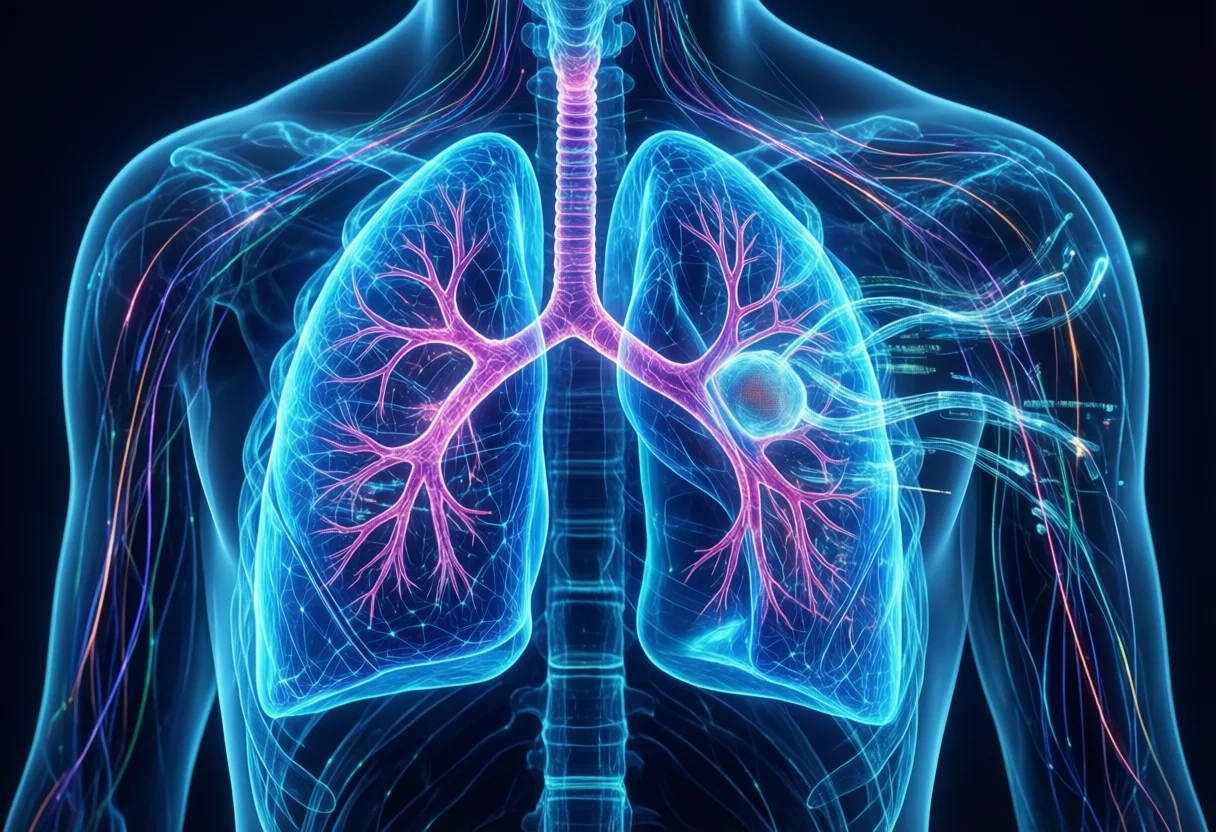
AI isn’t replacing doctors, but it’s giving them super-powered assistants-especially when it comes to reading scans. Machine learning models can spot tiny patterns in X-rays, MRIs, and CT images that might slip past even the most experienced radiologist. For example, some systems are already helping detect early signs of lung cancer or brain bleeds faster than traditional methods, buying precious time for treatment. These tools learn from thousands of anonymized medical images, getting better at recognizing abnormalities without ever feeling tired.
Smarter Screens, Faster Results
Think about routine screenings like mammograms or eye exams for diabetic patients-areas where catching issues early makes a huge difference. AI programs now assist by analyzing retinal photos for signs of vision-threatening conditions, sometimes identifying risks before symptoms appear. In dermatology, algorithms help flag suspicious moles that warrant a closer look. It’s not about instant diagnoses; it’s about prioritizing cases so urgent ones don’t get lost in the shuffle. This kind of support helps clinics handle more patients without sacrificing accuracy.
Beyond Imaging: Predicting Health Trends
AI’s role isn’t limited to pictures-it’s also spotting trends in data. By reviewing electronic health records, lab results, and even notes from doctor visits, smart systems can predict which patients might be at higher risk for conditions like heart failure or sepsis before they become emergencies. Hospitals using these tools have seen improvements in response times and patient outcomes. While AI doesn’t understand illness like a human does, its ability to connect subtle dots across massive datasets adds a new layer of proactive care to modern medicine. Explore more stories, videos, and creators on Loaded.
Frequently Asked Questions
How is AI improving the accuracy of medical imaging interpretation?
AI analyzes X-rays, MRIs, and CT scans with high precision, detecting subtle patterns invisible to the human eye. It learns from thousands of images and helps reduce false negatives by acting as a consistent second observer.
Can AI predict serious health events before they happen?
Yes, AI models analyze real-time vital signs and electronic health records to detect early warning signs of sepsis, heart failure, or respiratory decline. These systems can alert clinicians hours in advance, enabling earlier intervention.
How does AI support early detection of diseases like Alzheimer’s?
AI uses brain imaging, speech patterns, gait dynamics, and digital biomarkers from wearables to identify early deviations. These signals help detect neurodegenerative conditions years before traditional diagnosis.
Is AI replacing doctors in diagnostic medicine?
No, AI is not replacing physicians. It serves as a decision-support tool that enhances human judgment by reducing errors, improving speed, and expanding access, while clinicians retain final authority.
This article was produced with AI assistance. How Neuron Magazine uses AI.
Zahra explores the frontiers of human enhancement, from neural implants to gene editing, with a focus on ethical implications and lived experience. She blends scientific rigor with intimate storytelling to illuminate how technology reshapes identity and lifespan.