
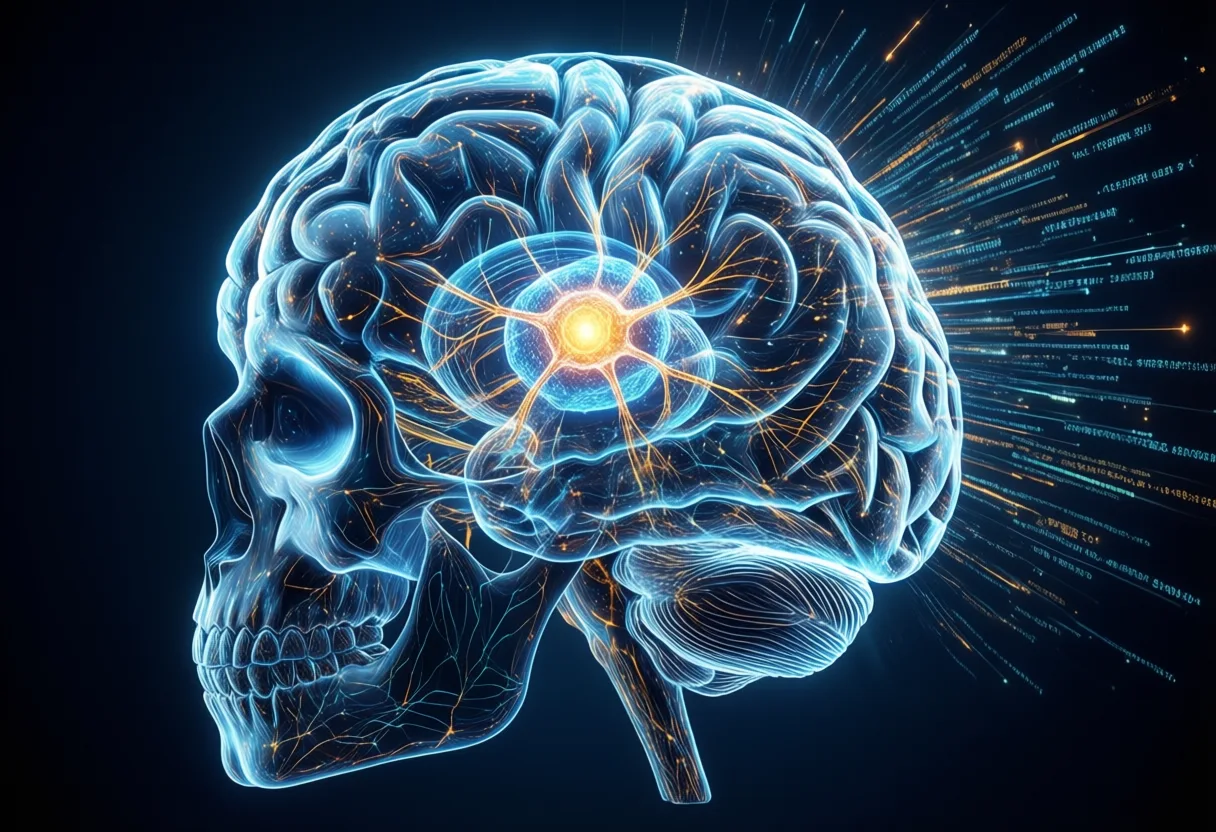
How AI Is Reshaping Diagnostic Accuracy in Clinical Settings
In dimly lit reading rooms where radiologists once leaned over lightboxes like monks deciphering ancient texts, a quiet revolution hums through server-cooled air-algorithms now parse pixels with inhuman precision, detecting anomalies invisible to even the most trained eye. This is not science fiction; it is the unfolding reality of Modern medicine, where computational systems augment human judgment, reducing diagnostic errors that have long shadowed clinical practice.
Subtle shifts in tissue density, faint echoes in cardiac rhythms, imperceptible changes in cellular morphology-these are the whispers of disease that often go unheard. Machine learning models, trained on vast repositories of anonymized Patient data, can detect these signals with a consistency no human can match, offering a new benchmark for diagnostic reliability. They do not tire, nor are they swayed by fatigue or cognitive bias, allowing for a level of objectivity that elevates the entire diagnostic chain.
Yet accuracy is not merely about speed or sensitivity-it is also about context. The most advanced systems today do not replace clinicians but instead act as co-pilots, flagging areas of concern and allowing physicians to focus their expertise where it matters most. In oncology, cardiology, and neurology, early adopters report fewer missed diagnoses and tighter turnaround times, suggesting that the synergy between human intuition and algorithmic rigor may be medicine’s next great leap.
Early Detection Through Pattern Recognition in Medical Imaging
Medical imaging has always been as much an art as a science, demanding both technical skill and interpretive finesse. But the human eye, limited by biology, can overlook early signs of pathology buried within complex Visual data. Now, deep learning networks trained on millions of scans can identify patterns associated with tumors, strokes, and degenerative conditions long before symptoms manifest.
These systems excel in detecting minute changes across time-comparing baseline MRIs to follow-ups with pixel-level scrutiny, noting subtle atrophy in brain structures or microcalcifications in breast tissue that might escape notice during high-volume reading sessions. In some trials, such tools have flagged early-stage lung nodules with sensitivity rates exceeding traditional methods, offering Patients A critical window for intervention when treatment is most effective.
- Algorithms analyze spatial relationships, texture gradients, and density variations across modalities like CT, MRI, and X-ray
- Longitudinal tracking enables detection of disease progression at subclinical levels
- Integration into PACS systems allows seamless workflow alignment without disrupting radiologist routines
What was once considered noise-faint shadows, ambiguous borders-now holds signal. And as these tools become more refined, they are shifting the paradigm from reactive diagnosis to proactive surveillance, particularly in high-risk populations.
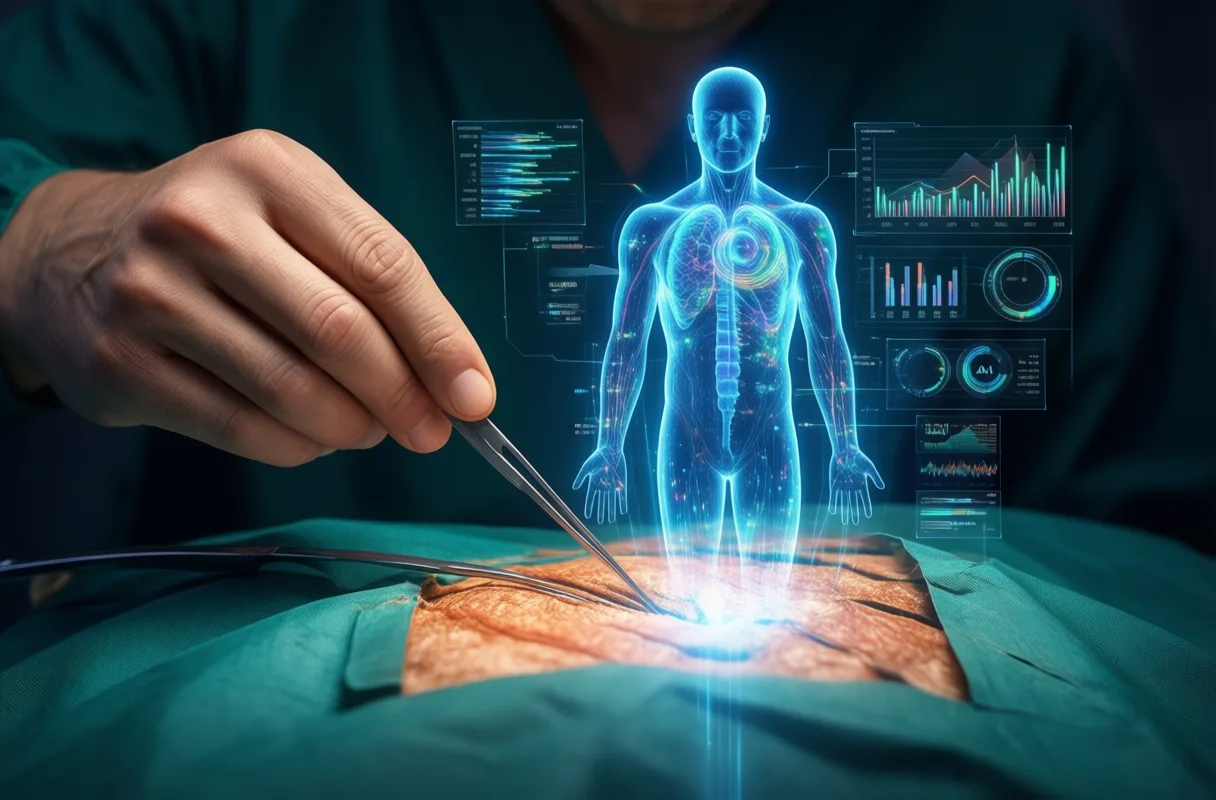
Beyond Radiology: Applications in Pathology and Dermatology
The reach of intelligent systems extends far beyond the radiology suite, quietly transforming fields where visual assessment remains foundational. In pathology, where diagnosis hinges on the microscopic evaluation of tissue samples, digital slide scanners paired with AI-driven analysis are accelerating the identification of malignant cells, reducing inter-observer variability that has long plagued the discipline.
Whole-slide imaging allows algorithms to traverse thousands of cells in seconds, highlighting regions with atypical nuclear morphology or abnormal mitotic activity-features strongly correlated with malignancy. Pathologists, rather than sifting through endless fields of benign tissue, can now direct their attention to pre-flagged zones, improving both diagnostic speed and consistency, especially in resource-constrained settings.
In dermatology, teledermatology platforms enhanced with pattern recognition software enable preliminary assessments of skin lesions using standard smartphone images. While not a substitute for biopsy, these tools help triage patients by estimating the likelihood of melanoma based on asymmetry, border irregularity, color variation, and diameter-criteria long embedded in clinical guidelines. The result is faster referrals for high-risk cases and reduced burden on specialists managing growing caseloads.
The Role of Machine Learning in Predicting Patient Outcomes
Diagnosis is only the beginning-what follows is prognosis, the uncertain art of forecasting how a disease will unfold. Here, machine learning models are proving invaluable, synthesizing diverse data streams-lab results, vital signs, genetic markers, and social determinants-to generate dynamic risk profiles that evolve with the patient.
Unlike static scoring systems, these models adapt in real time, recalibrating predictions as new information flows in from electronic health records. A patient admitted with pneumonia might be flagged for imminent septic shock hours before clinical deterioration becomes apparent, enabling preemptive ICU transfer and targeted interventions that improve survival odds.
- Predictive analytics identify high-risk individuals for chronic conditions like diabetes and heart failure
- Early warnings reduce preventable hospitalizations and optimize resource allocation
- Risk stratification supports personalized care pathways tailored to individual trajectories
By turning hindsight into foresight, these tools are redefining what it means to practice preventive medicine in an era of data abundance.
Challenges in Integration: Data Privacy and Regulatory Hurdles
For all their promise, intelligent diagnostic systems navigate a labyrinth of ethical and logistical constraints. At the heart of the matter lies patient data-sensitive, personal, and irreplaceable-whose use in training algorithms demands rigorous safeguards against misuse, re-identification, and unauthorized access.
Healthcare institutions Must balance innovation with compliance, ensuring that data sharing adheres to strict privacy frameworks without stifling research. The anonymization process itself is imperfect; sophisticated techniques can sometimes reverse-engineer identities from seemingly de-identified datasets, raising concerns about consent and long-term accountability.
Moreover, regulatory pathways for approving these tools remain fragmented, with varying standards across regions and specialties. Unlike pharmaceuticals, which follow a linear development pipeline, software-based diagnostics evolve continuously through updates and retraining, challenging traditional notions of validation and oversight. Without clear, adaptive frameworks, deployment risks lagging behind technological capability.
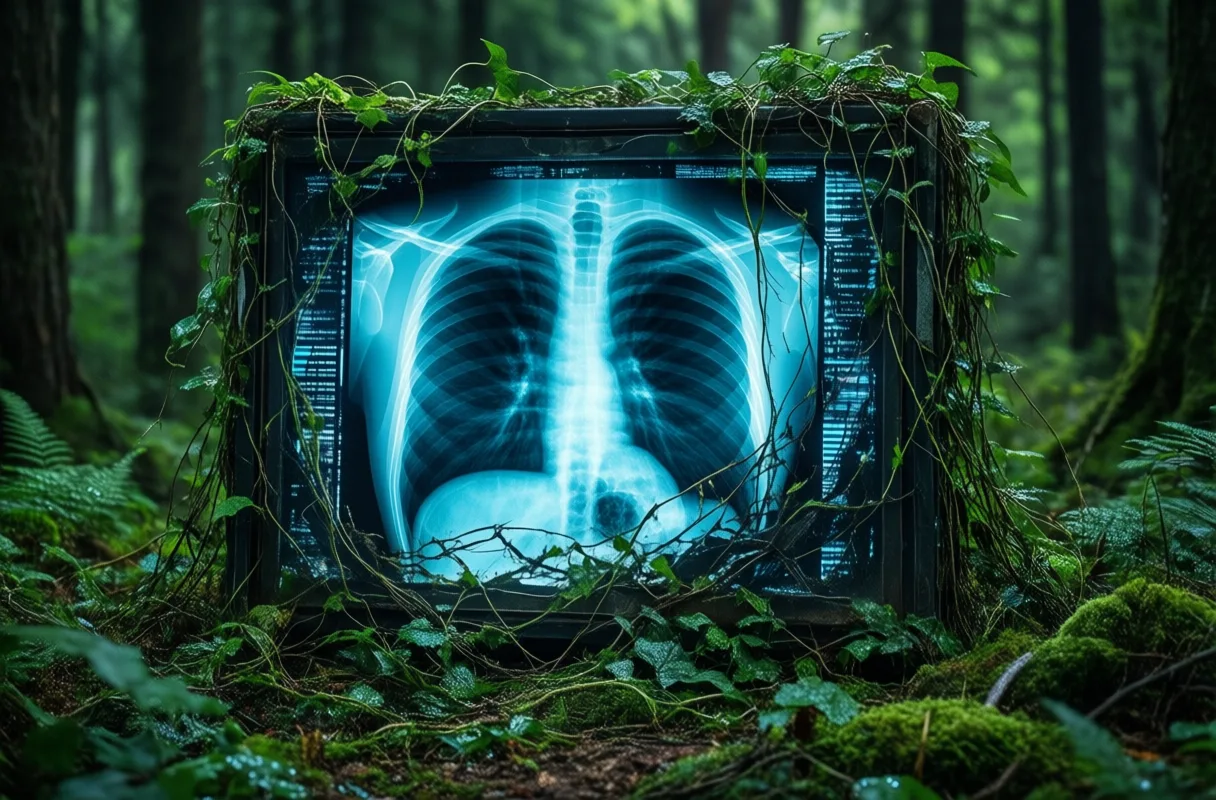
Human Oversight in Automated Diagnostic Systems
No algorithm operates in a vacuum, nor should it. The most effective implementations Treat automation Not as autonomy but as augmentation-systems designed to support, not supplant, clinical judgment. Even the most accurate model can falter when faced with rare conditions, atypical presentations, or poor-quality inputs, underscoring the irreplaceable role of human oversight.
Clinicians serve as the final arbiters, contextualizing algorithmic outputs within the broader narrative of a patient’s life-their history, values, and lived experience. A flagged lesion may meet all radiological criteria for malignancy, but only a physician can weigh the risks of biopsy against a patient’s comorbidities and personal preferences.
This partnership demands transparency: clinicians must understand how a recommendation was reached, what data informed it, and where uncertainty persists. Black-box models, while powerful, erode trust when they offer answers without explanation. The future belongs to interpretable systems-those that reveal their reasoning in ways clinicians can scrutinize, challenge, and ultimately trust.
Real-World Impact on Workflow Efficiency in Hospitals
In overstretched hospitals, where time is the scarcest resource, intelligent tools are proving transformative not just in accuracy but in efficiency. Automated preliminary reads, structured reporting templates, and prioritized worklists allow radiologists to focus on complex cases while routine studies move swiftly through the pipeline.
Emergency departments benefit particularly, where rapid triage can mean the difference between recovery and catastrophe. A suspected stroke patient’s scan, once queued among dozens, can now be escalated instantly if an algorithm detects large vessel occlusion, triggering the neurointervention team before the radiologist even opens the study.
- Preliminary reports generated in seconds reduce documentation burden
- Critical findings are flagged and routed to appropriate specialists automatically
- Turnaround times for time-sensitive diagnoses have improved measurably in pilot programs
These gains compound across shifts and specialties, freeing clinicians to engage in higher-order decision-making and patient interaction-tasks that demand empathy, nuance, and moral reasoning no machine can replicate.
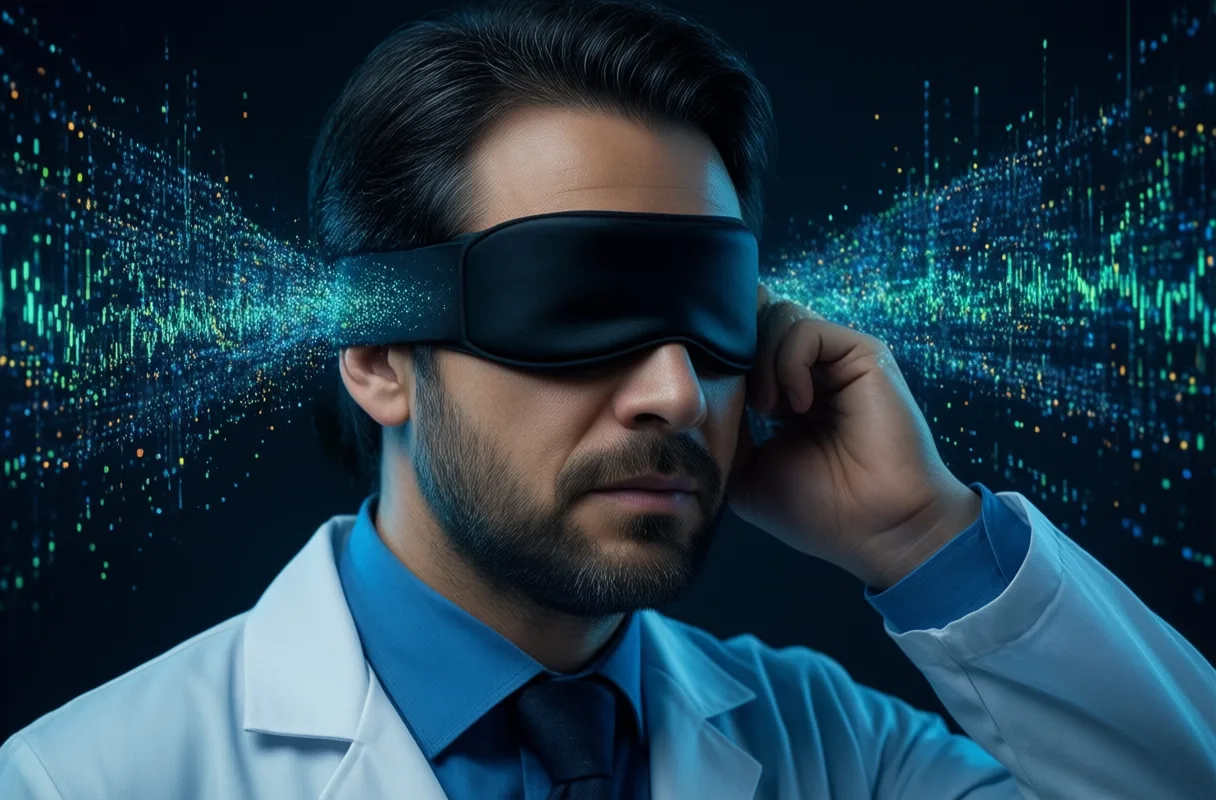
Addressing the Myth of Full Automation in Diagnosis
Despite sensational headlines, full automation in medical diagnosis remains a distant prospect-if it is achievable at all. Disease is not a puzzle with a single solution but a dynamic interplay of biology, behavior, and environment, shaped by variables too complex for any system to fully capture. Algorithms detect patterns; humans interpret meaning.
There is danger in overreliance-a clinician who defers too readily to a machine may miss the outlier case, the subtle clue that defies algorithmic logic. Worse, blind trust can erode diagnostic vigilance, creating a feedback loop where errors go uncorrected because they are assumed to be correct.
The goal is not to build machines that think like doctors, but to create tools that help doctors think better. This requires humility on both sides: engineers acknowledging the limits of data, and clinicians embracing assistance without abdicating responsibility. The future of diagnosis is not human versus machine, but human With Machine.
Building Trust Between Clinicians and Intelligent Systems
Trust is not granted; it is earned through consistency, transparency, and shared purpose. For clinicians, adopting intelligent tools means confronting deeply ingrained habits and confronting fears of obsolescence. For developers, it means designing not just for performance, but for usability, explainability, and alignment with clinical workflows.
Successful integration occurs when systems are co-designed with frontline providers-when radiologists, pathologists, and dermatologists help shape the interfaces, thresholds, and alerts that govern their daily practice. Tools developed in isolation, no matter how technically advanced, often fail in real-world settings due to poor fit or lack of contextual awareness.
Education plays a crucial role: clinicians need not become data scientists, but they must understand the principles behind the tools they use. Training programs that demystify machine learning, explain its strengths and limitations, and emphasize collaborative decision-making are essential for widespread adoption.
What the Future Holds for AI-Augmented Medical Practice
The trajectory is clear: medicine is becoming increasingly data-driven, and intelligent systems will continue to expand their role in diagnosis, prognosis, and care coordination. But the essence of healing-compassion, judgment, presence-remains resolutely human.
In the coming decade, we may see ambient listening tools transcribe patient encounters and suggest differential diagnoses in real time, or wearable sensors feeding continuous physiological data into predictive models that alert clinicians to silent declines. Genomic integration could allow for hyper-personalized screening protocols, where risk assessment begins before symptoms arise.
What will endure is the partnership-the delicate alchemy between machine precision and human wisdom. The stethoscope did not replace the physician’s ear; it refined it. So too will these tools refine our perception, extend our reach, and deepen our understanding. Not as masters, but as allies in the enduring pursuit of health.
Smarter Scans and Faster Answers
AI isn’t just predicting what movie you’ll watch next-it’s now helping doctors spot diseases earlier and more accurately than ever. Think of it as a super-powered assistant for radiologists and pathologists, tirelessly scanning through thousands of medical images looking for tiny clues humans might miss. These systems learn by analyzing vast numbers of past scans, recognizing subtle patterns linked to conditions like cancer or heart disease, often flagging issues before symptoms even appear.
Seeing the Unseen in Medical Images
Some AI tools can detect signs of lung cancer in CT scans with precision that matches or even beats experienced radiologists. Others analyze retinal photos to catch early signs of diabetic eye disease, potentially saving sight with timely intervention. It’s not about replacing doctors, but giving them a sharper lens. One system, trained on millions of skin images, helps dermatologists assess moles for melanoma risk, acting like a second pair of highly trained eyes.
Speeding Up the Diagnosis Game
Beyond spotting disease, AI slashes the time it takes to get answers. In emergencies, like suspected strokes, every minute counts. AI algorithms can instantly review brain scans and alert the stroke team if a clot is detected, speeding up life-saving treatment. Labs also use AI to automate routine tasks, like counting blood cells or identifying bacteria, freeing up technicians for more complex work and getting test results back faster. This blend of speed and accuracy is quietly reshaping how quickly patients get the care they need. Explore more stories, videos, and creators on Loaded.
Frequently Asked Questions
How is AI improving diagnostic accuracy in healthcare?
AI systems analyze medical images and data with high precision, detecting subtle patterns and anomalies that may be missed by human eyes. These tools reduce diagnostic errors and improve consistency across readings.
Can AI replace radiologists or pathologists?
No, AI does not replace clinicians but acts as a co-pilot by flagging areas of concern and streamlining workflows. Human oversight remains essential for final interpretation and patient-specific decision-making.
What role does AI play in early disease detection?
AI identifies early signs of diseases like cancer, stroke, and diabetic eye disease by analyzing imaging and longitudinal data before symptoms appear. This enables earlier intervention when treatment is most effective.
What are the challenges in adopting AI in clinical settings?
Challenges include ensuring data privacy, managing imperfect anonymization, navigating fragmented regulatory standards, and maintaining clinician trust through transparency and explainability in AI systems.
This article was produced with AI assistance. How Neuron Magazine uses AI.
Zahra explores the frontiers of human enhancement, from neural implants to gene editing, with a focus on ethical implications and lived experience. She blends scientific rigor with intimate storytelling to illuminate how technology reshapes identity and lifespan.