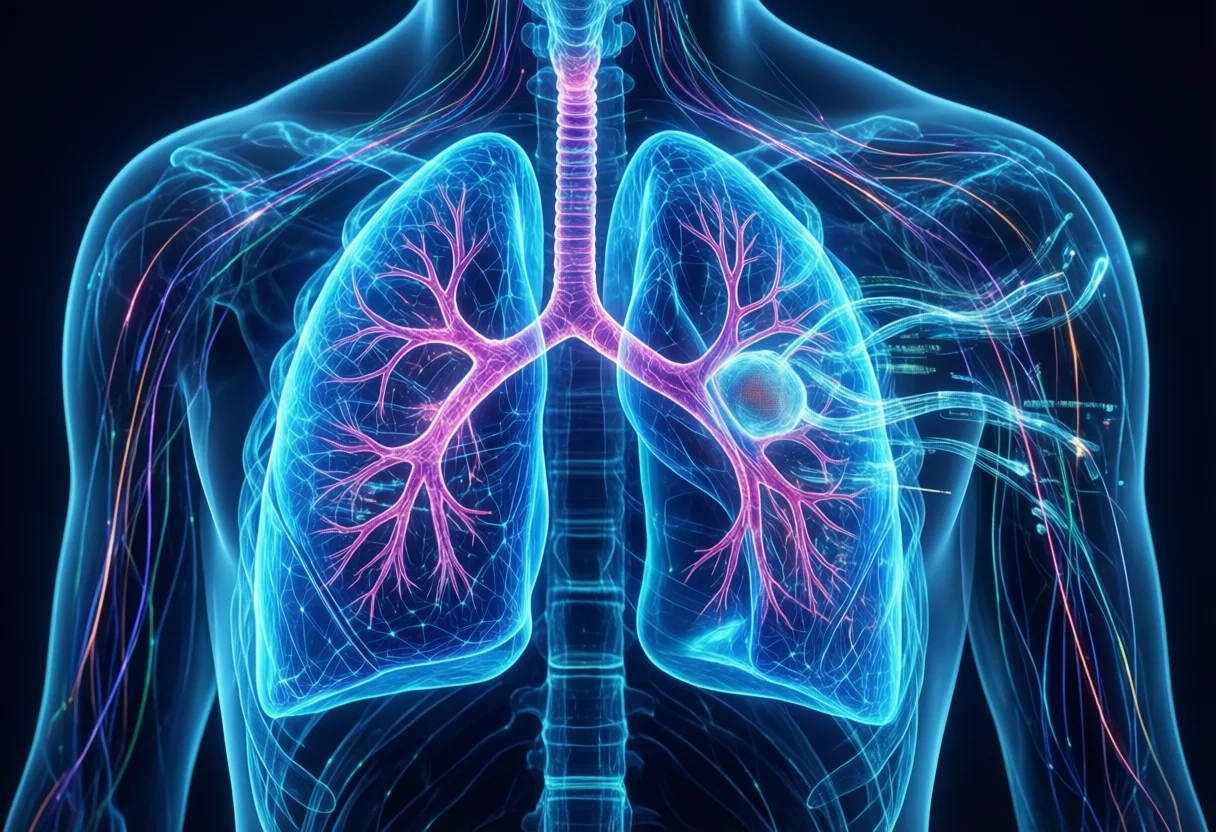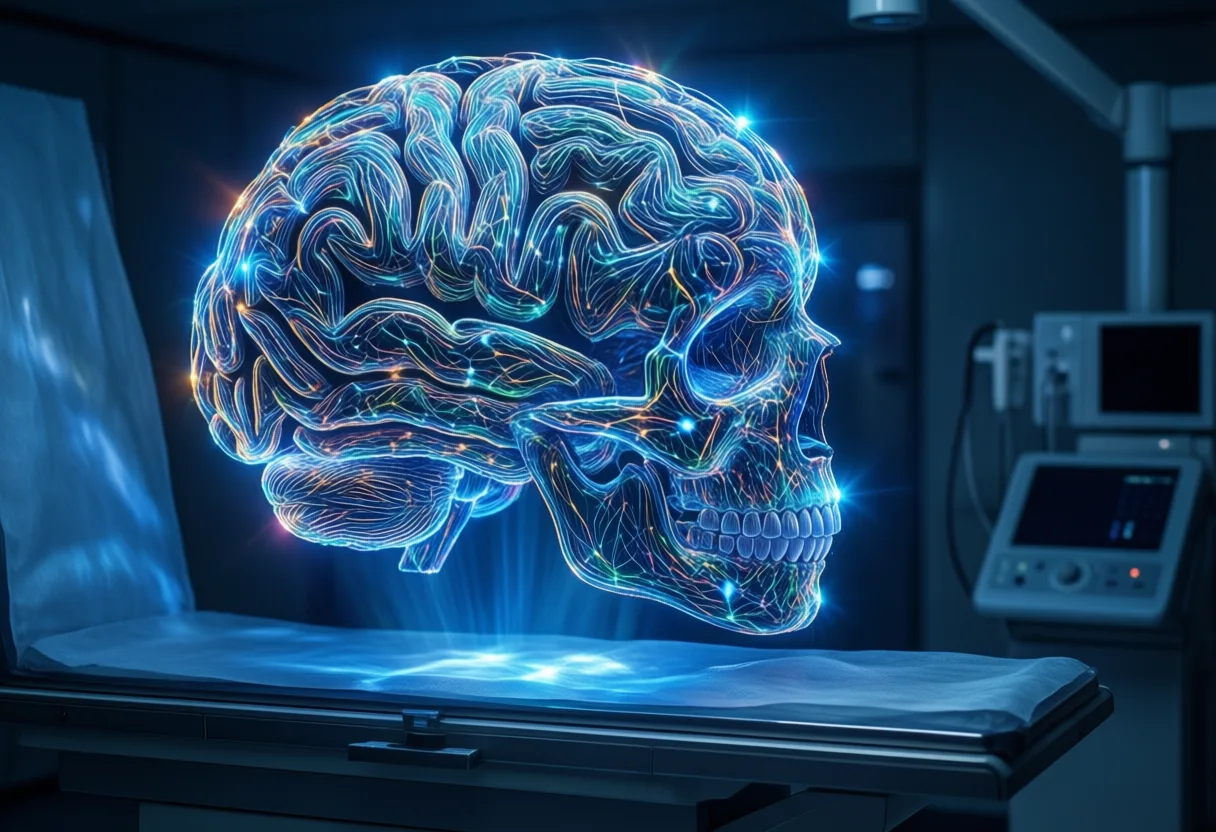
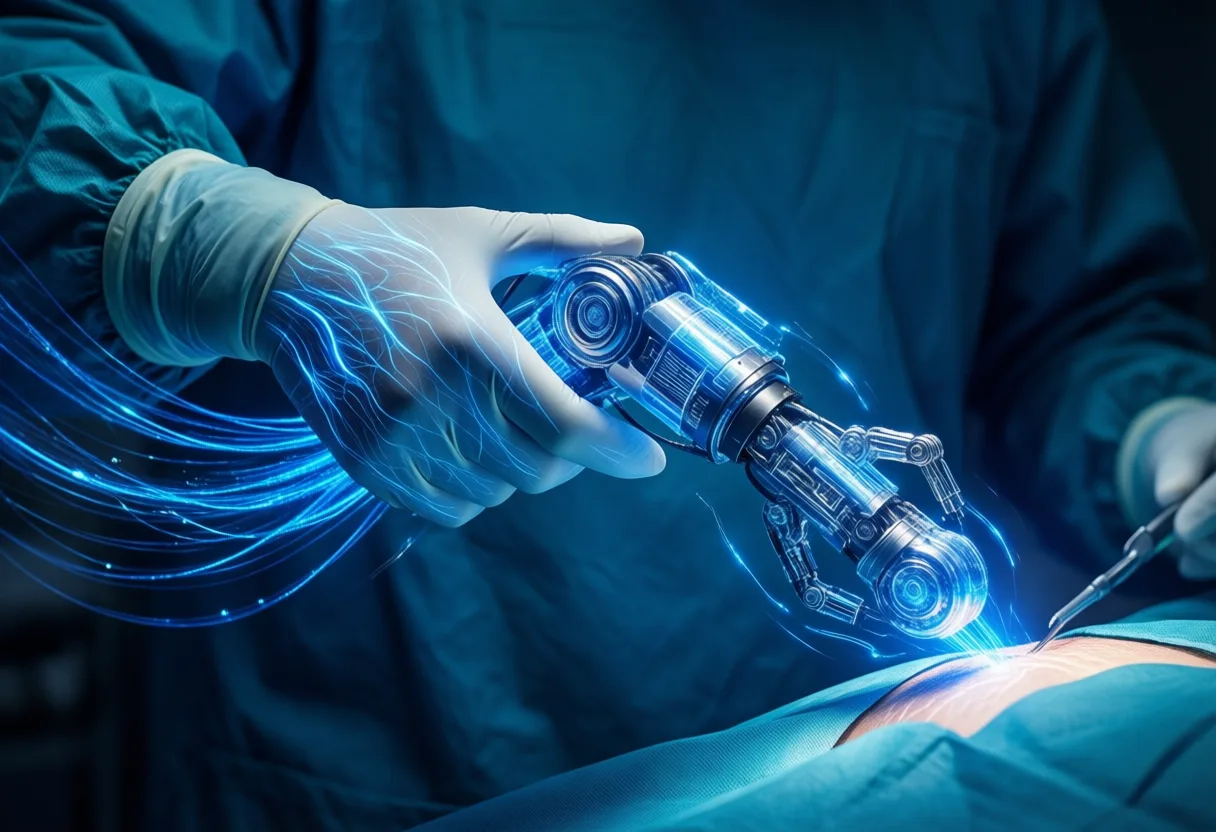
In operating rooms lit by the cool glow of monitors, surgeons now guide robotic arms with precision once thought impossible-assisted not by human hands, but by algorithms trained on millions of Patient records. In hospital basements where file cabinets once groaned under paper charts, silent servers now hum with real-time diagnostics, predicting sepsis hours before symptoms appear. This quiet revolution isn’t just changing how medicine is practiced-it’s reshaping who works in it, as A new generation of roles emerges at the intersection of code and care.
The Quiet Transformation of Medical Practice
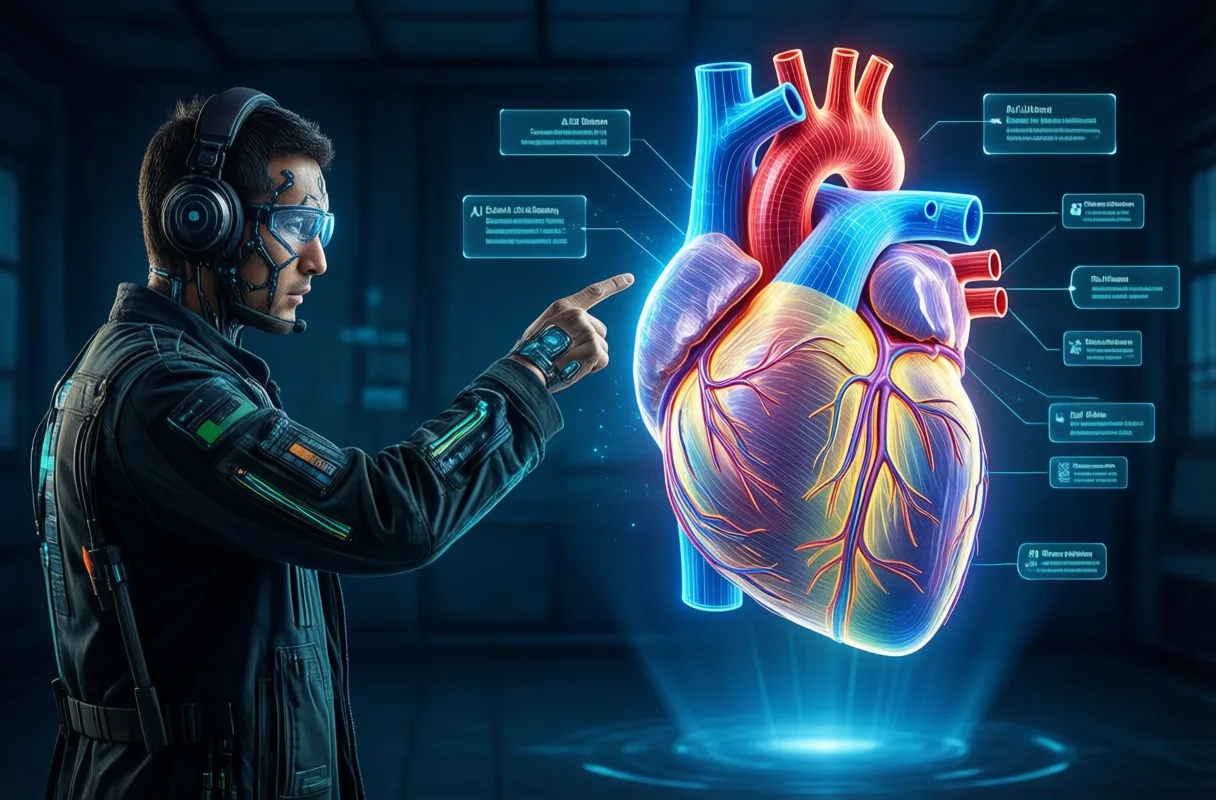
Hospitals are no longer hiring only doctors, nurses, and technicians-they’re building teams that include machine learning engineers, clinical data annotators, and AI integration specialists. These professionals don’t wear scrubs, but their work pulses through every ward, refining imaging analysis, optimizing treatment plans, and reducing Diagnostic errors. Algorithms trained on vast datasets can now flag early signs of diabetic retinopathy in retinal scans or detect subtle anomalies in chest X-rays that might escape even seasoned radiologists.
What makes this shift profound isn’t just speed or efficiency-it’s the redefinition of medical responsibility. When an AI flags a potential tumor, who interprets the alert? When predictive models suggest withholding aggressive treatment for palliative care, who explains it to the family? These questions demand A Hybrid workforce Fluent in both biology and binary, capable of translating probabilistic outputs into human decisions. The rise of such roles reflects not displacement, but evolution-a migration from purely reactive care toward anticipatory, data-informed medicine.
Behind the scenes, natural language processing tools transcribe doctor-patient conversations in real time, freeing clinicians from documentation burdens. Meanwhile, reinforcement learning models simulate drug interactions, accelerating research timelines. Each innovation spawns new positions: AI safety auditors ensuring models don’t drift from clinical guidelines, regulatory compliance analysts navigating FDA pathways for algorithmic tools, and ethics coordinators weighing bias in training data. These aren’t futuristic fantasies-they are today’s job postings, quietly filling in academic medical centers and tech-forward clinics.
Automation’s Expanding Reach Beyond the Clinic
While healthcare Offers one of the most visible arenas for change, automated intelligence is equally transforming industries where precision and repetition once defined human labor. Factories once dominated by assembly lines now host fleets of autonomous mobile robots guided by computer vision, adjusting workflows in real time based on supply chain fluctuations. Logistics hubs use predictive analytics to reroute shipments before delays occur, minimizing waste and energy consumption.
In agriculture, drones equipped with multispectral sensors monitor crop health across thousands of acres, feeding data into models that recommend irrigation adjustments down to the square meter. These systems don’t replace farmers-they augment them, demanding new expertise in data interpretation, sensor maintenance, and model validation. Workers who once operated tractors now oversee entire digital ecosystems, interpreting dashboards that track soil moisture, pest migration, and yield forecasts.
Even traditionally creative fields feel automation’s touch. Architects use generative design software to explore structural possibilities within environmental constraints, iterating faster than manual drafting allowed. Film studios employ AI-assisted editing tools that analyze pacing and audience engagement patterns, helping directors refine cuts without losing artistic intent. In each case, the technology doesn’t erase jobs-it shifts their focus from execution to curation, from routine to refinement.

Navigating the Human Dimensions of Technological Shifts
Yet for all its promise, this transformation carries moral weight. As machines assume more cognitive tasks, we must ask not only what they Can Do-but what they Should. Bias embedded in training data can lead to disparities in care, particularly when models are built on populations unrepresentative of global diversity. An algorithm trained primarily on lighter skin tones may fail to detect melanoma in darker complexions; one calibrated on male cardiac symptoms might overlook heart disease in women.
Transparency becomes paramount. Patients deserve to know when decisions affecting their bodies stem from algorithmic inference, not just clinical judgment. Similarly, workers displaced by automation require pathways into emerging roles-not through vague promises of “reskilling,” but through structured education, equitable access, and institutional support. The future of work isn’t determined by code alone, but by The values encoded into its deployment.
Moreover, the psychological impact of collaborating with non-human agents warrants attention. Surgeons relying on robotic assistants report both awe and unease-a sense of partnership tinged with dependence. Factory supervisors managing AI-driven workflows describe a new kind of vigilance, constantly verifying system behavior while trusting its outputs. These experiences underscore a deeper truth: technology does not operate in isolation. It enters relationships-with people, institutions, and histories shaped by inequality and aspiration alike.
Preparing for a Future Woven With Intelligence
The path forward demands interdisciplinary fluency. Universities now offer joint degrees in biomedical informatics and clinical medicine, preparing graduates to bridge domains. Coding bootcamps partner with hospitals to train former medical coders as data pipeline managers. Professional societies develop standards for auditing AI performance, much like peer review governs scientific publication. These efforts reflect a growing recognition: Intelligence, whether artificial or human, functions best within frameworks of accountability and collaboration.
Policymakers, too, are beginning to respond. Regulatory bodies draft guidelines for validating AI tools in high-stakes environments, emphasizing reproducibility and explainability. Labor departments track emerging skill demands, aligning vocational programs with market needs. Still, progress remains uneven-governance struggles to keep pace with innovation, and access to training often follows existing socioeconomic divides.
Ultimately, the integration of intelligent systems into healthcare and industry is not a story of replacement, but of recalibration. It asks us to reimagine expertise, to expand our definition of caregiving, and to confront the ethical contours of decision-making in an age where logic circuits influence life outcomes. The jobs emerging today aren’t merely technical-they are deeply human, requiring empathy alongside engineering, wisdom alongside workflow optimization.
As we stand at this threshold, one truth becomes clear: the future will not be decided by algorithms alone. It will be shaped by the choices of those who design them, deploy them, and dare to question them. And in that act of questioning-persistent, humble, and rigorously compassionate-lies the enduring role of people in an increasingly intelligent world.
AI’s Rising Role in Health and Machines
More Than Just Coders
Artificial Intelligence Jobs aren’t just for computer scientists in tech hubs. These roles now span hospitals, manufacturing floors, and research labs, blending expertise in medicine, engineering, and data. From designing algorithms that spot tumors in scans to building robots that handle repetitive tasks in factories, AI professionals are solving real-world problems every day. Many of these positions didn’t exist a decade ago, showing how quickly the field is reshaping careers.
Fast-Growing and In-Demand
Healthcare is one of the fastest adopters of AI, fueling a surge in job openings for specialists who can train models to predict patient risks or streamline hospital operations. Automation in supply chains and production has also created high demand for engineers who can integrate AI into physical systems like self-guided warehouse vehicles. The need for people who understand both the technology and its practical use is growing faster than the talent pool can fill, making these some of the most sought-after roles in the current job market.
A Field Built on Curiosity
Many professionals in AI didn’t start in tech-some come from biology, psychology, or even philosophy. Their diverse backgrounds help shape ethical, effective AI systems that serve people better. One surprising fact: some AI trainers use gameplay mechanics to improve how systems learn, turning complex data tasks into puzzle-like challenges. This blend of creativity and logic makes the field dynamic and open to fresh ideas, proving that building smart machines takes a surprisingly human touch. Explore more stories, videos, and creators on Loaded.
Frequently Asked Questions
What new jobs are emerging due to AI in healthcare?
Hospitals are hiring machine learning engineers, clinical data annotators, and AI integration specialists. Other roles include AI safety auditors, regulatory compliance analysts, and ethics coordinators.
How is AI changing work in agriculture?
Drones with multispectral sensors monitor crop health and feed data into models. Farmers now interpret dashboards tracking soil moisture, pest migration, and yield forecasts.
Are AI systems replacing human workers in clinics and factories?
No, AI is augmenting human labor. It shifts focus from routine tasks to curation and refinement, requiring new expertise in data and system oversight.
What skills are important for new AI-related jobs?
Interdisciplinary fluency is key, including knowledge of biology, data, ethics, and engineering. Empathy and critical thinking are also essential alongside technical skills.
This article was produced with AI assistance. How Neuron Magazine uses AI.
Zahra explores the frontiers of human enhancement, from neural implants to gene editing, with a focus on ethical implications and lived experience. She blends scientific rigor with intimate storytelling to illuminate how technology reshapes identity and lifespan.