
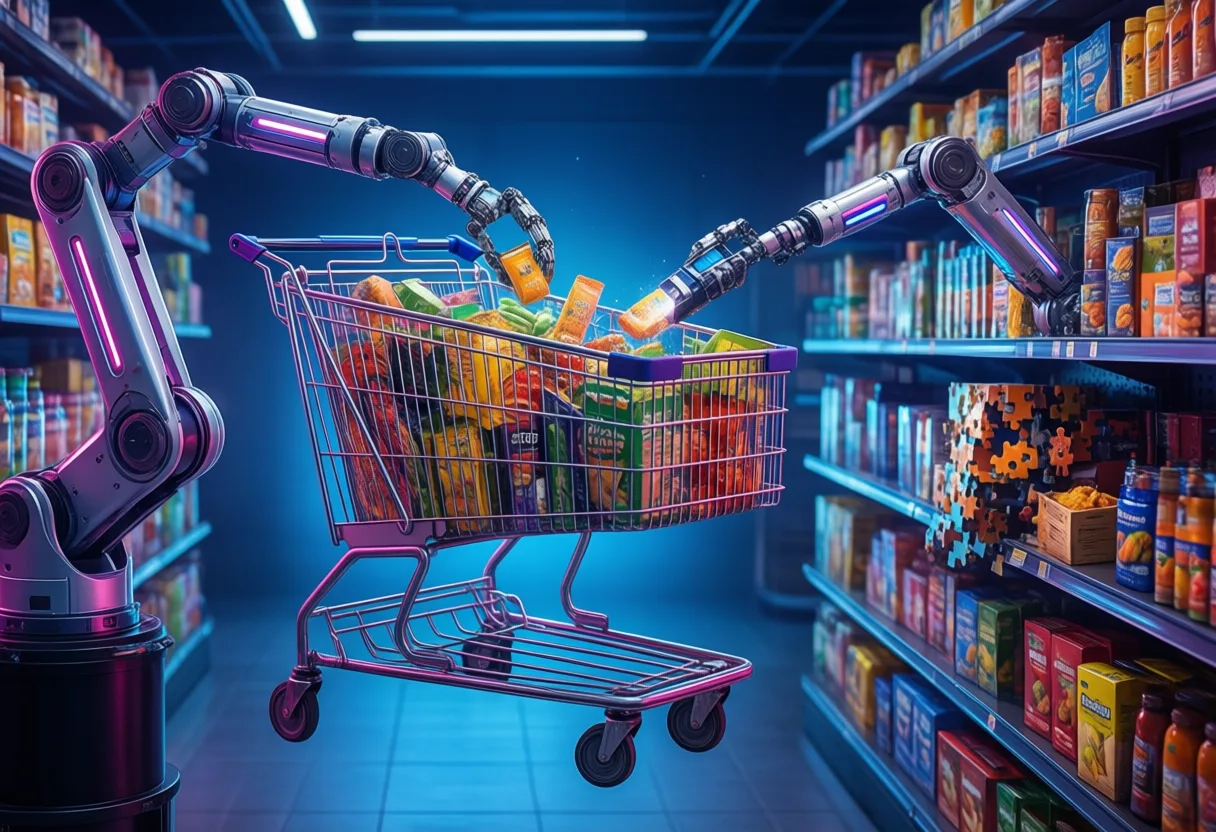
Imagine stepping into a Grocery store Where your shopping cart follows you, items whisper into a digital ledger as you touch them, and you walk out without ever fumbling for a wallet. This is not science fiction-it is the quiet revolution unfolding in retail, where artificial intelligence and ecommerce automation are dissolving the boundaries between physical shelves and digital intelligence. At the intersection of logistics, machine learning, and consumer behavior, a new ecosystem is emerging: one where stores operate with minimal human intervention, and online marketplaces run like self-sustaining organisms.
The Evolution of Retail: From Cashiers to Computer Vision
The first tremors of this transformation arrived with Amazon Go, a concept that redefined what a store could be. These locations were designed to be Cashierless, relying instead on a network of sensors, cameras, and algorithms to track which items customers picked up or returned to the shelves. While some locations retained the option for manual checkout, the core innovation was clear: the elimination of lines, receipts, and friction. This shift wasn’t merely about convenience-it signaled a deeper recalibration of how commerce could function when human oversight was no longer the default.
Underpinning this seamless experience is Just Walk Out Technology, a system developed by Amazon and powered by advanced AI and computer vision. As customers enter the store, they scan an app, and from that moment, the environment becomes an active participant in the transaction. Cameras and weight sensors monitor every interaction with products, while machine learning models interpret complex behaviors-such as a customer picking up a soda, hesitating, then putting it back. The system logs these decisions in real time, ensuring that only purchased items are charged upon exit. It’s a ballet of data, where every movement is interpreted, validated, and acted upon without a single spoken word.
This technology is not confined to Convenience stores. Its principles are being adapted for larger retail environments, stadiums, and even university campuses, suggesting a future where the physical act of shopping becomes nearly invisible. The implications extend beyond speed; they touch on labor, privacy, and the very definition of trust in a transaction. As these systems grow more sophisticated, they raise ethical questions about surveillance and autonomy-but also offer a glimpse of a world where commerce recedes into the background, allowing human experience to take center stage.
Behind the Screen: Ecommerce Automation in the Digital Marketplace
While physical stores embrace robotics and AI, the digital frontier of Amazon’s marketplace is undergoing its own quiet metamorphosis. Here, automation does not rely on cameras or sensors, but on algorithms that manage everything from product listings to inventory replenishment. Ecommerce automation Allows sellers to streamline operations by offloading repetitive tasks to software systems, freeing them to focus on strategy and growth. This is not about replacing humans, but augmenting their capacity to operate at scale.
Eleven core tasks are now routinely automated by successful Amazon sellers: generating product listing content, setting and adjusting prices, handling fulfillment, optimizing shipping, monitoring inventory, enhancing customer service through chatbots, managing reviews, tracking competitors, syncing data across platforms, updating catalog images, and even forecasting demand. Each of these functions, once requiring hours of manual labor, can now be executed in seconds by intelligent systems. For example, dynamic pricing Tools analyze Market fluctuations and adjust prices in real time to maintain competitiveness, while inventory monitors alert sellers before stock runs low, preventing lost sales.
Some entrepreneurs take this further by investing in Amazon automation services That manage entire storefronts. These third-party companies handle product sourcing, listing optimization, customer support, and logistics, effectively running an Amazon business on behalf of the owner. The model appeals to investors who want exposure to ecommerce without the day-to-day grind. As one provider notes, their service optimizes listings with appropriate titles and catchy descriptions, ensuring visibility in a crowded marketplace. This hands-off approach mirrors the broader trend toward asset-light entrepreneurship, where technology enables ownership without operational burden.

Building the Self-Operating Store: Tools and Trade-Offs
The tools enabling this automation are becoming increasingly accessible. Platforms like Axiom allow users to create custom bots that automate any website action-no coding required. Axiom users are making Amazon bots That track competitor pricing, scrape product data, or update listings automatically, turning what was once a technical challenge into a point-and-click operation. This democratization of automation means that even small sellers can compete with larger operations, leveling the playing field in ways that were unimaginable a decade ago.
Yet, with accessibility comes risk. The rise of Automated Amazon Stores has also attracted scams and overpromises-agencies claiming guaranteed profits or effortless wealth through “set-it-and-forget-it” models. The reality is more nuanced. While automation can reduce workload, it cannot eliminate the need for oversight, quality control, and strategic decision-making. A fully automated store still requires human judgment to navigate supply chain disruptions, respond to customer concerns, or adapt to algorithmic changes on the Amazon platform.
Moreover, the moral dimensions of automation cannot be ignored. As machines take over more roles, what becomes of the people who once performed them? The answer lies not in halting progress, but in guiding it with intention. Automation should not be a force of displacement, but a catalyst for reinvention-freeing humans from drudgery so they can engage in more creative, meaningful work. The most successful automated systems are not those that eliminate people, but those that elevate them.
The Future Is Already Here-And It’s Learning
The convergence of AI, robotics, and ecommerce automation is not a distant possibility. It is unfolding now, in stores where you walk out without checking out, and in online marketplaces where algorithms negotiate prices while you sleep. The Fully Automated Amazon store streamlines operations With Ai And Robotics is no longer a headline-it is a prototype for what comes next. As these systems grow more intelligent, they will not only respond to human behavior but anticipate it, learning from patterns to shape the future of consumption.
What remains constant is the need for clarity, ethics, and purpose. Technology, no matter how advanced, is only as valuable as the values it serves. In the hands of thoughtful builders, automation can reduce waste, increase access, and create new forms of economic opportunity. But left unchecked, it risks deepening inequality and eroding trust. The challenge ahead is not to build smarter machines, but to become wiser stewards of the systems we create.
The store of the future may have no cashiers, no shelves, perhaps no walls at all. But it will still need a conscience. And that, no algorithm can automate.
| Task | Function |
|---|---|
| Product listing content | Generates titles and descriptions |
| Pricing | Adjusts prices in real time |
| Inventory monitoring | Alerts before stock runs low |
| Fulfillment | Handles order processing |
| Shipping optimization | Improves delivery efficiency |
| Customer service | Uses chatbots for support |
| Review management | Tracks and responds to feedback |
| Competitor tracking | Monitors rival pricing and offers |
Inside the Machines: The Smarts Behind Hands-Off Shopping
No Lines, No Registers, Just Grab and Go
Imagine picking up your morning coffee and snacks without ever waiting in line. That’s the idea behind Amazon Go stores, where advanced AI and computer vision let shoppers grab what they need and walk out-no cashier required. While some locations still offer a manual checkout option, the real magic happens behind the scenes. Cameras and sensors track exactly which items you take from the shelves, and the system automatically charges your account when you leave. This tech, known as Just Walk Out, uses a mix of AI, computer vision, and sensor fusion-not just RFID-to keep tabs on inventory and purchases in real time.
The Invisible Helpers Running the Storefront
Running an Amazon store doesn’t always mean packing boxes or writing product titles. Many sellers use automation to handle repetitive tasks like adjusting prices, managing inventory, and optimizing shipping. Some even outsource the whole operation to third-party services that handle everything from sourcing products to crafting catchy descriptions and fine-tuning listings. With the right tools, entrepreneurs can build bots that automate website actions without writing a single line of code, saving hours each week. These systems quietly manage operations in the background, so sellers can focus on growth instead of daily grind.
From Physical Aisles to Digital Shelves
While Amazon Go brings automation into physical retail, the same principles apply online-just without the cameras tracking your every move. Ecommerce automation takes over key parts of selling, from generating product content to monitoring stock levels and processing fulfillment. It’s not about replacing human input entirely, but streamlining the process so decisions happen faster and mistakes happen less often. Whether it’s a cashierless store or a fully managed online shop, the goal is the same: make shopping and selling smoother, smarter, and surprisingly seamless. Explore more stories, videos, and creators on Loaded.
Frequently Asked Questions
How does Amazon Go's Just Walk Out Technology work?
Cameras, sensors, and AI track items customers take or return. When a customer leaves, the system automatically charges their account for the items they kept.
What tasks can be automated in an Amazon ecommerce store?
Automated tasks include generating product listings, adjusting prices, managing inventory, handling fulfillment, optimizing shipping, and monitoring competitors.
Can small sellers use automation tools without coding skills?
Yes, platforms like Axiom let users create bots to automate website actions without writing code, making automation accessible to non-technical sellers.
Are human workers still needed in Automated Amazon Stores?
Yes, human oversight is still required for strategic decisions, quality control, supply chain issues, and responding to customer concerns.
This article was produced with AI assistance. How Neuron Magazine uses AI.
Zahra explores the frontiers of human enhancement, from neural implants to gene editing, with a focus on ethical implications and lived experience. She blends scientific rigor with intimate storytelling to illuminate how technology reshapes identity and lifespan.