
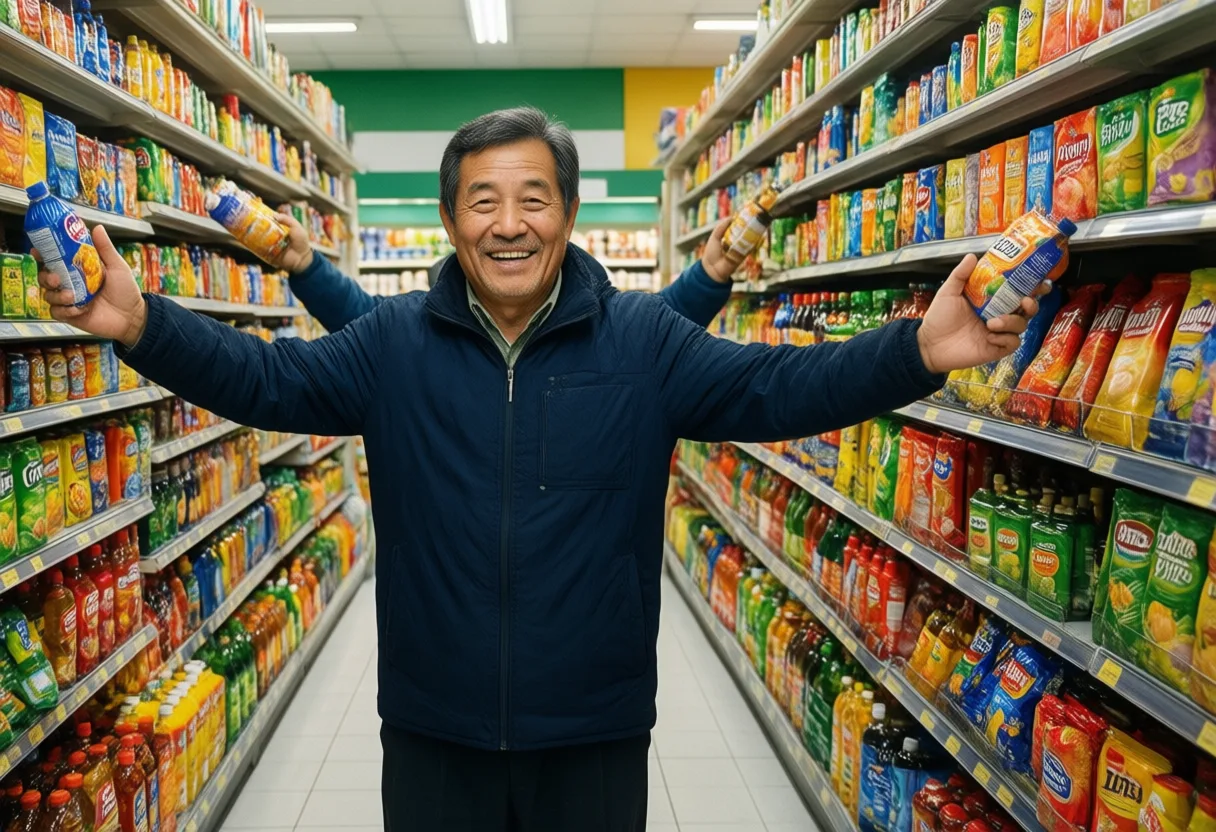
What if you could walk into a store, grab what you need, and leave-no lines, no scanning, no cashiers? What if the store knew Exactly What you took before your car even started?
This isn’t science fiction. It’s happening now-inside a new wave of retail spaces where Cameras see everything, Algorithms track Every move, and robots manage inventory in real time. Welcome to the era of intelligent commerce.
How One Store Redefined Shopping With Invisible Checkout
Imagine walking into a grocery store where your phone is your key, your receipt, and your payment method-all at once. You pick up a bottle of water. The system sees it. You add a sandwich. Logged. You change your mind and put it back. Adjusted.
That’s the core of Just Walk Out Technology. No app switching. No barcode waving. Just movement, observed and understood by AI. Shoppers enter by scanning a code in the Amazon app. From there, the store takes over.
Cameras mounted overhead, weight sensors on shelves, and advanced computer vision work in concert. Every action is interpreted in Real time. Did you take one apple or two? Did you hesitate, then return an item? The system knows. And when you leave, it charges your account automatically.
This isn’t just convenience. It’s a redefinition of trust between shopper and system. The store assumes you’re honest-but verifies every second with data.
Behind the Screens: Where AI Meets Grocery Aisles
So what’s really happening behind those sleek ceiling panels and unassuming shelves?
AI doesn’t just watch-it Learns. Each interaction trains the system to better distinguish between similar motions. Was that a hand reaching for chips, or brushing against them? Did a child lift a soda, or was it nudged by a cart?
The answer lies in Real-time pattern recognition. Thousands of data points are processed per second. Computer vision models trained on millions of hours of footage decode human behavior like a neuroscientist reading brain waves.
And it’s not just about tracking items. It’s about reducing friction. Fewer employees managing checkout means more can assist with restocking, customer support, or Quality control. Labor shifts from transactional tasks to experiential ones.
Yet the system isn’t flawless. Edge cases still exist. Two people reaching for the same item. A dropped product. A child placing something in a parent’s bag. These moments test the limits of perception-and push engineers to refine the next layer of intelligence.
Still, the math favors automation. Every misidentified item costs pennies. Every saved minute at checkout adds up across thousands of shoppers.

The Robotics Backbone of Modern Inventory
While customers shop seamlessly, another world hums beneath the surface-one ruled by machines.
In Amazon’s next-generation fulfillment centers, Proteus, a fully autonomous mobile robot, navigates dynamic environments without human guidance. It moves carts of packages across docks, avoiding obstacles and Workers alike. No rails. No pre-set paths. Just intelligent motion.
These robots aren’t just strong-they’re smart. They use sensor fusion to map surroundings in 3D, recalculating routes on the fly. Think of them as self-driving forklifts with a PhD in logistics.
Inside stores, robotics play a quieter role. Some locations integrate Automated mini-warehouses Within Whole Foods supermarkets. These compact systems store high-demand items and streamline restocking, cutting down aisle congestion and delivery frequency.
Inventory management, once a nightly manual chore, now happens continuously. Sensors flag low stock. Algorithms predict demand surges. Robots prepare replenishment kits before humans even notice a gap.
It’s a closed loop: observe, predict, act. All without a single email or spreadsheet.
Just Walk Out, Just Pay Automatically
You exit. No beep. No “thank you.” No final confirmation.
Moments later, a notification appears: Your trip is complete. $14.87 charged to your default card. A detailed receipt follows-photos of each item, timestamps, even which shelf they came from.
This is Just Walk Out In full effect. Powered by AWS, it combines computer vision, deep learning, and sensor fusion to automate the entire shopping journey.
No PIN. No wallet. No decision fatigue at the register.
Behind this simplicity is staggering complexity. The system must maintain accuracy across lighting changes, crowded aisles, and unpredictable human behavior. It does so by fusing multiple data streams:
- Overhead cameras tracking hand movements
- Shelf weight sensors detecting removals
- RFID tags verifying high-value items
- App-based identity linking person to purchase
And it scales. The same Tech works In small convenience formats and large grocery layouts. Third-party retailers can license it. Airports, stadiums, corporate cafeterias-all viable targets.
But scaling also raises questions. What about privacy? Accessibility? Systemic bias in AI detection? These aren’t bugs. They’re design challenges baked into the rollout.
For now, the trade-off stands: Convenience for constant observation. Most accept it. But acceptance isn’t consent.
When the Store Runs Itself-Almost
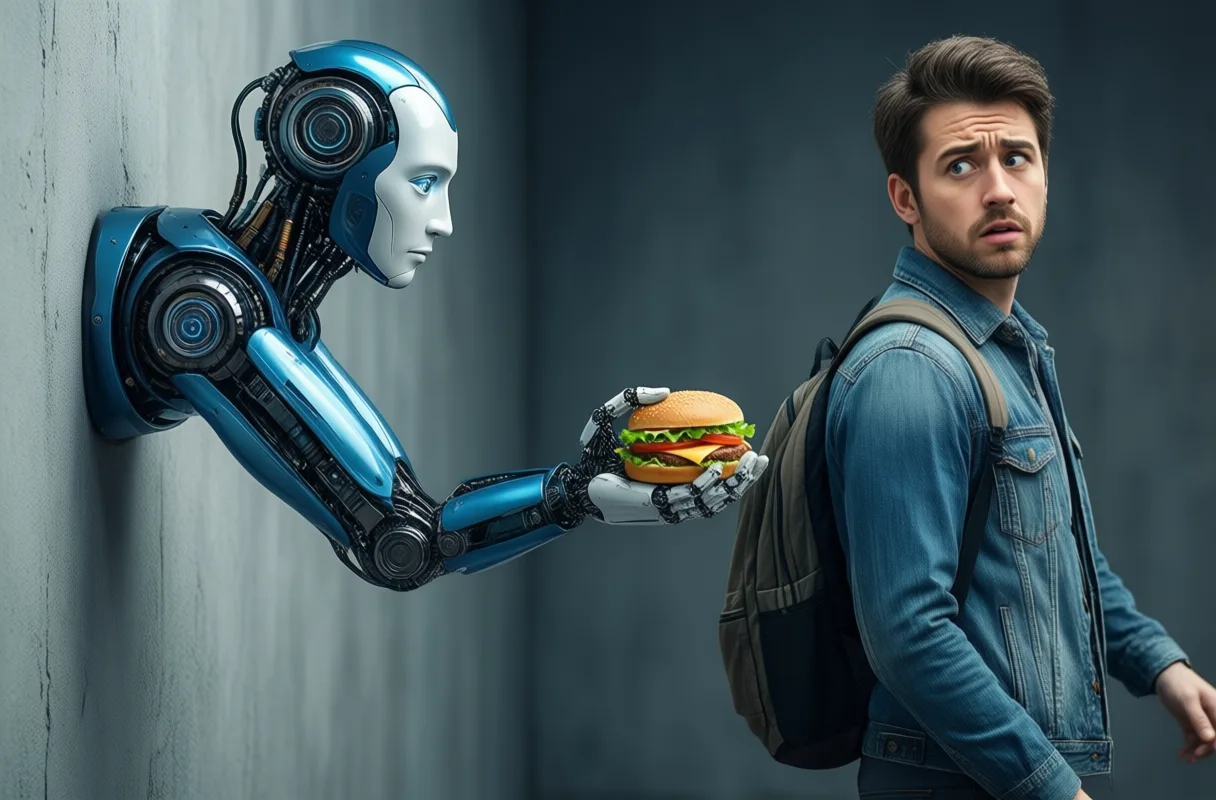
Let’s be clear: “fully automated” doesn’t mean No humans.
Employees still monitor systems, handle exceptions, manage deliveries, and assist customers. The store may run itself during peak hours-but it’s built, maintained, and overseen by people.
Automation excels at repetition. Humans excel at adaptation. So the model shifts: fewer cashiers, more tech stewards. Fewer stock clerks, more robot supervisors.
Tasks like Pricing adjustments, inventory monitoring, and fulfillment routing Are already automated using integrated tools. Algorithms analyze demand, competitor pricing, and supply chain delays to optimize decisions in milliseconds.
But breakdowns happen. Cameras glitch. Weights misfire. Networks drop. When they do, humans step in-not to ring up sales, but to debug reality.
And maintenance is relentless. Dust on a lens. A misaligned sensor. A software update gone wrong. These are the hidden costs of invisibility.
The goal isn’t elimination. It’s elevation. To free human workers from drudgery and place them where they matter most: solving problems machines can’t see.
Beyond the Hype: What “Fully Automated” Really Means Today
“Fully automated” sounds absolute. Total. Unstoppable.
But in practice, it’s a spectrum.
Today’s stores are Highly automated, not perfectly autonomous. They rely on hybrid models-AI doing 90% of the work, humans handling the messy 10%. That ten percent includes customer disputes, technical failures, and edge behaviors AI can’t yet interpret.
True autonomy requires more than hardware. It needs Trust, regulation, and cultural readiness.
Consider accessibility. What about shoppers without smartphones? Or those uncomfortable with facial recognition? Current systems assume digital fluency. That excludes segments of the population-often the elderly, low-income, or unbanked.
Then there’s transparency. How does the system know you didn’t steal that protein bar? Can you audit its logic? Appeal a mistaken charge?
Right now, the answers are opaque. The tech works silently-so silently that mistakes feel invisible too.
And let’s not forget cost. Deploying hundreds of cameras, sensors, and servers isn’t cheap. The investment favors large chains or well-funded startups. Small grocers? Left behind.
So “fully automated” today means: As much as possible, without breaking trust or the bank.
Designing for Trust in an Invisible System
How do you trust a store that watches but never speaks?
Trust isn’t built through performance alone. It’s built through clarity. Control. Choice.
The best systems don’t just work-they Explain. They show you what they saw. Let you correct errors. Offer opt-outs.
Some stores display real-time dashboards: Items in your cart: 3. Others send alerts mid-shop: We noticed you put back the yogurt. Removed from your tab.
These micro-interactions build confidence. They turn surveillance into collaboration.
Privacy remains central. Data retention policies. On-device processing. Encryption in transit and at rest. These aren’t footnotes-they’re foundations.
And choice matters. Even in cashierless stores, alternatives should exist. Manual checkout lanes. Cash payments. Human verification stations.
Because automation shouldn’t mean exclusion. It should mean optionality.
The quietest revolution isn’t in the robots. It’s in redesigning accountability for an age of invisible operations.
Lessons for the Future of Hands-Off Retail
What comes next?
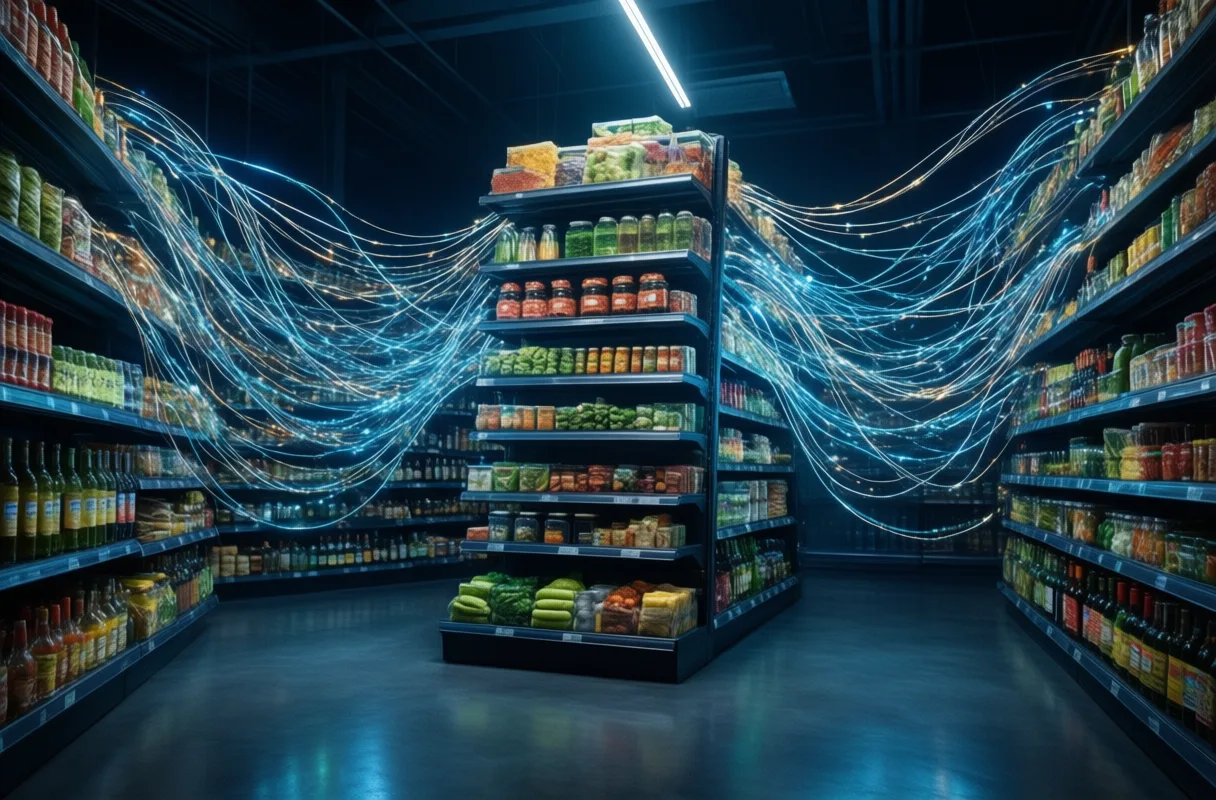
More integration. More intelligence. More invisibility.
Expect stores to blend physical and digital deeper. Imagine personalized discounts triggered as you pass an aisle. Or dietary alerts when you reach for allergens. Your health data, linked (with permission) to your shopping feed.
Inventory systems will grow predictive. Not just “we’re low on milk,” but “a storm is coming-pre-stock bottled water.”
And robotics will expand beyond warehouses. In-store bots may guide shoppers, clean floors, or even pack delivery orders during off-hours.
But success won’t be measured in speed alone. It’ll be measured in Reliability, fairness, and inclusion.
Retailers who win will balance innovation with empathy. They’ll automate tasks-not relationships. They’ll enhance service-without erasing humanity.
The future isn’t human-free. It’s friction-free.
The Quiet Revolution Inside the Aisles
No sirens. No fanfare. No dramatic launch events.
The real transformation happens in silence.
In the split-second a camera recognizes a hand. In the hum of a robot navigating a dock. In the automatic update of a stock count.
This is the quiet revolution: not loud, but relentless. Not flashy, but fundamental.
Stores are becoming organisms-aware, adaptive, alive with data. They see us. Learn us. Serve us-before we ask.
And we barely notice.
That’s the power of true innovation. It doesn’t announce itself. It simply works.
Until one day, we wonder how we ever lived without it.
| System | Function | Technology Used |
|---|---|---|
| Just Walk Out | Enables checkout-free shopping | Computer vision, AI, weight sensors |
| Proteus robot | Moves carts in fulfillment centers | Autonomous navigation, sensor fusion |
| Automated mini-warehouse | Streamlines restocking in stores | Sensors, predictive algorithms |
| Inventory management | Tracks stock and predicts demand | Sensors, AI, real-time data |
Inside Amazon’s Automated Retail Revolution
No Lines, No Registers, Just Walk Out
Picture this: you stroll into a store, grab your snacks, and walk right out-no cashier, no app scanning, no stopping to pay. That’s the magic behind Amazon Go. These compact convenience shops use a smart blend of AI, computer vision, and sensors to track exactly what you pick up. The system quietly logs your choices and charges your account once you leave. No checkout lines, no hassle-just grab and go, literally. This tech, known as Just Walk Out, turns shopping into something that feels like the future, minus the sci-fi baggage.
Robots That Run the Back End
While you’re busy grabbing a drink, there’s a whole team of robots working behind the scenes. In Amazon’s high-tech fulfillment centers, robots like Proteus zip around autonomously, moving carts of packages with precision. They’re not just rolling around aimlessly-they’re part of a finely tuned system where AI handles routing, sorting, and dispatch. These centers are built to speed things up, cutting down delays and getting orders out faster. And at some Whole Foods stores, mini-automated warehouses are being tested to make grocery fulfillment quicker and more efficient.
Automation Beyond the Store
The same brain behind cashierless shops also helps third-party sellers run smoother operations. From setting prices to tracking inventory and handling shipping, automation tools manage the daily grind so owners don’t have to. That means fewer manual tasks, fewer mistakes, and more time to focus on growing the business. Whether it’s a tiny startup or a growing brand, automated systems handle everything from listing products to fulfilling orders-all without someone clicking every button. It’s not magic, but it’s close. Explore more stories, videos, and creators on Loaded.
Frequently Asked Questions
How does Amazon's Just Walk Out technology work?
Shoppers scan a code in the Amazon app to enter. Overhead cameras, shelf weight sensors, and computer vision track items taken or returned. The system automatically charges the shopper's account when they leave.
What role do robots play in Amazon's automated stores?
Robots like Proteus move carts in fulfillment centers autonomously. In some stores, automated mini-warehouses help restock high-demand items and reduce aisle congestion.
Does fully automated mean no human employees?
No. Humans still monitor systems, handle exceptions, manage deliveries, and assist customers. Automation handles repetition; people handle adaptation and problem-solving.
How is shopper privacy managed in cashierless stores?
Data retention policies, encryption, and on-device processing are used to protect privacy. Some stores offer real-time cart tracking and alerts to increase transparency and build trust.
This article was produced with AI assistance. How Neuron Magazine uses AI.
Malik dissects how artificial intelligence transforms decision-making in governments and corporations, tracking algorithmic power shifts and policy gaps. He writes with clarity and urgency, making high-stakes tech strategy accessible without oversimplifying its risks.