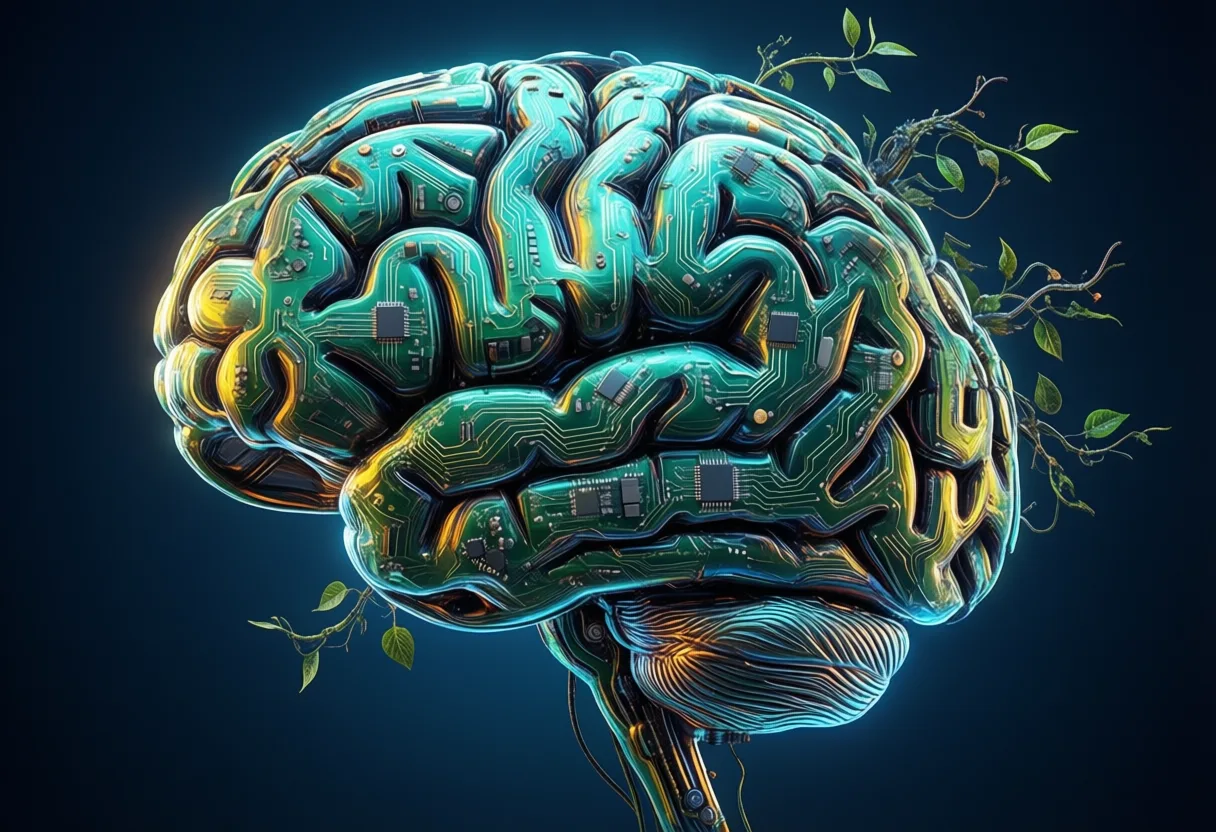

In a quiet corner of a high school library, a student taps her tablet, working through a set of math problems that adjust in difficulty with every answer. Across the room, her teacher watches a dashboard showing real-time class progress-where confusion clusters, where confidence soars. This isn’t science fiction. It’s the quiet revolution unfolding in classrooms, powered by Artificial Intelligence Question Bank Systems that are reshaping how we assess and Support learning.
Why Students and Teachers Are Turning to AI Question Banks
Students today Don’t just want answers-they want feedback that makes sense in the moment. A wrong answer used to mean a red mark and a move on. Now, with intelligent systems, that same mistake can trigger a tailored explanation, a simpler problem, or a helpful hint that keeps the learning going. It’s like having a tutor who never gets tired and always remembers what you struggled with last week.
Teachers, too, are feeling the shift. Grading stacks of quizzes used to eat up evenings and weekends. Now, automated systems handle routine assessments, freeing educators to focus on what Machines Can’t-mentoring, guiding discussions, and reading between the lines of a student’s hesitation. One biology teacher put it simply: “I used to spend hours testing. Now I spend hours teaching.”
And students notice. When feedback comes instantly, learning feels less like a test and more like a conversation. The pressure to perform fades, replaced by the chance to improve. This isn’t about replacing teachers. It’s about giving them better tools to reach every learner, especially the ones who fall silent in a crowded classroom.
The Hidden Gap in Traditional Assessment Tools
Most classroom tests share a quiet flaw: they’re static. A multiple-choice quiz from 2005 looks nearly identical to one printed today. Same format. Same one-shot chance. Same silence after the last page is turned. These tools were built for efficiency, not insight. They tell us who got it right-but rarely Why Someone got it wrong.
That’s where the gap widens. A student might ace a vocabulary test but still fumble when using words in essays. Another might understand a physics concept but freeze under timed conditions. Traditional assessments often miss these nuances, treating all errors as equal and all correct answers as mastery. But learning isn’t binary. It’s layered, messy, and deeply personal.
Enter the shift toward dynamic evaluation. Instead of a single snapshot, imagine a time-lapse photo of understanding-showing growth, missteps, and breakthroughs. This is what modern tools aim for: assessments that evolve with the learner. And while no system is perfect, the move away from one-and-done testing is already changing what success looks like in the classroom.

How AI Generates Smarter, More Adaptive Questions
Artificial intelligence doesn’t just recycle old questions-it builds new ones on the fly. Using patterns from thousands of interactions, AI systems can generate problems that match a student’s current level, then adjust the next question based on their response. Get one right? The next might add a twist. Miss it? The system might simplify or switch formats entirely.
This adaptability comes from feedback loops that learn over time. Each answer feeds data back into the model, refining future questions. It’s not just about difficulty-it’s about Type. A student who consistently misreads graphs might see more visual problems. Another who excels in logic but stumbles on word problems might get targeted prompts to bridge the gap.
And the range of subjects is expanding Fast. From language arts to coding exercises, AI can craft prompts that test not just recall, but reasoning. For example, instead of asking, “What is photosynthesis?” A system might ask, “If this plant isn’t growing, what environmental factors should we check-and why?” These are the kinds of challenges that mirror real-world thinking, and they’re made possible by the flexibility of intelligent design. Explore more about how this fits into broader innovation in Applications of Artificial Intelligence: Top 5 Uses Today.
Customizing Learning Paths with Intelligent Feedback Loops
No two students learn the same way-or at the same pace. Yet for decades, classrooms have moved as one unit: lecture, assignment, test, repeat. The result? Some students race ahead, bored. Others fall behind, too embarrassed to ask for help. AI-driven systems are beginning to untangle this knot by personalizing the journey.
Imagine a student struggling with fractions. An AI system might detect repeated errors in converting mixed numbers and automatically serve up a mini-lesson with visuals and practice. Meanwhile, another student who aced the topic might leap into real-world applications-like calculating discounts or scaling recipes. Both are on the same learning path, but their routes look different.
These customized experiences aren’t random. They’re guided by continuous feedback-what was answered, how long it took, which hints were used. Over time, the system builds a profile of strengths and gaps, not as labels, but as living data. Teachers can use this to intervene early, group students by need, or redesign lessons that aren’t sticking. It’s not about replacing human judgment. It’s about sharpening it with better information.
When One-Size-Fits-All Questions Fall Short
We’ve all seen it: a test that rewards memorization over understanding. A student recites a formula perfectly but can’t apply it to a new scenario. Or a history essay graded solely on dates, not analysis. These moments reveal the limits of standardized questioning-where the goal is coverage, not depth.
Generic questions also fail the quiet learners-the ones who understand but freeze under pressure, or those who think in pictures, not words. A student with dyslexia might grasp a concept instantly but stumble on a reading-heavy quiz. Another might solve complex problems mentally but struggle to show their Work On paper. One-size-fits-all assessments often mistake accessibility for ability.
That’s why adaptive systems matter. They don’t just change the question-they change the Form. A student might explain an answer by voice, sketch, or interactive simulation. The goal shifts from proving knowledge to expressing it in a way that feels natural. And when assessment becomes flexible, more students have a chance to shine.
Breaking Down the Myths About Automated Assessment
Some worry that AI in education means robots replacing teachers. Others fear it will reduce learning to data points, stripping away creativity and connection. These concerns are real-but they often misunderstand what these tools are designed to do.
AI isn’t grading essays with a cold algorithm. It’s handling routine tasks so teachers can spend more time on the human parts of teaching. It’s not making high-stakes decisions-it’s offering insights to inform them. And it’s not eliminating effort; it’s redirecting it toward deeper engagement.
Another myth is that AI only works for math and science. In reality, these systems are being used to generate writing prompts, analyze argument structure, and even coach public speaking. The key is design. When built with educators, AI can support open-ended thinking, not just right-or-wrong answers. The best systems don’t replace curiosity-they fuel it.
The Reality Behind AI-Driven Academic Support
AI tools aren’t magic. They depend on the quality of their design, the data they’re trained on, and how they’re used in real classrooms. A poorly built system can reinforce biases or create frustrating loops. But when thoughtfully implemented, they offer something rare: consistency without rigidity.
Students in remote areas, night school, or homeschool settings can access high-quality practice and feedback they might not get otherwise. English learners can get instant translations or simplified language without falling behind. And students with anxiety can retry quizzes in private, building confidence before facing a live test.
The real power lies in scale and sensitivity. One teacher can’t give 30 students personalized feedback every day. But an AI system can, and it can do it without bias or fatigue. Paired with human insight, it becomes a partner in equity-helping ensure that support isn’t limited by time, location, or resources.
Building a Classroom Strategy Around Dynamic Questioning
Integrating AI tools isn’t about flipping a switch. It’s about rethinking the rhythm of the classroom. When should students use adaptive quizzes? How do teachers use the data that comes back? And how do we make sure technology enhances, rather than replaces, discussion and collaboration?
Some teachers start small-using AI for warm-ups or homework checks. Others build entire units around data from student responses, letting confusion guide the next lesson. The key is intentionality. These tools work best when they’re part of a larger plan, not a standalone fix.
Professional development matters, too. Teachers need time to learn the systems, interpret dashboards, and adjust their methods. The most successful classrooms treat AI like a lab partner-something to experiment with, question, and refine over time. It’s not about perfection. It’s about progress.
Integrating Real-Time Analytics into Lesson Planning
Data is only useful if it’s actionable. A dashboard showing that 60% of students missed a question is a start-but it’s not enough. The real value comes when teachers can drill down: Which 60%? What did their wrong answers reveal? Did they rush? Guess? Run out of time?
Modern systems are beginning to offer these insights. Heatmaps show where confusion clusters. Trend lines reveal who’s improving and who’s plateauing. And alerts can flag students who haven’t logged in or who’ve failed the same concept twice. This isn’t surveillance-it’s support.
With this information, lesson planning becomes responsive. Instead of following a fixed calendar, a teacher might spend an extra day on ratios because the data shows lingering gaps. Or accelerate a group into enrichment because they’re ready. Teaching becomes less about sticking to the plan and more about following the learning.

Preparing Learners for an AI-Augmented Future
Students today will enter a world where artificial intelligence is woven into nearly every job. From healthcare to design, from law to logistics, they’ll work alongside smart systems that analyze, predict, and assist. Understanding how AI thinks-and how it can help them think-is no longer optional.
Using AI in the classroom isn’t just about better test scores. It’s about building fluency with the tools of tomorrow. When students learn With AI, they also learn to question it. They discover its limits. They debate its biases. They become not just users, but critical participants in a tech-driven world.
And that’s the real goal: not to create students who can answer AI-generated questions, but who can ask better ones themselves. Because in the age of machines, the most human skill of all is still the ability to wonder.
Beyond Memorization: Fostering Critical Thinking with Smart Prompts
The best questions don’t have easy answers. They make you pause. They challenge assumptions. They invite debate. And increasingly, AI is being used to generate not just more questions-but Better Ones.
Instead of “What caused World War I?” A system might ask, “If you could change one decision made in 1914, which would have the biggest impact-and why?” These prompts push students beyond recall into analysis, judgment, and creativity. They don’t just test knowledge-they build it.
And when feedback is tied to reasoning, not just correctness, students learn to defend their thinking. A wrong answer with strong logic might earn encouragement. A right answer with weak reasoning might prompt a follow-up. This shifts the culture of assessment from “Did I get it right?” To “How did I get here?”
What Comes Next for Teaching and Learning in the Age of AI
The classroom of the future won’t be ruled by robots. It won’t abandon books, discussions, or the quiet moment when a student finally “gets it.” But it will be smarter, more responsive, and more inclusive-thanks in part to the quiet intelligence working behind the scenes.
AI won’t replace teachers. But it will redefine their role. From graders to guides, from lecturers to listeners, educators will have more time to do what only humans can: inspire, connect, and care. And students will have more chances to learn in ways that fit who they are-not who a textbook assumes they should be.
The journey is just beginning. As these tools evolve, so must our conversations about ethics, equity, and purpose. But one thing is clear: when technology serves learning-rather than the other way around-everyone moves forward.
| Feature | Benefit |
|---|---|
| Adaptive questioning | Adjusts difficulty and type based on student responses |
| Real-time progress dashboards | Helps teachers spot confusion and track learning trends |
| Personalized learning paths | Supports individual pacing and targeted practice |
| Multiple question variants | Reduces cheating with unique assessments for each student |
| Flexible response formats | Accommodates diverse learners through voice, sketch, or text |
| Automated feedback | Provides instant, tailored explanations and hints |
| Integration with lesson plans | Generates custom quizzes from daily teaching topics |
Smarter Study Sessions Start Here
Why AI Question Banks Are Changing the Game
Think of an AI question bank as a quiz machine that learns as it goes. Unlike static lists of questions from textbooks, these tools use smart algorithms to adapt to how students answer-offering harder challenges when someone’s on a roll or circling back to basics when confusion shows up. This isn’t just digital flashcards with a fancy label; it’s a system that reshapes practice based on real-time feedback, helping learners focus on what they need most.
Fun Facts That Make You Go “Huh?”
The idea of machines generating quizzes isn’t new-researchers were tinkering with computer-aided instruction as far back as the 1960s, long before smartphones or modern AI. Today’s versions go way beyond multiple choice. Some AI question banks can create open-ended prompts, suggest follow-up questions, or even mimic the tone and style of specific exam formats, from SATs to coding interviews. And here’s a twist: certain platforms let teachers input a lesson plan, and in seconds, out pop a full quiz customized to that day’s topic-no late-night worksheet crunching required.
Learning Gets a High-Tech Boost
Students aren’t the only ones benefiting. Educators use AI question banks to spot class-wide knowledge gaps-like if half the room keeps missing questions about photosynthesis, it’s a clear signal to revisit the topic. Plus, because these systems can generate dozens of question variants, they help cut down on cheating by giving everyone a slightly different version. It’s like having a teaching assistant who never sleeps, doesn’t mind repetition, and actually enjoys writing quiz questions-all while getting sharper with every use. Explore more stories, videos, and creators on Loaded.
Frequently Asked Questions
How do AI question banks adapt to student performance?
AI question banks adjust the difficulty and type of questions based on each student's responses. If a student answers correctly, the next question may be harder or include a twist; if they struggle, the system simplifies or changes the format to support understanding.
What benefits do teachers gain from using AI question banks?
Teachers save time on grading and gain real-time insights into student progress. Dashboards highlight knowledge gaps and trends, allowing educators to tailor lessons and focus more on mentoring and less on routine assessment tasks.
Can AI question banks support subjects beyond math and science?
Yes, AI question banks are used in language arts, history, coding, and other subjects. They can generate writing prompts, analyze argument structure, and support open-ended thinking across disciplines.
How do AI question banks help students with different learning needs?
These systems personalize learning paths by detecting individual strengths and struggles. They offer alternative formats like voice responses or visual aids, helping students express understanding in ways that suit their learning styles.
This article was produced with AI assistance. How Neuron Magazine uses AI.
Saoirse investigates how automation, remote systems, and AI reshape labor, careers, and human purpose. She centers worker voices and cultural change, blending data with narrative depth to reveal what the future feels like on the ground.