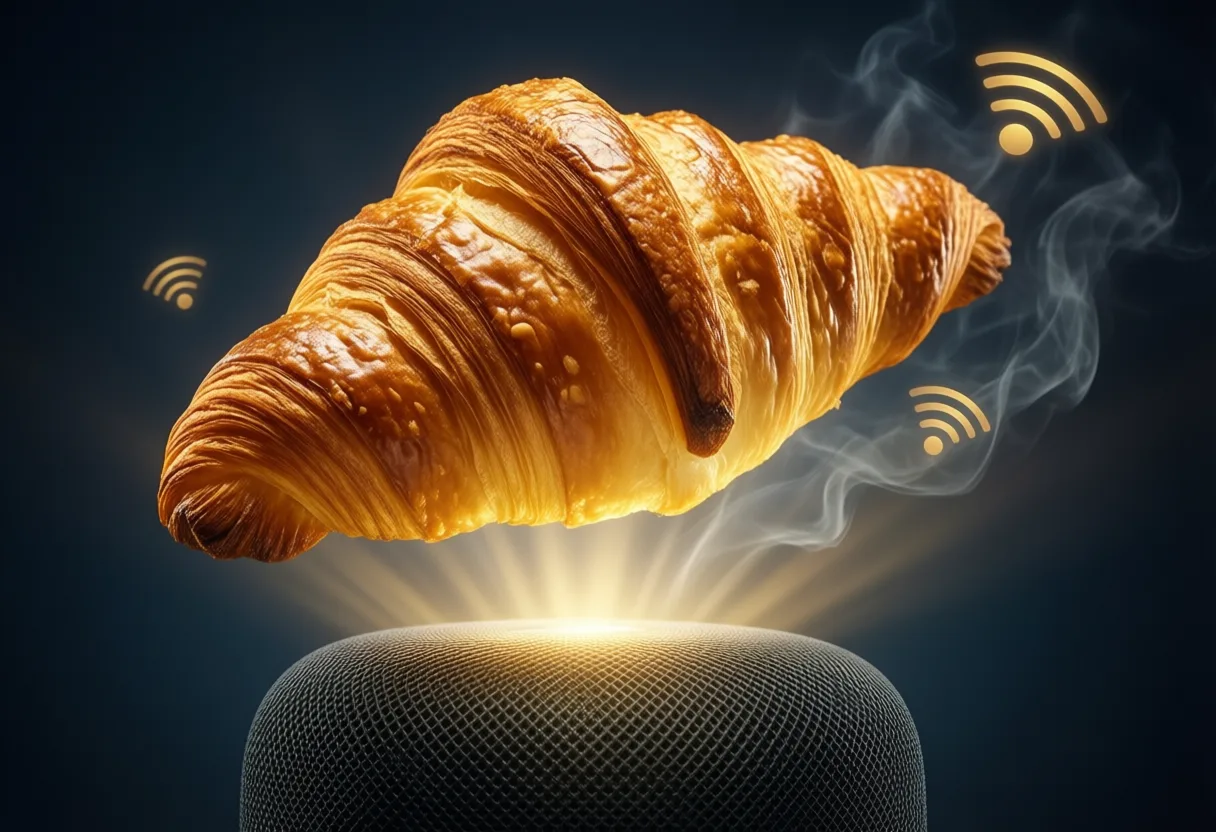
It used to take weeks to mock up a single Product photo For an ad campaign. Now, a designer in Berlin can generate a dozen variations in minutes-sun-drenched kitchen scenes with croissants, espresso, and a smart speaker that doesn’t exist yet-just by typing a few sentences.
This isn’t magic. It’s not even new code. It’s the quiet explosion of Artificial Intelligence Photo Tools reshaping how we see, make, and share images.
How AI Is Redefining the Boundaries of Image Creation
We’ve always used tools to extend our vision. The camera, the darkroom, Photoshop-each widened what we could Capture And create. Now, we’re not just editing reality. We’re inventing it.
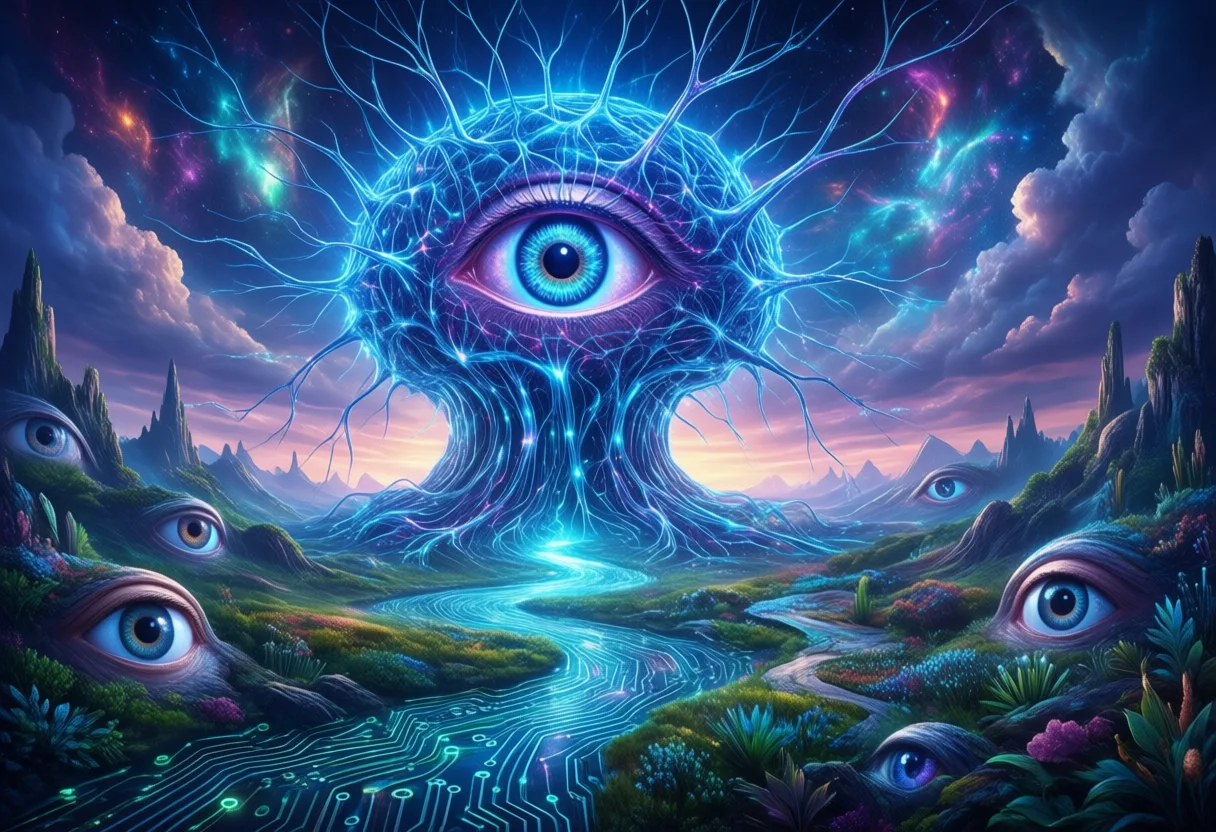
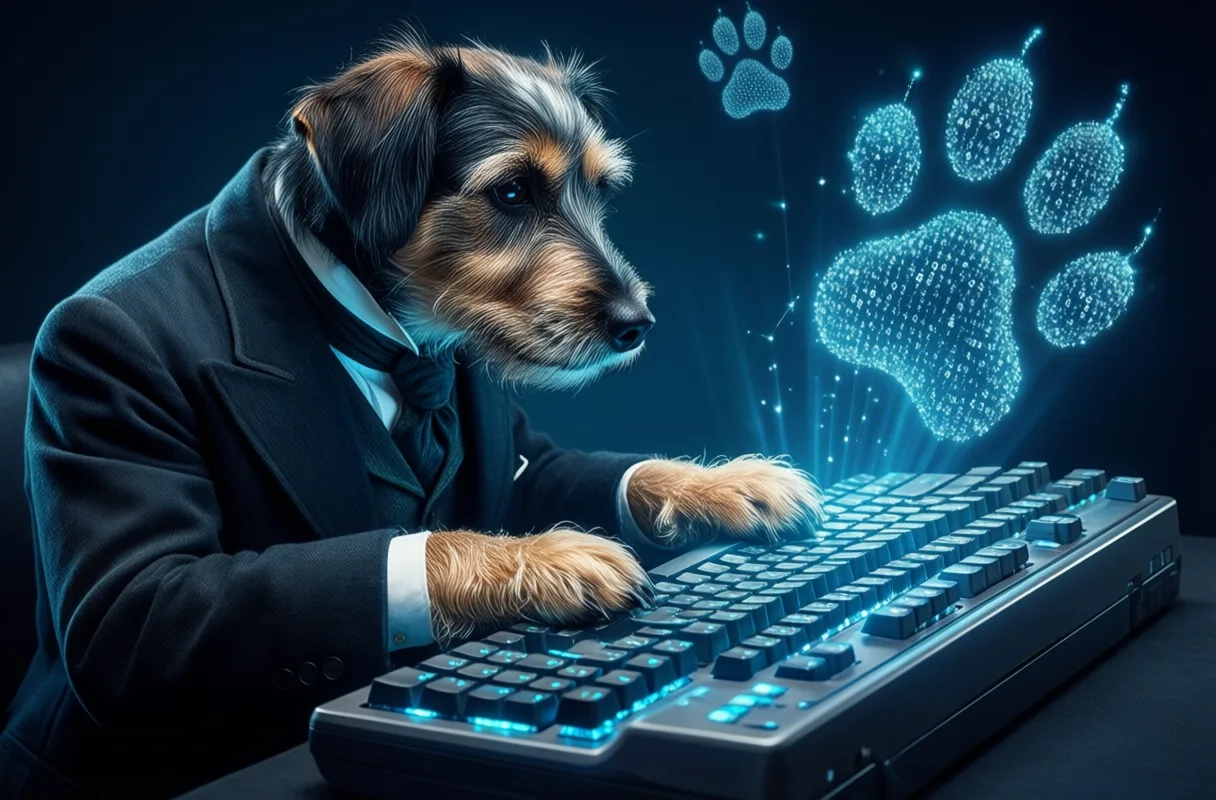
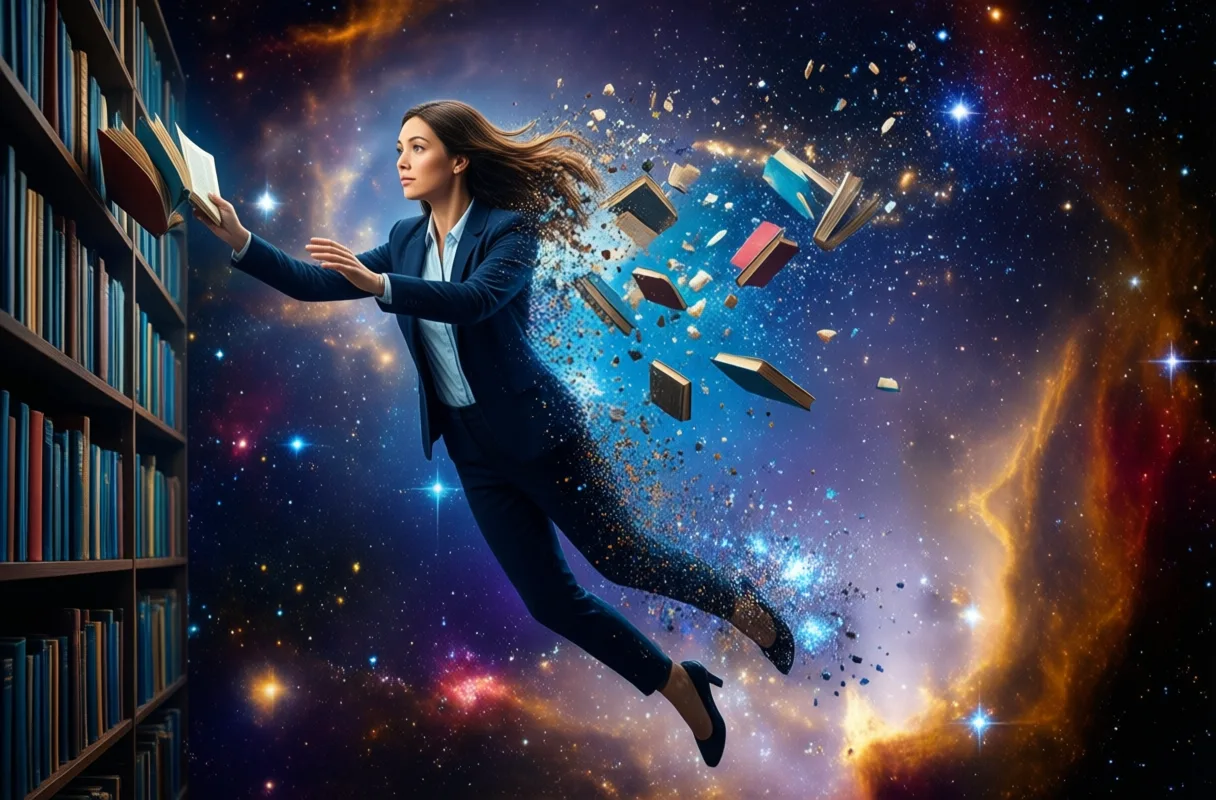
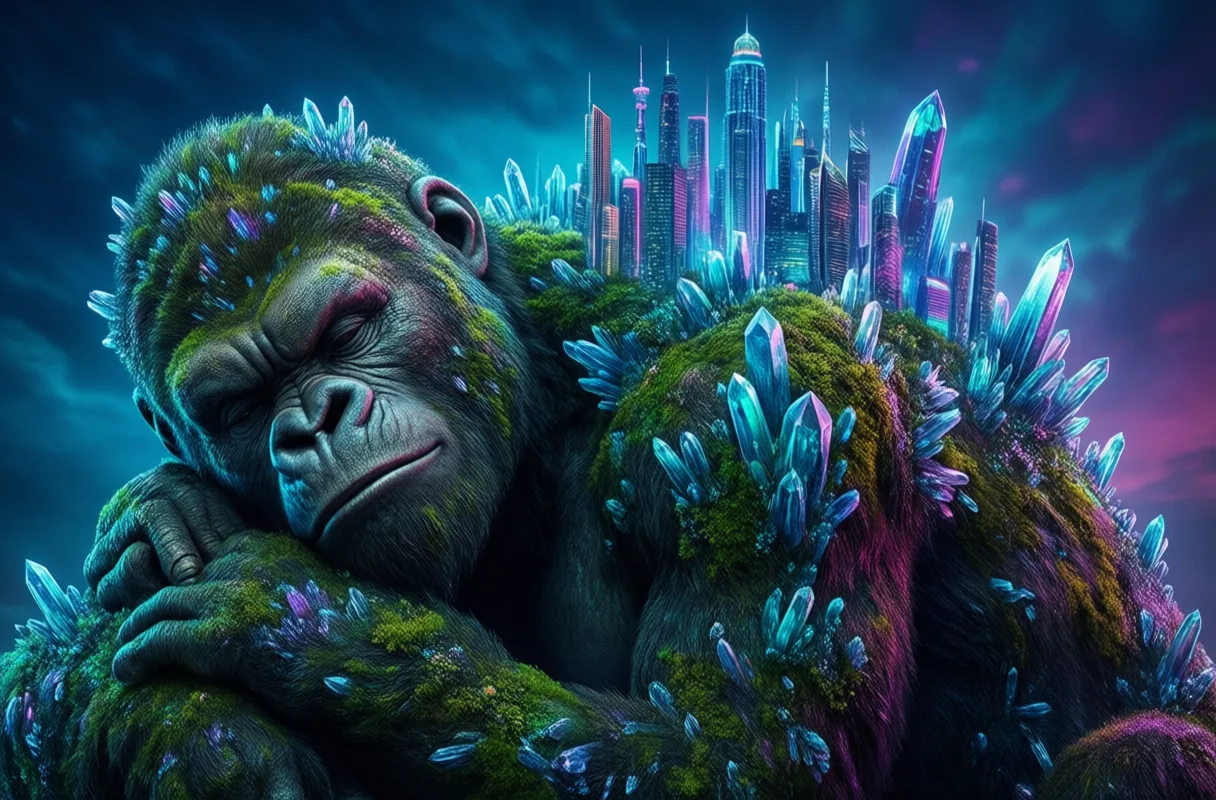
With a few words, users can summon images that have never existed: a library floating in a nebula, a dog wearing a Victorian coat, a city built on the back of a sleeping giant. These aren’t stitched together from stock photos. They’re generated from scratch by models trained on vast datasets of Visual information.
The boundary between imagination and output has never been this thin.
- Ideas now flow directly into visuals with minimal friction.
- Iteration is instant-no need for reshoots or retakes.
- Concepts that once lived in sketches or descriptions can now be seen, shared, and refined in real time.
What was once the domain of illustrators and 3D artists is now accessible to anyone who can describe what they see in their mind.
Can Machines Truly Create Art?
“Did the machine make art?” That’s the question echoing in studios, galleries, and Slack channels alike. The answer depends on how you define Create.
Machines don’t feel Inspiration. They don’t wake up at 3 a.m with a vision. But they do respond to prompts with astonishing nuance, blending styles, textures, and concepts in ways that surprise even their creators.
An artist in Portland typed “a jazz concert on Mars, 1959, neon saxophones, red dust” and got back an image that felt like a lost cover from a Sun Ra album. Was it art? The crowd at her gallery show thought so.
But here’s the catch: The machine didn’t intend anything. It recognized patterns-jazz, Mars, neon-and recombined them probabilistically. The meaning? That still comes from us.
Art has always been about expression, context, and emotion. AI doesn’t express. It reflects. It amplifies. It remixes. And in doing so, it forces us to ask:
What part of creativity is truly human?
Maybe the spark isn’t in the image itself-but in the choice of prompt, the moment of recognition, the decision to share.
The Democratization of Digital Design
For decades, high-end visual design lived behind paywalls, skill curves, and expensive software. You needed a degree, a Wacom tablet, and at least three hours to render a single composition.
Now, a teenager in Nairobi can generate a poster for her school’s science fair that looks like it was made by a studio in Milan. All she did was type: “futuristic school lab, glowing beakers, students in holographic suits, cyberpunk lighting.”
This is the quiet revolution: Design is no longer gatekept by tools or training.
- Small businesses can create professional branding without hiring agencies.
- Educators generate custom illustrations for lesson plans in seconds.
- Nonprofits visualize campaigns with emotional resonance-without a budget for photo shoots.
We’re seeing a surge in visual participation. More people are creating, sharing, and iterating on images than ever before.
And while some fear a flood of low-effort content, others see something more powerful: A global expansion of visual literacy.
When anyone can make, the conversation around what we see becomes richer, messier, and more democratic.
Behind the Pixels: How Neural Networks Interpret Prompts
So how does a machine turn “a cat in a spacesuit riding a skateboard on the moon” into a coherent image?
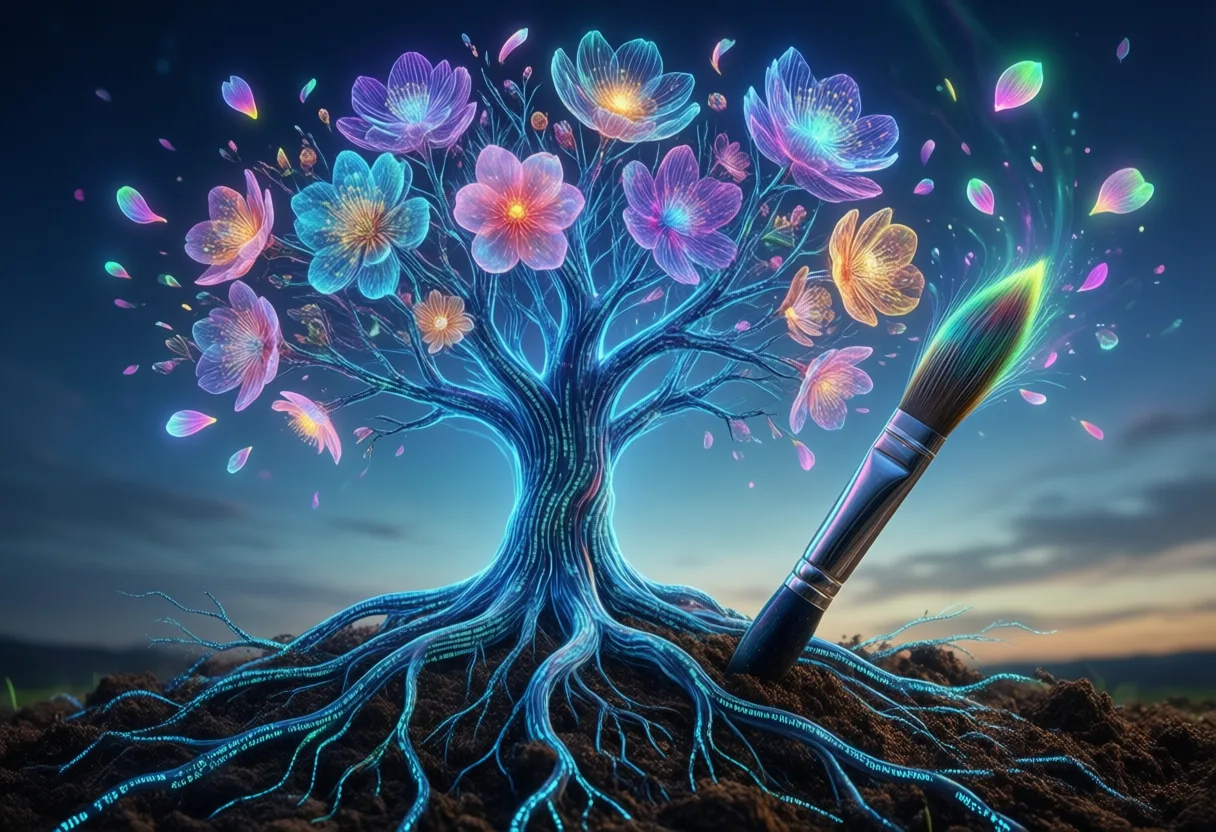
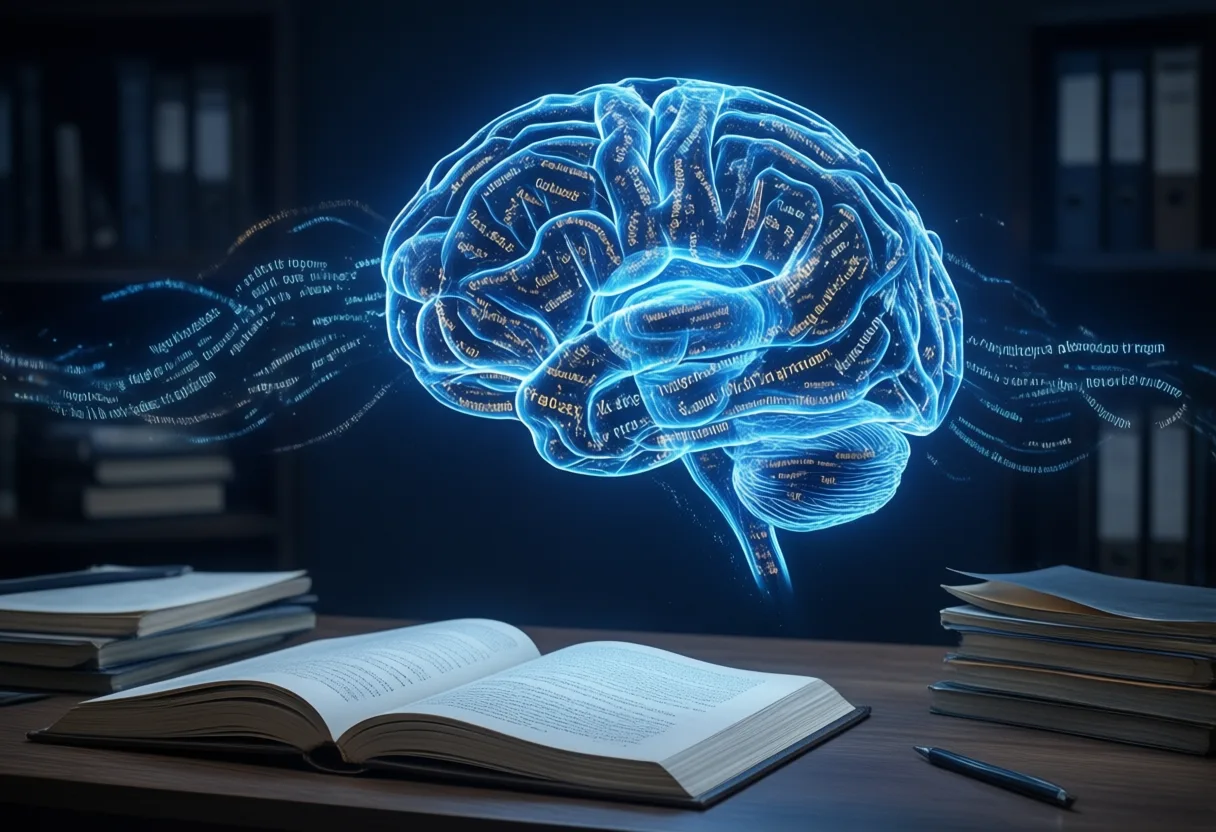
At the core are neural networks-layers of algorithms trained to recognize and reconstruct visual patterns. These models have studied millions of images, learning not just what a cat looks like, but how light falls on fur, how shadows form under a helmet, how motion blurs a wheel.
When you type a prompt, the system breaks it down into conceptual chunks. It maps relationships: Spacesuit Modifies Cat, Moon Sets the background, Skateboard Implies motion.
Then, through a process called diffusion, it starts with noise-random pixels-and gradually shapes them into an image that matches the statistical likelihood of your description.
It’s not searching the web. It’s Dreaming in math.
And the more specific you are, the more control you gain: - “Retro 1970s color palette” shifts the hues. - “Cinematic lighting” adds depth and drama. - “Unreal Engine render” pushes toward photorealistic 3D.
The machine doesn’t understand nostalgia or style. But it knows how they Look-because it’s seen them a million times before.
Editing Without Expertise: Real-Time Enhancements and Manipulations
Remember when fixing a photo meant learning layers, masks, and blend modes? Now, you can say, “Make the sky more dramatic,” and the software just… does it.
These tools don’t just generate. They understand context. They recognize faces, skies, objects-and adjust them intelligently.
Want to change the season in a family photo? Swap summer for autumn. Want to remove a power line without cloning? Just erase it. The AI fills in the gap with a guess so accurate it feels like magic.
Features like: - Smart object removal That preserves background texture - Style transfer That mimics famous painters or film looks - Lighting adjustments That respond to natural cues in the scene
- are now standard in many editing platforms.
And the best part? You don’t need to know what a “high-pass filter” is. You just need to know what you want.
This isn’t just convenience. It’s a shift in agency. The user isn’t tweaking sliders. They’re having a conversation with the image.
Ethics in the Age of Synthetic Imagery
But with great power comes a tangle of questions. If a photo can be made from nothing, how do we know what’s real?
We’ve already seen AI-generated images misused-falsely depicting public figures in compromising situations, fabricating news events, or spreading misinformation with alarming Realism.
And unlike deepfakes of video or audio, AI-generated photos leave no forensic trail. There’s no flicker in the eyes, no audio lag. They’re static. Silent. Convincing.
Worse, some tools have been trained on images scraped from the web-without consent from the artists or photographers who made them.
Imagine spending years building a unique visual style, only to find a model can replicate it with a single prompt: “in the style of your name.”
No credit. No compensation. Just imitation at scale.
The art world is responding. Some platforms now let creators opt out of training datasets. Others are exploring watermarking or metadata tagging to label synthetic content.
But the rules are still being written. And the pace of change is outstripping policy.
Beyond Filters: Personalized Style Generation at Scale
Filters used to be one-size-fits-all. A single preset applied the same warmth, contrast, or grain to every photo.
Now, AI can learn your aesthetic. After analyzing your past edits, it can suggest adjustments that match your taste-whether you prefer moody noir tones or bright, airy minimalism.
Even more powerful: Teams can train models on their brand’s visual identity.
A fashion label can generate product images that always match their campaign style-consistent lighting, color grading, composition-without a photographer on set.
Architects can render conceptual buildings in the firm’s signature look. Marketers can produce region-specific ads that feel locally authentic, even if they’re generated in minutes.
This isn’t just efficiency. It’s Style at scale.
And as models get better at preserving intent across variations, the line between human curation and machine execution blurs.
The designer isn’t replaced. They’re amplified.
What Happens When Anyone Can Visualize Anything?
Let that sink in: Anyone can now visualize anything.
A child can draw a dragon by describing it. A writer can see her novel’s setting before the first chapter is written. A therapist can help a patient externalize a fear by rendering it as an image.
The implications are staggering.
In education, students can generate visuals for history projects-ancient Rome as a living city, not a textbook diagram. In healthcare, doctors might use AI to illustrate medical conditions for patients in intuitive ways.
But there’s a shadow side. If reality is no longer anchored in what was captured, how do we trust what we see?
We’re entering an era where the most convincing image might be the most虚假 one.
And yet-this power isn’t inherently good or bad. It’s a mirror. It shows us what we ask for, what we value, what we imagine.
The real question isn’t whether the technology is ready. It’s whether We Are.
Navigating Responsibility in a World of AI-Generated Photos
With every breakthrough, we must ask: Who benefits? Who is harmed? Who decides?
Transparency matters. Users should know when an image is synthetic-especially in journalism, politics, or legal contexts.
Consent matters. Artists deserve control over whether their work trains these models.
And context matters. A meme is different from a news photo. A concept sketch is different from evidence.
Some platforms now label AI-generated content. Others let creators tag their images as “synthetic.” These are small steps-but necessary ones.
We also need tools for detection, not to police creativity, but to protect truth.
And perhaps most importantly, we need Digital empathy-the understanding that just because we Can Generate something, doesn’t mean we Should.
The goal isn’t to stop progress. It’s to guide it.
New Rules for a New Medium
Every major visual medium has faced this moment.
Photography was once accused of killing painting. Film was thought to end theater. Digital art was dismissed as “not real.”
Each time, the old rules broke. New ones emerged-through debate, trial, and error.
AI-generated imagery is no different.
We’ll need: - Clear labeling standards - Ethical training practices - Public education on synthetic media - Legal frameworks that protect both creators and subjects
This isn’t about fear. It’s about Stewardship.
The tools are here. They’re improving fast. And they’re not going away.
Our job isn’t to resist them. It’s to shape the culture around them.
Where Human Vision Meets Machine Intelligence
I watched a woman use an AI tool to generate images of her late mother-based on old photos and descriptions from family members. She didn’t want to replace memories. She wanted to See Them anew.
That moment stayed with me. Not because it was technically impressive-but because it was deeply human.
The machine didn’t mourn. It didn’t love. But it helped Her Do both.
That’s the promise of this technology: not to replace us, but to Extend our capacity to imagine, remember, and connect.
We are not obsolete. We are, for the first time, able to give form to the formless-with speed, precision, and emotional resonance.
The future of image-making isn’t man Or Machine. It’s man With Machine.
And in that collaboration, we’re not losing art. We’re redefining it.
| Function | Description | User Benefit |
|---|---|---|
| Image Generation | Creates new images from text descriptions | Turns ideas into visuals instantly |
| Photo Restoration | Repairs and enhances old or damaged photos | Revives faded memories with detail |
| Contextual Editing | Changes sky, season, or removes objects intelligently | Simplifies complex edits without expertise |
| Style Replication | Applies consistent brand or artistic styles at scale | Maintains visual identity across content |
| Real-Time Manipulation | Adjusts lighting, weather, or time of day in photos | Enables rapid creative experimentation |
How AI Is Redefining the Way We See Images
Seeing What Was Never There
AI photo tools can now generate hyper-realistic images from simple text descriptions-no camera needed. Type “a raccoon wearing a chef’s hat baking a pie on the moon,” and in seconds, you’ll get a convincing picture that never existed before. This isn’t just digital artistry; it’s machine learning trained on millions of images to understand how objects, lighting, and textures fit together in believable ways. These systems don’t copy existing photos but assemble new visuals from learned patterns, making them surprisingly creative.
Some AI models can even restore old or damaged photographs by predicting missing details like facial features or background elements. A blurry family portrait from the 1950s might be sharpened and colorized with startling accuracy, breathing new life into faded memories. While not always perfect, the results often come close enough to feel personal and meaningful. The same tech is being used in film restoration, helping bring classic movies back to modern audiences without losing their original charm.
Another quirky twist? AI can change the time of day, weather, or season in a photo at the push of a button. Turn a sunny beach shot into a stormy twilight scene or make it snow in a desert landscape-all while keeping people and objects intact. Artists and designers use these tools to rapidly prototype ideas, while casual users enjoy playful edits that once required hours in advanced software. It’s not magic, but for most of us, it sure feels like it. Explore more stories, videos, and creators on Loaded.
Frequently Asked Questions
How do AI photo tools generate images from text?
AI photo tools use neural networks trained on millions of images to recognize visual patterns. When given a text prompt, the system breaks it down into conceptual elements and uses diffusion to turn random pixels into a coherent image that matches the description.
Can AI-generated images be distinguished from real photos?
AI-generated images leave no forensic trail and can be highly convincing. Unlike deepfakes, they are static and lack telltale signs like eye flicker or audio lag, making them difficult to detect without specialized tools.
What are some ethical concerns with AI-generated imagery?
Ethical issues include misuse in spreading misinformation, generating fake depictions of people, and training models on images scraped without artists' consent. Some platforms now offer opt-outs and labeling to address these concerns.
How is AI changing accessibility in visual design?
AI allows anyone who can describe an idea to create professional-quality visuals instantly. This removes traditional barriers like expensive software, technical skills, or formal training, enabling broader participation in digital design.
This article was produced with AI assistance. How Neuron Magazine uses AI.
Saoirse investigates how automation, remote systems, and AI reshape labor, careers, and human purpose. She centers worker voices and cultural change, blending data with narrative depth to reveal what the future feels like on the ground.