Why do blank canvases feel heavier now than ever?
Because creativity Doesn’t just battle distraction-it’s under siege by infinite choice.
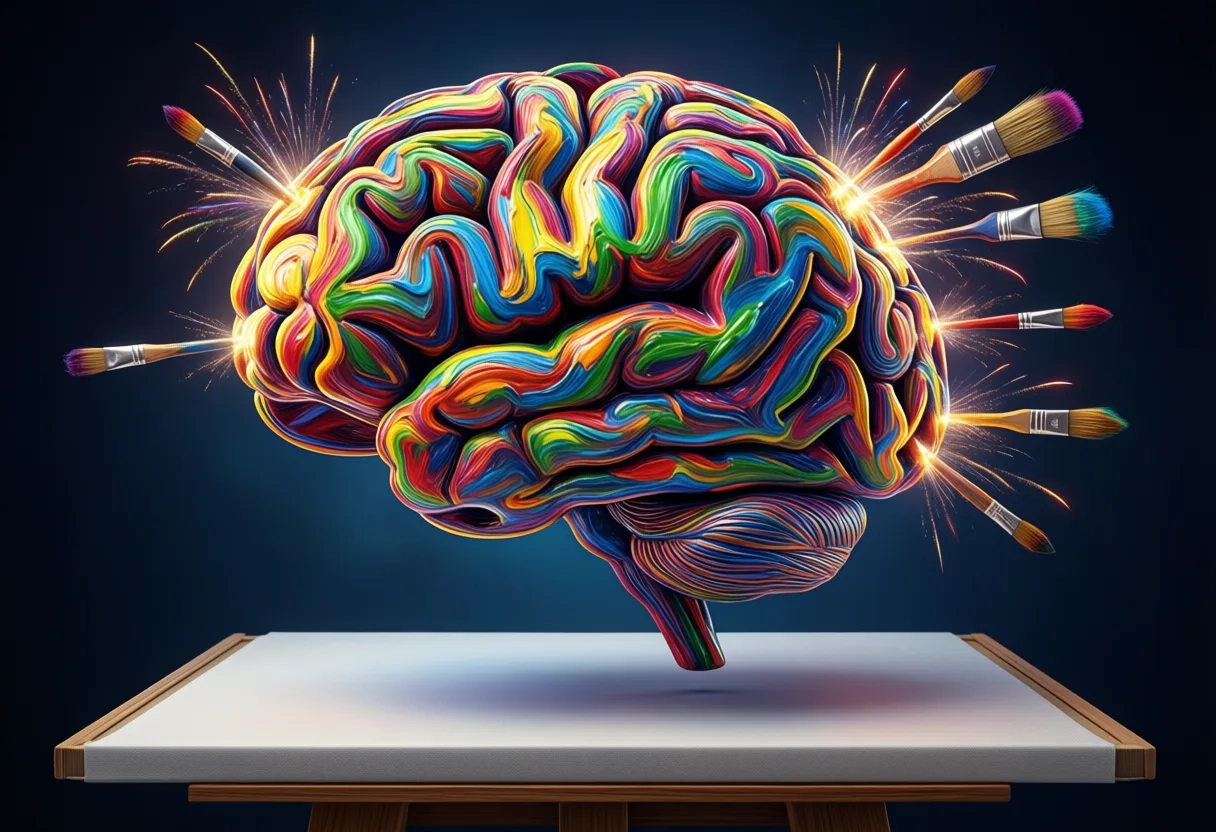
We live in an age of artistic overload. Tools are more powerful, access is wider, and the pressure to produce is relentless. Yet, the moment we sit down to Create, the mind stalls. Not from lack of skill. From Paralysis by possibility. The brain isn’t built to generate novelty from nothing. It thrives on friction, on constraints, on sparks-tiny collisions that ignite motion.
Enter the art Prompt generator. Not a gimmick. Not a shortcut. A Cognitive tool-like a neural jump-start for the stuck mind.
Why Creative Blocks Hit Harder Than Ever
We assume creative blocks are personal. A failure of discipline. A lack of talent.
But what if the problem isn’t you-it’s the environment?
Today’s creators operate in a world of Infinite inputs and zero defaults. Every decision-from subject to style to medium-must be made from scratch. That freedom? It’s exhausting. The Brain burns Energy evaluating options before a single mark is made. No wonder motivation evaporates.
And social media amplifies the pressure. Every scroll is a highlight reel of polished work. Comparison isn’t just inevitable-it’s algorithmic. You’re not just making art. You’re making art While being judged in real time. That’s not inspiration. That’s a pressure cooker.
So when you sit down and draw a blank, don’t blame yourself.
Blame the Cognitive overload.
Blame the Expectation of originality on demand.
Blame the myth that creativity flows from pure genius, not structure.
The truth? Great work rarely starts with a lightning bolt.
It starts with a nudge.
The Hidden Value of Constraints in Artistic Practice
What if the key to freedom is limitation?
Artists hate Constraints-until they need them.
Try writing a poem with no adjectives. Drawing a face using only circles. Painting a scene in three colors. Suddenly, the brain shifts from “What should I do?” To “How can I solve this?” That’s the magic. Constraints turn creativity into a puzzle.
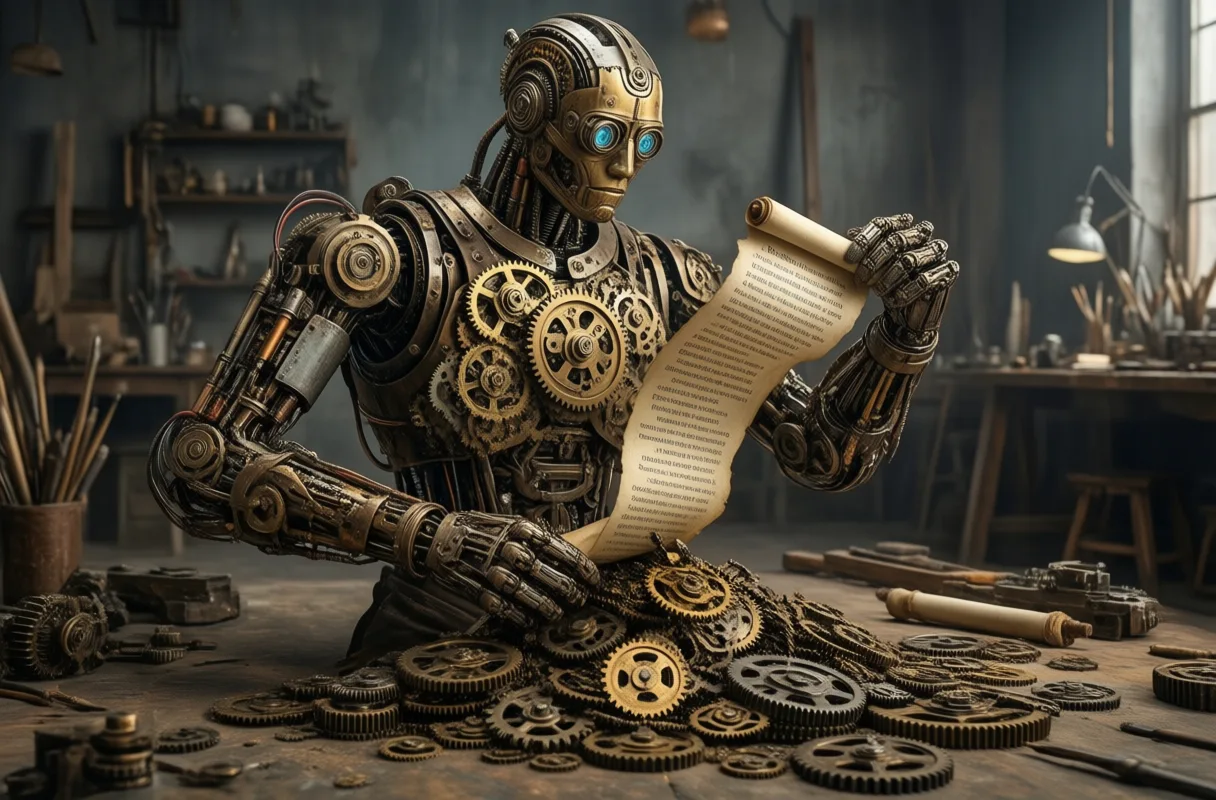
Prompt generators exploit this principle. They don’t remove choice-they Frame it. Instead of “Make something amazing,” you get “Draw a robot harvesting rain in a desert.” Specific. Weird. Doable. Now the mind has traction.
Think of it like training wheels for imagination.
You’re not cheating. You’re Building creative muscle memory.
The more you respond to arbitrary rules, the better you get at improvising under pressure.
And that’s where real innovation lives-not in boundless freedom, but in Resourceful adaptation.
Top 9 Art Prompt Generators for Daily Inspiration
Not all prompts are created equal. Some spark curiosity. Others feel like homework.
The best tools don’t just Generate ideas-they Reshape how you think.
Here are nine types of art prompt generators that serve different creative needs. Use them like instruments in a toolkit. Match the tool to your mood, your goals, your block.
1. A tool that delivers random themes with visual references
Imagine opening an app and seeing: “Abandoned library, overgrown with vines, soft morning light.” Alongside it, a collage of moss-covered books, broken windows, dappled sun.
This generator doesn’t just name a theme-it Immerses you in it.
Visual references prime the brain faster than words alone. They shortcut inspiration by activating associative memory. You’re not starting from zero. You’re building on a mood, a palette, a world.
Perfect for painters, concept artists, and anyone who thrives on atmosphere.
2. An app blending surrealism and everyday objects for unexpected ideas
What happens when you cross a toaster with a jellyfish? Or a mailbox with a heartbeat?
This generator thrives in the Uncanny valley of the familiar.
It forces you to recombine the ordinary in absurd ways. The result? Ideas that feel fresh, strange, and oddly compelling. Your brain resists at first-then snaps into high gear solving the visual paradox.
Surreal prompts don’t just generate images. They Rewire perception.
3. A minimalist generator focused on single-word sparks
One word. That’s it.
“Echo.” “Threshold.” “Static.”
No explanation. No context. Just a linguistic seed.
The simplicity is the point. It demands interpretation. It forces you to Project meaning.
This generator is for the disciplined mind. The one that knows Less input = more ownership. You’re not following a recipe. You’re starting a fire with flint.
Ideal for daily practice. Fast. Focused. Unforgiving.
4. A community-driven platform with rotating monthly challenges
Creativity loves company.
This generator isn’t just a tool-it’s a Collective rhythm.
Every month, a new theme unites thousands: “Mechanical Nature,” “Silent Cities,” “Objects with Memories.” You create. You share. You see how others interpreted the same spark.
The power isn’t just in the prompt. It’s in the Shared deadline, the invisible pact: We’re all doing this together.
Accountability meets inspiration. A rare combo.
5. A retro-style terminal interface offering absurd, poetic prompts
Type “generate” and get:
“Draw a shadow that remembers its owner.”
“Paint the sound of a door closing in an empty house.”
“Sketch a clock that runs on guilt.”
The interface looks like code. The prompts read like dreams.
This generator Marries logic and poetry-a glitch in the machine that speaks in metaphors.
It’s for those who want to be unsettled.
Who crave prompts that feel like riddles from the subconscious.
6. A nature-centric engine pulling from ecosystems and weather patterns
This one doesn’t ask for dragons or spaceships.
It asks: “What does a storm sound like to a tree?”
Or: “Draw the root system of a mountain.”
It pulls from natural systems-seasons, tides, migration, decay.
The prompts are grounded, yet expansive. They Anchor creativity in the real world While inviting imagination to grow from it.
Perfect for artists who find wonder in biology, geology, and the quiet drama of ecosystems.
7. A character-focused generator ideal for illustrators and storytellers
“Design a librarian who collects forgotten fears.”
“Create a child who communicates only through shadows.”
“Draw a mechanic who repairs broken dreams.”
This generator treats character as the engine of narrative.
Each prompt is a Psychological seed-a person with a secret, a flaw, a mission.
It’s not about anatomy. It’s about Empathy as a design tool.
What would they wear? Fear? Hide? Desire?
For illustrators, writers, game designers-anyone who knows that Story begins with a face.
8. A time-based prompter linking ideas to historical events or eras
“Paint a smartphone in the style of Byzantine mosaics.”
“Design a fashion line from the year 2145, inspired by 1920s jazz.”
This generator Collides timelines.
It forces you to translate across centuries, to ask: How would the past imagine the future? How does the future reinterpret the past?
It’s not nostalgia. It’s Temporal remixing-a way to break free from the tyranny of the now.
9. A mood-first system that starts with emotion over subject
Instead of “Draw a castle,” you get:
“Create something that feels like quiet regret.”
“Make an image that carries cautious hope.”
This generator flips the script.
No subject. No style. Just An emotional directive.
It’s harder. More abstract. But also more powerful.
Because it forces you to Think in tone, not topic.
Color. Composition. Line weight. Negative space. All become tools to express feeling.
For artists ready to move beyond representation into Emotional resonance.
Beyond the Random: When to Ignore the Prompt
Here’s a secret: The best use of a prompt is sometimes to break it.
Prompts are starting points, not contracts.
If a prompt feels dead on arrival, don’t force it.
But don’t quit-Pivot.
Take one element-a color, a word, a shape-and build from that.
Turn “Draw a haunted lighthouse” into “Draw a lighthouse that refuses to be haunted.”
Or “Draw the lighthouse’s therapist.”
The goal isn’t obedience. It’s Motion.
Once you’re moving, you can steer.
And sometimes, the most honest work comes from rejecting the assignment-Respectfully.
How Overthinking Can Sabotage Creative Momentum
What kills more ideas than failure? Premature judgment.
You get a prompt. Your brain instantly critiques it: Too weird. Too simple. Been done before.
Before you’ve lifted a pencil, you’ve vetoed the process.
That’s not discernment. That’s Self-sabotage in disguise.
Creativity needs a moratorium on criticism-especially your own.
The first 10 minutes of any project should be Immune to evaluation.
Set a timer. Make marks. Follow the prompt badly.
Bad action beats perfect inaction every time.
Because momentum is the rarest resource.
And overthinking is its assassin.
Turning a Weak Prompt Into a Strong Project
Not every prompt will thrill you.
Some will feel stale. Generic. Cringe.
Good.
Now you’ve got a challenge.
Take a cliché-“a cat in a spaceship”-and ask: What hasn’t been said here?
Maybe the cat isn’t a pet. Maybe it’s the captain.
Maybe the ship is made of fur.
Maybe the mission is to find Earth, which went extinct centuries ago.
Constraints breed ingenuity.
Even a weak prompt can become a launchpad-if you’re willing to dig.
The project isn’t about the prompt.
It’s about What you bring to it.
What Your Go-To Generator Reveals About Your Process
You have a favorite.
Maybe it’s the surreal one. The character builder. The single-word minimalist.
That preference isn’t random.
It’s a Mirror of your creative psyche.
Love absurd combinations? You thrive on cognitive dissonance.
Drawn to emotional prompts? You lead with feeling, not form.
Cling to historical mashups? You think in layers, in context.
Your go-to generator shows How you like to be interrupted-because that’s what prompts do.
They disrupt autopilot.
And the kind of disruption you welcome says everything about your process.

Building a Sustainable Habit Without Burnout
Daily practice isn’t about output.
It’s about Showing up.
You don’t need to create a masterpiece every day.
You need to Touch the wheel.
Set a rule: one prompt, one sketch, five minutes.
No exceptions. No excuses.
The habit isn’t in the art.
It’s in the Ritual of beginning.
And consistency compounds.
Not in likes. Not in followers.
In Neural pathways-the invisible wiring that makes creativity faster, easier, more reliable.
The Quiet Power of Showing Up, One Prompt at a Time
No one sees the first hundred attempts.
The awkward sketches. The failed experiments. The prompts that went nowhere.
But they see the breakthrough.
And they assume it came from genius.
It didn’t.
It came from Repetition.
From opening the app.
From typing “generate.”
From making a mark-any mark-when the mind said Not today.
The best art prompt generator isn’t software.
It’s the decision to Start before you’re ready.
Because creativity isn’t a lightning strike.
It’s a fire you feed, one spark at a time.
Sparking Creativity, One Prompt at a Time
Art prompt generators aren’t just digital dice rolls-they’re creativity catalysts used by illustrators, hobbyists, and even educators worldwide. These tools help break through blank-page paralysis by serving up unexpected combinations, pushing artists to explore styles or subjects they might never have considered on their own.
More Than Just Random Words
Some generators pull from massive databases of over 10,000 prompts, mixing themes, mediums, and constraints like “paint a forest using only geometric shapes” or “draw a robot learning to knit.” This randomness forces creative problem-solving, which studies suggest can strengthen artistic adaptability. Many artists use daily prompts as warm-ups, building a habit that leads to noticeable skill growth over time.
From Analog Roots to Digital Tools
Long before apps and websites, artists used constraint-based games-like the Exquisite Corpse drawing method popularized by surrealists-to spark ideas. Modern digital generators carry that spirit forward, often letting users filter prompts by mood, difficulty, or genre. Whether it’s a simple web app or a feature-rich platform, the core idea remains: give the imagination a nudge, and see where it runs. Explore more stories, videos, and creators on Loaded.
Frequently Asked Questions
What is an art prompt generator and how does it help creativity?
An art prompt generator is a cognitive tool that provides creative sparks or constraints to help overcome blank-page paralysis. It works by framing choices and giving the mind a starting point, turning creativity into a solvable puzzle.
Why do constraints improve artistic inspiration?
Constraints shift the brain from asking 'What should I do?' To 'How can I solve this?'. Limitations like single words or specific themes force interpretation and resourceful adaptation, building creative muscle memory over time.
How can a weak or boring prompt still be useful?
Even a cliché prompt can become a launchpad by asking new questions or changing assumptions. The project's value lies not in the prompt itself but in what the artist brings to it through reinterpretation.
Can daily use of art prompt generators build long-term creative habits?
Yes, using one prompt daily for a quick sketch or five-minute session builds the ritual of beginning. Consistency strengthens neural pathways, making creativity faster, easier, and more reliable over time.
This article was produced with AI assistance. How Neuron Magazine uses AI.
Malik dissects how artificial intelligence transforms decision-making in governments and corporations, tracking algorithmic power shifts and policy gaps. He writes with clarity and urgency, making high-stakes tech strategy accessible without oversimplifying its risks.