What Is the Real Magic Behind AI Photo Editors?
Peeling Back the Hype: How One App Simplifies Complex Editing
The quiet revolution in mobile photography isn’t happening in megapixels or sensor size-it’s unfolding inside the code that sees, understands, and reshapes our images with a whisper of Intelligence. For years, photo editing has demanded either a steep learning curve or surrender to chaotic automation, but now a new class of tools bridges the gap by embedding decision-making into design. These aren’t just filters stacked on algorithms; they are systems trained to perceive light, texture, and human expression as fluid variables in a dynamic equation.
At their core, Modern AI photo editors rely on neural networks that have studied millions of images to recognize patterns-what makes skin look naturally radiant, how shadows define facial structure, when contrast enhances rather than overwhelms. This training allows them to make micro-adjustments across color balance, exposure, and detail enhancement without flattening individuality into a template. The result is not perfection, but refinement-an edit that feels like You, only more vividly realized.
Where older tools asked users to manipulate sliders for saturation or sharpness, today’s intelligent editors interpret intent from context. A portrait triggers Different processing Than a landscape; backlighting prompts recovery of shadow detail without overexposing highlights. This contextual awareness turns editing from a technical chore into an intuitive collaboration between person and processor, where taps replace tutorials and outcomes emerge with surprising coherence.
The Lensa Moment: When Simplicity Meets Smart Tools
Why Most Editing Apps Feel Overwhelming-And This One Doesn’t
Open nearly any photo editor, and you’re met with a grid of icons, layers of menus, and options so numerous they mimic professional desktop software squeezed into a phone screen. The assumption seems to be that power equals control-but too often, that control drowns creativity in complexity. Users don’t want ten ways to adjust brightness; they want one tap that Gets it right. That longing for elegance over excess is where the shift begins.
What sets certain AI-driven apps apart is their restraint-a deliberate pruning of features to preserve clarity. Instead of offering every conceivable tool, they focus on solving common problems: dull lighting, uneven tones, distracting backgrounds. Each function serves a purpose grounded in real-world use, not speculative functionality. By narrowing the scope, these apps reduce cognitive load and increase confidence in results.
Consider the experience of editing a selfie taken in dim indoor light. Traditional apps might require adjusting exposure, then temperature, then shadows, each Change Affecting the next in unpredictable ways. In contrast, an AI-powered workflow assesses the entire image at once, lifting shadows while preserving skin texture, warming tones without introducing artificial flush, and subtly sharpening eyes to restore focus. It’s not magic-it’s prioritization, built on layered inference rather than isolated correction.
The Myth of More Features = Better Results
There’s a persistent belief that richer feature sets lead to superior outcomes, as if adding Tools Could compensate for unclear vision. But in photography, as in science, elegance often emerges from constraint. An app cluttered with niche effects and granular controls may impress at first glance, yet fail when what you need is simply a better version of what you already have.
Too many options create decision fatigue, especially for non-experts navigating terms like “dehaze” or “luminance masking” without context. Worse, some tools encourage over-editing-smoothing skin until it loses pores, enhancing eyes until they glow unnaturally, stretching proportions into uncanny territory. These distortions aren’t flaws of AI; they’re consequences of placing raw power in hands untrained to wield it responsibly.
A smarter approach embeds ethical calibration into the algorithm itself-knowing when to stop, how much to enhance, and what aspects of identity deserve preservation over alteration. This isn’t about limiting creativity; it’s about guiding it toward authenticity. True sophistication lies not in doing everything, but in knowing which changes honor the original moment.
How It Learns Without Leaking: Privacy-Smart Design Choices
Behind the Scenes: On-Device Processing vs. Cloud Reliance
Every time a photo leaves your phone, it travels beyond your control-through servers, databases, and sometimes third-party contractors who process, store, or analyze it. While cloud-based editing enables heavy computation, it also introduces risk: personal images exposed to breaches, misuse, or indefinite retention. As awareness grows, so does demand for alternatives that respect privacy as rigorously as they refine pixels.
Some AI photo tools now perform key operations directly on the device, using the phone’s own processor to run lightweight neural models. These on-device systems can adjust lighting, detect faces, and apply enhancements without uploading anything. The benefit is twofold: faster performance due to reduced latency, and stronger assurance that private moments remain private. When intelligence lives locally, trust doesn’t have to be outsourced.
Of course, not all tasks can be handled offline-especially those requiring massive datasets or frequent updates. But even hybrid models can minimize exposure by processing sensitive data locally and sending only anonymized metadata to the cloud. The distinction matters: your face stays on your phone; only general usage patterns might leave it. This balance between capability and caution reflects a maturing understanding of digital ethics in consumer tech.
Cutting Through the Noise: What It Won’t Do (And Why That’s Okay)
Setting Realistic Expectations for Automated Enhancement
No matter how advanced the algorithms become, no app can transform a blurry, poorly composed shot into a masterpiece. Artificial intelligence excels at refinement, not resurrection. It cannot recover detail lost to extreme underexposure, fix motion blur caused by shaky hands, or reconstruct missing elements from cropped frames. Expecting otherwise confuses assistance with alchemy.
These tools work best when given a solid foundation-a well-framed image with reasonable lighting and focus. From there, they elevate quality through subtle corrections: evening out tones, reducing noise, enhancing depth perception. Think of them less as miracle workers and more as expert assistants, quietly tidying up imperfections so your subject shines clearer. They don’t rewrite reality-they clarify it.
Understanding these limits isn’t a criticism of the Technology, but a necessary alignment of expectation. Like any scientific advancement, its value emerges not from boundless promise, but from reliable application within defined boundaries. Accepting constraints allows us to appreciate progress without succumbing to hype.
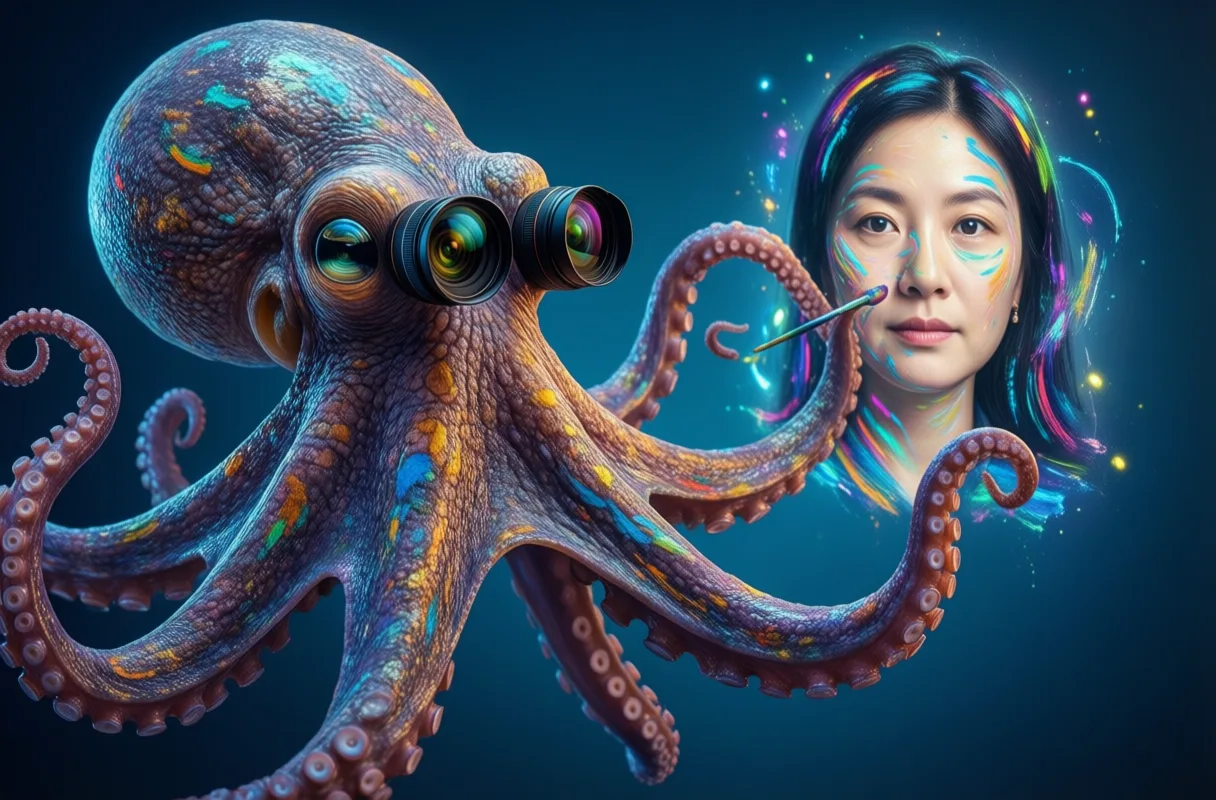
Final Frame: Rethinking Mobile Editing, One Smart Tap at a Time
We stand at a turning point where artificial intelligence stops mimicking human editors and starts redefining what editing means altogether. The goal is no longer to replicate darkroom techniques or emulate Photoshop mastery, but to create a seamless extension of intention-an interface so attuned to context and content that interaction fades into instinct.
Apps emerging in this space represent a quiet paradigm shift: from manual control to intelligent curation, from endless tweaking to trusted suggestion. They reflect a deeper truth about technology’s role in creative life-not to replace judgment, but to amplify it with insight derived from vast visual knowledge.
As these tools evolve, the measure of their success won’t be in how many filters they offer or how drastically they alter appearances, but in how naturally they help us see ourselves and our world more clearly. In that sense, the future of photo editing isn’t louder, faster, or flashier. It’s simpler-and wiser-for it.
More Than Just Filters: The Magic Behind Your AI Portrait
The Selfie Makeover You Didn’t See Coming
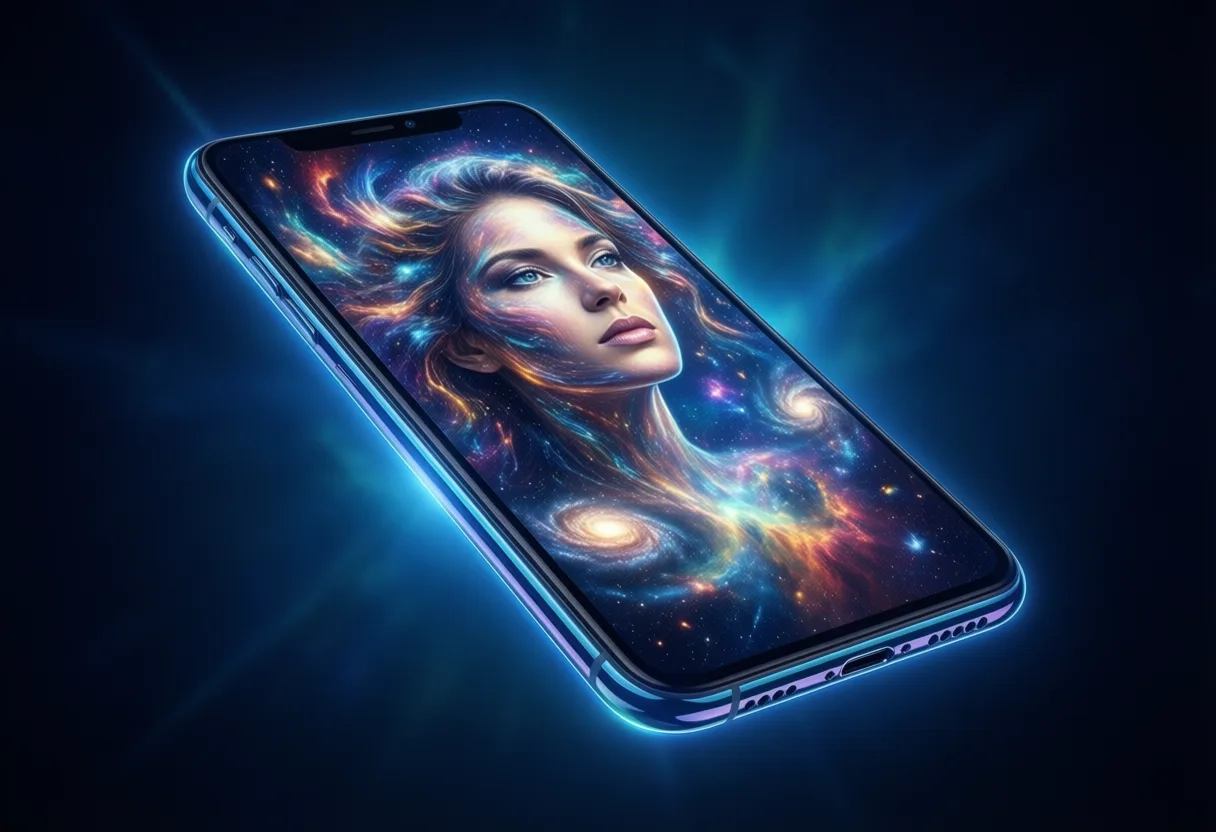
Lensa isn’t just another photo editor-it quietly became a viral sensation almost overnight. Back in late 2022, its AI-powered "Magic Avatars" feature exploded across social media, with users sharing fantastical portraits that transformed their selfies into anime warriors, Renaissance painters, or cyberpunk heroes. What made it so addictive? The app uses advanced neural networks trained on vast image datasets to blend your facial features with artistic styles, creating results that feel surprisingly personal, not just generic filters.
The technology behind the scenes is rooted in a type of AI model known for generating images from text descriptions. Instead of typing prompts yourself, Lensa does the heavy lifting-analyzing your photo and applying style transfers based on thousands of learned patterns. While many apps offer beautification tools, Lensa’s twist is turning self-portraits into digital art, blurring the line between photo editing and creative expression.
Interestingly, the buzz around Lensa also sparked conversations about data privacy and how AI interprets identity. Since the avatars are generated using your uploaded images, it raised questions about where those photos go and how they’re used. While the app promises encryption and temporary storage, it’s a reminder that fun tech often comes with trade-offs. Still, for many, the chance to see themselves reimagined as a fantasy character was worth the upload-proving that a little AI magic can go a long way in redefining how we play with self-image. Explore more stories, videos, and creators on Loaded.
Frequently Asked Questions
What is Lensa's Magic Avatars feature?
Lensa's Magic Avatars feature uses AI to transform selfies into stylized portraits, such as anime warriors or Renaissance painters. It blends facial features with artistic styles using neural networks trained on large image datasets.
How does Lensa edit photos differently from traditional apps?
Lensa uses AI to assess and adjust entire images at once, making contextual edits like lifting shadows and warming tones. It replaces manual sliders with smart, one-tap enhancements based on learned visual patterns.
Does Lensa keep my photos after editing?
The app promises encryption and temporary storage of uploaded images. However, since avatars are generated from uploaded photos, concerns exist about data privacy and usage.
Can Lensa fix blurry or poorly taken photos?
No, Lensa cannot turn a blurry or poorly composed photo into a high-quality image. It excels at subtle refinements when given a well-framed, reasonably lit photo with good focus.
This article was produced with AI assistance. How Neuron Magazine uses AI.
Zahra explores the frontiers of human enhancement, from neural implants to gene editing, with a focus on ethical implications and lived experience. She blends scientific rigor with intimate storytelling to illuminate how technology reshapes identity and lifespan.