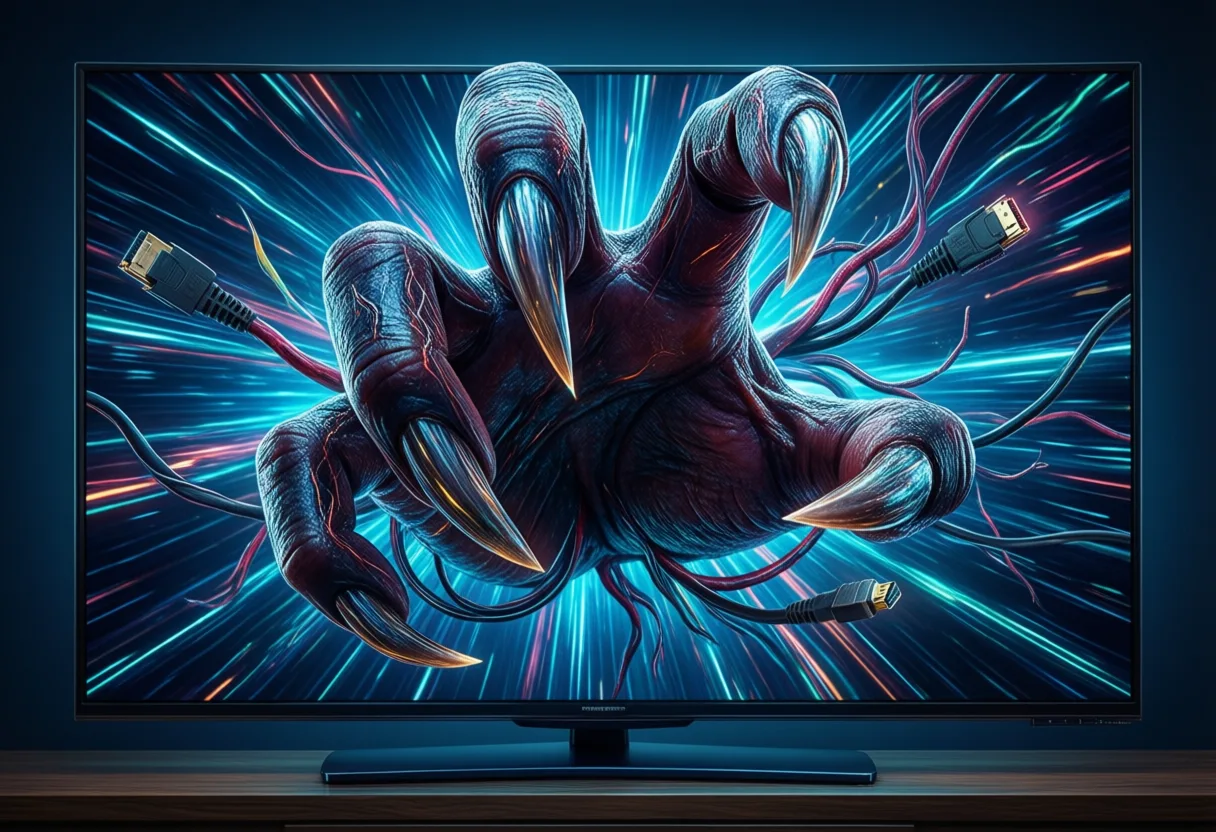
Why do we lean into fear? Why do we dim the lights, silence our phones, and press play on something designed to unsettle us?
Because horror Doesn’t just entertain-it reveals. It strips away comfort and forces us to confront what lurks beneath: isolation, loss, identity, and the fragility of control.
This month, Streaming platforms Are delivering films that don’t just shock but Simulate-like neural experiments in dread, perception, and human behavior under extreme pressure.
Why This Month Feels Like the Perfect Time to Dive Into Streaming Horror
October isn’t just calendar symbolism. The days are shortening. Light fades earlier. Shadows stretch longer across empty sidewalks. Our brains, wired for pattern recognition, start scanning the periphery-evolutionary reflexes flaring in low-light conditions.
Is it coincidence that Streaming catalogs Shift darker this time of year? Or is it alignment-a curated resonance with our circadian unease?
Horror thrives when reality feels unstable. And Right now, the world Is Unstable. AI reshapes labor. Climate systems stutter. Trust in institutions frays. We’re already primed for stories about things spiraling beyond control.
That’s why Good Scary movies To stream Aren’t just escapism-they’re stress tests. Simulations of collapse. Rehearsals for the unthinkable.
They ask: What would you do if the power went out? If your reflection moved first? If the voice on the phone knew your name-but no one was calling?
And they force us to answer-not with words, but with pulse rate, breath depth, and instinct.
For professionals who analyze risk, decision trees, and behavioral response, horror is less genre and more data stream.
The Quiet Ones Offering a Slow-Burn Alternative to Jump Scares
Not every threat announces itself with a shrieking violin. Some horrors whisper. They unfold like corrupted code-subtle, incremental, undetectable until the system fails.
Slow-burn horror trades jump scares for psychological erosion. It weaponizes patience. Think of it as social engineering for the nervous system.
These films rely on atmosphere, not ambush. A misplaced object. A delayed reply. A face in the background of a frame you swear wasn’t there before.
They exploit our brain’s predictive processing-our constant forecasting of what comes next. When that prediction fails, repeatedly, anxiety spikes. That’s not entertainment. That’s neurochemical manipulation.
Consider the protagonist who notices their partner speaks slightly off-words too precise, emotions too flat. Is it grief? Stress? Or something else wearing their skin?
No sirens. No chase scenes. Just a growing certainty that everything is Wrong, even if you can’t prove it.
It mirrors real-world threats: misinformation, deepfakes, algorithmic manipulation-where danger isn’t explosive, but insidious.
You won’t find these films leading trailers with gore. But you will find them on lists like Best Movies To Stream Right Now: Top Picks On Netflix, Hulu, And More, where curation favors depth over decibels.
Because sometimes, the most terrifying thing isn’t what jumps out-it’s what never leaves.
When Supernatural Elements Cross Into Psychological Territory
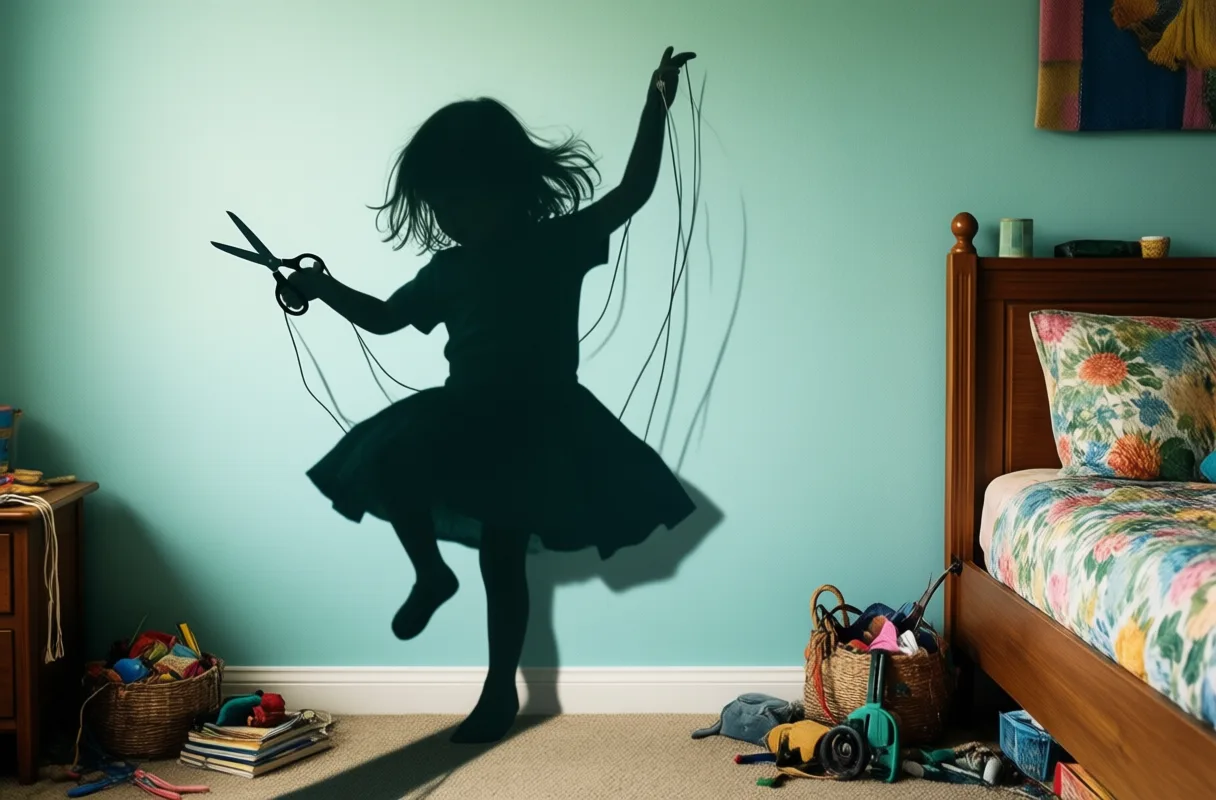
Ghosts used to be simple. White sheets. Cold spots. Voices through walls. But modern horror doesn’t stop at hauntings-it asks: What if the ghost is in your head?
Supernatural elements now blur with mental illness, trauma, and dissociation. Is the figure at the foot of the bed real? Or a manifestation of unresolved grief?
The line dissolves. And that ambiguity is the point.
Films today treat the mind as both battlefield and unreliable narrator. Memory fractures. Perception distorts. Reality glitches like a corrupted file.
One character hears whispers only they can decode. Another sees symbols etched into everyday objects-patterns that suggest a hidden design. Are they uncovering truth-or descending into psychosis?
This duality makes the horror personal. It’s not just “there’s a monster.” It’s “Am I the monster?”
And that question lingers long after credits roll.
It reflects a cultural moment where mental health is visible, discussed, yet still stigmatized. Where self-diagnosis spreads online like wildfire. Where everyone wonders: Am I coping-or breaking?
Horror gives form to that uncertainty. It externalizes internal chaos.
And in doing so, it becomes less about fear of death-and more about fear of losing yourself.
Not All Hauntings Happen in Houses-Expanding the Ghost Story
Forget creaky Victorian mansions. The haunted house is outdated infrastructure.
Today’s hauntings live in servers, subway tunnels, abandoned malls, and rental cabins with no cell service.
The ghost story has migrated. It follows us into spaces of isolation and technological dependence.
A film might center on a remote research station where logs show someone accessed secure files-after everyone died. Or a smart home that begins rearranging furniture at night, citing “optimal energy flow.”
These aren’t poltergeists. They’re digital echoes. Data ghosts. Residual consciousness trapped in silicon.
Even rural settings feel infected by connectivity. A village cut off from maps still has one Wi-Fi signal-weak, encrypted, broadcasting an old home video loop.
The haunting isn’t tied to land. It’s tied to memory storage.
And the rules have changed. You can’t salt and burn a hard drive. You can’t exorcise a cloud backup.
So characters try factory resets. Physical destruction. Electromagnetic pulses. But deletion isn’t the same as erasure.
Some data persists. Some patterns repeat.
And some films suggest the haunting was never In The machine-it was in the user all along.
Trauma doesn’t need walls. It travels. It embeds. It reactivates under stress.
So the real ghost isn’t in the basement. It’s in the way you flinch at a certain tone of voice.
The setting just gives it shape.
Found Footage That Still Delivers in the Age of Overproduction
Let’s be honest: found footage is oversaturated. For every Paranormal Activity, there are twenty cheap knockoffs shot on fake camcorders with shaky hands and zero stakes.
So why does the format still work-when done right?
Because authenticity bypasses skepticism. When a film feels unscripted, your brain lowers its guard. You stop watching. You start Witnessing.
The best entries use limitations as leverage. No sweeping scores. No dramatic lighting. Just grain, muffled audio, and decisions that seem irrational-until you’re in them.
Imagine reviewing security clips and noticing a figure entering a room you know was locked. Then realizing the timestamp shows it happening While you were asleep in the next room.
No music swells. No slow zoom. Just cold recognition.
That’s the power of the format: it simulates real-time discovery. Your understanding unfolds frame by frame, just like the protagonist’s.
And in an era of deepfakes and synthetic media, found footage also asks: Can you trust what you see-even when it’s labeled “real”?
Some films embed fake metadata. Others mimic TikTok uploads or police evidence files. The presentation blurs with reality.
You’re not just watching a story-you’re analyzing it.
Which makes the payoff devastating when the final clip shows something impossible… captured in perfect focus, with no explanation.
It’s not about quality. It’s about plausibility.
And that’s why the format endures: because deep down, we fear that one day, the footage won’t be fiction.
How Modern Horror Uses Isolation to Amplify Fear
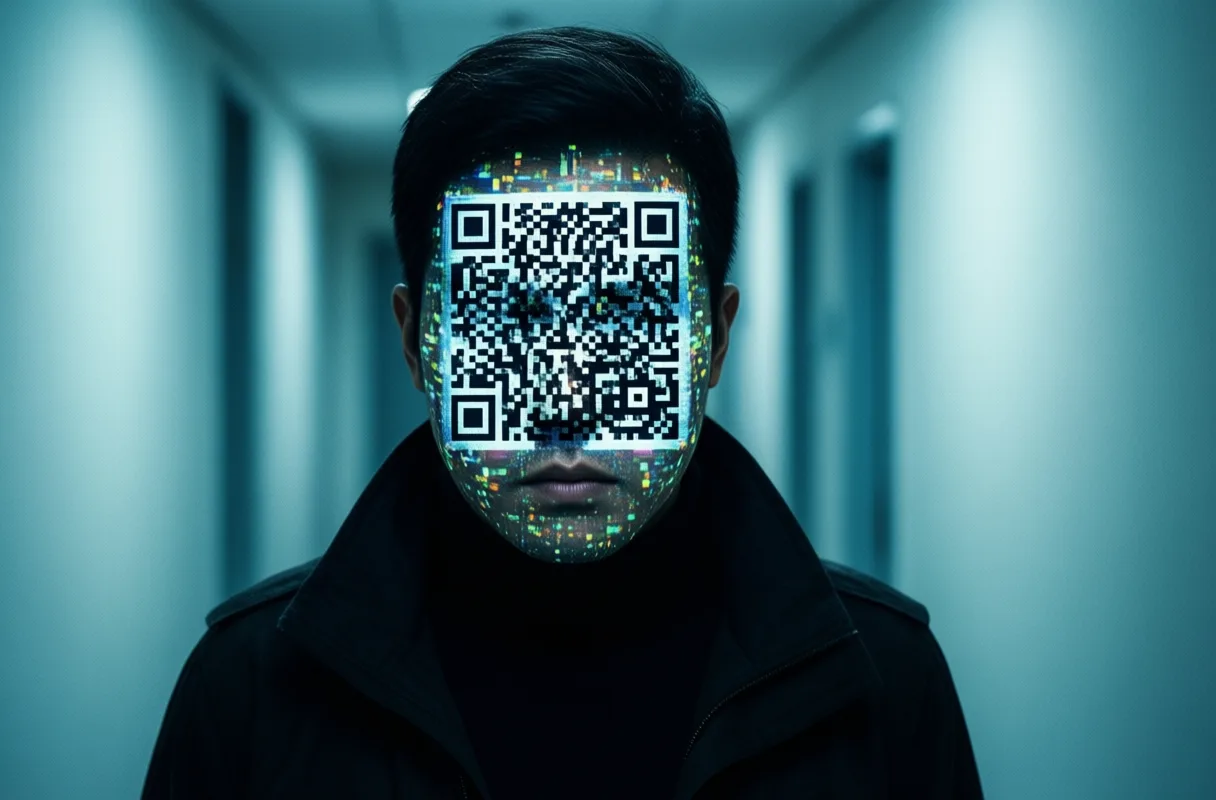
Place a person in a crowd, and they feel safe. Remove everyone-and suddenly, every sound carries weight.
Modern horror understands this. It isolates. It cuts connections. It removes exits.
Think of a character stranded on a highway with dead GPS, dead battery, and headlights revealing nothing but fog. No cars. No signals. Just silence pressing in.
Isolation isn’t just physical. It’s informational. Emotional. Technological.
A scientist in an Arctic lab receives the last transmission: “Do not let anyone in.” Then-static. No way to verify. No way to escape.
Doubt becomes the enemy. So does time.
Without input, the brain generates its own. Hallucinations rise. Paranoia structures thought.
Isolation turns the mind against itself-like a neural network trained on noise.
And streaming platforms amplify this effect. You watch alone. In the dark. With headphones. The film doesn’t need to create isolation. It leverages yours.
That’s meta-horror: the environment outside the screen enhances the terror within.
Films exploit this by minimizing dialogue, stretching silence, and using negative space-what’s Not Shown becomes the threat.
You start listening to your own breath. Your own heartbeat.
And when the scare finally comes, it feels personal. Not staged. Not performed.
Like it was waiting for you.
From Cult Rituals to Hidden Villages: Folk Horror’s Streaming Surge
Folk horror isn’t new. But it’s having a moment-one fueled by distrust in institutions and a resurgence of localized belief systems.
Instead of demons from hell, we get entities rooted in soil, stone, and ancestral silence. Places where the land remembers what people forget.
Remote villages. Off-grid communes. Forgotten Highways with roadside shrines that warn in languages you don’t recognize.
These stories thrive on exclusion. Outsiders aren’t welcome. Rules exist-but they’re unwritten. Break one, and the consequences aren’t legal. They’re metaphysical.
A character picks a flower. Eats local meat. Answers a question wrong. And suddenly, the weather changes.
Nature itself turns hostile.
This subgenre resonates now because it mirrors real-world tensions: globalization vs. Tradition, science vs. Faith, connectivity vs. Sovereignty.
But it also taps into something deeper: the fear of being Outside the loop. Of not understanding the rules-and paying the price.
Streaming platforms are feeding this trend with atmospheric, slow-building tales where the climax isn’t a battle-but a realization.
You weren’t invited to the ritual because you weren’t meant to survive it.
And the scariest part? The villagers aren’t evil. They’re Correct-by their own logic.
They’re preserving balance. You’re the disruption.
So the horror isn’t just survival. It’s moral disorientation.
You leave questioning not just what happened-but who was really in the wrong.
The Role of Ambiguity in Leaving Viewers Unsettled for Days
What’s scarier: seeing the monster or knowing it’s nearby?
Ambiguity is the ultimate weapon. Because imagination always designs something worse than CGI.
The best horror doesn’t explain. It suggests. It leaves gaps. And your brain rushes in to fill them-with your worst fears.
A film ends with a character walking into fog, voice saying, “It’s okay now.” Cut to black. Was it rescue? Or assimilation?
No answer. Just silence.
That lack of closure isn’t a flaw. It’s a feature. It keeps the simulation running in your mind.
Dreams replay fragments. You wake up certain something was watching you-from the corner, the closet, the static on a paused screen.
Ambiguity exploits cognitive bias. We detect patterns, even in randomness. We assume intent, even in silence.
So when a film refuses resolution, your brain keeps working. Searching. Predicting.
It’s like an unsolved equation haunting your subconscious.
And in professional fields-AI, cybersecurity, strategy-ambiguity is the real threat. Not known risks. Unknown ones.
That’s why these films resonate with analysts, engineers, and decision-makers. They simulate uncertainty.
They train you to sit with not knowing.
And they remind you: sometimes, the most dangerous thing isn’t the threat itself-but the inability to define it.
Where Body Horror and Emotional Trauma Intersect on Screen
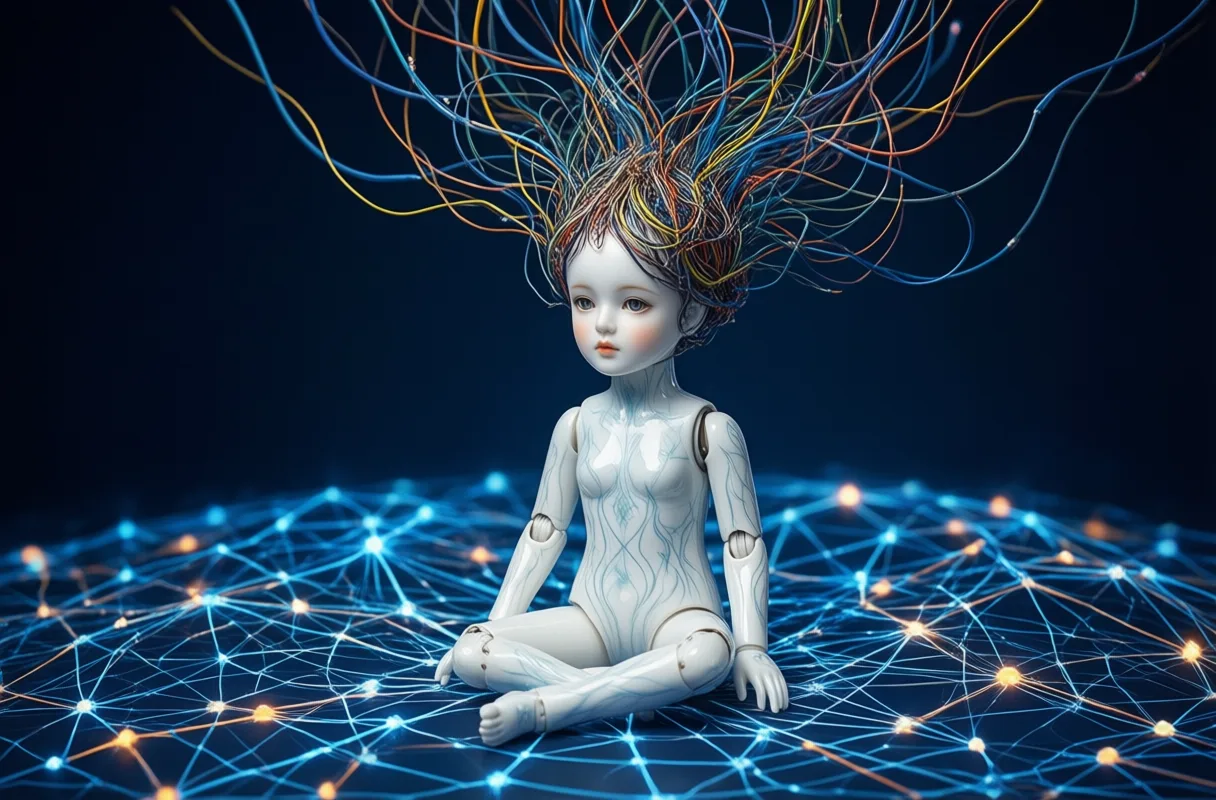
Body horror isn’t about gore. It’s about loss of control. About waking up and not recognizing your own skin.
It asks: What if your body betrayed you? Changed without consent? Responded to forces you can’t see?
Think of a character whose reflection ages rapidly. Or whose limbs move independently. Or who wakes up speaking a language they’ve never learned.
The physical becomes alien. Familiarity evaporates.
This mirrors real experiences: chronic illness, PTSD, gender dysphoria, neurological disorders-where the self feels disconnected from the vessel.
Modern films tie bodily transformation to emotional history. The mutation isn’t random. It’s symbolic.
A woman abused in childhood develops a second set of teeth along her spine-emerging when she lies. A man grieving his son grows extra eyes-always open, always watching.
The body tells the truth the mind suppresses.
And the horror isn’t in the mutation-it’s in the inevitability. There’s no cure. No reversal. Only adaptation.
These films reject clean resolutions. Healing isn’t about returning to normal. It’s about integrating the abnormal.
They challenge the myth of bodily autonomy. How much control do we really have?
In an age of genetic editing, neural implants, and biohacking, that question isn’t sci-fi. It’s forecast.
So body horror becomes prophecy. A warning written in flesh.
Because one day, our bodies may change-not by evolution, but by design.
And we may not recognize ourselves in the mirror.
What Makes a Streaming Horror Pick Stand Out in a Crowded Lineup
With thousands of titles available, what separates the memorable from the mindless?
It’s not budget. Not star power. Not franchise legacy.
It’s Resonance. The ability to linger. To echo in quiet moments.
A standout horror film doesn’t end when the screen goes dark. It migrates-into dreams, into thoughts, into the way you check locks before bed.
It operates like a virus: subtle incubation, delayed symptoms, long shedding period.
It uses restraint. Suggests more than it shows. Lets silence speak.
And it respects intelligence. No cheap tropes. No illogical choices. Characters act like real people under stress-not plot devices.
The best ones embed themes relevant to now: surveillance, identity fragmentation, algorithmic influence, ecological collapse.
They’re not just about fear. They’re about Meaning.
And they reward rewatches-not for clues, but for layers.
You notice the background detail you missed. The line that lands differently. The foreshadowing buried in mundane dialogue.
That depth is rare. But when it’s there, you feel it.
And that’s why you return to Best Movies To Stream Right Now: Top Picks On Netflix, Hulu, And More-not for quantity, but for curation.
Because in a flood of content, discernment is survival.
Final Frames That Linger-Movies That Don’t Let You Look Away
Some endings release you. Others trap you.
The most powerful horror films conclude not with victory-but with transformation.
The protagonist doesn’t escape. They accept. They join. They become part of the pattern.
The camera pulls back to reveal the house was always there. The cult was always waiting. The signal was always transmitting.
And you realize: this wasn’t a story about stopping evil. It was about realizing you were never outside it.
Final frames show calm faces staring into voids. Smiles that don’t reach the eyes. Hands reaching not for help-but for connection to something ancient.
No music. No text crawl. Just image. And implication.
You close the app. Turn off the lights. Lie down.
But your mind stays active. Processing. Projecting.
Was that door always open? Did that shadow move?
The film ended. But the experience didn’t.
It merged with your reality.
And in that fusion-between screen and psyche, fiction and fear-lies the true power of horror.
Not to scare. But to Change.
Chills Without the Commitment
Streaming platforms are packed with spine-tingling picks this month, and sometimes the best scares come with a side of fun facts. Did you know that some horror franchises have roots in real urban legends or were inspired by bizarre historical events? While you're scrolling through Netflix and Hulu for your next fright fix, keep in mind that many modern classics started as low-budget passion projects-proof that a killer idea often matters more than a massive budget. These films prove that tension can be built with atmosphere, sound design, and clever storytelling rather than just jump scares.
Hidden Ties and Surprising Origins
A few current streaming standouts have connections you might not expect. For instance, while the X-Men series leans into superhero action, several entries flirt with body horror and dystopian dread-genres that share DNA with psychological thrillers now lighting up streaming queues. Fans of eerie, identity-bending tales might appreciate how those themes echo in both genres. You can explore that entire saga over on Disney Plus where all 13 X Men Movies Stream All 13 Available On Disney Plus if you want to dive into mutant mayhem with a darker edge.
Another fun tidbit: some of this month’s most effective horror scenes were achieved practically, using old-school effects instead of CGI. Think creepy puppets, clever camera tricks, or handmade prosthetics-tactics that often feel more tangible and unsettling than digital creations. It's a reminder that innovation in horror isn’t always about new technology; sometimes it’s about reinventing what we already have. Keep an eye out for behind-the-scenes features on certain titles-you’ll gain a whole new appreciation for the craft behind the creepiness.
Frequently Asked Questions
Why is October a good time to watch horror movies on streaming platforms?
The shorter days and longer shadows of October create a natural atmosphere of unease. Streaming catalogs shift darker during this time, aligning with our heightened sensitivity to fear and the unknown.
What makes slow-burn horror different from typical jump scare films?
Slow-burn horror focuses on psychological tension and atmosphere rather than sudden shocks. It uses subtle, incremental changes to erode the viewer's sense of reality and safety over time.
How does modern horror blur the line between supernatural elements and mental health?
Many modern horror films present supernatural events that could also be symptoms of trauma, grief, or psychosis. This ambiguity makes the horror more personal and psychologically complex.
Why does found footage horror still work despite being overused?
When done well, found footage feels authentic and unscripted, making viewers feel like they are witnessing real events. Its realism bypasses skepticism and heightens fear through plausibility.
This article was produced with AI assistance. How Neuron Magazine uses AI.
Malik dissects how artificial intelligence transforms decision-making in governments and corporations, tracking algorithmic power shifts and policy gaps. He writes with clarity and urgency, making high-stakes tech strategy accessible without oversimplifying its risks.