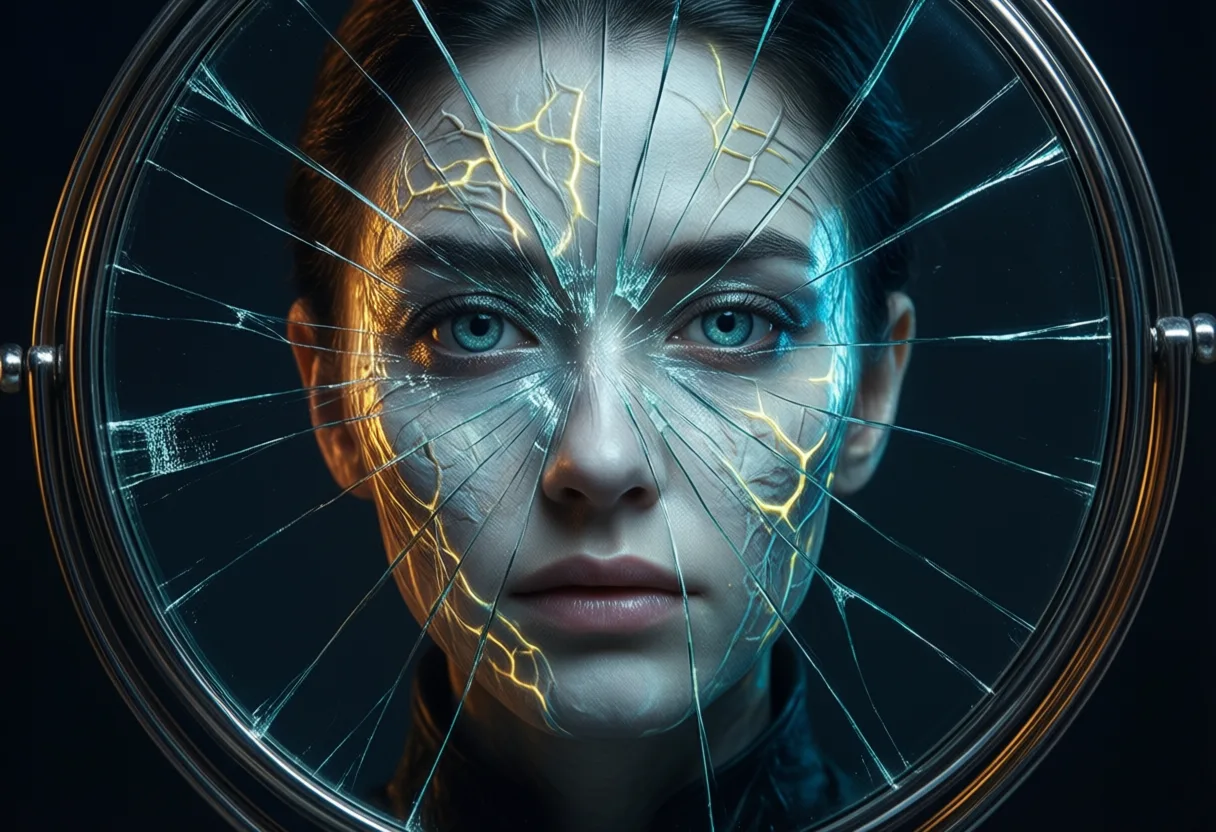
It’s Friday night. The dishes are done, the notifications silenced, and the couch has been ceremonially reclaimed. You reach for the remote not for distraction, but for descent - into shadow, suspense, and the delicious unease only Horror Can deliver.
We don’t watch horror to escape reality. We watch it to feel more alive within it.
Why Horror Still Rules the Streaming Night
There’s a rhythm to fear. A breath held too long. A flicker at the edge of the screen. A sound that shouldn’t be there. And in the age of infinite scrolling, horror remains one of the few genres that Still commands Full attention - not through spectacle, but through tension.
Streaming platforms Have turned our homes into private theaters of dread. No more waiting for midnight showings or hoping the video store has one copy left. Now, the fear is on demand, curated, and eerily personal. Algorithms learn what scares us and serve it back, like a digital Ouija board spelling out our deepest anxieties.
Horror doesn’t just survive in the Streaming era - it thrives. It adapts. It evolves. And this weekend, it’s waiting for you in the dark.
What Makes a Streaming Horror Film Worth Your Time?
Not every film that calls itself horror earns the title. A shaky camera and a loud noise don’t make art - they make noise. What separates the memorable from the forgettable is intention. A story that lingers. A mood that seeps into your bones. A question that follows you past the credits.
The best horror on Streaming Doesn’t just scare you - it unsettles your assumptions. It asks: What if the walls could talk? What if grief had a shape? What if the thing under the bed was you, ten years ago, begging you to remember?
Look for films that trust silence. That let dread build in the spaces between action. That understand fear isn’t just in the monster - it’s in the moment before the monster shows itself.
- A slow zoom on an empty hallway
- A phone that rings with no caller
- A reflection that doesn’t match
These are the details that haunt. These are the films worth your time.
The Psychology of Fear in the Age of On-Demand Chills
We pay for comfort. Heated seats. Seamless interfaces. Instant gratification. And yet, we willingly pay to be terrified. Why?
Fear, in controlled doses, is a kind of reset. It sharpens the senses. It pulls us out of our mental loops. For 90 minutes, you’re not thinking about your inbox - you’re wondering if the protagonist will make it to the car in time.
Streaming has made fear more accessible, but also more intimate. You’re not in a crowd, feeding off shared gasps. You’re alone, or nearly so, with the screen glowing like a campfire in the dark. The fear feels closer. More personal.
It’s not just about survival. It’s about recognition. We watch horror to see our anxieties made visible - isolation, loss, the unknown - and to test, in some small way, whether we’d make it through.
A New Wave of Elevated Horror
Gone are the days when horror meant splatter and screaming teens. A new generation of filmmakers is using the genre to explore identity, trauma, and the fragility of the mind. These films don’t just scare - they resonate.
They’re called “elevated horror,” but that label undersells them. They’re not horror plus - they’re horror reimagined. Films where the monster is capitalism, or memory, or the weight of history.
Think of a house that remembers every argument ever shouted within its walls. A forest that only appears on certain nights. A mirror that shows not your face, but your regrets.
These aren’t jump-scare machines. They’re slow-burn experiences that leave you staring at the ceiling afterward, wondering what you just watched - and what it said about you.
Throwbacks That Still Deliver the Scares
Some films age like wine. Others age like nightmares - and that’s a compliment.
The horror of the ’70s, ’80s, and ’90s had a tactile quality. Practical effects. Analog sound design. A belief that what you didn’t see was scarier than what you did. And many of those films still hold up, not just as nostalgia, but as masterclasses in tension.
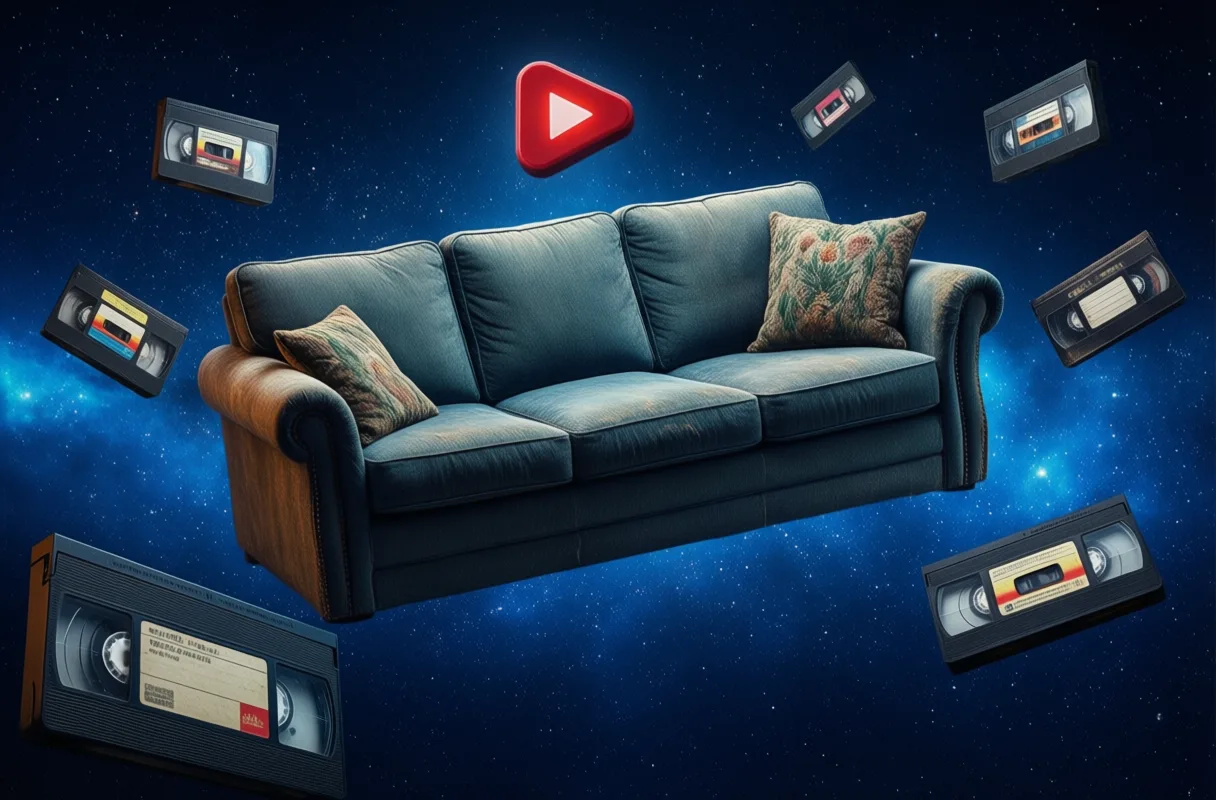
There’s something deeply satisfying about a VHS-era aesthetic on a 4K screen. The grain, the synth score, the deliberate pacing - it feels like a rebellion against the hyper-edited, algorithm-optimized content that dominates streaming.
Revisiting these classics isn’t just about comfort. It’s about context. They remind us where the genre came from - and how much it’s evolved.
International Nightmares You Can’t Afford to Miss
Fear doesn’t speak English. It speaks silence. It speaks shadow. It speaks through customs, folklore, and cultural taboos that vary from country to country.
Some of the most chilling horror films today come from outside Hollywood. A Japanese ghost story where the horror is in the stillness. A South Korean thriller where the villain is bureaucracy. A Scandinavian folk horror where the forest itself is the antagonist.
These films expand what horror can be. They introduce new myths, new fears, new ways of telling stories that don’t rely on exposition or explanation.
And they’re more accessible than ever. Subtitled, streaming, and waiting. Because terror, it turns out, is a universal language.
The Rise of the Quiet Horror
Not all horror screams. Some of it whispers.
The quiet horror film doesn’t need a masked killer or a demonic possession. It finds fear in the mundane - a missed call, a locked door, a child’s drawing that wasn’t there yesterday.
These films are patient. They linger on faces, on rooms, on the weight of unspoken grief. They understand that real horror often wears a normal face.
They’re the ones that leave you checking the locks twice. That make you pause a podcast when a voice sounds too familiar. That turn your home into a place of quiet unease.
And they’re having a moment - not because they’re trendy, but because they feel true.
Where to Find Hidden Gems This Weekend
You don’t always need the top-billed title. Sometimes the best horror is buried in the “Because You Watched” row, or tucked into a niche category like “Atmospheric Thrillers” or “Unsettling Dramas.”
Streaming libraries are deep. And the more you explore, the more you realize how much horror defies genre. A sci-fi film can be horror. A family drama can be horror. A documentary about abandoned buildings? Could be horror.
For the curious viewer, the hunt is part of the thrill. The joy of stumbling upon something no one’s talked about - only to realize it’s exactly what you needed.
For a curated list of underrated picks, check out Best Horror Movies Streaming That Will Terrify You - a deep dive into the films flying under the radar.
This Weekend’s Must-Watch Lineup
1. A haunting descent into isolation and guilt
A lone researcher stationed in the Arctic begins to question their sanity when radio signals from home grow distorted. The cold isn’t just outside - it’s in the walls, in the dreams, in the voice that whispers their name when no one’s there.
2. A home invasion with metaphysical stakes
A family moves into a renovated farmhouse, only to discover the previous owners never really left. But these aren’t ghosts - they’re echoes, trapped in a loop of their final hours, and they want out.
3. A cursed small town with buried secrets
Every 33 years, someone disappears without a trace. The townspeople don’t talk about it. They just prepare. This year, a journalist arrives to investigate - and becomes part of the cycle.
4. A grieving parent’s journey through supernatural grief
After losing their child, a parent begins receiving messages - not through email or text, but through static on old radios, scribbles in library books, and reflections in puddles. The messages are simple: I’m not gone. I’m just elsewhere.
5. A retro-fueled nightmare from the 1980s
Shot on grainy 16mm, this film follows a group of teens documenting a local legend about a radio tower that broadcasts voices from the future. The footage they recover should not exist.
6. A found-footage film that feels terrifyingly real
Presented as recovered surveillance and bodycam footage, this film follows a night shift security team in an abandoned hospital. The footage cuts out at 3:17 a.m. Every time.
7. A psychological spiral with no escape
A woman wakes up in a soundproof room with no memory of how she got there. The only clue: a screen that plays scenes from her past - but with small, impossible changes.
How to Build the Perfect Horror Binge Experience
Horror isn’t just watched - it’s experienced. And the setting matters.
Dim the lights, but don’t turn them all off. Let the screen be the only source of light. Use headphones if you can - fear lives in the details of sound design. A creak. A breath. A whisper just below the music.
Don’t multitask. Horror demands presence. Put the phone down. Let the story pull you in. And if you’re watching with someone, resist the urge to comment after every scare. Let the silence linger.
And most importantly - choose your film with intention. Not just “something scary,” but something that matches your mood. Are you ready for grief? For dread? For a wild, gory ride?
The right film, at the right time, doesn’t just scare you. It changes you.
The Myth of the Disposable Jump Scare Movie
We’ve all seen them - the films churned out for Halloween, packed with jump scares and little else. They’re often dismissed as cheap, lazy, or forgettable.
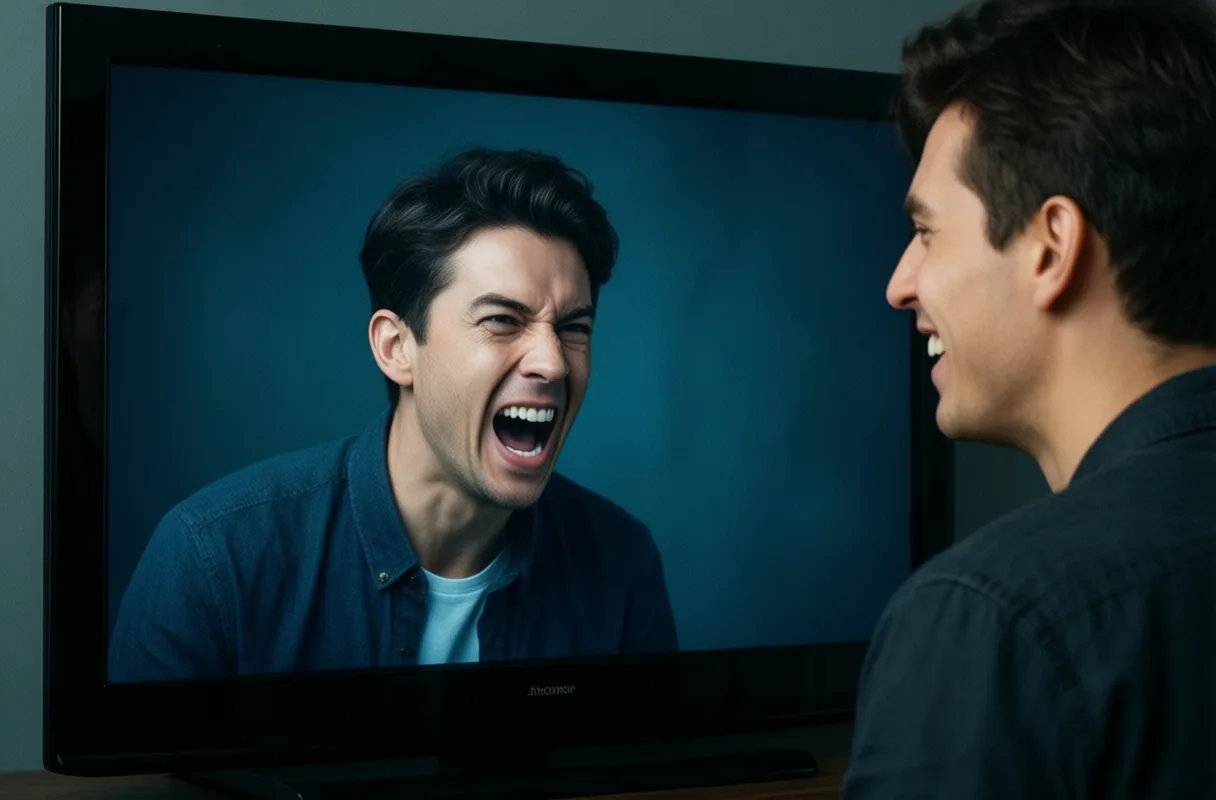
But even these films serve a purpose. They’re the comfort food of horror - familiar, predictable, satisfying in their way. Sometimes, you don’t want a slow-burn meditation on mortality. You want a door to slam, a cat to leap, and a scream to follow.
And not every jump scare is empty. Some are expertly timed. Some are earned. Some come after minutes of unbearable tension, making the release feel almost cathartic.
The real myth isn’t that jump scare movies are worthless. It’s that horror has to be serious to be valuable. Fear comes in many forms - and all of them count.
What Horror on Streaming Reveals About Us
We are drawn to horror not because we enjoy suffering, but because we want to understand it. To face it. To survive it - even if only in fiction.
The stories we stream, the fears we choose to invite into our homes, say something about who we are. The rise of isolation narratives. The obsession with surveillance. The fascination with memory and identity.
Horror, at its best, is a mirror. It shows us our anxieties, our secrets, our resilience. It reminds us that we’re still capable of being startled, of being moved, of being awake.
And in a world that often feels numb, that’s a kind of magic.
The Final Frame: Why We Press Play in the Dark
Because we want to feel something real.
Because we want to test our courage.
Because we want to emerge, blinking, into the light - changed.
Horror doesn’t offer escape. It offers confrontation.
And this weekend, it’s waiting for you.
Just press play.
And don’t look away.
| Film Concept | Core Fear |
|---|---|
| A researcher in the Arctic hears whispers when no one is there. | Isolation and guilt |
| A family moves into a farmhouse haunted by time-loop echoes. | Metaphysical home invasion |
| A journalist investigates disappearances in a cursed town. | Buried generational secrets |
| A grieving parent receives messages through static and reflections. | Supernatural grief |
| Teens record a radio tower broadcasting voices from the future. | Retro-fueled prophecy |
| Security footage from an abandoned hospital cuts out at 3:17 a.m. | Found-footage realism |
| A woman sees altered scenes from her past on a mysterious screen. | Psychological manipulation |
Why Horror Thrives on Your Screen This Weekend
The Brain on Scares
Horror movies don’t just make your heart race-they actually change how your brain works while you watch. When jump scares hit or tension builds, your amygdala kicks into high gear, priming your body for fight or flight. But here’s the twist: many people Enjoy This rush. That post-scare relief? It often comes with a burst of dopamine, turning fear into a weirdly satisfying experience-like emotional rollercoaster therapy from your couch.
Streaming has quietly reshaped how we consume horror, making niche subgenres more accessible than ever. Found footage, folk horror, and psychological thrillers that once played in arthouse theaters or film festivals now find eager audiences with a simple scroll. You can go from a 1970s Italian giallo to a South Korean home-invasion thriller in under a minute-no midnight drive to a video store required.
More Than Just Gore
Contrary to stereotype, the most effective horror rarely relies on blood and guts. Some of the genre’s most chilling moments happen in silence-a creak on the stairs, a shadow shifting in the corner. Films like The Babadook Or Hereditary Use dread as a slow burn, weaving trauma and family tension into supernatural plots. These stories stick with viewers not because of what they show, but because of what they make us feel long after the credits roll.
And streaming platforms have become unexpected champions of international horror, giving space to voices outside Hollywood. From Japanese ghost stories steeped in tradition to Nigerian tales blending folklore with modern fears, the variety available means there's likely a flavor of fright perfectly matched to your mood-whether you're flying solo or hosting a virtual scream session with friends.
Frequently Asked Questions
Why do people enjoy watching horror movies on streaming platforms?
Horror commands full attention through tension, not just spectacle. Streaming makes fear accessible and intimate, allowing viewers to confront anxieties in a controlled way.
What defines elevated horror in modern films?
Elevated horror uses the genre to explore identity, trauma, and psychological fragility. It reimagines horror with deeper themes like grief, memory, or societal pressures.
How does quiet horror create fear differently from traditional horror?
Quiet horror finds fear in the mundane-missed calls, locked doors, unexplained drawings. It builds unease through silence, pacing, and emotional weight rather than jump scares.
Are older horror films still worth watching today?
Yes. Many horror films from the ’70s to ’90s remain effective due to practical effects, analog sound design, and a focus on suspense over exposition.
This article was produced with AI assistance. How Neuron Magazine uses AI.
Saoirse investigates how automation, remote systems, and AI reshape labor, careers, and human purpose. She centers worker voices and cultural change, blending data with narrative depth to reveal what the future feels like on the ground.