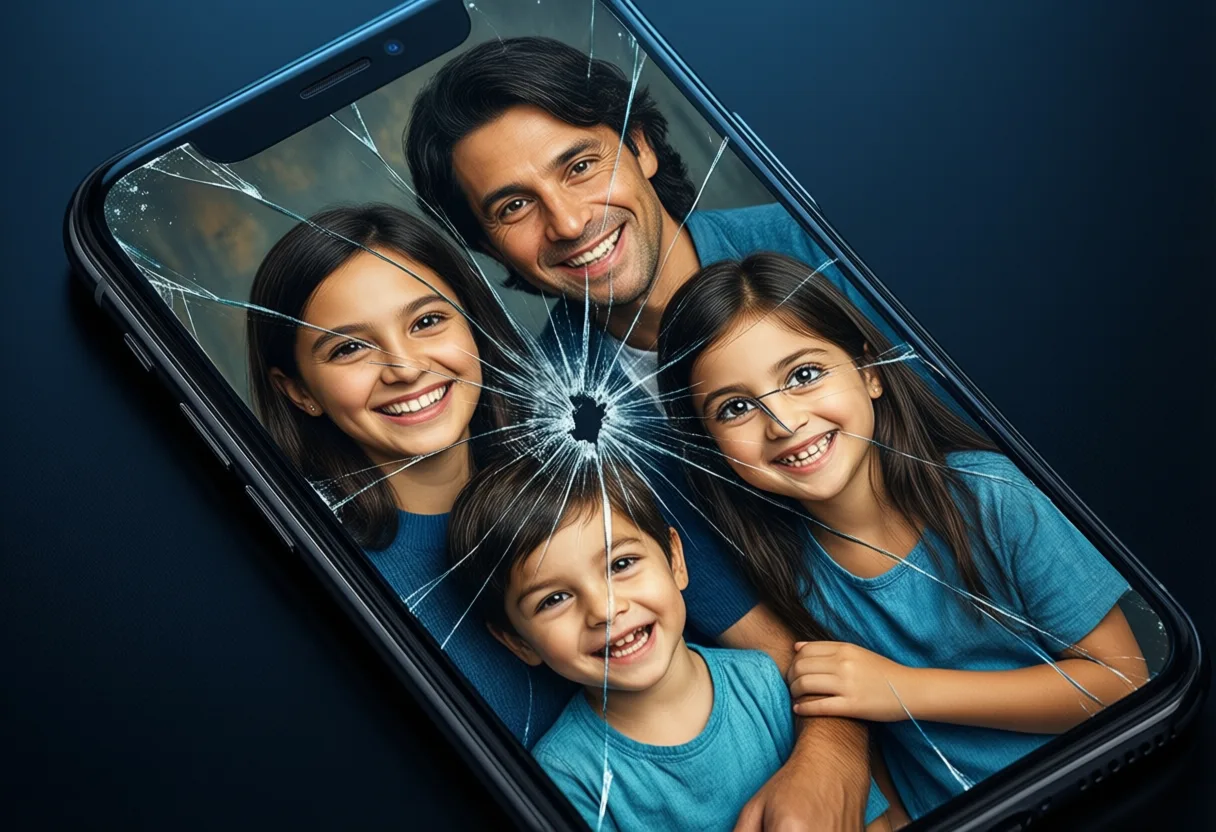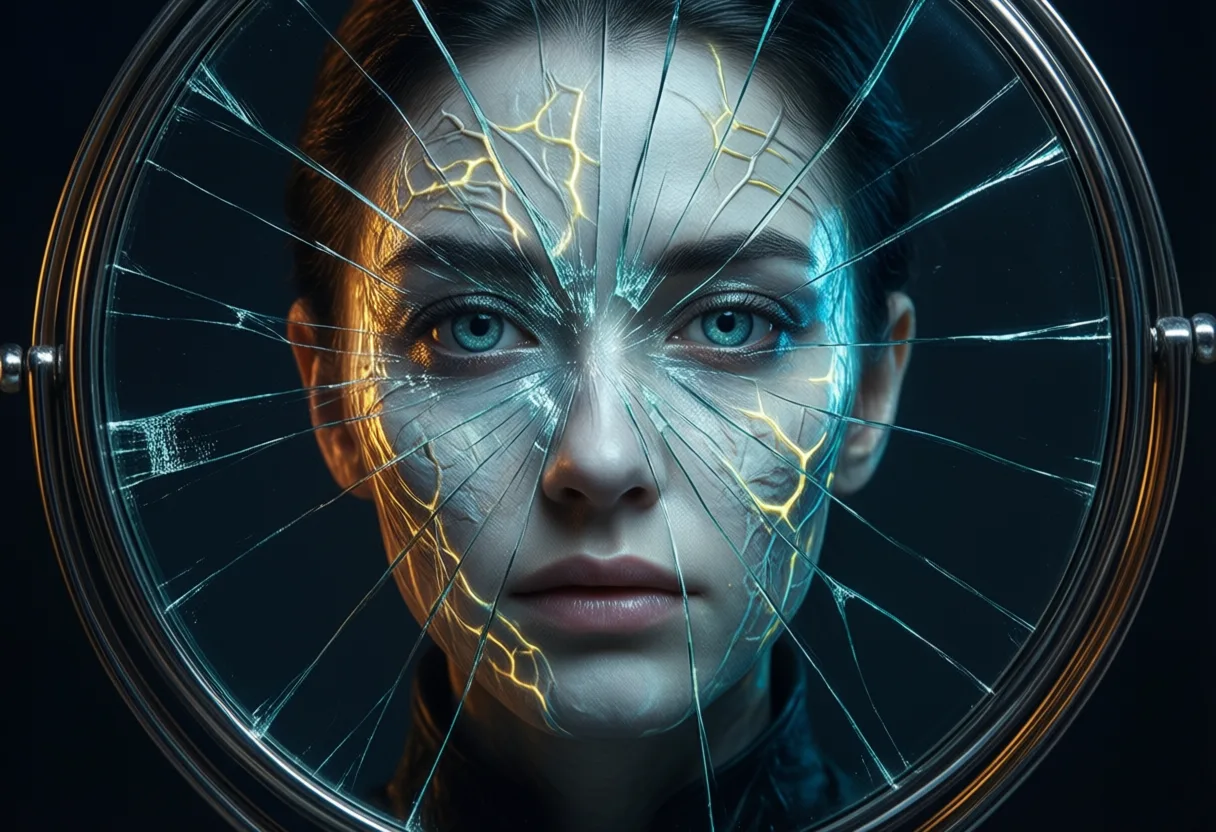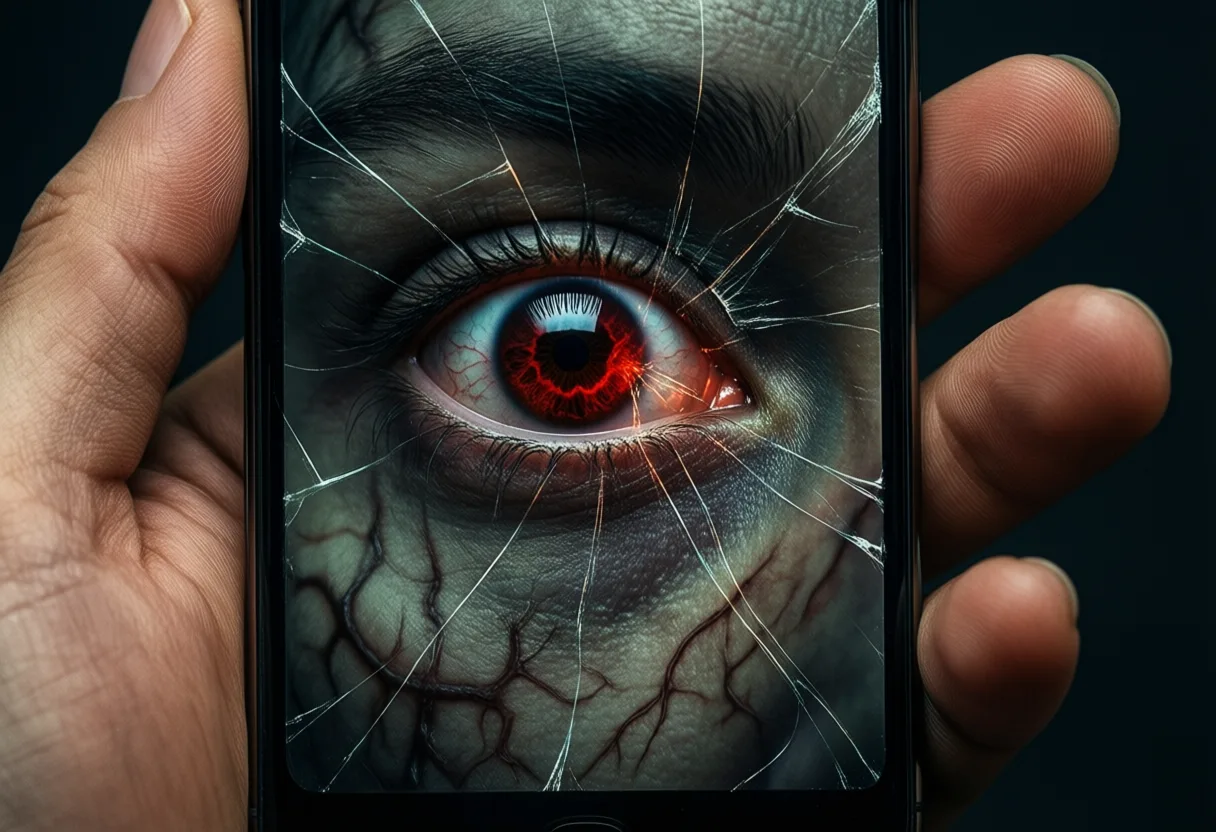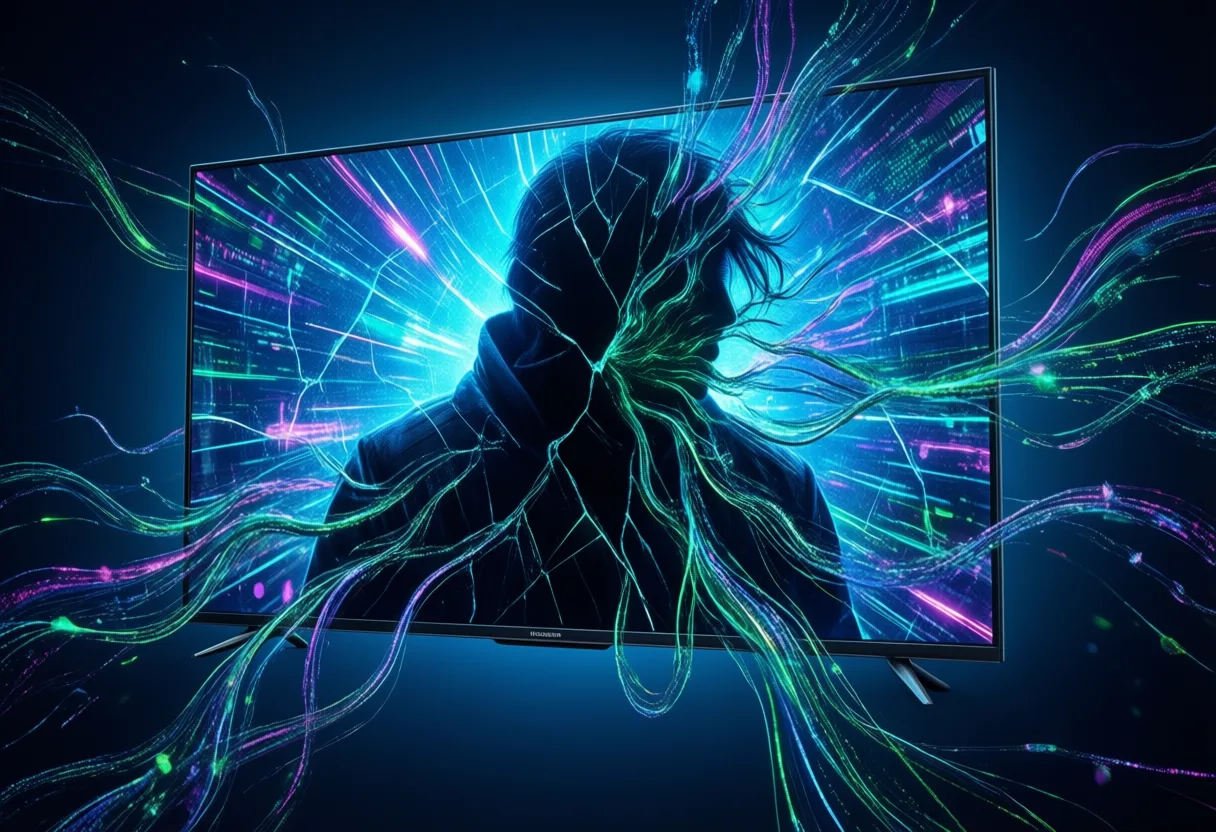
Fear is not merely an emotion-it’s a physiological cascade, a synaptic storm that lights up the amygdala like a supernova in the dead of night. In an age where our brains are bombarded with dopamine loops from curated feeds and algorithmic echoes, Horror cinema Offers something rare: a controlled descent into the primal, a voluntary plunge into the dark that reminds us what it means to be alive.
Streaming platforms Have transformed how we encounter fear, turning the ritual of fright into an on-demand experience, accessible with a click, calibrated to our circadian rhythms and cortisol levels. No longer bound to midnight screenings or VHS tapes with frayed edges, we now summon dread from the cloud, our smart devices glowing like modern-day ouija boards.
What follows is not a mere list, but a curated journey through the architecture of anxiety-Films That exploit the vulnerabilities of perception, time, and trust, each one a masterclass in psychological and physiological manipulation.
The Science of Scares: Why Our Brains Crave Fear
Horror films Trigger a paradoxical pleasure, activating the brain’s reward circuitry even as the body prepares for flight or fight. When a shadow moves across the screen, pupils dilate, breath quickens, and the adrenal glands flood the bloodstream with epinephrine-yet we stay seated, often leaning forward, compelled by a curiosity older than language.
This response is not a glitch but an evolutionary feature: simulated threats allow the brain to rehearse survival strategies without real-world risk. Functional MRI studies show that during suspenseful scenes, regions associated with empathy, prediction, and threat assessment engage intensely, as if the mind is running a diagnostic on its own resilience.
The most Effective horror Doesn’t rely on jump scares alone but on sustained tension, the slow erosion of certainty. It exploits our sensitivity to pattern recognition-when a melody repeats with slight variation, when a reflection moves out of sync, when silence stretches just a second too long.
- The uncanny valley, where near-human figures trigger subconscious unease, is a favorite tool of modern horror.
- Temporal distortion-loops, time skips, fragmented narratives-mimics the disorientation of trauma.
- Sensory deprivation, such as muffled sound or blurred vision, heightens vulnerability.
These techniques mirror real neurological phenomena, from sleep paralysis to dissociative states, making the fictional feel disturbingly plausible. The line between simulation and reality blurs, not because the story is realistic, but because the body cannot always distinguish imagined threat from actual danger.
For those who biohack their emotional thresholds, Horror Becomes a form of cognitive training-a way to observe fear without being ruled by it.
Psychological Horror: When the Mind Is the Monster
Some of the most enduring horror stories unfold not in haunted houses but in fractured psyches, where the antagonist is memory, identity, or perception itself. These films understand that the brain, left to its own devices, can conjure terrors more intricate than any monster.
Consider the slow unraveling of a protagonist who can no longer trust their senses-mirrors show different faces, loved ones speak in unfamiliar tones, time folds back on itself. The horror here is not in gore but in the erosion of self, a condition not far from clinical disorders like depersonalization or Capgras syndrome.
Such narratives resonate because they reflect real anxieties about autonomy in an age of deepfakes, AI-generated voices, and algorithmic manipulation of memory through digital footprints.
One can find a selection of these cerebral terrors among the Best Horror Movies Streaming That Will Terrify You, where the emphasis is not on spectacle but on the quiet collapse of certainty. These are films that linger, not in nightmares, but in the way they recalibrate your attention to the edges of reality.
They ask: What if the voice in your head isn’t yours? What if the past is a construct? What if sanity is just the brain’s best guess?

Supernatural and Existential Dread: Facing the Unknowable
Not all fear is rooted in the mind-some emerges from the conviction that the universe operates on rules we cannot comprehend. Cosmic horror, a subgenre that has gained traction in the streaming era, posits that existence itself may be indifferent, hostile, or fundamentally broken.
In these films, the horror is not a ghost or demon but a revelation: that time is not linear, that dimensions overlap, that certain knowledge erases the self. The protagonists do not defeat the unknown; they survive it, often at great cost, carrying the weight of truths too vast to integrate.
This form of storytelling taps into a deep human discomfort with entropy and impermanence-themes that resonate in an era of climate collapse, pandemics, and accelerating technological change.
The best of these films do not offer catharsis but unease, leaving viewers with a sense of scale that is both humbling and isolating. They suggest that consciousness may be a fragile anomaly in a universe that does not care whether we understand it.
Streaming platforms have become archives of this existential unease, where viewers can, at any hour, confront the void through carefully constructed narratives. The convenience of access contrasts sharply with the content-ancient forces, forgotten rituals, entities that exist outside time.
It is a paradox: we use our most advanced technology to summon stories about the limits of understanding. Yet perhaps that is the point-to remind ourselves that not everything can be optimized, predicted, or controlled.
Choosing the Right Film for Your Neural Threshold
Not all horror affects everyone the same way-individual neurochemistry, past experiences, and even circadian rhythm influence how a film lands. A thriller that energizes one person may incapacitate another, depending on baseline anxiety, sleep quality, and even gut microbiome composition.
For those sensitive to auditory triggers, films relying on dissonant sound design may be overwhelming. Others, prone to visual overstimulation, might find slow-burn, minimalist horror more effective-and more sustainable.
Consider starting with narratives that externalize fear, such as haunted objects or isolated settings, before moving to those that destabilize identity or reality. Gradual exposure can build not tolerance, but insight.
- Monitor heart rate variability before and after viewing to assess physiological impact.
- Keep a journal of emotional aftereffects-lingering dread versus clarity.
- Pair viewing with breathwork or grounding techniques to modulate response.
Horror, at its best, is not escapism but confrontation-a voluntary destabilization that can lead to greater resilience. Like cold exposure or fasting, it is a stressor that, when chosen, can strengthen the system.
In the curated libraries of modern streaming, we are no longer passive victims of fright. We are architects of our own unease, designing experiences that challenge the boundaries of perception, one frame at a time.
Spooky Streams: Chills at the Click of a Button
Behind the Screams: Fun Facts from Streaming Horror
Horror’s dominance on streaming platforms isn’t just about jump scares-it’s baked into how we watch. Did you know that The Blair Witch Project, though released in theaters in 1999, became a viral sensation years later on early streaming services, helping pioneer the found-footage trend that’s still huge on platforms today? Its low-budget, high-impact approach showed that terrifying tales don’t need blockbuster budgets to leave a mark, a lesson modern streaming originals take to heart.
Many iconic horror films found new life after being labeled “too risky” for wide theatrical release. The Texas Chain Saw Massacre Was initially banned in several countries but later gained a massive cult following through home video and now streaming, proving that what scares censors often captivates audiences. Meanwhile, Candyman (1992) drew from urban legends rooted in real housing projects, blending social commentary with supernatural dread-a mix that continues to resonate with viewers choosing their next scare fix online.
Streaming has also revived older horror gems that might’ve been forgotten. The Wicker Man (1973), once a box office flop, is now hailed as a classic, with its eerie folk horror influencing everything from Midsommar To The Village. Its second life on digital platforms allowed a new generation to discover its slow-burn terror. And here’s a quirky one: the infamous Troll 2, often called one of the worst movies ever made, became a midnight movie favorite and streaming cult hit precisely Because Of its bizarre dialogue and offbeat charm-proof that sometimes, the scariest thing is how bad (or good) a film can be.
Frequently Asked Questions
Why do horror movies feel so intense even though we know they're not real?
Horror films trigger real physiological responses like dilated pupils and increased adrenaline, and the brain's threat assessment systems engage as if the danger were real, blurring the line between simulation and reality.
What makes psychological horror different from other types of scary movies?
Psychological horror focuses on the erosion of self, identity, and perception rather than gore, using fear of memory loss, distorted reality, and loss of autonomy to unsettle viewers.
How does cosmic horror create fear without traditional monsters?
Cosmic horror evokes dread through the idea that the universe is indifferent or incomprehensible, revealing truths too vast for the mind to handle, leaving characters and viewers with lasting unease.
Can watching horror movies have benefits for mental resilience?
Yes, horror can act as cognitive training by allowing controlled exposure to fear, helping individuals observe their reactions and potentially build greater emotional resilience over time.
This article was produced with AI assistance. How Neuron Magazine uses AI.
Zahra explores the frontiers of human enhancement, from neural implants to gene editing, with a focus on ethical implications and lived experience. She blends scientific rigor with intimate storytelling to illuminate how technology reshapes identity and lifespan.