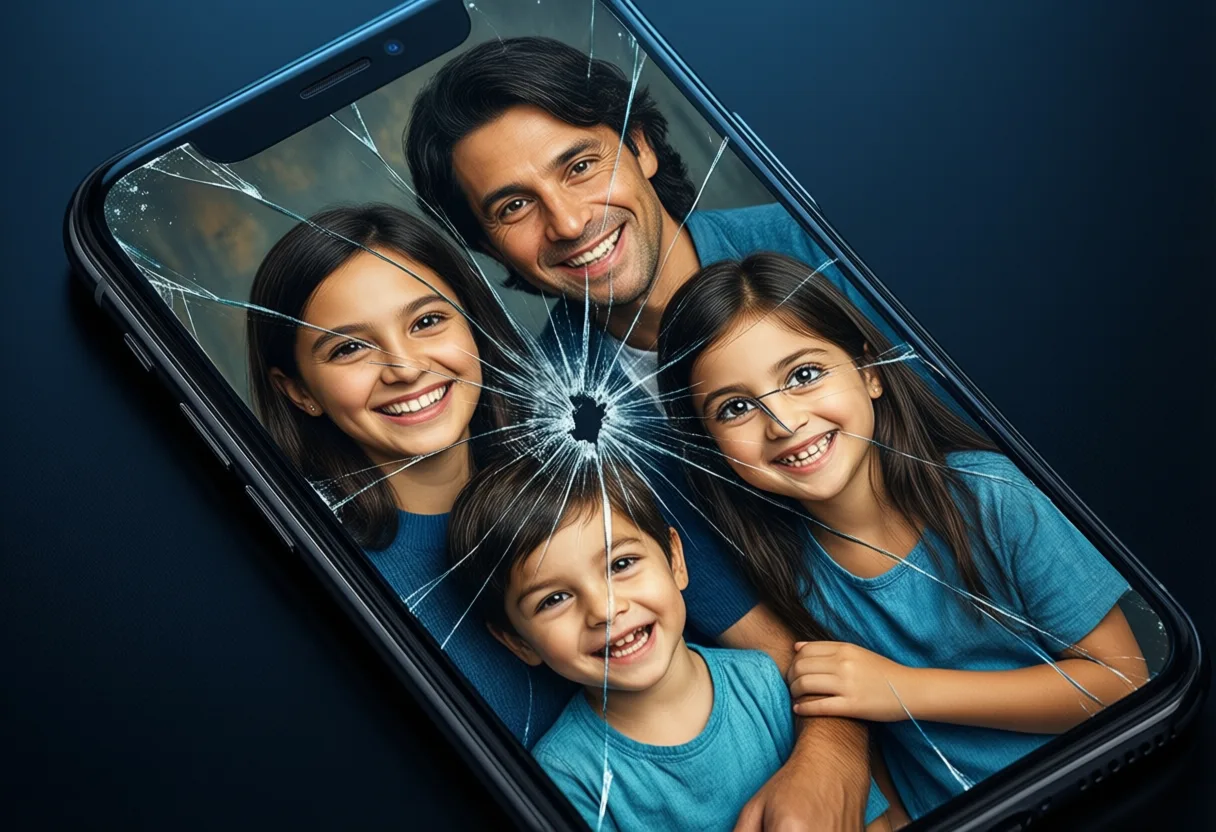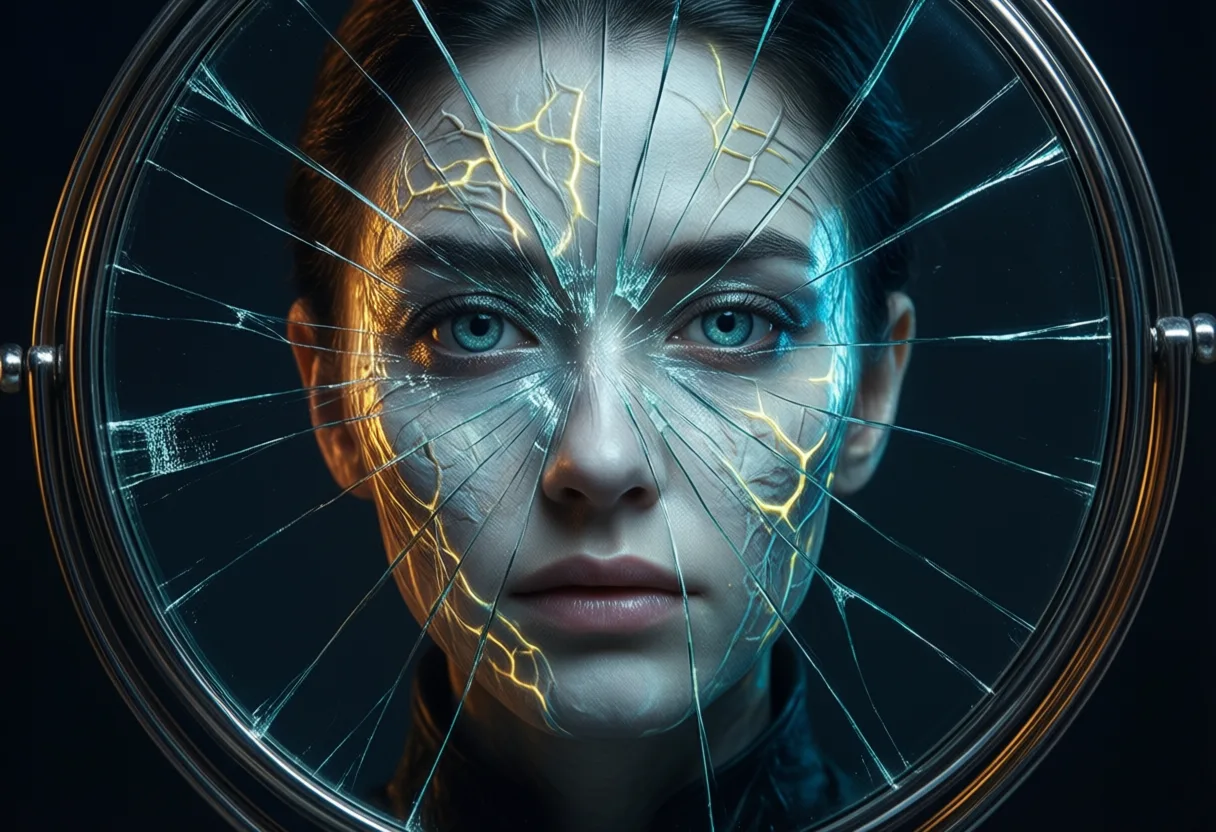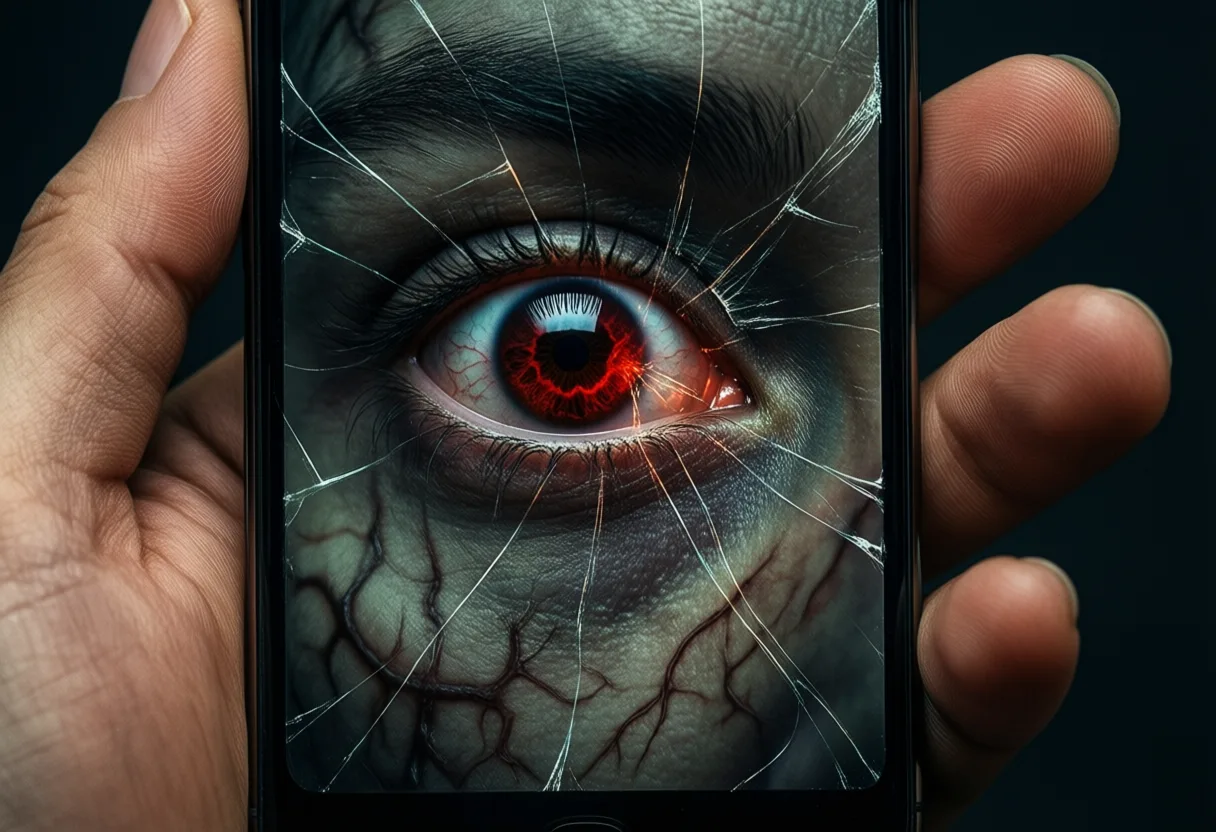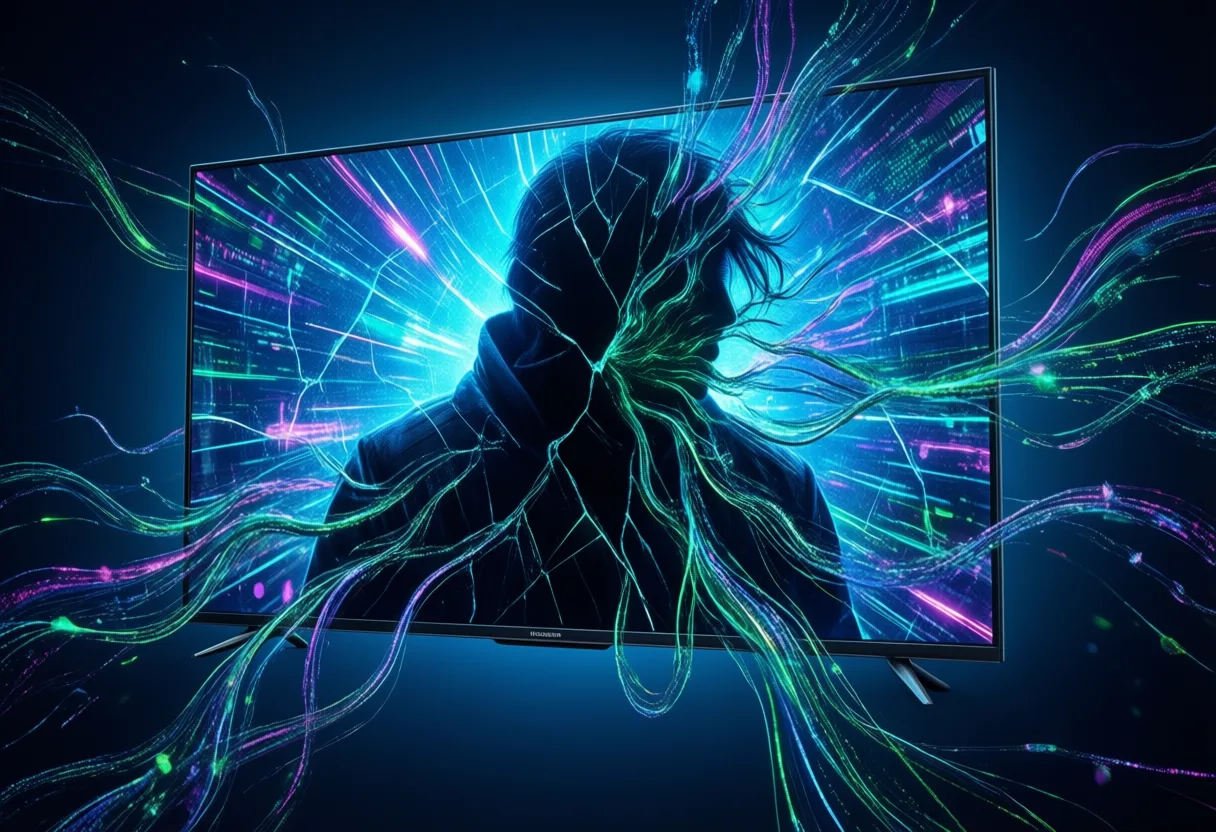
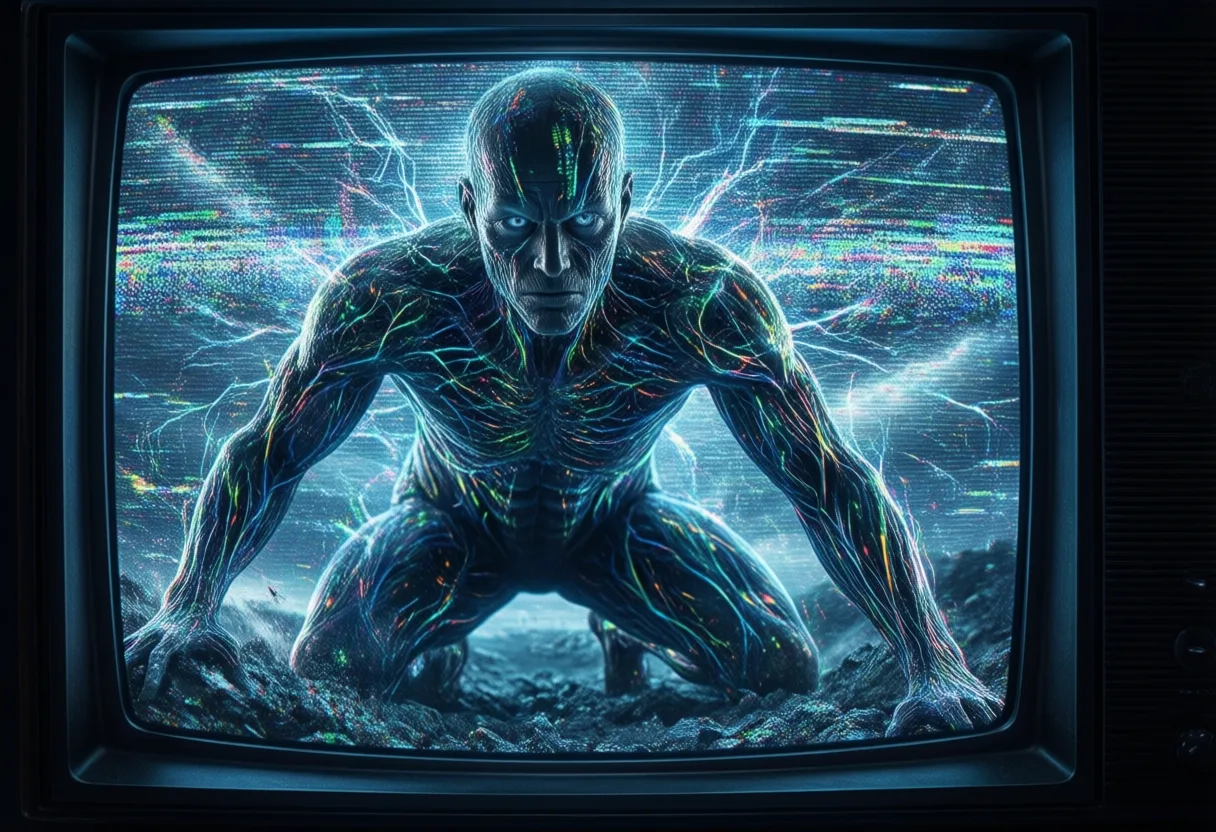
Fear is not a flaw in the human operating system-it is a feature, refined by evolution and now exploited with surgical precision by filmmakers who understand the architecture of anxiety. In the quiet hum of a home theater, a single creak in a film’s soundscape can trigger ancient neural pathways, activating the amygdala like a well-placed voltage spike. Today’s best Horror Doesn’t just shock; it rewires, lingers, and sometimes, changes us.
What Makes a Horror Film Truly Unforgettable?
A truly unforgettable horror film operates like a virus-subtle at first, replicating in the subconscious before erupting into full-blown dread. It is not measured by decibels of screams or gallons of stage blood, but by the silence that follows the Final frame, the way ordinary spaces feel newly suspect, the slow creep of doubt in what the dark might conceal. These films burrow not through spectacle, but through implication, leaving scars not on skin, but on perception.
They often mirror societal anxieties-pandemics, isolation, loss of control-translating collective unease into intimate nightmares. The most enduring stories weaponize familiarity: a child’s lullaby, a hallway at night, a phone call from a disconnected number. Like a rogue gene editing tool, horror mutates the mundane until it becomes alien, dangerous, alive.
Consider how the genre refracts scientific progress-cloning, AI, neural interfaces-not as triumphs, but as vulnerabilities. The terror isn’t in the technology itself, but in the fragility of identity when the self can be copied, erased, or reprogrammed. That resonance, between real-world advancement and Primal fear, is what elevates horror from mere entertainment to cultural artifact.
The Psychology of Fear in Modern Cinema
Fear, in the brain, is not a single event but a cascade-a synaptic storm beginning in the thalamus and detonating in the amygdala before the cortex even understands the threat. Modern horror films exploit this delay, using pacing, sound design, and visual misdirection to trigger instinct before reason can intervene. A flicker in the corner of the frame, a distorted whisper beneath the score-these are not accidents, but neural jujitsu.
Filmmakers now collaborate with sound engineers and colorists like biohackers tuning a CRISPR sequence, adjusting frequencies and hues to maximize discomfort without crossing into camp. The result is a sensory experience calibrated to bypass logic, much like how a pheromone operates below conscious detection. This precision engineering of unease marks a shift from shock to sustained tension.
Even the choice of aspect ratio or camera movement can manipulate autonomic responses-tight frames induce claustrophobia, while slow zooms simulate the feeling of being watched. When done well, the body reacts before the mind decodes, proving that the most effective horror speaks not to the eyes or ears, but to the reptilian core beneath. For a curated selection of such masterclasses in dread, explore Best horror movies streaming that will terrify you At Best Horror movies Streaming That Will terrify You.
Streaming Services Have Transformed How We Experience Terror
The shift from physical rentals to algorithm-driven streaming has fundamentally altered the horror diet of modern audiences. Where once viewers had to actively seek out the disturbing or obscure, now platforms serve up tailored nightmares based on viewing history, creating feedback loops of escalating intensity. This personalization turns fear into a data stream, optimized for retention rather than revelation.
Binge-watching has also changed narrative structure-franchises now stretch across seasons, building dread over episodes rather than minutes. The horror is no longer confined to isolated events but unfolds like a chronic condition, seeping into daily routines. A show watched late at night becomes a ritual, the credits a temporary reprieve before the next episode’s auto-play countdown.
Yet this convenience comes with a cost: the curation of fear within controlled environments dulls the unpredictability that once made horror dangerous. The ability to pause, skip, or mute softens the blow, turning what should be an immersive plunge into a series of calculated dips. The true test of a film’s power now lies in its ability to persist despite the escape hatch always within reach.
Why Atmosphere Often Outshines Jump Scares
Jump scares are the sugar rush of horror-immediate, intense, and quickly forgotten. Atmosphere, by contrast, is the slow infusion of a neurotoxin, altering mood, perception, and even sleep patterns long after the screen goes dark. The most effective films rely not on sudden noises, but on the weight of silence, the architecture of shadows, the way a single note can stretch into agony.
Think of a hallway lit just enough to suggest movement, or a score that mimics the rhythm of a slowing heartbeat. These elements don’t startle-they inhabit. They seep into the peripheral vision of the mind, where the brain fills in what it fears most. This is not manipulation; it is collaboration between filmmaker and viewer, a shared hallucination built on implication.
Atmosphere respects the intelligence of the audience. It assumes we can endure tension, that we are willing participants in our own unease. And in that willingness lies a paradox: the scariest moments are often the ones where nothing happens-only the promise of what might, hovering just beyond the edge of sight.
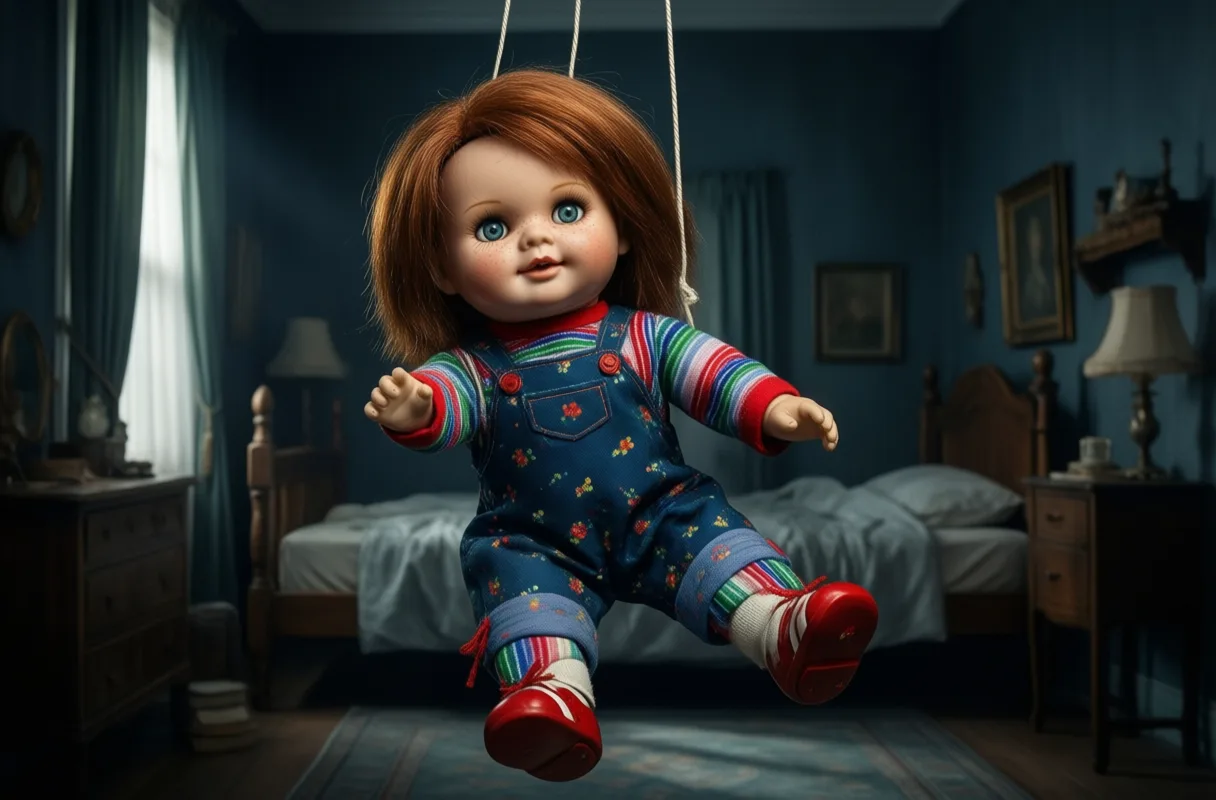
From Cult Classics to Critical Darlings - A New Golden Age?
Horror has long been dismissed as schlock, a genre of rubber masks and cheap thrills. But in the past decade, a quiet revolution has elevated it to the status of art, with films like The Babadook And Get Out Dissecting grief and racism beneath their supernatural veneers. Critics now approach horror not as escapism, but as allegory, parsing its layers like peer-reviewed research.
This renaissance is not accidental. It is fueled by directors who treat fear as a lens, not a genre-a way to examine trauma, identity, and the fragility of the self. The monsters are no longer confined to cellars or forests; they live in relationships, in memories, in the quiet moments between words. Horror has become the most honest form of storytelling we have.
Streaming platforms, eager for prestige, have amplified this shift, funding projects that might have once languished in obscurity. The result is a landscape where a folk horror parable can sit alongside a psychological thriller, each dissecting a different facet of the human condition. We are not just watching monsters-we are being asked to recognize them in ourselves.
The Rise of Quiet Horror and Emotional Dread
Quiet horror does not announce itself with Screams Or slashing strings. It arrives in the form of a missed call, a child’s drawing left on the floor, a parent who no longer recognizes their own reflection. This subgenre trades in emotional dread-the slow erosion of safety, the realization that love cannot always protect, that presence does not guarantee connection.
Films like The Night House Or A Quiet Place Understand that silence can be more oppressive than noise. They exploit the human need for connection, making isolation not just a setting, but a contagion. The horror isn’t in what appears, but in what vanishes-the voice, the touch, the certainty of another mind.
This mode of storytelling resonates because it mirrors real psychological decay-depression, dissociation, the slow unraveling of identity. It asks not whether you believe in ghosts, but whether you trust your own mind. And in that uncertainty, it finds its most potent weapon: the fear that you are already haunted.
9 Terrifying Films You Can Watch Right Now Across Major Platforms
Today’s streaming libraries are vast, but not all horror is created equal. Some films transcend their format, embedding themselves in memory like a recurring dream. These nine titles-spanning genres, tones, and continents-represent the cutting edge of what fear can do when wielded with purpose and precision.
Each has been selected not just for its ability to unsettle, but for its craftsmanship, its emotional intelligence, and its refusal to offer easy answers. They are not merely entertainment; they are experiences, calibrated to linger.
Whether you seek the supernatural, the psychological, or the brutally real, there is a film here to recalibrate your relationship with the dark.
A Slow-Burn Nightmare That Lingers Long After the Credits
The Witch (2015) is not a film that unfolds-it festers. Set in 1630s New England, it follows a Puritan family exiled to the edge of a vast, whispering forest. Every frame is saturated with unease, every dialogue exchange weighted with repression and dread. The horror is not in sudden attacks, but in the slow corrosion of faith, family, and sanity.
There are no jump scares, no masked killers-only the steady pressure of isolation and the suggestion that something ancient and hungry watches from the trees. The film’s power lies in its refusal to explain, leaving viewers to grapple with ambiguity long after the final, devastating image. It is a masterclass in restraint, proving that the most terrifying thing is not what we see, but what we believe.
This is horror as historical exorcism, a dissection of religious extremism and patriarchal control, wrapped in the skin of a folk tale. It earns its reputation not through gore, but through atmosphere so thick it feels like breathing water.
Supernatural Encounters with a Deeply Personal Edge
Hereditary (2018) redefined what a possession narrative could be, transforming it from a battle between good and evil into a devastating portrait of generational trauma. The film centers on a family unraveling after the death of a secretive grandmother, revealing a lineage steeped in occult rituals and inherited pain.
What makes it unforgettable is its emotional authenticity-Toni Collette’s performance as a grieving mother on the brink of collapse is raw, unguarded, and terrifying in its realism. The supernatural elements feel earned, not imposed, as if the film is uncovering something real, buried deep beneath family lore.
This is not a story about defeating a demon; it is about the horror of realizing you were never in control. The final act is not a climax, but a surrender-a chilling reminder that some inheritances cannot be escaped.
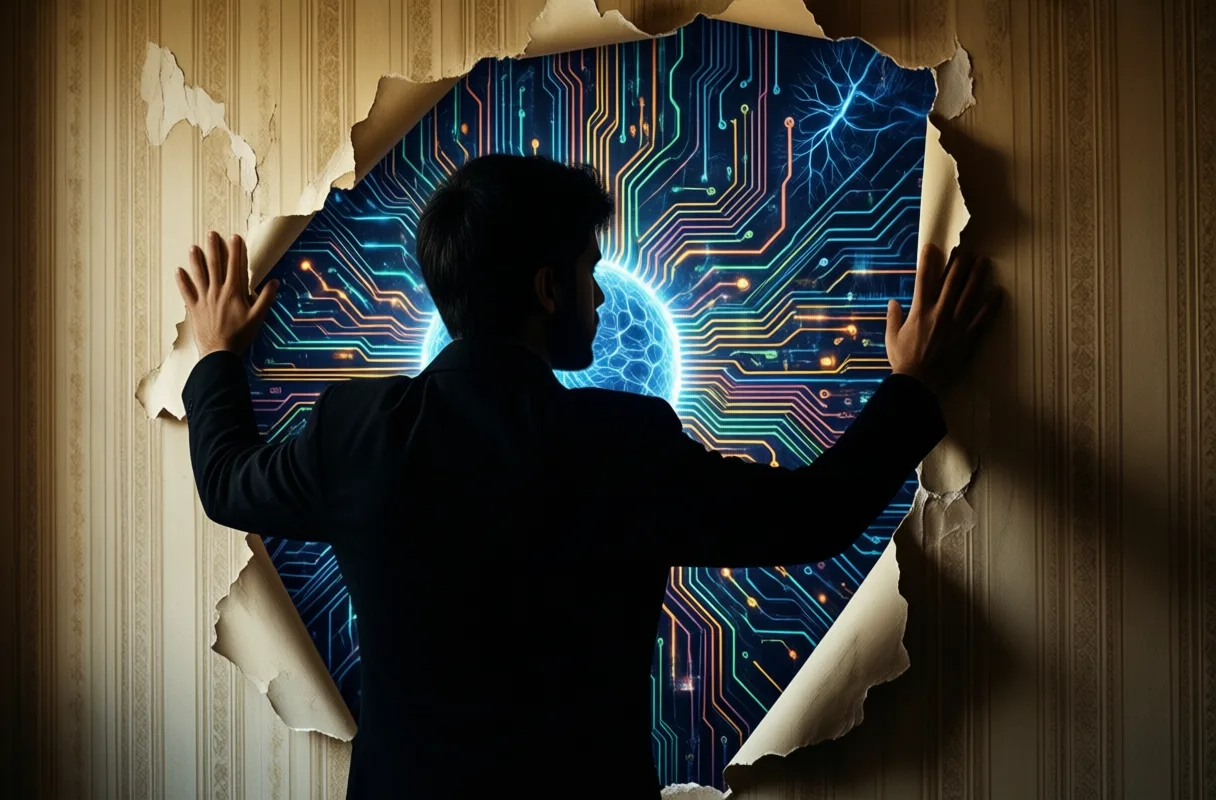
When the Monster Is Human - Chilling Realism in Psychological Thrillers
The Night Of (2016), though not a traditional horror, operates with the same precision as the genre’s best. It follows a young man accused of murder, ensnared in a justice system that dehumanizes at every turn. The true horror lies not in bloodshed, but in the slow erosion of identity, the way institutions can turn a person into a case file.
There are no supernatural forces here-only the quiet violence of bureaucracy, racism, and despair. The film’s pacing mimics a psychological experiment, measuring how much pressure a mind can endure before fracturing. Every decision feels inevitable, every outcome a tragedy of systems, not individuals.
This is horror stripped of metaphor: the monster is the world itself, indifferent, efficient, and utterly without mercy. It is a necessary counterpoint to the genre’s more fantastical entries, reminding us that the most chilling stories are often true.
Found Footage That Still Feels Fresh and Frightening
The Blair Witch Project (1999) remains a landmark not for its scares, but for its innovation-a film that weaponized realism, making audiences question whether they were watching fiction or evidence. Shot on handheld cameras, it presented itself as recovered footage, blurring the line between viewer and participant.
The genius was in its restraint: no creature effects, no exorcisms, just three people lost in the woods, descending into paranoia and fear. The forest itself became the antagonist, alive, watching, breathing. It proved that suggestion could be more powerful than spectacle.
Even today, its influence echoes in every shaky-cam thriller, a testament to how a simple idea, executed with conviction, can rewrite the rules of fear.
Haunted Houses and Cursed Spaces With Modern Twists
The Haunting of Hill House (2018), a Netflix series, reimagines Shirley Jackson’s novel as a multi-generational trauma epic. The house is not just haunted-it remembers, it manipulates, it grieves. Each family member carries a fragment of its curse, their psychological wounds mirroring the cracks in the walls.
What sets it apart is its emotional depth. The ghosts are not random spirits, but manifestations of unresolved pain, addiction, and loss. The horror is not in being attacked, but in being seen-truly seen-by something that knows your darkest moments.
This is a haunted house story that understands the body is its own haunted space, where memories linger like cold spots in a hallway. It is less about escaping the house than confronting what it reflects.
Folk Horror’s Creeping Return to the Mainstream
Folk horror has surged back into the cultural bloodstream, reclaiming its place as a vessel for societal critique. Films like Midsommar (2019) use pastoral beauty as a trap, where sunlight reveals horrors too grotesque to hide in shadow. The genre thrives on the tension between tradition and modernity, community and individuality.
It asks what happens when belief systems clash, when rituals demand sacrifice, when love is weaponized as control. The fear is not of the unknown, but of the known-of what people will do in the name of belonging.
These stories tap into deep genetic memory, the part of us that still fears the forest, the harvest, the old gods. They remind us that progress is fragile, and that the past is never truly buried.
Sci-Fi Meets Horror in Mind-Bending, Streamable Gems
Annihilation (2018) is a horror film disguised as science fiction, or perhaps the other way around. It follows a team of scientists entering “The Shimmer,” a zone where DNA mutates unpredictably, creating hybrid creatures and fractured realities. The horror is not just in the monsters, but in the dissolution of self.
A bear screams with a human voice. A doppelgänger moves just out of sync. The film explores identity not as fixed, but as fluid, vulnerable to external forces. It is a meditation on grief, self-destruction, and the terrifying beauty of transformation.
This is horror as evolutionary theory, asking not whether we can survive, but whether we would still be Us If we did.
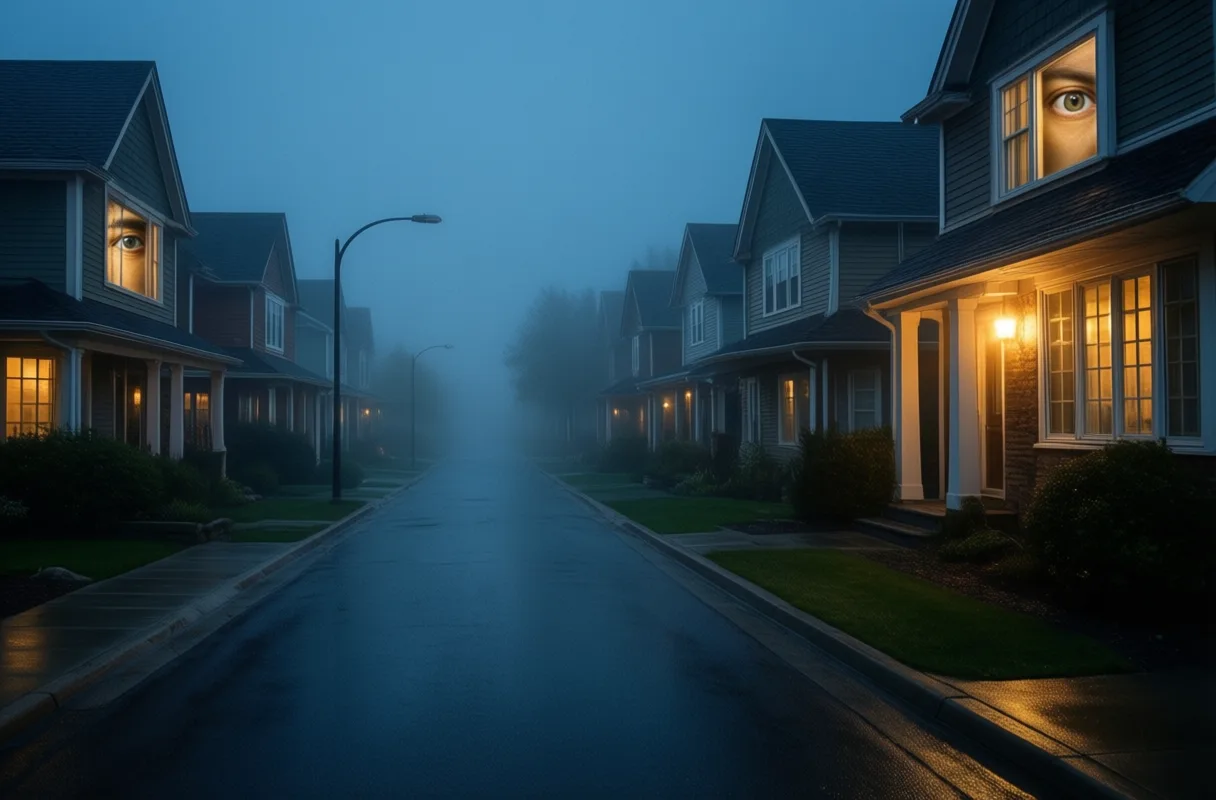
International Nightmares Breaking Language Barriers
Let the Right One In (2008), the Swedish original, redefined vampire lore by stripping it of glamour and replacing it with icy realism. Set in a small town buried in snow, it tells the story of a bullied boy who befriends a centuries-old child vampire. The horror is intimate, quiet, and devastating.
The film treats vampirism not as a curse, but as a condition-a metaphor for difference, loneliness, and the cost of survival. The violence is sudden, brutal, and never glorified. It lingers in the mind not for its shocks, but for its sorrow.
This is proof that fear transcends language, that the most universal stories are often the quietest, the coldest, the ones that whisper instead of scream.
The One Classic That Still Sets the Standard
The Exorcist (1973) remains the gold standard not because it shocked audiences with blasphemy or gore, but because it took faith seriously. It is a film about belief, doubt, and the terrifying possibility that the unseen might be real. The possession of Regan is not just physical-it is theological, a battle for the soul.
Its power has not diminished with time. If anything, in an age of digital distraction, its commitment to ritual, silence, and spiritual weight feels radical. The film demands attention, not through edits, but through stillness.
It is a reminder that the scariest thing may not be the devil, but the idea that we are not alone-and that something is watching, waiting, and hungry.
How to Choose the Right Kind of Scare for Your Night In
Not all fear is created equal, and not every film will unsettle the same viewer in the same way. Choosing the right horror is like selecting a neural pathway to stimulate-it depends on what part of the mind you’re willing to expose. Are you seeking adrenaline, or introspection? A night of shrieks, or a week of quiet unease?
Some crave the visceral-the rush of a chase, the shock of a reveal. Others prefer the slow seep of dread, the kind that makes you check the locks twice. Understanding your fear profile is the first step toward a meaningful encounter with horror.
The best scary movies streaming now offer this range, from sensory overload to quiet devastation. Know yourself before you press play.
Matching Fear Profiles to Streaming Moods
If you want pulse-racing intensity, lean toward creature features or survival horror-films where the threat is visible, immediate, and relentless. These are the adrenaline shots of the genre, best shared with others.
For those drawn to existential unease, seek out films that blur reality, like Coherence Or The Endless. These are puzzles wrapped in dread, designed for solitary viewing and post-credits analysis.
And if you’re in the mood for emotional excavation, look to stories where the horror lives in relationships-The Babadook, Relic, or We Need to Talk About Kevin. These linger not because they scare, but because they understand.
Beyond the Scream - What Great Horror Leaves Behind
The best horror does not end when the screen goes dark. It follows you into the kitchen, whispers from the hallway, lingers in the way you check the mirror. It forces confrontation-not with ghosts, but with the parts of ourselves we keep locked away.
These films are not escapes from reality, but accelerants to it. They amplify what we already know: that loss is inevitable, that control is an illusion, that love and fear often wear the same face.
And yet, we return. Not because we enjoy suffering, but because horror, at its best, is a form of catharsis-a way to stare into the abyss and whisper back, I’m still here. For those who appreciate performances layered with emotional complexity, don’t miss the work of Cristin Milioti, whose roles often dance along the edge of psychological unraveling-discover Cristin milioti movies and tv shows you must see now At Cristin Milioti Movies And tv Shows You Must See Now.
That, perhaps, is the real triumph: not survival, but the quiet courage to keep watching.
Spooky Streams: Hidden Gems and Chilling Tidbits
Behind the Screams
Ever wonder why some horror films stick with you long after the credits roll? It’s not just the jump scares. Many of today’s scariest streaming picks rely on slow-burn tension and psychological unease rather than gore. One standout uses near-silent scenes to ratchet up dread, proving you don’t need loud noises to feel on edge. These films often play with everyday settings-like suburban homes or quiet forests-making the terror feel uncomfortably close to real life.
Monsters and Myths
Some of the creepiest creatures on screen started as obscure folklore. One current favorite draws from a lesser-known Scandinavian tale about forest spirits, blending eerie practical effects with chilling atmosphere. Another popular title reimagines a classic urban legend, giving it a modern twist that feels fresh but still deeply unsettling. These stories thrive on streaming because they offer something different from the usual slashers-mythic, mysterious, and hard to shake.
Streaming Secrets
You might be surprised to learn that a few of these horror hits were almost never released. One now-cult film was shelved for years before landing on a major platform, where it quietly gained a devoted following. Another was shot on a shoestring budget but used clever lighting and sound design to create a far more expensive-looking nightmare. That’s the beauty of streaming-it gives overlooked gems a second life and lets viewers discover scares that might’ve otherwise vanished into the dark.
Frequently Asked Questions
What makes a horror film truly unforgettable?
A truly unforgettable horror film operates through implication, not spectacle, leaving lasting psychological scars by weaponizing familiarity and mirroring societal anxieties. It burrows into the subconscious, altering perception and making ordinary spaces feel suspect.
Why is atmosphere often more effective than jump scares?
Atmosphere creates a slow, lingering dread that alters mood and perception long after viewing, using silence, shadows, and sound to inhabit the mind. Jump scares provide immediate but quickly forgotten shocks, while atmosphere collaborates with the viewer’s imagination.
How has streaming changed the way we experience horror?
Streaming personalizes horror through algorithms, encouraging binge-watching and turning fear into a data-driven, ritualistic experience. However, the ability to pause or skip softens the impact, challenging films to persist despite built-in escape hatches.
What is quiet horror, and why is it effective?
Quiet horror relies on emotional dread, silence, and the erosion of safety, focusing on psychological decay and isolation. It feels real because it mirrors conditions like grief, dissociation, and the fear of losing one's mind or connections.
This article was produced with AI assistance. How Neuron Magazine uses AI.
Zahra explores the frontiers of human enhancement, from neural implants to gene editing, with a focus on ethical implications and lived experience. She blends scientific rigor with intimate storytelling to illuminate how technology reshapes identity and lifespan.