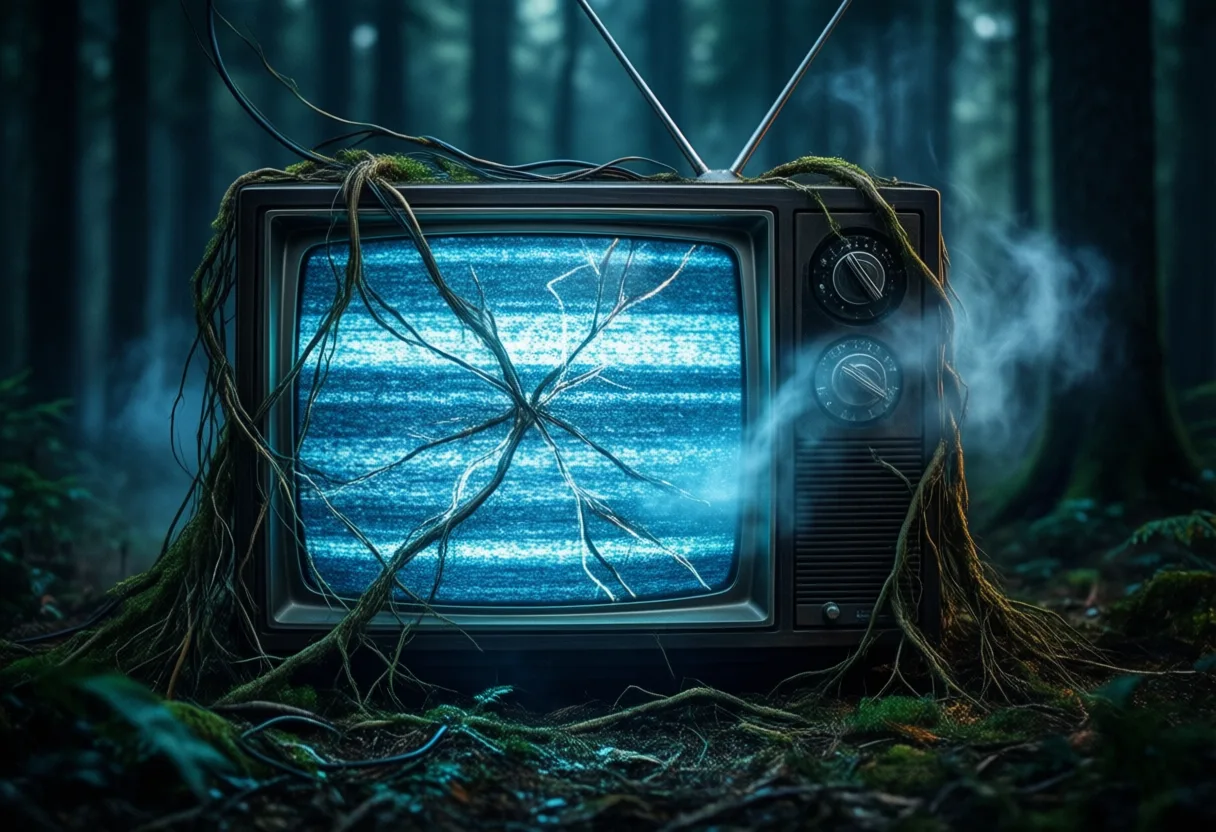
It’s 2:17 a.m., and I’m still wide awake, not because I drank too much coffee, but because I just finished a film that didn’t need explosions, monsters, or even blood to leave me hollowed out. It was quiet. Too quiet. And that silence-that deliberate, aching pause between breaths-is what made it unforgettable.
We’ve all seen the kind of Horror That shouts at us: flashing lights, sudden shrieks, creatures lunging from the dark. But the films that stay with you, the ones that seep into your dreams and make you check the locks twice, are the ones that whisper. They don’t assault you. They Inhabit You.
This isn’t just about fear. It’s about control-how a director, a writer, a composer can shape dread like clay, stretching it across minutes, even hours, Until The tension becomes a living thing in the room with you.
The Art of Dread: Why Less Is More in Modern Horror
There’s a scene in a certain kind of Horror film Where nothing happens. The camera lingers on a hallway. A door creaks. A shadow shifts. No music. No jump scare. Just the unbearable weight of what Might Come.
And yet, that moment can be more terrifying than any zombie chase or demon exorcism.
Because real fear isn’t in the payoff. It’s in the wait. It’s in the space between the thought and the action, the breath before the scream.
Modern horror is learning this again. The best filmmakers aren’t competing with action blockbusters. They’re doing the opposite-stripping away noise, clutter, and spectacle to focus on something far more primal: atmosphere.
When a film trusts its audience to sit in discomfort, to lean in instead of flinch away, it creates a deeper, more personal kind of terror. It’s not about what’s on screen. It’s about what the viewer brings to it-their own anxieties, their own imagination.
And that’s where the real power lies. As one critic put it, the scariest thing in any haunted house isn’t the ghost. It’s the echo of your own footsteps.
What Makes a Horror Film Truly Unsettling?
Fear is easy to manufacture. Unease is harder to earn.
A truly unsettling film doesn’t rely on gore or shock. It unsettles the Mind. It makes the familiar feel foreign, the safe feel threatening, the known feel unknowable.
Think of a childhood home seen at night, lit only by moonlight. The furniture is the same. The layout hasn’t changed. And yet, something is Off. That’s the feeling these films chase.
They do it by warping perception-through sound design that distorts reality, lighting that hides more than it reveals, and pacing that refuses to give the audience relief.
One film might stretch a single shot across two minutes, just watching a character sleep, while the camera inches forward like a predator. Another might use silence so complete that the viewer starts questioning whether the audio is working.
These aren’t flaws. They’re features. The discomfort is the point.
And when done well, the audience doesn’t just watch the horror-they Participate In it. Their imagination fills the gaps, often conjuring something far worse than any visual effect could deliver.
The Power of Silence and Shadow
Sound is usually the first thing we notice in a film. But in the most chilling horror, it’s the absence of sound that grabs you.
A scene with no score, no dialogue, no ambient noise-just the faint hum of a refrigerator or the distant drip of a faucet-can be suffocating.
That silence isn’t empty. It’s Charged. It makes every tiny sound feel like a warning.
And shadows? They’re not just the lack of light. They’re territory. Unclaimed, unverified, full of potential.
In these films, darkness isn’t a backdrop. It’s a character. It moves. It breathes. It watches.
Directors use shadows to suggest rather than show-letting a shape linger in the corner of the frame, just long enough for the eye to catch it, but not long enough to confirm what it is.
This isn’t lazy filmmaking. It’s precision. Every shadow is placed. Every silence is timed.
And when a sound finally breaks the quiet-a floorboard, a whisper, a breath-it doesn’t just startle. It Punishes The viewer for listening so closely.
How Patience Builds Paralyzing Tension
Most movies rush. They introduce a problem, escalate it, then resolve it-all within the first thirty minutes.
But slow-burn horror refuses to hurry. It understands that fear grows in stillness.
Imagine a film where a character notices a stain on the ceiling. It’s small. Maybe it’s water damage. But over days, it spreads. Changes shape. Seems to pulse.
No one else sees it. No one believes them. And the film doesn’t explain it. It just Shows It.
That’s tension built not through action, but through accumulation. Each scene adds a layer, a doubt, a question.
The audience starts tracking details the characters ignore. We become investigators, searching for meaning in the mundane.
And because the film moves slowly, we have time to do that. Time to worry. Time to dread.
That’s the genius of patience. It doesn’t distract us with spectacle. It traps us in the moment, making us complicit in the unraveling.
Locations That Become Characters
Some houses don’t just hold stories. They Are The story.
In the best atmospheric horror, the setting isn’t just a backdrop-it’s alive. It resists. It remembers. It watches.
A remote cabin in the woods. An abandoned hospital. A suburban home with too many doors.
These places feel Wrong From the start. Not because of what’s happened there, but because of what they Are.
The architecture feels intentional-hallways too long, ceilings too low, windows that don’t open. The space itself seems designed to disorient.
And the films lean into that. They linger on empty rooms, on peeling wallpaper, on staircases that lead nowhere.
The location becomes a mirror for the protagonist’s psyche-crumbling, isolated, haunted by something just out of reach.
Even urban settings can twist this way. A high-rise apartment where the elevator always stops at the same floor. A subway station with no exit.
When the environment feels like it’s working against you, the horror doesn’t need to chase you. It’s already inside the walls.
When the Monster Is What You Don’t See
We’ve all seen the creature reveal. The big CGI beast, the masked killer, the demon with glowing eyes.
And often, it’s a letdown.
Because no matter how well-designed, it can’t compete with what the mind has already imagined.
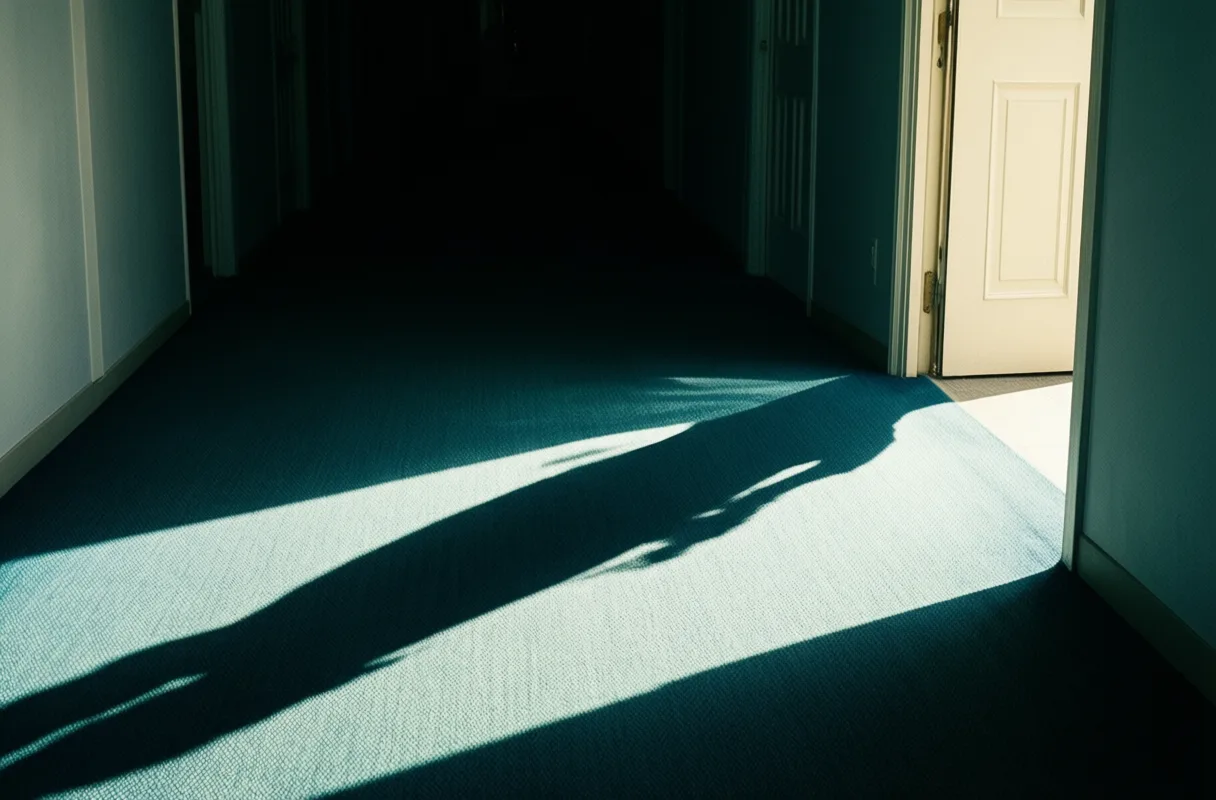
The most terrifying monsters are the ones we never fully see. A shape in the fog. A sound in the attic. A figure standing at the edge of the frame, just out of focus.
These films understand that ambiguity is power.
They give you glimpses-enough to confirm something is there, but not enough to understand it.
And that uncertainty is paralyzing. Is it human? Is it alive? Is it even real?
The film never answers. It just shows the effect-the way the dog won’t enter the room, the way the temperature drops, the way the protagonist starts talking to the air.
In these moments, the monster isn’t in the shadows. It’s in the silence between words, in the hesitation before a door is opened.
And because we never see it clearly, it never loses its power.
The Slow Creep: Horror That Unfolds Over Time
Some horror films are like a punch. Fast. Sharp. Over.
But the ones that linger are like a fever. They start small-a chill, a doubt, a strange dream.
Then, over days or weeks, they spread.
A character notices they’re always cold. Their reflection blinks a second too late. They wake up with dirt under their nails.
The horror isn’t in a single event. It’s in the Pattern.
And the film unfolds like a mystery the protagonist doesn’t want to solve.
Each scene adds another piece, another symptom, another unanswered question.
There’s no jump scare at the midpoint. No big confrontation. Just a slow, steady descent into something unnameable.
The audience, like the character, starts second-guessing everything. Was that noise real? Did that shadow move? Am I losing it?
That’s the slow creep. It doesn’t announce itself. It just Arrives, and by then, it’s already too late.
Why Jump Scares Can’t Compete With Lingering Fear
Let’s be honest: jump scares work. The sudden noise, the flashing image, the figure in the mirror-it makes you flinch. It makes you gasp.
But it’s over in seconds.
The fear fades. You laugh. You check your phone. You move on.
Lingering fear doesn’t let you do that.
It follows you. It hums in the silence of your apartment. It makes you pause before turning off the lights.
Jump scares are reflexive. They trigger the body. But lingering fear works on the mind. It rewires perception.
After a truly unsettling film, you don’t just remember the plot. You remember how it Felt To watch it-the weight of the silence, the ache of the long takes, the dread of the unknown.
And that feeling doesn’t disappear when the credits roll. It stays. It simmers.
That’s why, when you’re looking for something that will actually haunt you, you don’t reach for the film with the most jump scares.
You reach for the one that knows how to wait.
You reach for the one that understands that the most terrifying thing isn’t what jumps out at you-it’s what stays with you.
Atmosphere Over Action: The Quiet Revolution in Streaming Horror
Streaming has changed how we watch horror. No longer limited by theater schedules or broadcast standards, filmmakers can take risks.
They can make films that move slowly, that breathe, that trust the audience to stay engaged without constant stimulation.
And viewers are responding. The most talked-about horror films of the last few years haven’t been the loudest. They’ve been the quietest.
Best Horror movies Streaming That Will terrify You often aren’t the ones with the biggest budgets. They’re the ones with the strongest mood, the deepest unease, the most patience.
They’re the films that use the intimacy of home viewing to their advantage-where the darkness of your living room becomes part of the experience.
No need for 3D or surround sound. Just you, the screen, and the growing sense that you’re not alone.
This is the quiet revolution: horror that doesn’t need to shout to be heard.
It doesn’t need to compete with superhero battles or car chases. It just needs a dim room, a steady camera, and the courage to let silence speak.
Final Thoughts: The Lasting Chill of Subtlety
I turned off the film and sat in the dark.
No music. No credits rolling over dramatic shots. Just blackness. And me.
I didn’t move. Not because I was scared of what might be on screen, but because I was still inside the world the film had built.
It hadn’t given me answers. It hadn’t shown me everything. And that was the point.
The best horror doesn’t end when the screen goes dark. It continues-in the way you listen to the house, in the way you avoid certain rooms, in the way a simple sound can set your heart racing.
It’s not about being scared During The movie. It’s about being haunted After.
And in an age of endless content, of constant noise and instant gratification, that kind of impact is rare.
So if you want to feel something real, something that sticks, don’t reach for the loudest film.
Reach for the quiet one. The one that waits. The one that knows that the most terrifying thing in the world isn’t a monster.
It’s the moment before you realize it’s been there all along.
And while you’re exploring the depths of atmospheric horror, you might also find yourself revisiting familiar worlds-like the X Men movies stream All 13 Available On Disney plus, where legacy and power collide in their own dramatic way.
Films That Linger in the Shadows
More Than Just Jumps
Horror films built on atmosphere and slow dread often pull from real psychological fears rather than supernatural spectacle. Some of the most unsettling moments in these movies come from distorted sounds or silence, playing on how our brains react to the unfamiliar. In fact, certain low-frequency sounds, even when barely audible, can trigger feelings of unease or the sense of a presence-something filmmakers quietly exploit to keep viewers on edge without showing a thing.
Quiet Tension, Loud Impact
Many modern slow-burn horrors find life on streaming platforms not because they’re expensive blockbusters, but because they thrive on mood and suggestion, which suits intimate viewing at home. These films often gain passionate followings over time, becoming cult favorites long after their initial release. It’s not unusual for a movie dismissed on arrival to later be praised as a masterpiece of tension, proving that chilling atmosphere can age far better than flashy effects. Viewers scrolling late at night might stumble on these hidden gems, where a creaking floorboard or a lingering shot holds more power than any monster. Explore more stories, videos, and creators on Loaded.
Frequently Asked Questions
What makes a horror film truly unsettling?
A truly unsettling film creates unease by warping perception, making the familiar feel foreign and the safe feel threatening. It uses sound design, lighting, and pacing to distort reality and let the viewer’s imagination fill the gaps.
Why is silence so effective in horror films?
Silence in horror films is charged with tension, making every small sound feel like a warning. It draws viewers in, heightens their focus, and punishes them when a sudden noise breaks the quiet.
How does slow-burn tension build in horror movies?
Slow-burn horror builds tension through accumulation-small, unexplained details add doubt and dread over time. The patient pacing traps the audience in the moment, making them complicit in the unfolding fear.
Why are unseen monsters scarier than revealed ones?
Unseen monsters remain powerful because ambiguity fuels the imagination. The mind conjures something worse than any visual effect, and the lack of clear answers keeps the fear alive.
This article was produced with AI assistance. How Neuron Magazine uses AI.
Saoirse investigates how automation, remote systems, and AI reshape labor, careers, and human purpose. She centers worker voices and cultural change, blending data with narrative depth to reveal what the future feels like on the ground.