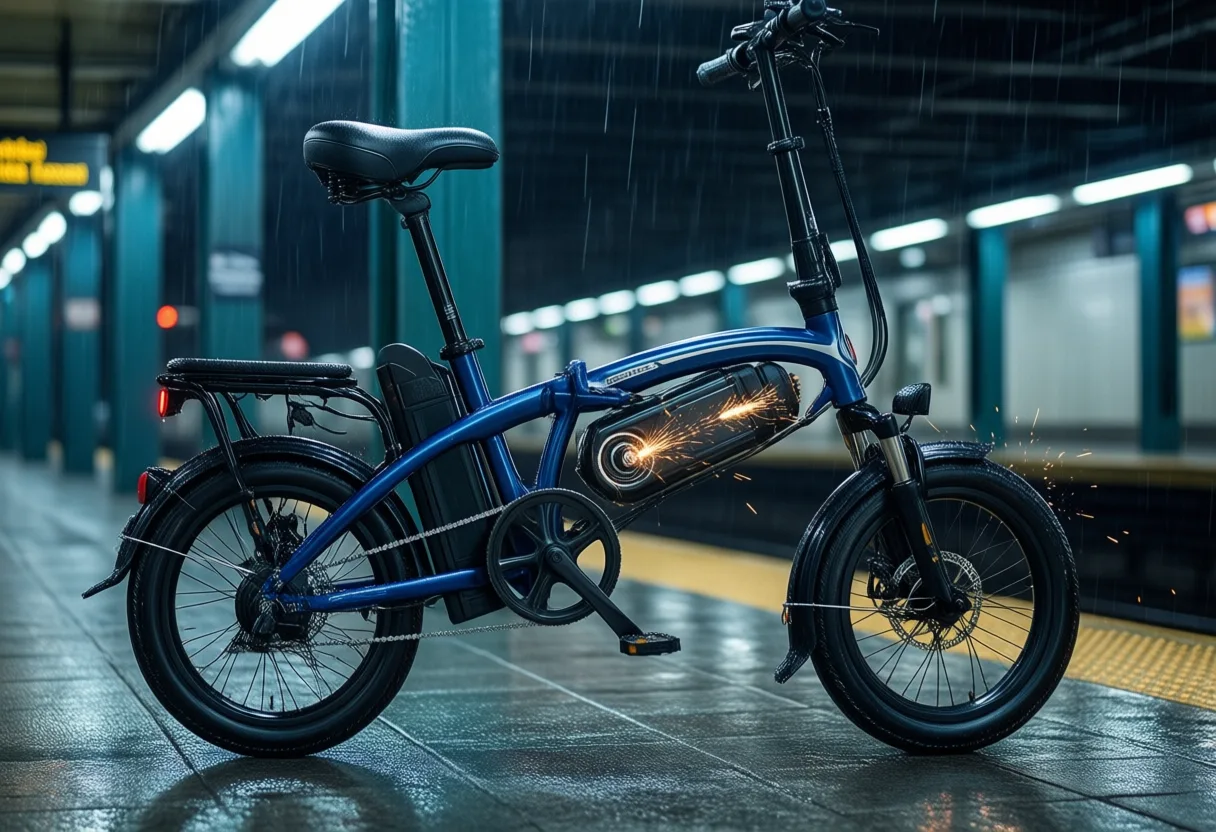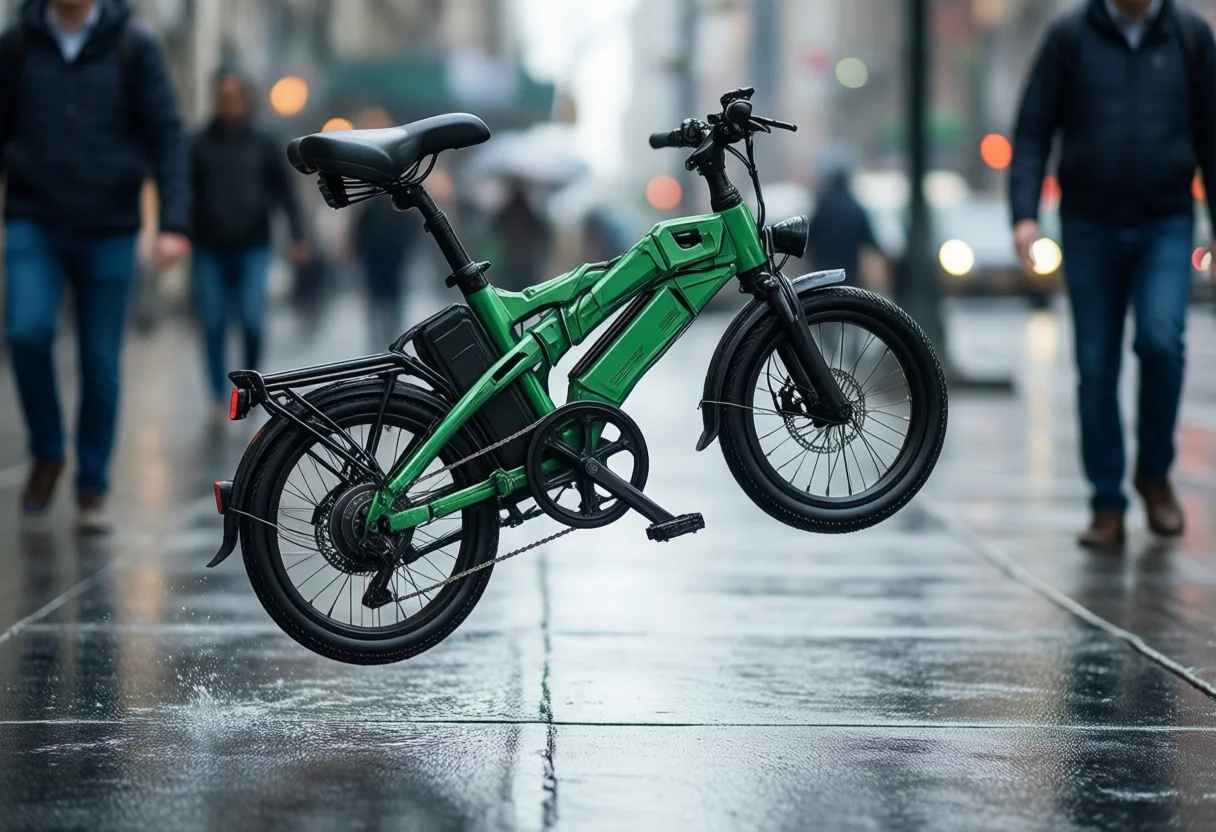
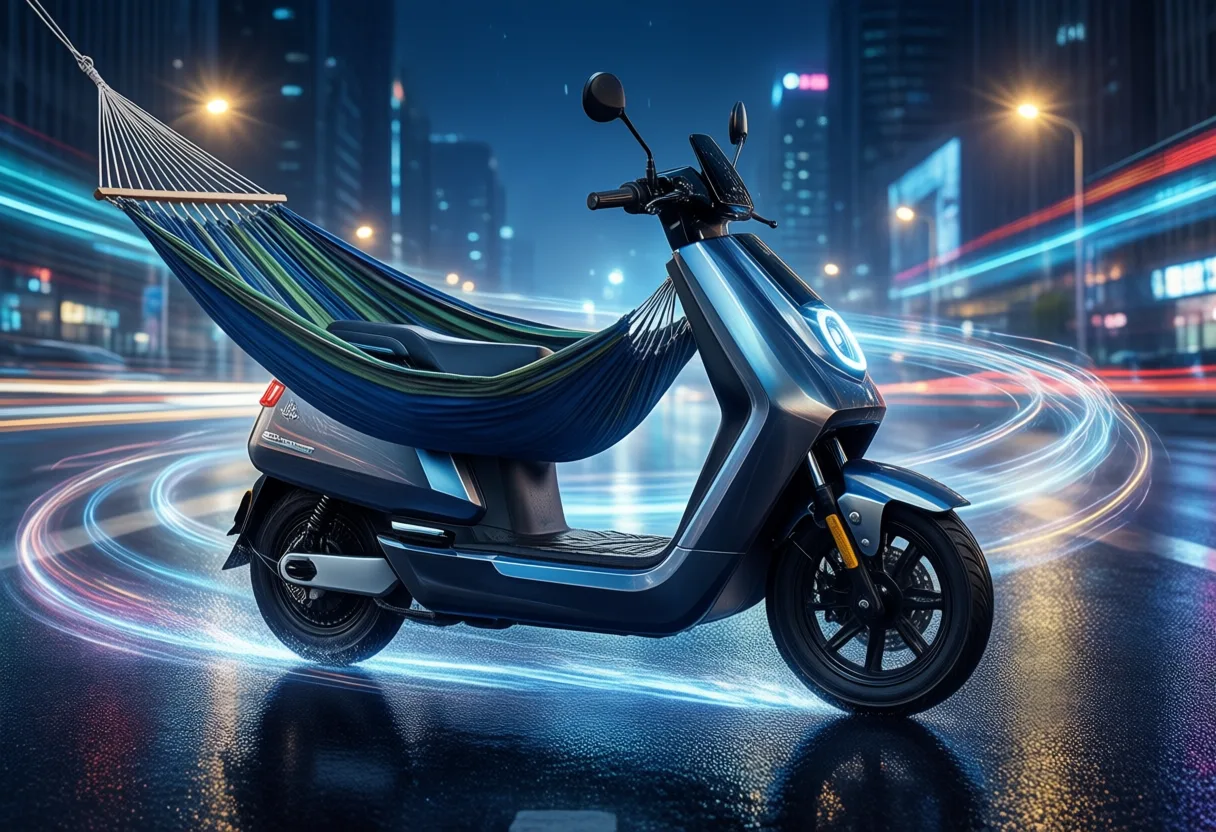
What if your morning commute didn’t leave your back aching and your legs numb? What if you could glide through city streets with the ease of a cyclist and the agility of a scooter rider-without sacrificing Comfort?
Enter the new wave of personal mobility: two-wheeled Electric rides That put a seat under you, not just pavement beneath your feet.
Why Sitting Changes the Commute Game
The Hidden Comfort in Modern Two-Wheel Design
Standing on a scooter for 30 minutes? Your calves will scream. Your lower back will protest. Your focus? Divided between balance and traffic. But sit down, and everything shifts-literally.
Suddenly, your body isn’t fighting gravity. It’s working With The machine. That’s not just comfort. It’s Efficiency. Less fatigue means sharper reflexes, longer range, and more control when the light turns red.
Designers aren’t just bolting seats onto old frames. They’re rethinking the entire geometry. The center of gravity drops. The posture opens. The ride becomes sustainable-not just for five blocks, but for five miles.
This isn’t a gadget upgrade. It’s a Fundamental redesign of Urban movement.
What Makes a Ride Truly Comfortable?
Comfort isn’t soft padding. It’s alignment. It’s how your spine stacks over the wheels. It’s the absence of vibration traveling up your bones with every crack in the sidewalk.
A true comfort build balances three things: Support, stability, and suspension. Without suspension, even a plush seat turns into a torture device over rough pavement. Without support, you slump. Without stability, you tense up-defeating the whole point.
Think of it like a chair-except this chair moves at 15 miles per hour through unpredictable terrain. Would you trust a folding lawn chair for your office? Then why accept one for your commute?
Engineers now integrate shock absorption at the fork, the stem, and even the seat post. Some use elastomer buffers. Others lean on spring systems. The goal? Isolate the rider from the chaos of city streets.
How Seat Integration Redefines Balance and Control
A seat isn’t just for rest. It’s an anchor. It connects you to the machine, turning rider and vehicle into a single, responsive unit.
When you’re seated, your hands don’t bear your full weight. Your grip relaxes. That means better throttle and brake modulation-critical when navigating tight spaces or sudden stops.
And because your hips are fixed, steering becomes more precise. Small inputs translate into clean turns. No wobble. No overcorrection.
This is Kinetic intelligence-using physics, not force, to move through space.
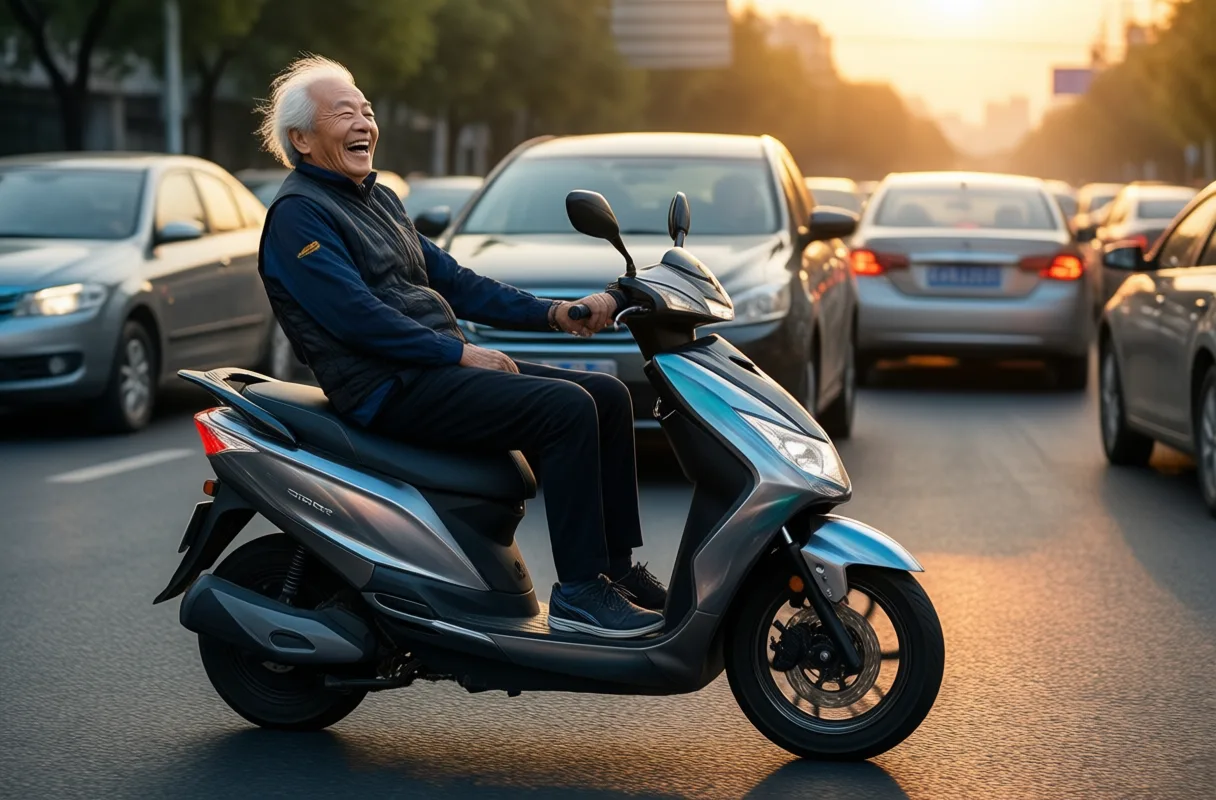
From Standing to Seated: A Shift in Urban Mobility
Weight Distribution and Stability on Powered Scooters
Stand on a scooter, and your weight perches high and forward. One pothole, and you’re airborne. One hard brake, and you pitch forward like a sprinter off the blocks.
Sit down, and your mass lowers. It centers. The machine becomes less tippy, more planted.
It’s the difference between a tightrope walker and a tank. One relies on constant correction. The other commands inertia.
With a lower center of gravity, these rides handle crosswinds better, manage inclines without tipping, and recover from bumps without jerking the handlebars out of your hands.
That stability isn’t just nice-it’s A safety multiplier.
Not All Seats Are Created Equal
You’ve seen them: flimsy perches slapped onto scooters like an afterthought. Thin foam. Plastic shells. Zero lumbar support.
Those aren’t seats. They’re placeholders.
Real seats do more than cushion. They Distribute pressure. They contour to the pelvis. They allow airflow to prevent sweating during summer rides.
High-end models use multi-density foam, breathable mesh, or even gel layers. Some offer adjustable height or tilt-because one size doesn’t fit all bodies.
And the frame? It must handle repeated stress. Welds need to be clean. Mounts need to be rigid. A wobbling seat isn’t just annoying-it’s dangerous.
Would you fly in a plane with loose seats? Then why accept it on your Daily ride?
Padding, Frame Support, and Long-Term Riding Fatigue
Fatigue isn’t just about distance. It’s about how your body endures the journey.
Standing compresses joints. It fatigues muscles not built for static load. After 20 minutes, your calves burn. Your lower back tightens. Your attention drifts.
A proper seat reduces that load dramatically. It transfers weight from legs to the sit bones-where the body is designed to carry it.
But padding alone won’t save you. Without structural support, the frame flexes. That flex translates into vibration. Vibration fatigues muscles just as fast as standing.
The best designs pair Rigid frames with intelligent damping-absorbing shocks before they reach the rider.
This isn’t luxury. It’s Ergonomic necessity.
Real-World Use: Daily Commutes and Last-Mile Challenges
Navigating Traffic, Terrain, and Public Transit Access
Cities aren’t smooth. They’re cracked, sloped, and crowded. And your commute doesn’t end at the curb-it continues through subway stairs, bus transfers, and office lobbies.
A seated electric ride must be tough enough for potholes, compact enough for train aisles, and light enough to carry when needed.
Some models fold. Others use quick-release seats. A few balance portability with durability-without turning into a gym workout to lift.
And in traffic? Sitting gives you the upper hand. You see farther. You react sooner. You’re less likely to sway or lose balance at a stop.
This is Last-mile intelligence-solving the final, hardest leg of the journey.
Battery Life and Range with Added Seating Weight
More weight. Bigger frame. Heavier motor. What does that do to battery life?
Physics doesn’t negotiate. Every pound demands more energy To move and stop.
But modern batteries are catching up. High-capacity lithium packs now deliver 40+ miles on a charge-even with a seated rider and moderate hills.
And efficiency isn’t just about battery size. It’s about motor tuning, regenerative braking, and aerodynamics. Some systems recapture energy when slowing down-feeding power back into the system.
Still, range varies. Cold weather reduces output. Uphills drain faster. And a heavier build means slower acceleration unless the motor compensates.
Buyers must ask: Does the extra comfort cost too much in range?
Power Demands of Heavier Frames and Upright Postures
A seated scooter isn’t just heavier. It’s shaped differently. The upright posture increases wind resistance. The frame requires stronger components.
That means motors must be more robust. Controllers must manage higher loads. Brakes must stop more mass-fast.
Some models use dual motors. Others boost torque output. The result? Stronger climbs, smoother acceleration, and safer deceleration.
But power isn’t free. It affects heat, wear, and battery drain.
The best systems balance Performance with thermal management-keeping motors cool under sustained load.
Legal and Safety Considerations for Seated Models
Helmet Rules, Speed Limits, and Road Classification
Laws don’t always keep up with innovation. Many cities classify vehicles by speed, weight, and design-not by whether they have a seat.
In some areas, adding a seat pushes a scooter into moped territory. That means registration, insurance, and helmet requirements.
Elsewhere, seated models are treated like bicycles-if they stay under certain speed thresholds.
But speed limits matter. Exceed 20 mph, and you may be banned from bike lanes. Go faster, and you might need a license.
This isn’t bureaucracy. It’s Risk calibration-matching vehicle capability with infrastructure safety.
Practical Takeaways for Buyers and Riders
Before you buy, ask: Where will I ride? What are the local rules? Will this be used on sidewalks, roads, or trails?
Know your city’s classification system. Some define vehicles by motor wattage. Others by top speed. A seated model might fall into a restricted category.
And always wear a helmet. Not because it’s cool. Because Your brain has no backup.
Visibility matters too. Lights, reflectors, and bright colors aren’t optional-they’re survival tools.
Assessing Needs: Distance, Storage, and Portability
Beyond the Ride: Maintenance and Weather Readiness
Rain, dust, salt-cities are harsh. A seated scooter faces more exposure than a folded commuter bike.
Frames must resist corrosion. Seats must shed water or dry quickly. Electrical systems need sealing against moisture.
Routine checks keep you safe. Tires lose pressure. Brakes wear. Bolts loosen-especially where the seat mounts to the frame.
A quick pre-ride inspection takes two minutes. It could save your life.
And cleaning? More than vanity. Dirt grinds into moving parts. Water seeps into connectors. Neglect shortens lifespan.
Treat your ride like a tool-because it is.
Frame Durability, Seat Material Care, and Off-Road Exposure
Aluminum frames dominate. They’re light, strong, and rust-resistant. But cheap alloys crack under stress. Welds fail. Tubes buckle.
Look for double-walled tubing. Reinforced joints. Quality matters more when you’re sitting over the stress points.
Seat materials vary. Vinyl wipes clean but cracks in sun. Mesh breathes but traps grime. Leather looks sharp but demands care.
And if you ride off-pavement? Expect punishment. Dirt, gravel, and curbs accelerate wear.
Choose materials that match your environment-or pay the price in repairs.
The Future Fit: Where Comfort Meets City Planning
Design Trends Aligning with Pedestrian Zones and Bike Lanes
Cities are rethinking streets. Car dominance is fading. Space is opening for bikes, scooters, and people.
But these zones weren’t designed for seated scooters. Narrow paths. Tight turns. Shared sidewalks.
Future models will need to be Smarter, narrower, and more intuitive.
Expect adaptive lighting, integrated turn signals, and even AI-assisted balance systems.
And seating? It will evolve. Adjustable. Removable. Ergonomically tuned to body types.
Comfort won’t be an add-on. It’ll be Baked into the blueprint.
Final Thought: The Commute Shouldn’t Cost You Your Body
You spend eight hours at a desk. Why spend another hour punishing your body just to get there?
The electric two-wheeler with a seat isn’t a luxury. It’s a Reclaiming of human dignity in transit.
It says: I deserve to arrive alert. Unshaken. Ready to work, to think, to live.
The future of commuting isn’t faster. It’s Smarter-and seated.
| Feature | Seated Electric Scooter | Stand-Up Scooter |
|---|---|---|
| Rider Posture | Upright, seated position | Standing, forward-leaning |
| Stability | Lower center of gravity, more stable | Higher center of gravity, less stable |
| Comfort Over Distance | Designed for longer rides | Limited by leg and back fatigue |
| Portability | Often heavier, some fold | Lighter, easier to carry |
| Battery Range Impact | Slightly reduced due to weight | Generally higher due to lighter build |
| Urban Maneuverability | Better visibility and control | More agile in tight spaces |
Rolling in Comfort: The Rise of Seated Electric Rides
More Than Just a Trend
Electric scooters with seats aren’t a brand-new idea, but they’ve seen a real comeback in cities and suburbs where people want an easier way to get around without breaking a sweat. Unlike their stand-up cousins, these models give riders a place to relax, making trips longer than a few blocks actually enjoyable. Think of it like swapping a bicycle for a moped-same electric zip, but with extra comfort. Some designs even fold up, so you can stash them in a car trunk or by your desk at work.
Built for Real-Life Errands
You’d be surprised how many daily tasks become simpler with a seated e-scooter. Need to grab groceries, pick up a prescription, or meet a friend at the park? These rides handle flat tires and bumpy sidewalks better than stand-up models, thanks to their larger wheels and stable frame. The seat changes everything-it means you’re not balancing on your feet, so you can actually carry a bag or hold an umbrella without wobbling. And because they’re electric, you still zip past traffic and avoid parking headaches.
A Nod to the Past
Interestingly, some of the earliest motorized scooters from the mid-20th century came with seats as standard. Modern versions bring that classic comfort into today’s tech-savvy world, blending retro practicality with lithium batteries and regenerative braking. While not as fast as e-bikes, they often require less physical effort than pedaling, especially on hills. For many commuters, that sweet spot-easy to ride, simple to store, and comfortable enough to use daily-is exactly what makes them a smart choice. Explore more stories, videos, and creators on Loaded.
Frequently Asked Questions
Why is a seat important on an electric scooter for commuting?
A seat lowers the rider's center of gravity, improves stability, and reduces fatigue by transferring weight to the sit bones. It allows for better control, sharper reflexes, and more comfort over longer distances.
Do seated electric scooters affect battery life?
Yes, added weight from a seat and frame can reduce battery range. However, modern high-capacity lithium batteries can still deliver 40+ miles per charge, especially with efficient motor tuning and regenerative braking.
Are seated electric scooters legal everywhere?
No, laws vary by location. In some areas, adding a seat may classify the scooter as a moped, requiring registration, insurance, and helmet use. Speed limits and local vehicle classifications determine where they can be ridden.
What should I look for in a comfortable seated electric scooter?
Look for proper support, stability, and suspension. The seat should distribute pressure, have durable materials, and be mounted on a rigid frame. Multi-density foam, breathable mesh, and shock absorption are key features.
This article was produced with AI assistance. How Neuron Magazine uses AI.
Malik dissects how artificial intelligence transforms decision-making in governments and corporations, tracking algorithmic power shifts and policy gaps. He writes with clarity and urgency, making high-stakes tech strategy accessible without oversimplifying its risks.