It’s 8:14 a.m. On a Tuesday, and the subway is already three delays deep. Maria, a UX designer from Brooklyn, rolls her eyes, checks her watch, and pulls a sleek, angular frame from her backpack. In less than a minute, it unfolds into a fully functional electric bicycle-quiet, nimble, and ready to eat up the two miles between her stalled train and her office in SoHo. She’s not alone. Across cities worldwide, a quiet revolution is unfolding on sidewalks and Bike lanes, one fold at a time.
This isn’t science fiction. It’s the new rhythm of Urban life: compact, efficient, and increasingly electric. The machines enabling it? Lightweight, foldable e-bikes that slip into closets, ride like full-sized models, and charge as easily as a laptop.
The Last-Mile Lifeline
For decades, the “last mile” has been the Achilles’ heel of public transit. You can take the train most of the way, but that final stretch-whether from station to office, apartment to café, or garage to meeting-has always been a logistical limbo. Walk? Often too far. Cab? Too expensive. Car? Park where?
Now, a growing number of commuters are answering with a single, fluid motion: unfold, power on, ride.
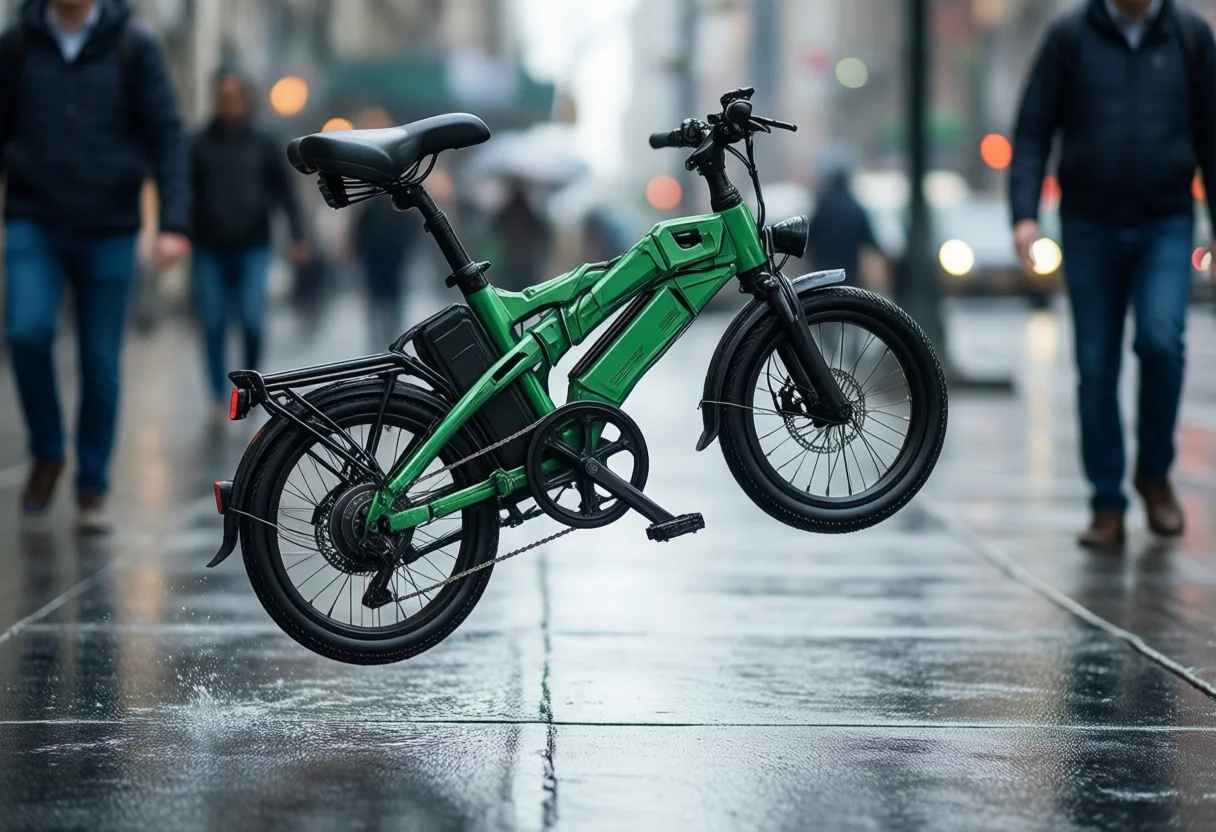
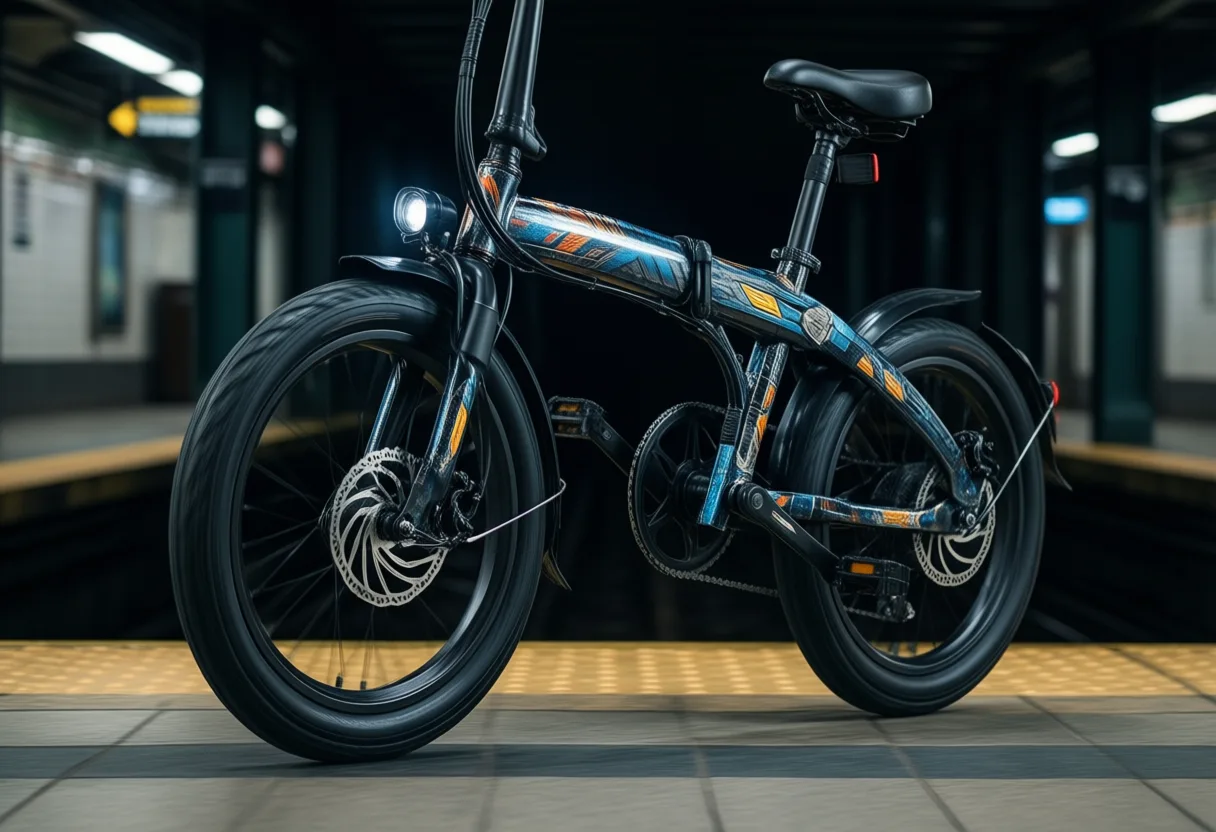
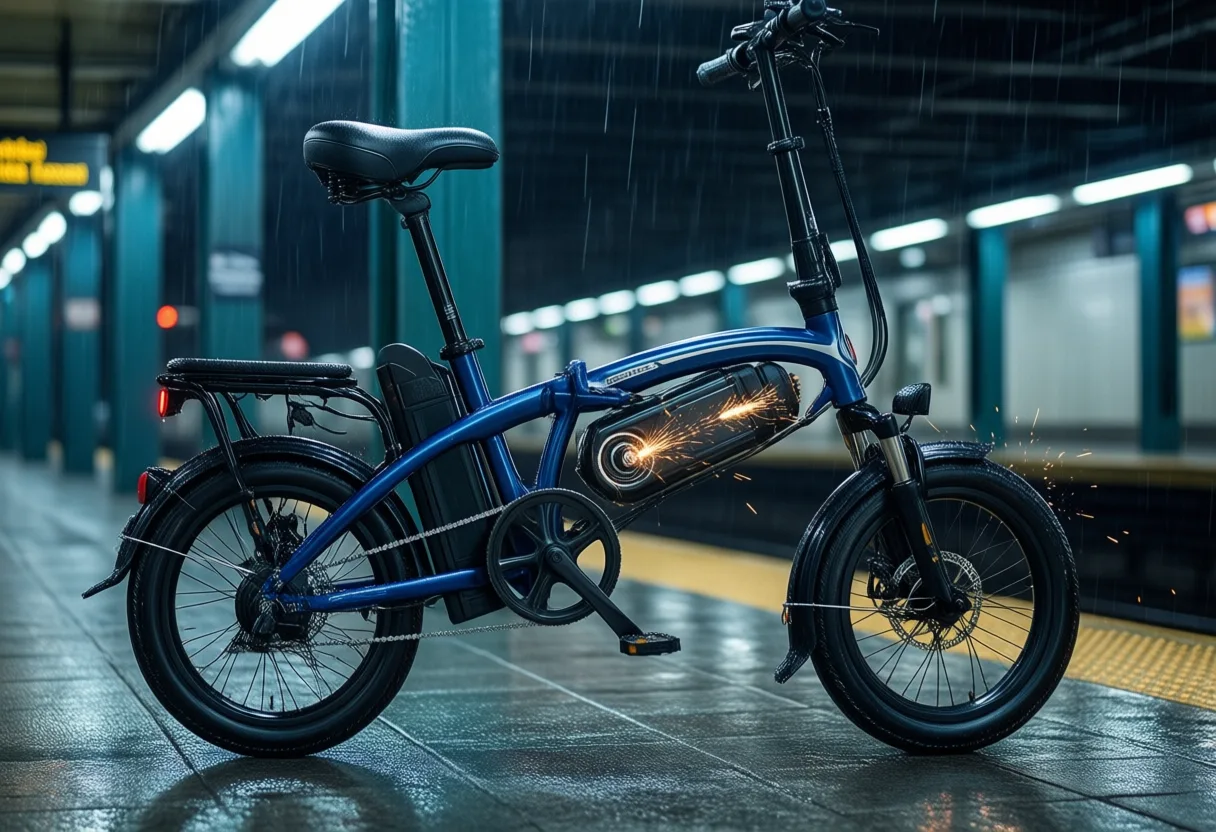
These Bikes Are designed for motion and minimalism. Their frames collapse into compact bundles no larger than a carry-on suitcase. Some models weigh under 30 pounds, making them easy to hoist onto a train rack or carry up a flight of stairs. The motors are quiet, integrated into the hub or mid-drive, and batteries tuck discreetly into the frame-no dangling wires, no clunky add-ons.
- They charge in under four hours.
- Most offer 20 to 40 miles of range.
- Riders can switch between pedal-assist and full electric modes.
One engineer in Portland told me, “It’s like having a secret power mode for the city.” She uses hers to bridge the gap between the light rail and her co-working space, arriving faster than her car-driving peers-and without the parking hunt.
Engineering Elegance in Motion
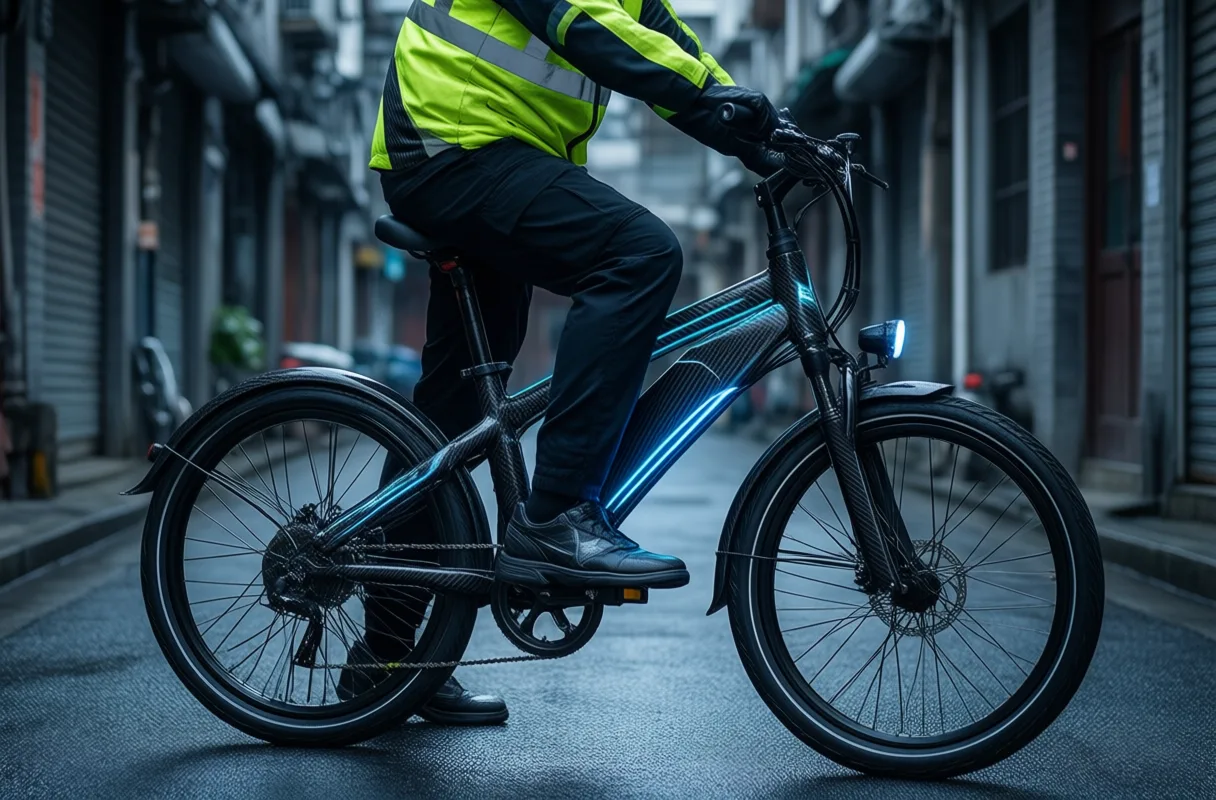
What makes these bikes work isn’t just their size. It’s the thoughtful layering of materials, mechanics, and software. Aluminum alloys keep weight down without sacrificing strength. Belt drives replace chains, reducing maintenance and grime. And smart displays-often just a small LED panel-show speed, battery life, and assist level with a glance.
The real breakthrough is integration. Every component serves more than one purpose. The frame locks the bike when folded. The handlebar stem twists to release the hinge. Even the battery doubles as a security anchor-remove it, and the bike won’t power on.
Suspension systems have also evolved. While early foldable e-bikes felt like riding a shopping cart over cobblestones, newer versions use micro-suspension in the seatpost or front fork to absorb bumps without adding bulk.
One designer at a European mobility Firm described the goal: “We’re not building bikes that fold. We’re building folding systems that ride like bikes.” That shift in mindset-from compromise to cohesion-has changed everything.
More Than a Ride-A Rhythm
This isn’t just about transportation. It’s about reclaiming time, space, and agency in cities that often feel designed against the individual. You don’t need a parking spot. You don’t need gas. You don’t need to circle the block for 20 minutes.
You need a sidewalk, a helmet, and a willingness to move.
Cities are beginning to notice. Bike-sharing programs now include foldable e-bikes. Some office buildings have added compact storage lockers near elevators. Universities are integrating them into campus mobility plans, especially for staff who move between buildings all day.
And the environmental math is hard to ignore. Even when charged from the grid, electric bikes produce a fraction of the emissions of cars-per mile, less than walking when you account for food-based energy.
But perhaps the most compelling argument is emotional. People who use these bikes consistently report feeling more connected to their surroundings. They notice changes in the weather, the bloom of street art, the rhythm of neighborhood life. One teacher in Chicago said, “I used to dread my commute. Now I look forward to it. It’s my quiet time-wind in my face, music in my ears, city humming around me.”
The Road Ahead
Of course, challenges remain. Infrastructure lags behind innovation. Not every city has protected bike lanes. Not every building welcomes bikes indoors. And while prices have dropped, these models still cost more than traditional bicycles.
But momentum is building-quietly, efficiently, much like the bikes themselves.
Manufacturers are experimenting with even lighter materials, faster folding mechanisms, and AI-assisted navigation that learns your route and adjusts assist levels automatically. Some prototypes can fold in under 15 seconds with the push of a button.
Regulations are adapting too. In many regions, these bikes fall under the same rules as standard bicycles, meaning no license, no registration, no insurance required.
The future of Urban commuting May not be faster. It may simply be smoother. More personal. More human.
And if you see someone unfolding a bike from a backpack on the platform, give them a nod. They’re not just going to work. They’re riding the pulse of the city-one quiet revolution at a time.
| Feature | Detail |
|---|---|
| Weight | Under 30 to 35 pounds |
| Fold Time | Under 15 seconds on some models |
| Charge Time | Under four hours |
| Range | 20 to 40 miles per charge |
| Motor Type | Hub or mid-drive, quiet operation |
| Storage Size | Comparable to a carry-on suitcase |
| Assist Modes | Pedal-assist and full electric |
Folding Freedom: The Rise of Compact E-Bikes
From Suitcase to Street in Seconds
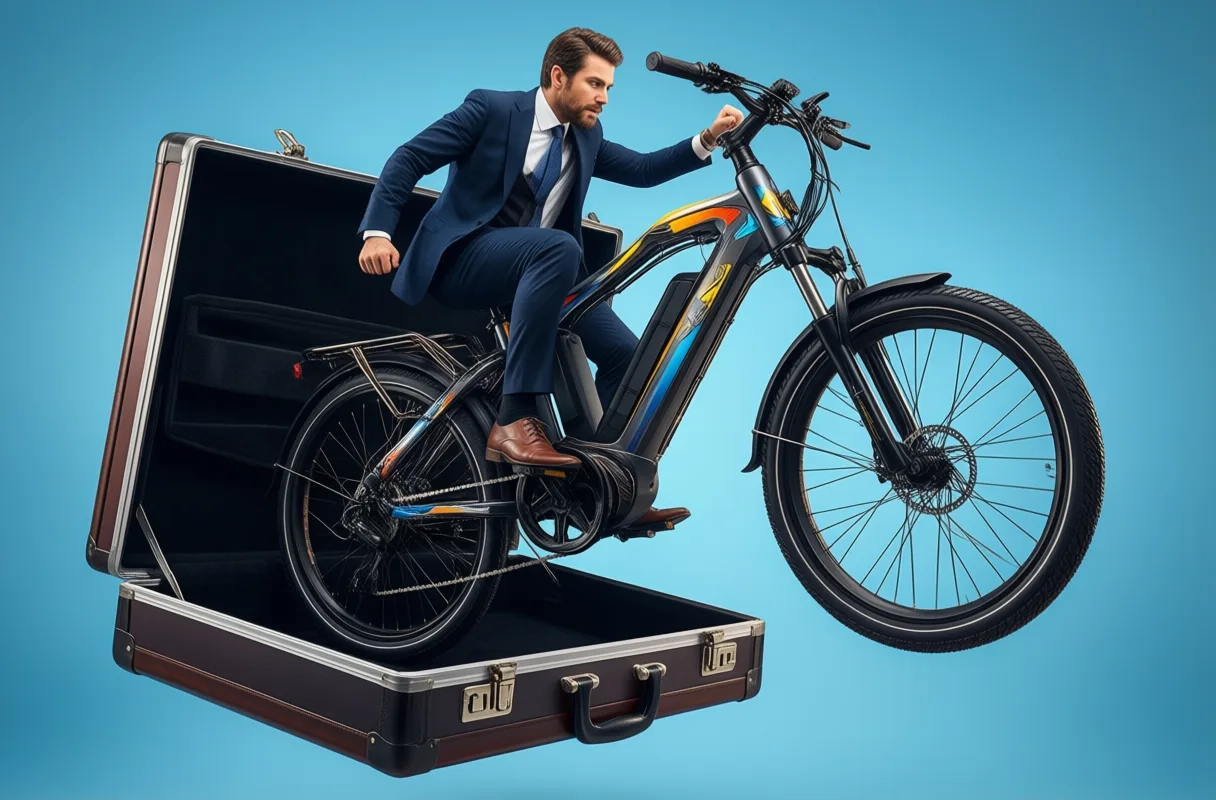
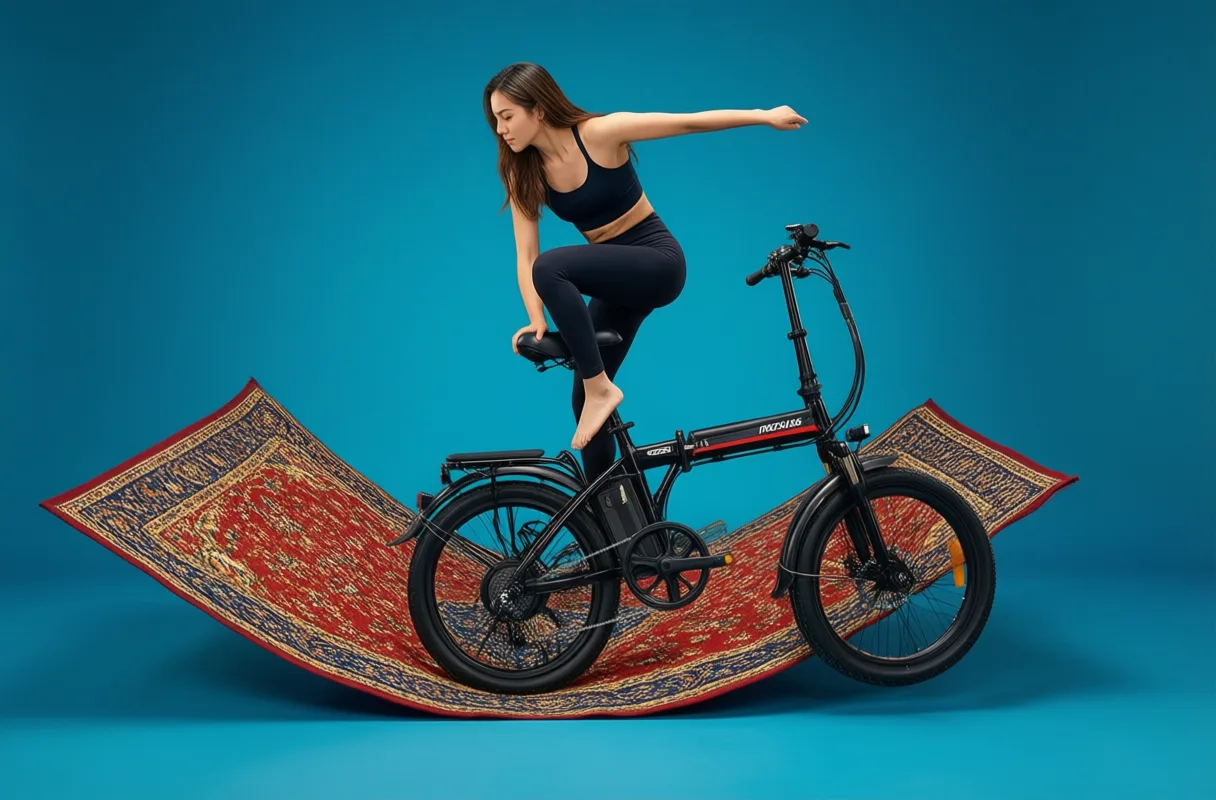
Picture this: a bike that folds up to the size of a carry-on suitcase, zipping effortlessly onto a train or tucking under your desk. That’s the magic of today’s collapsible e-bikes. Some models can transform from full-sized ride to compact bundle in under 15 seconds-no tools, no hassle. Their clever hinge systems let them collapse mid-frame, shrinking wheelbase and handlebars into a tidy package light enough to carry up stairs or store in a closet.
Power Where You Least Expect It
Don’t let their small size fool you-these pint-sized powerhouses pack serious punch. Many foldable e-bikes feature rear or hub motors that kick in smoothly when you pedal, helping you cruise up hills or breeze through city traffic without breaking a sweat. Their lithium-ion batteries often charge in just a few hours and can deliver up to 40 miles of range on a single charge, depending on terrain and rider input. And because they’re electric, riders often find they ditch cars for good, cutting commute costs and reducing emissions with every folded trip.
Commuter Secret Weapon
Urban commuters are snapping these bikes up not just for speed, but for sheer convenience. One major perk? They sidestep the biggest headache of traditional cycling-secure parking. No more hunting for bike racks or worrying about theft; just fold it up and bring it inside. Offices, cafes, and even some buses welcome these compact rides where full-sized bikes wouldn’t fit. Plus, weighing as little as 35 pounds, many feel manageable to lift and carry, turning last-mile travel into a non-issue. Explore more stories, videos, and creators on Loaded.
Frequently Asked Questions
How quickly can collapsible e-bikes be folded or unfolded?
Some models can transform from a full-sized bike to a compact bundle in under 15 seconds. The folding process requires no tools and is designed for ease and speed.
What is the typical range of a foldable e-bike on a single charge?
Most foldable e-bikes offer a range of 20 to 40 miles on a single charge. Range varies based on terrain and rider input.
How long does it take to charge a collapsible e-bike’s battery?
The batteries charge in under four hours. Many models use lithium-ion batteries that charge as easily as a laptop.
Why are foldable e-bikes ideal for urban commuters?
They solve the last-mile problem by bridging gaps between transit and destinations. Their compact size allows indoor storage, eliminating parking concerns and theft risk.
This article was produced with AI assistance. How Neuron Magazine uses AI.
Saoirse investigates how automation, remote systems, and AI reshape labor, careers, and human purpose. She centers worker voices and cultural change, blending data with narrative depth to reveal what the future feels like on the ground.