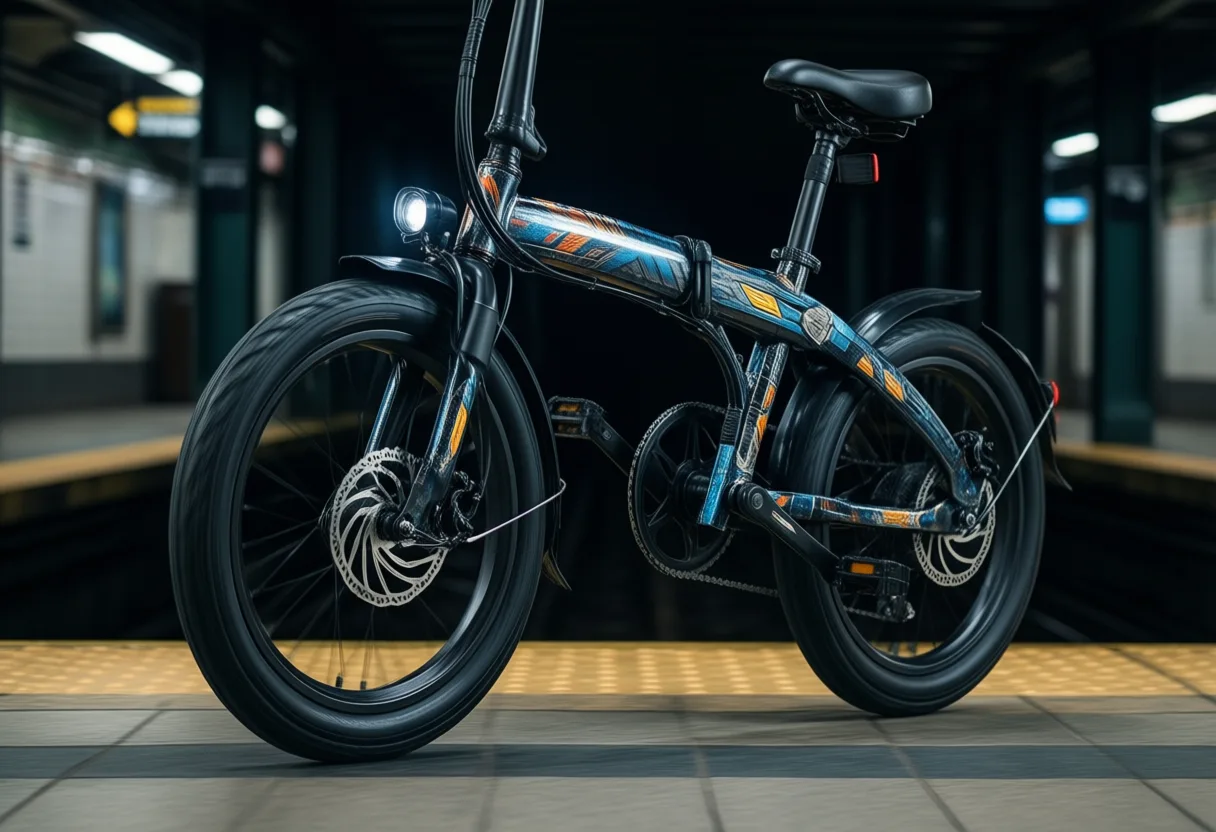
What if the most powerful tool in your commute wasn’t faster-but smaller? What if cutting through traffic had less to do with speed and more to do with Disappearing into the City?
Urban mobility Is undergoing a silent revolution. No horns. No exhaust. Just a quiet fold, a twist of the throttle, and a rider gliding past gridlock. The future of getting from A to B isn’t bigger infrastructure. It’s smarter design.
Folding in Half, Not Just Convenience: Redesigning Portability
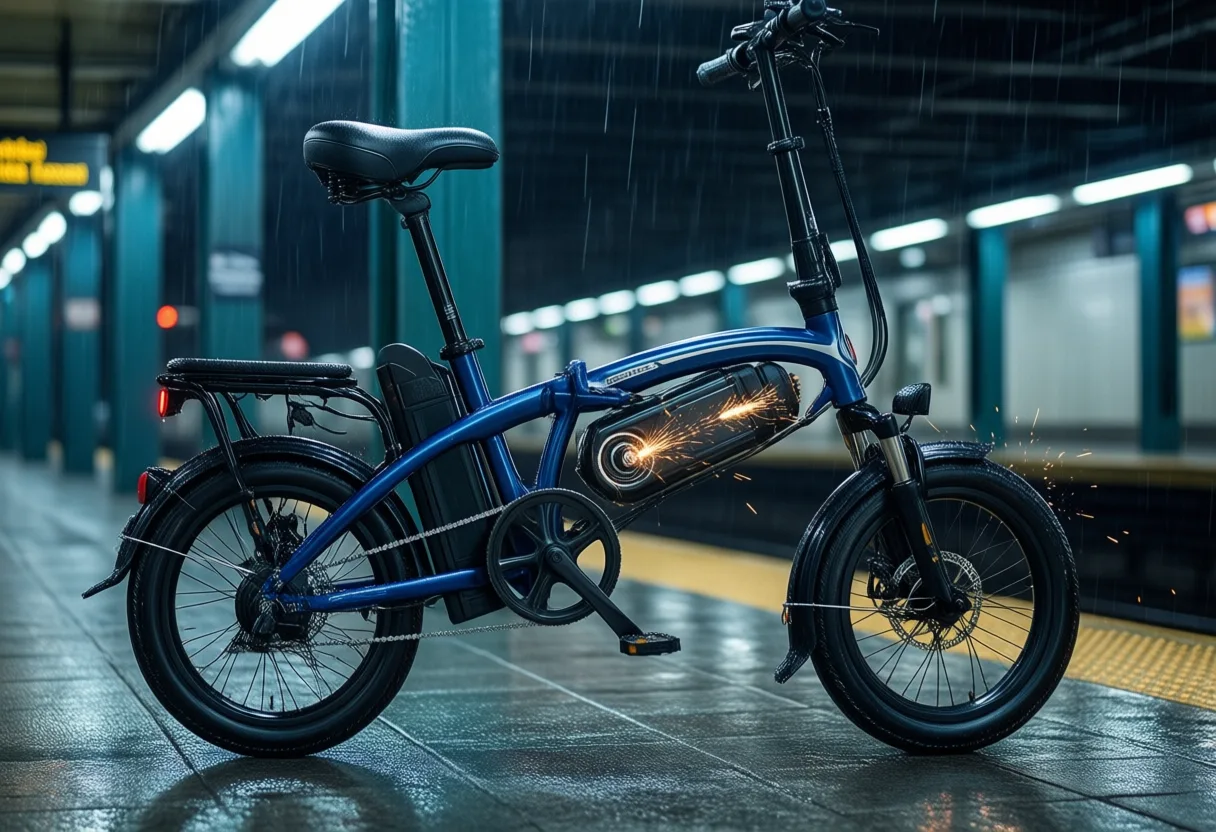
Imagine a vehicle that fits under your desk. Not in a garage. Not in a lot. Under your desk. That’s the reality folding frames deliver.
These aren’t clunky contraptions from the '90s. Modern hinges lock with a single lever. No tools. No wobble. The frame snaps shut like a Swiss Army knife-compact, precise, engineered for motion. You don’t store it. You Bring it with you.
Weight matters. Early models dragged like suitcases. Today’s builds use aerospace-grade alloys. Light enough to carry up stairs. Strong enough to handle daily abuse. No more Bike racks. No more theft anxiety. Just fold, lift, and walk.
- One motion collapses the frame
- Folded size rivals a carry-on bag
- Seamless transitions from street to subway to office
Portability isn’t a bonus. It’s the core advantage. The city isn’t built for parking. It’s built for movement. These Bikes move With The rhythm of urban life-not against it.

Riding Uphill Without Breaking a Sweat: Electric Assist That Actually Works
You’ve seen them-riders breezing up hills in dress shoes. No sweat. No struggle. Just steady, silent propulsion. This isn’t magic. It’s torque.
Electric motors integrated into hubs or cranks deliver power exactly when needed. Not constant. Not jarring. Responsive. Pedal, and the system senses resistance. Climb a hill? More assist. Coast downhill? It backs off. The rider stays in control. The machine just removes the friction.
Battery placement is no afterthought. It’s structural. Mounted low and centered, it lowers the center of gravity. The bike feels planted-even at speed. No top-heaviness. No wobble on sharp turns. Power delivery is smooth, like a wave building beneath you.
- Motor types: hub-drive vs. Mid-drive-each with trade-offs in efficiency and feel
- Range varies, but 30–50 km per charge covers most commutes
- Regenerative braking? Still minimal. Not a game-changer-yet
This isn’t about replacing effort. It’s about Redirecting It. Energy goes to thinking, not sweating. To focus, not fatigue. The commute becomes a transition-not a tax.
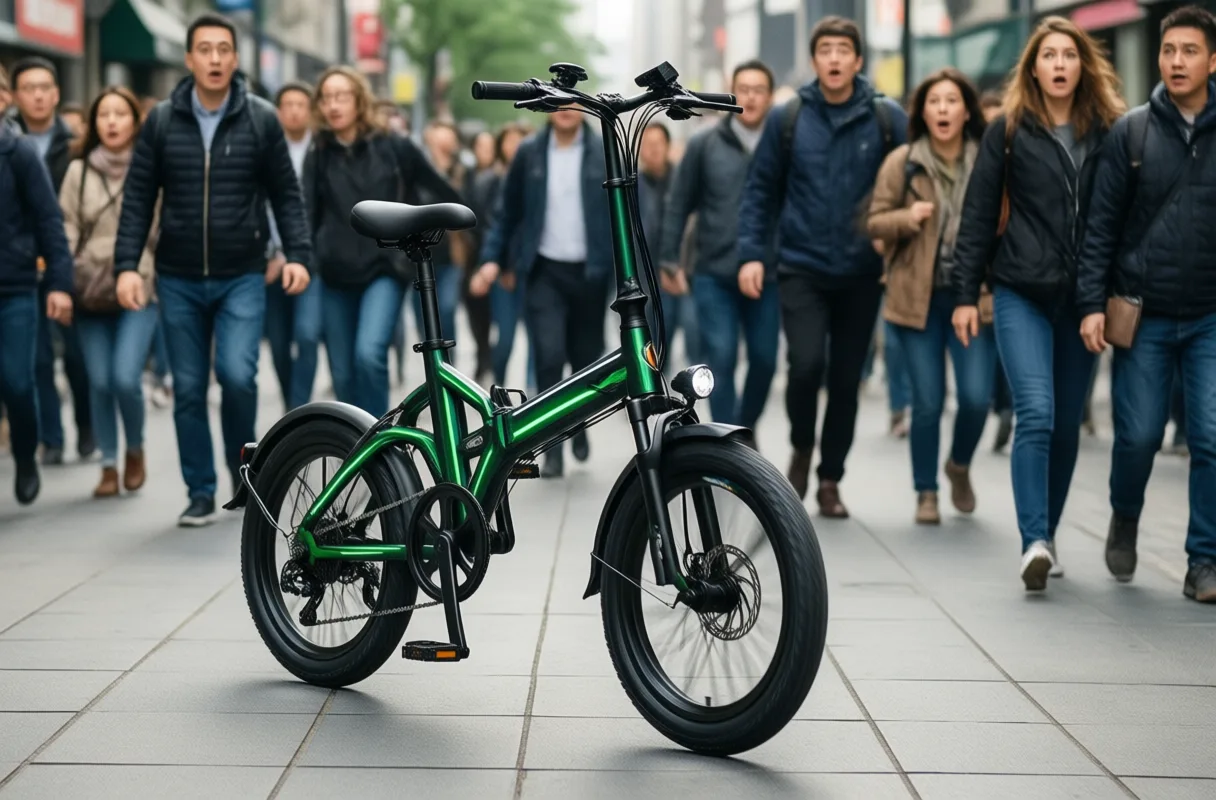
From Trunk to Trail in Under 10 Seconds: Real-World Time Savings
Time isn’t just saved on the road. It’s saved in the In-between. The seconds that stack. The steps that add up.
Unfold. Step on. Go. No fumbling with locks. No detours to racks. No walking five blocks to find parking. The transformation from stowed to moving happens faster than a car door closes. Ten seconds. That’s it.
Compare that to driving: circling blocks. Paying fees. Walking from lot to lobby. Minutes vanish before you even start working. With a folded bike, your parking spot is your office floor. Your garage is your closet.
- Eliminates search time for parking
- No extra walking from remote lots
- No exposure to weather during transitions
Every second reclaimed is a cognitive win. You’re not arriving flustered. You’re arriving Present. The machine doesn’t just move you through space. It preserves your mental bandwidth.
Beating Traffic by Going Where Cars Can’t: Lane Filtering and Sidewalk Logic
Traffic doesn’t move. It Pools. And in that pool, two wheels become a superpower.
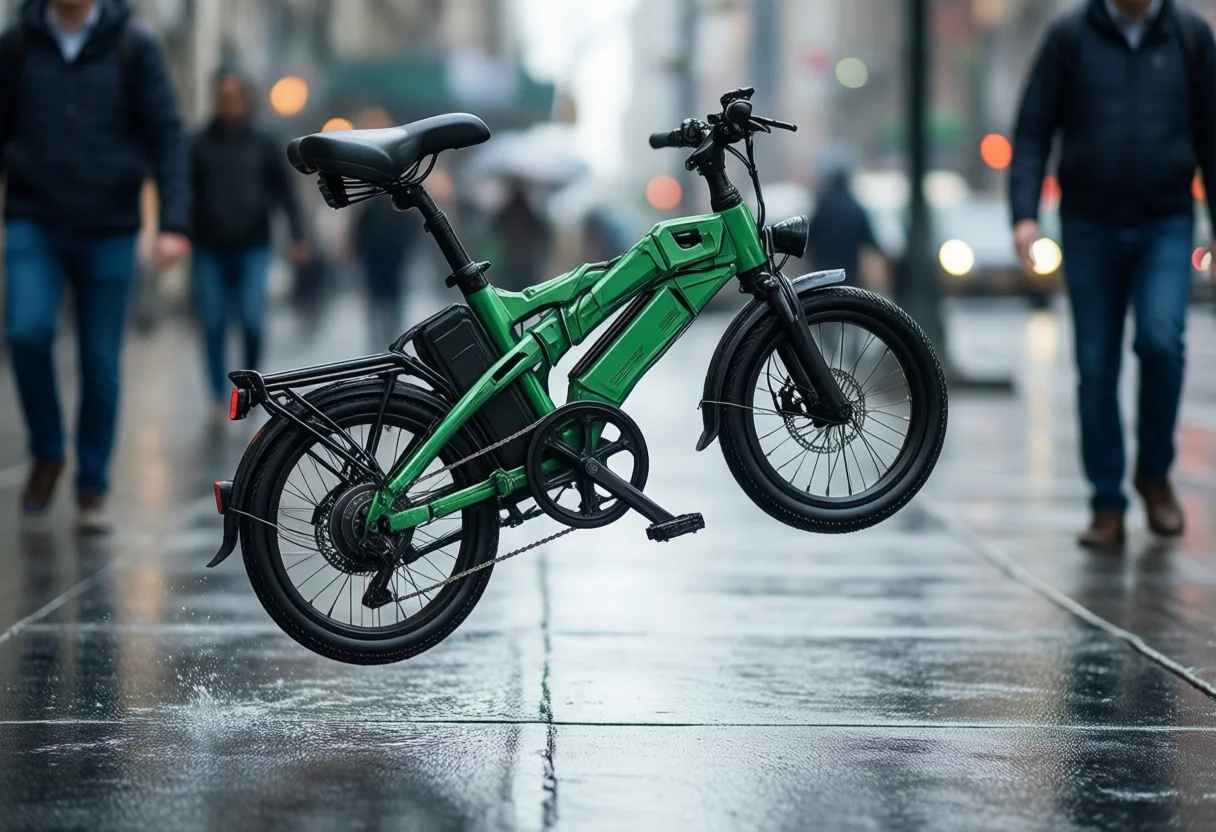
Lane filtering-moving between stopped or slow-moving vehicles-is where these bikes shine. Legal in some cities. Tolerated in others. Effective everywhere. While drivers stare at brake lights, riders flow. Not recklessly. Not aggressively. Efficiently.
Sidewalk riding? Risky. Often illegal. But shared paths, bike lanes, and pedestrian zones offer alternatives. The smaller footprint means tighter turns, easier navigation through crowds. You’re not just avoiding traffic. You’re Routing around it.
Size enables strategy. A car needs three meters. A bike needs one. That difference opens doors-literally. Through alleyways. Across plazas. Into buildings. The city becomes a maze with hidden shortcuts.
- Narrow width allows passage through dense areas
- Low speed in pedestrian zones reduces risk
- Maneuverability beats brute force every time
This isn’t defiance of traffic. It’s Adaptation. Evolution favors the agile. In the urban jungle, the smallest predator often eats first.
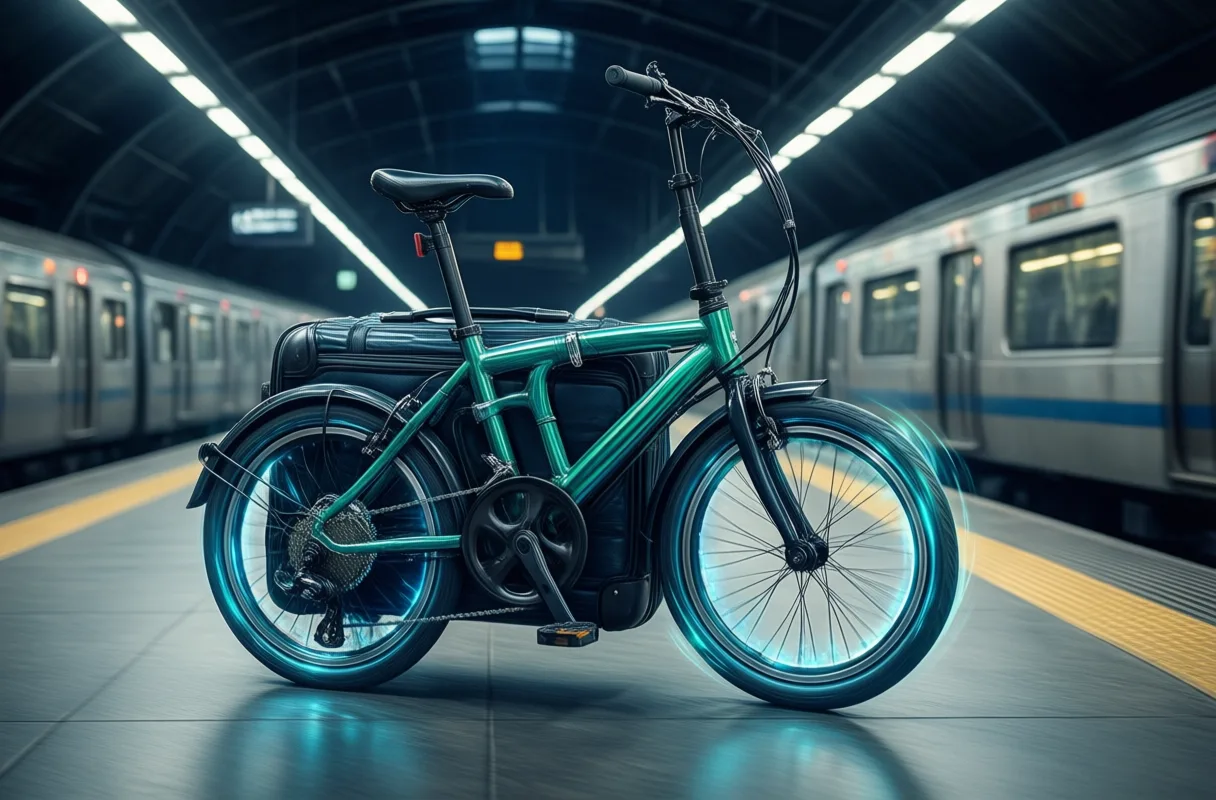
Charging While You Work: The Power of Office-Outlets and Minimal Grid Demand
Where do you charge your phone? Your laptop? Your Bike?
The answer is obvious: wherever you spend eight hours. A standard outlet suffices. No special infrastructure. No public charging hunt. Plug in at your desk. By lunch, you’ve regained half your range. By 5 PM, you’re fully topped.
Energy demand is negligible. We’re talking kilowatt-hours per week-less than a desktop computer. No strain on the grid. No need for new substations. The power already exists. We’re just using it smarter.
- Charges on standard 110V/230V outlets
- Draws less power than common office equipment
- Can integrate with building energy management
This is distributed energy at its simplest. No gas stations. No pipelines. Just existing sockets, quietly refueling the next leg of the journey. The infrastructure isn’t built-it’s Borrowed.
The revolution isn’t coming. It’s already folding up and walking into the office.
| Feature | Benefit |
|---|---|
| Folds in under 15 seconds | Quick transition from ride to carry |
| Weighs as little as 25 lbs | Easy to carry up stairs or onto transit |
| Motor assists up to 20 mph | Effortless riding, even uphill |
| Range: 20–50 miles per charge | Covers most urban commutes |
| Charges on standard outlet | No special infrastructure needed |
| Compact folded size | Fits under desks or in small spaces |
| Uses aerospace-grade alloys | Lightweight yet durable construction |
Folding the Future: How Compact Rides Are Changing City Life
The Rise of the Pocket-Sized Powerhouse
Electric Fold-up bikes aren’t just a modern convenience-they’re a game-changer for tight city living. Weighing as little as 25 pounds, some models fold down in under 15 seconds, making them easy to stash under a desk, in a car trunk, or even beside you on a crowded train. Their compact size doesn’t mean weak performance; many pack motors that assist speeds up to 20 mph, with batteries lasting between 20 to 50 miles on a single charge, depending on terrain and rider input.
Built for Real Urban Challenges
These nimble bikes were practically made for cities where parking is scarce and traffic is relentless. Riders can pedal partway, fold the bike, and hop on a subway or bus without missing a beat-something car commuters can only dream of. Some models even feature integrated locks or app-based tracking, helping deter theft in busy areas. And because they’re lighter than traditional e-bikes, carrying them up a flight of stairs or onto a platform feels far less like a workout.
A Nod to Practical Innovation
The folding mechanism isn’t new-engineers have been refining compact bike designs since the early 20th century-but pairing it with electric assist transformed its potential. Today’s versions balance durability and portability, often using aerospace-grade aluminum. They’re not just for commuters, either; travelers use them to explore airports or hotel districts without relying on rentals or rideshares. With charging times typically under 5 hours, they’re ready for daily use without long downtime. Explore more stories, videos, and creators on Loaded.
Frequently Asked Questions
How long does it take to fold an Electric Fold-up bike?
Some models fold down in under 15 seconds. One motion collapses the frame, allowing quick transitions from street to subway to office.
Can Electric Fold-up bikes handle hills?
Yes, electric motors provide responsive assist when climbing. Power delivery is smooth and torque-based, removing strain without jarring acceleration.
Where can you charge an Electric Fold-up bike?
They charge on standard 110V/230V outlets. You can plug in at your desk, and by lunch, you may regain half your range.
Are Electric Fold-up bikes legal to ride on sidewalks?
Sidewalk riding is often illegal and risky. However, shared paths, bike lanes, and pedestrian zones offer safer, legal alternatives.
This article was produced with AI assistance. How Neuron Magazine uses AI.
Malik dissects how artificial intelligence transforms decision-making in governments and corporations, tracking algorithmic power shifts and policy gaps. He writes with clarity and urgency, making high-stakes tech strategy accessible without oversimplifying its risks.