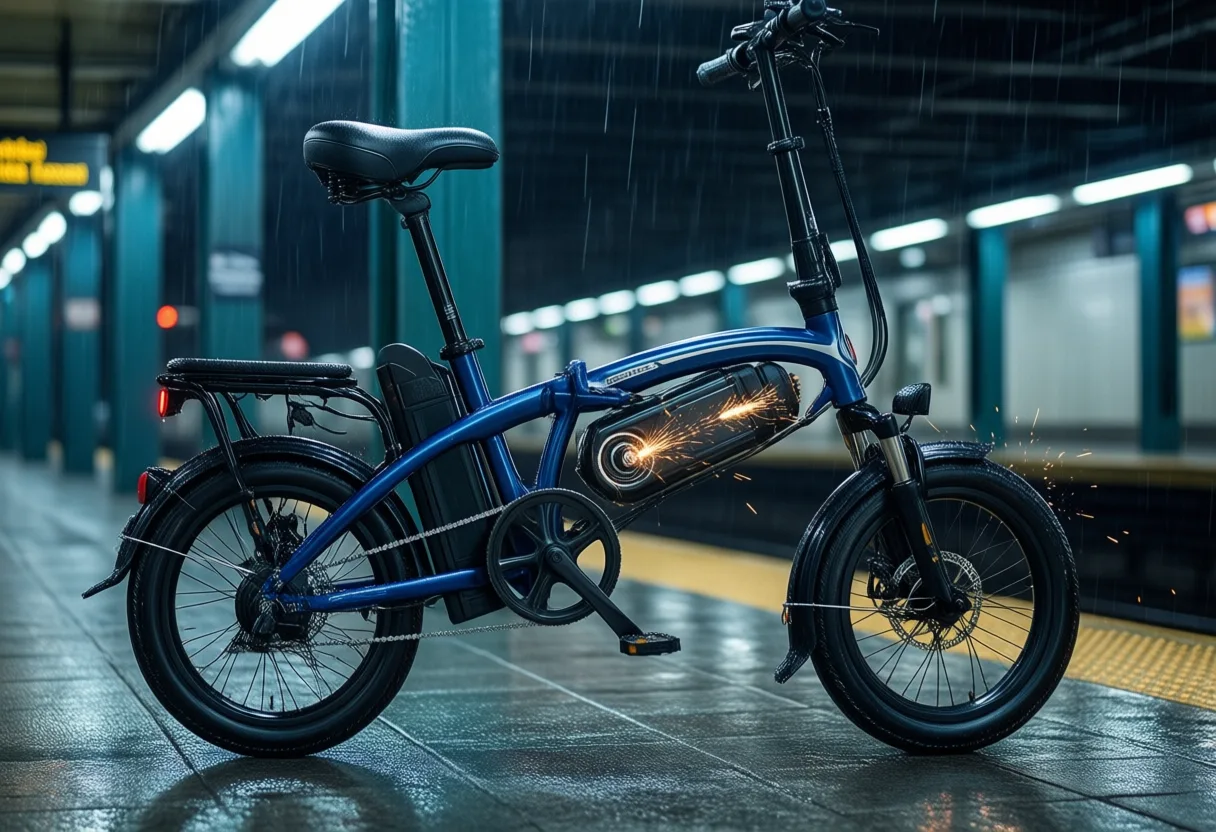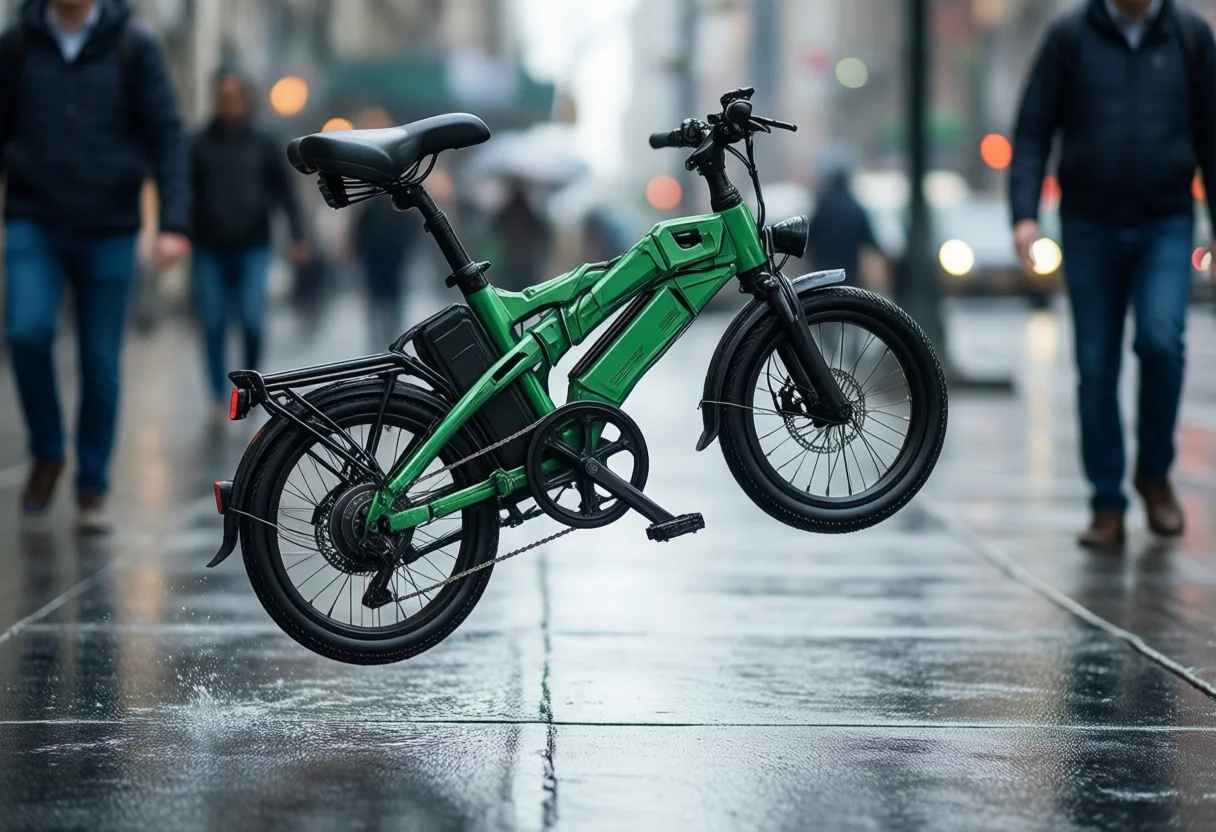

Cities are swapping vans for Bikes. Not the kind with baskets and bells, but purpose-built workhorses designed to carry serious loads through narrow streets and crowded sidewalks. This isn’t a trend-it’s a quiet revolution unfolding at street level, one pedal stroke at a time.
Why Cities Are Rethinking Last-Mile Logistics
Traffic crawls. Delivery trucks idle. Sidewalks fill with boxes waiting for someone to sign. The final leg of delivery-the last mile-has long been the most expensive, polluting, and frustrating part of the supply chain. In dense Urban cores, the math no longer adds up: more vehicles mean more delays, more emissions, and more noise.
Cities are responding not with bigger roads, but Smarter solutions. Space is finite. Congestion pricing, low-emission zones, and pedestrian-first policies are reshaping how goods move. The old model-sending a three-ton van to deliver a two-kilogram package-now feels as outdated as fax machines in a Zoom world.
Enter a new logic: smaller vehicles for smaller trips. When most deliveries happen within five miles and weigh under 50 pounds, the optimal tool isn’t a diesel van. It’s something lighter, quieter, and far more agile. The shift isn’t just about sustainability-it’s about survival in cities that can no longer afford gridlock.
A New Class of Urban Transport Emerges
This isn’t your neighbor’s e-bike with a crate strapped to the back. A new generation of cargo bikes is emerging-designed from the ground up for professional use, not weekend errands. These are full-electric, frame-integrated machines built to handle hundreds of deliveries a week, not just a trip to the farmers’ market.
They look like nothing else on the road: long wheelbases, low centers of gravity, and modular cargo zones that open like delivery lockers. Some models feature dual compartments, one behind the rider and another in front, maximizing storage while keeping weight balanced. Others integrate roll-up doors, locking mechanisms, and even temperature control.
What sets them apart isn’t just capacity-it’s intention. These bikes aren’t retrofitted afterthoughts. They’re engineered systems, where motor, battery, chassis, and cargo space function as one unit. The result? A vehicle that moves like a bike but performs like a mini-warehouse on wheels.

What Makes This Bike Different from Traditional Cargo Models?
Engineered for Volume Without Sacrificing Maneuverability
Old cargo bikes often faced a trade-off: carry more, turn less. Load them up, and steering became sluggish, braking distances longer, cornering unpredictable. These new models flip that script. By placing the battery and motor at the lowest point in the frame, engineers have created a center of gravity closer to the ground than most scooters.
The geometry is deliberate-short front ends for quick steering, wide handlebars for control, and suspension tuned for potholes, not pavement. Even fully loaded, the bike responds to input like a much smaller vehicle. It can pivot in tight alleys, weave through construction zones, and stop on a dime.
And unlike vans that need three-point turns, these bikes can U-turn in the width of a parking space. That means fewer missed deliveries, less frustration, and a smoother rhythm for riders who spend hours navigating the same blocks every day.
Built to Handle Frequent Loading in Tight Urban Corridors
Delivery riders don’t have time for fussy logistics. They need to grab a package, lock the compartment, and move. These bikes are built for repetition-hundreds of door openings, thousands of pedal strokes, all in a single week. The loading zones are positioned at waist height, eliminating the need to squat or stretch.
Doors open wide and stay open, even in wind. Floors are reinforced to handle stacked boxes. Some models feature internal dividers that snap in and out, letting riders reconfigure space on the fly. No more tossing parcels into a cavernous hold and hoping they don’t crush.
And because they’re designed for city life, every inch is optimized. The frame avoids overhangs that snag on curbs. The wheels are puncture-resistant. The lights are bright enough to cut through morning fog. This isn’t just transport-it’s a mobile workstation built for the urban grind.
Integrated Security and Weather Protection as Standard Features
Rain, theft, tampering-these aren’t edge cases. They’re daily risks. Earlier cargo bikes treated security as an add-on: a lock here, a tarp there. Now, it’s baked in. Compartments lock electronically, often tied to the rider’s authentication system. Some models log every open and close event, creating a digital chain of custody.
Weather protection goes beyond a flimsy cover. Full enclosures seal out rain, snow, and dust. Seals are tight, vents are smartly placed, and insulation helps maintain internal conditions. For food, medicine, or sensitive electronics, that reliability matters.
Even the battery is secure-mounted internally, inaccessible without tools. And because the entire system is connected, fleet managers can monitor location, lock status, and charge level in real time. It’s not just safer. It’s more professional.
How Delivery Fleets Are Cutting Costs and Emissions
Reduced Fuel Dependence with Zero Tailpipe Output
Fleets are tired of gas prices. One spike, and margins shrink. Electric cargo bikes run on electrons, not gasoline, and the cost difference is stark. Charging overnight costs a fraction of a tank, especially when scaled across dozens of vehicles.
More importantly, they produce no tailpipe emissions. In cities with air quality mandates, that’s not just good PR-it’s compliance. No NOx, no particulates, no contribution to smog. Just silent, clean movement through neighborhoods that have long suffered from vehicle pollution.
And because they’re quiet, they don’t add to noise pollution. Residents don’t wake to engine rumble at dawn. Hospitals and schools stay undisturbed. The urban soundscape shifts-from growl to glide.
Lower Maintenance Cycles Compared to Motorized Vans
Vans break down. Brakes wear. Transmissions fail. Engines overheat. The mechanical complexity of internal combustion vehicles means constant upkeep. Cargo bikes, by contrast, have fewer moving parts. No oil changes. No exhaust systems. No clutches or gearboxes.
Electric motors are durable. Regenerative braking reduces wear on pads. Tires last longer because weight distribution is even. Most maintenance is simple: check tire pressure, wipe contacts, ensure locks function. Some fleets report service intervals stretching to thousands of miles.
That means less downtime. Fewer mechanics. Lower repair bills. Over time, the total cost of ownership drops significantly-even with higher upfront prices. For fleet managers, that’s a compelling equation.
Optimized Workflow for High-Density Neighborhood Routes
These bikes aren’t just cheaper to run-they’re faster in the right context. In neighborhoods where parking takes longer than the delivery itself, cargo bikes skip the hunt entirely. They stop, drop, and go.
Riders spend less time circling blocks. No parallel parking. No ticket risk. No double-parking and blocking bike lanes. They dock at curbs, unlock, hand off, and move-often in under a minute.
Fleet software routes them efficiently, clustering deliveries by proximity. The result? More stops per hour, higher throughput, and happier customers. In cities like Amsterdam and Copenhagen, riders using these bikes complete 30% more deliveries per shift than Van drivers In the same zones.
Beyond the Hype: Debunking Myths About Cargo Capacity
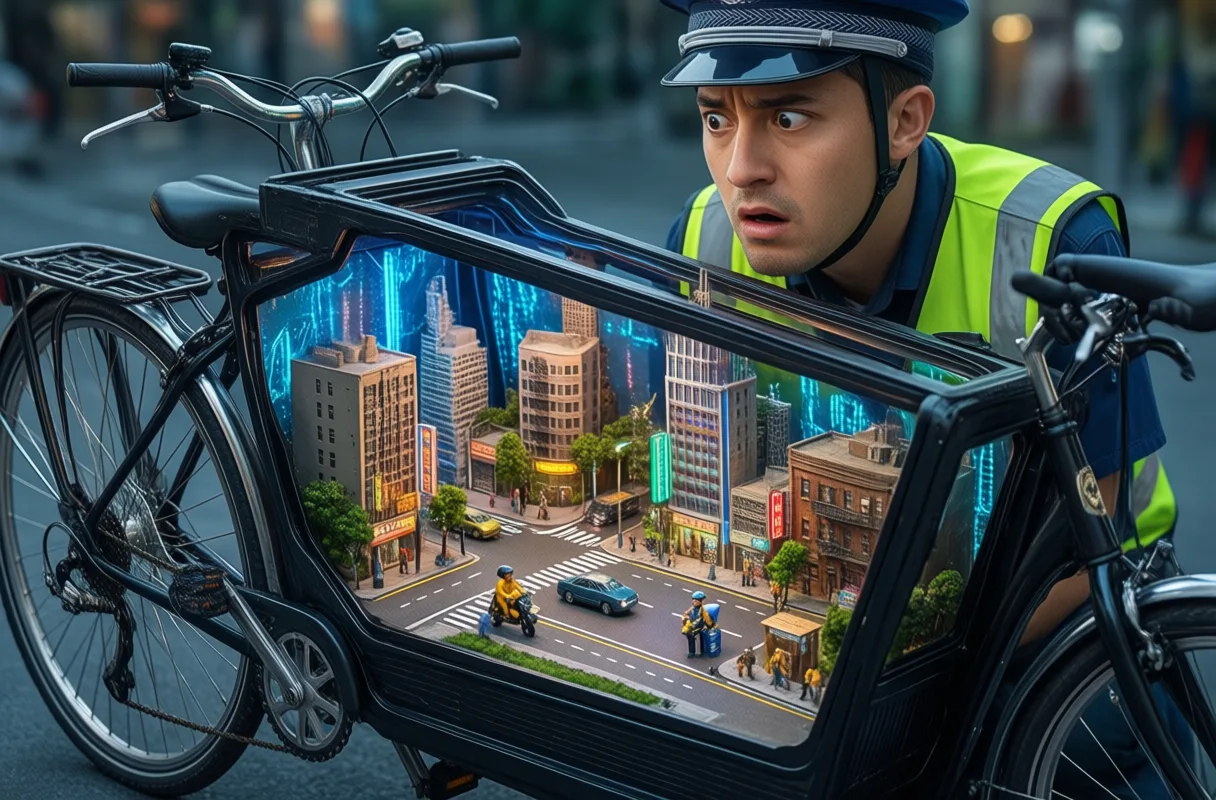
It’s Not Just for Small Parcels-Bulk Loads Made Practical
People assume cargo bikes are for letters and lunch orders. But modern models can carry the equivalent of a small refrigerator, a stack of laundry baskets, or multiple grocery orders at once. We’re talking 200, 300, even 400 pounds-enough for a week’s worth of supplies for a café or office.
Modular interiors let riders mix large and small items. Flatbed sections handle bulky goods. Enclosed lockers secure valuables. Some bikes even tow small trailers when demand spikes-like during holiday seasons or pop-up events.
The key is distribution strategy. Instead of one massive delivery, goods arrive in frequent, smaller batches. That reduces on-site storage needs and keeps inventory fresh. For businesses, it’s not less capacity-it’s smarter logistics.
Range Anxiety Doesn’t Apply in Sub-10-Mile Service Zones
Critics ask: “How far can it go?” But the question misses the point. Most urban deliveries happen within a five-mile radius. The average route is even shorter. For these distances, battery range isn’t a limitation-it’s a non-issue.
Modern models offer 50 to 80 miles on a single charge, far exceeding daily needs. And because they recharge overnight, there’s no refueling downtime. No idling at stations. No supply chain hiccups.
Plus, regenerative braking recaptures energy on stop-and-go streets. Riders in hilly cities report minimal range loss. In practice, these bikes are always ready-plugged in, charged, and waiting for the next dispatch.
Real-World Adoption: Where These Bikes Are Already Dominating
Gaining Ground in Congested European City Centers
In cities like Berlin, Paris, and Utrecht, cargo bikes are no longer novelties. They’re standard equipment for postal services, grocery chains, and local couriers. Municipal fleets use them for park maintenance, waste collection, and even mobile clinics.
Infrastructure follows demand. Bike lanes widen. Loading zones appear. Charging docks pop up at depots and hubs. Some cities offer subsidies for businesses switching from vans to cargo bikes-recognizing the public benefit in cleaner air and quieter streets.
Riders report higher job satisfaction. Less stress. More connection to the city. No cabin isolation. They know the neighborhoods, the shortcuts, the best times to move. They’re not just drivers-they’re part of the urban fabric.
Expanding Roles in North American Micro-Distribution Hubs
North America is catching up. In cities like Portland, Montreal, and Brooklyn, startups and legacy companies alike are testing cargo bikes for hyperlocal delivery. Micro-fulfillment centers-small warehouses in repurposed storefronts-use them to serve surrounding blocks.
Grocers deliver same-day orders. Pharmacies drop off prescriptions. Hardware stores move tools and supplies. The model works best where density meets demand: college campuses, downtown cores, mixed-use developments.
It’s not replacing trucks altogether. It’s filling a gap-handling the high-frequency, low-weight deliveries that vans struggle with. And as zoning laws evolve and public support grows, the network effect accelerates.
The Hidden Advantage: Rider Experience and Urban Flow
Staying Agile Where Cars Get Stuck
Ask any delivery rider: the worst part of the job isn’t the weather or the weight-it’s the waiting. Waiting for traffic to move. Waiting for a parking spot. Waiting for a loading dock to open. Cargo bikes bypass most of it.
They use bike lanes, cut through parks, take shortcuts inaccessible to cars. During rush hour, they often arrive faster than GPS predicts. While cars inch forward, bikes maintain momentum.
That agility isn’t just convenient-it’s transformative. It changes how cities function. Goods keep moving even when roads don’t. Supply chains stay resilient. And riders regain time-hours per week that used to vanish in traffic.
Faster Door-to-Door Times Without Parking Hassles
Parking in cities is a losing game. Limited spots, high fees, constant turnover. Drivers spend up to 30% of their shift just finding a place to stop. Cargo bikes eliminate that entirely.
They don’t need a bay. They don’t need a permit. They pull up, deliver, and go. No fines. No tickets. No double-parking guilt. For recipients, it’s simpler too-no missed deliveries because the van couldn’t access the building.
In dense areas, this speed compounds. More deliveries per hour. Fewer delays. Higher customer satisfaction. It’s not just efficiency-it’s reliability in a world that expects everything now.

What This Means for the Future of Local Commerce
Enabling 24/7 Fulfillment in Noise-Sensitive Districts
Hospitals. Residential zones. Historic districts. These areas often ban or restrict late-night truck deliveries due to noise. But cargo bikes operate at near-silent levels. That opens the door for off-peak deliveries-when streets are empty and demand is low.
Grocery stores can restock at 2 a.m. Without disturbing sleep. Pharmacies can receive urgent shipments quietly. Restaurants can get fresh ingredients before dawn. The city never stops moving, but it doesn’t have to roar to do it.
This isn’t just about convenience. It’s about resilience. By spreading deliveries across more hours, businesses reduce pressure on peak infrastructure. Traffic eases. Emissions drop. The system becomes more balanced.
Supporting Sustainable Growth Without Expanding Road Infrastructure
Cities aren’t getting bigger. Roads aren’t getting wider. But demand for delivery keeps rising. The old answer-build more lanes, add more trucks-no longer works. It’s physically impossible in mature urban environments.
The new answer is density of movement, not size of vehicle. One cargo bike takes up less space than a single car parking spot. It can replace multiple van trips. Multiply that across a fleet, and the impact compounds.
This isn’t a temporary fix. It’s a long-term strategy for growth without congestion. It allows cities to serve more people, move more goods, and maintain quality of life-all without tearing up streets or widening roads.
Redefining What Efficient Delivery Looks Like
Efficiency isn’t just speed. It’s not just cost. True efficiency considers time, space, energy, and human experience. By that measure, the cargo bike isn’t a compromise. It’s an upgrade.
It moves goods without moving mountains of metal. It serves neighborhoods without suffocating them. It empowers riders instead of isolating them. And it proves that sometimes, the best solution isn’t bigger, faster, or louder-but smaller, smarter, and quieter.
The future of delivery isn’t on four wheels. It’s on two. And it’s already rolling through the streets, one efficient, electric pedal at a time.
Rethinking How Goods Move in the City
Cargo bikes aren't just souped-up bicycles with baskets-they’ve evolved into serious urban workhorses, and deep compartment models are leading the charge. Unlike standard cargo bikes that strap packages to the outside, these feature a large, enclosed storage area built low between the wheels or at the front. This design isn’t just about space; it shifts the center of gravity downward, making the bike surprisingly stable even when fully loaded. Riders report feeling more confident navigating tight corners or stopping suddenly in traffic, all without the wobble you might expect from such a bulky load.
Hidden Strength in Design
The deep compartment isn’t merely a bigger box-it’s an engineering tweak that changes everything. Because the weight sits lower and closer to the frame’s core, handling improves dramatically. Some models can carry over 200 pounds without breaking a sweat, easily replacing short-haul delivery vans for local businesses. That kind of shift means fewer idling engines, less noise pollution, and lighter wear on city streets. In European cities like Copenhagen and Amsterdam, where cycling infrastructure is mature, fleets of these bikes already handle everything from groceries to restaurant supplies, proving they’re not just practical but scalable.
Quiet Giants of the Last Mile
One of the quieter advantages? These bikes operate almost silently, which makes early morning or late-night deliveries far less disruptive in residential areas. With no exhaust and minimal mechanical noise, they slip through neighborhoods like ghosts. Plus, because they fit in bike lanes and can often bypass traffic jams, delivery times become more predictable. For courier services, that reliability adds up-fewer delays, lower operating costs, and a smaller carbon footprint. It’s efficiency rooted in simplicity: pedal power, smart geometry, and a well-placed box that’s doing more heavy lifting than you’d think. Explore more stories, videos, and creators on Loaded.
Frequently Asked Questions
How do deep compartment cargo bikes improve urban delivery efficiency?
They replace short-haul vans by carrying up to 400 pounds, navigating tight streets with agility, and eliminating parking delays. Their low center of gravity ensures stability even when fully loaded.
What makes deep compartment cargo bikes different from traditional models?
They are engineered from the ground up with integrated electric motors, low-mounted batteries, and modular cargo zones. Unlike retrofitted bikes, they offer balanced weight distribution and superior handling.
Do electric cargo bikes have enough range for city deliveries?
Yes, most urban deliveries occur within five miles. These bikes offer 50 to 80 miles per charge, far exceeding daily needs, and recharge overnight with no downtime.
How do cargo bikes reduce emissions and maintenance costs?
They produce zero tailpipe emissions and have fewer moving parts than vans, eliminating oil changes and reducing brake wear. This leads to lower repair bills and less downtime.
This article was produced with AI assistance. How Neuron Magazine uses AI.
Saoirse investigates how automation, remote systems, and AI reshape labor, careers, and human purpose. She centers worker voices and cultural change, blending data with narrative depth to reveal what the future feels like on the ground.