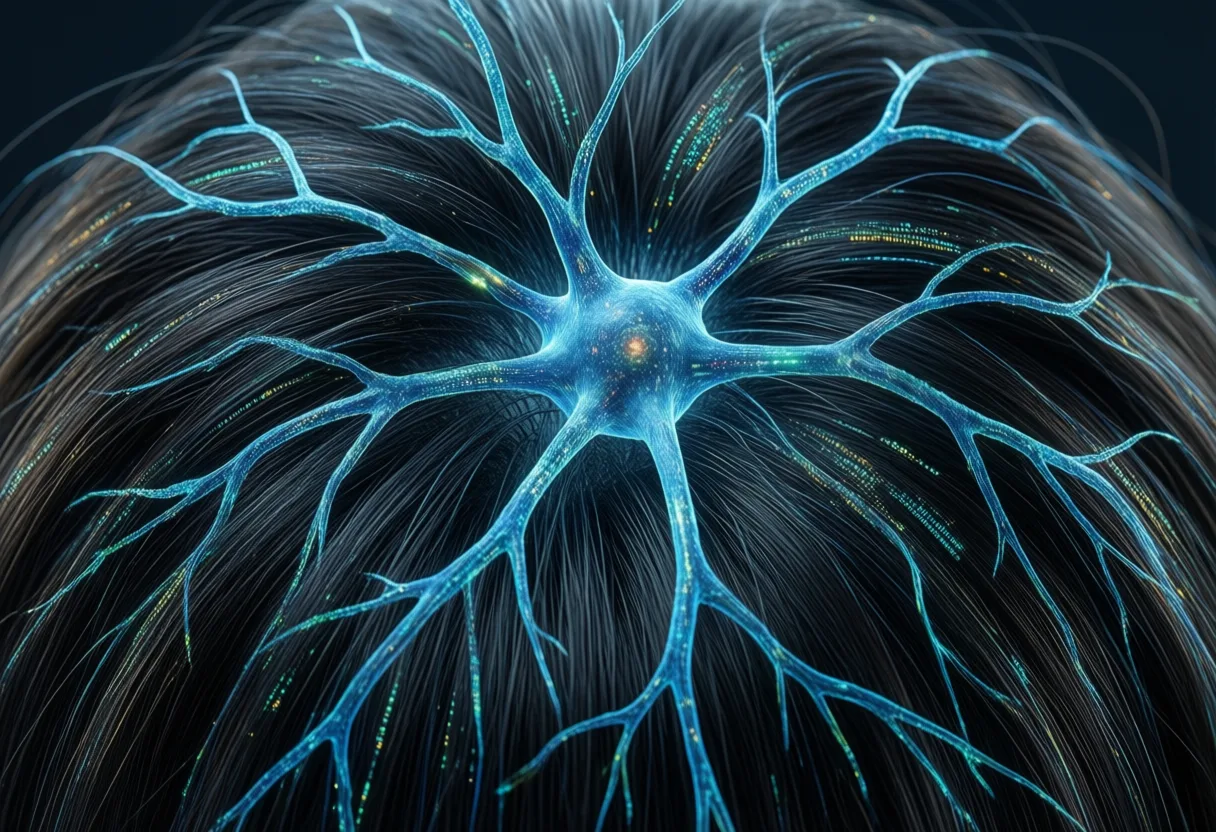
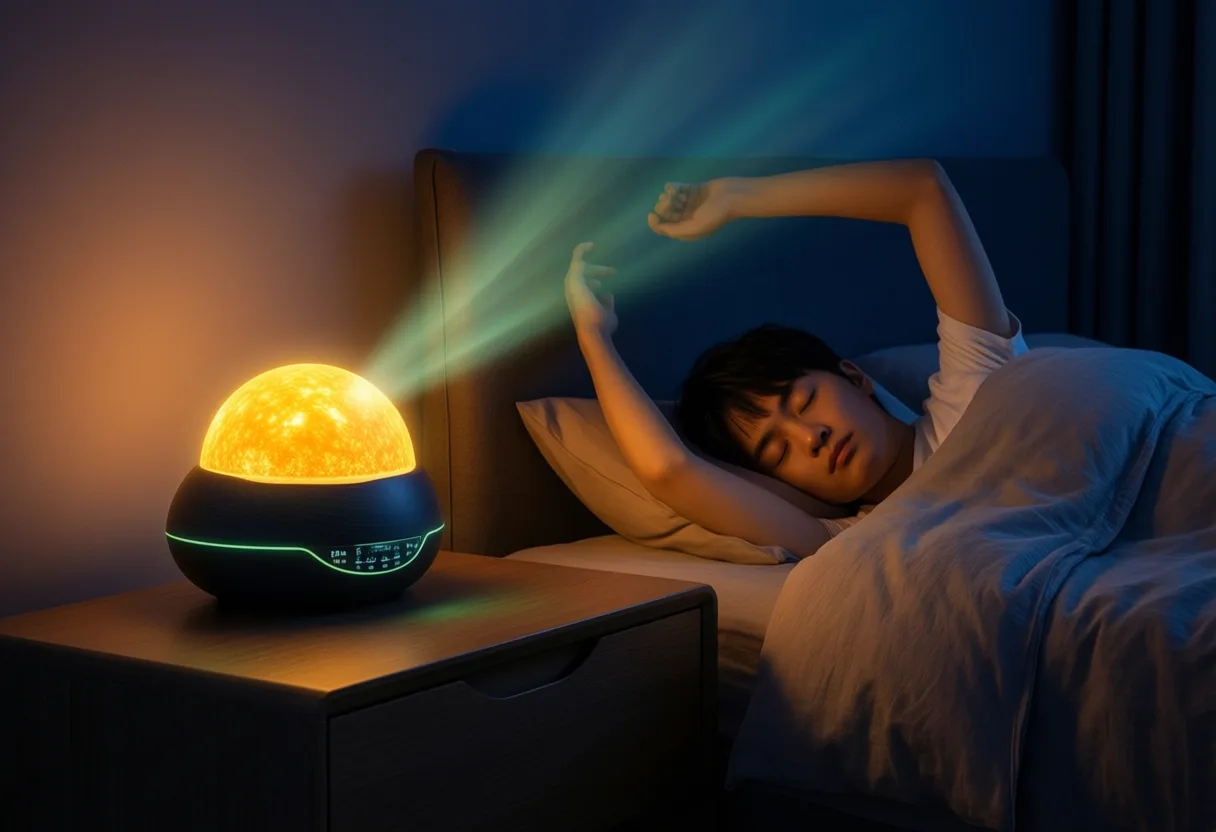
For centuries, humanity has wrestled with the tyranny of the alarm-the jarring, metallic shriek that Fractures sleep Like a hammer through glass. It is a ritual so familiar we rarely question its violence: the body yanked from rest, the mind gasping for coherence, cortisol spiking before the eyes even open. But what if waking could be not an assault, but an invitation-one woven from light, biology, and time?
How Light Shapes Your Morning Experience
From the moment the first photons breach the eyelids, the human body begins a quiet cascade of physiological recalibration. Light, particularly in the blue-rich spectrum of morning, acts as a master signal to the suprachiasmatic nucleus-the brain’s internal clock-telling it that night has ended and metabolic activity should rise. This signal suppresses melatonin, the hormone of darkness, and gently coaxes cortisol into a steady climb, preparing the body for alertness without the shock of artificial noise.
The modern bedroom, however, is often a cave of artificiality. Blackout curtains, digital screens, and Irregular sleep Schedules disrupt the natural light-dark rhythm, leaving the circadian system confused and sluggish. Without consistent morning light exposure, the body may delay its wake-up sequence, leading to grogginess, irritability, and a sense of disorientation that lingers for hours. It is not merely tiredness we fight in the morning-it is a biological misalignment.
By reintroducing light as a primary wake-up cue, we Realign With an ancient rhythm. The sun has always risen slowly, and our physiology evolved to expect that gradual transition. A device that mimics this progression doesn’t override biology-it cooperates with it, treating the body not as a machine to be switched on, but as a living system that unfolds in stages.
What Sets Gradual Light Wake-Up Devices Apart
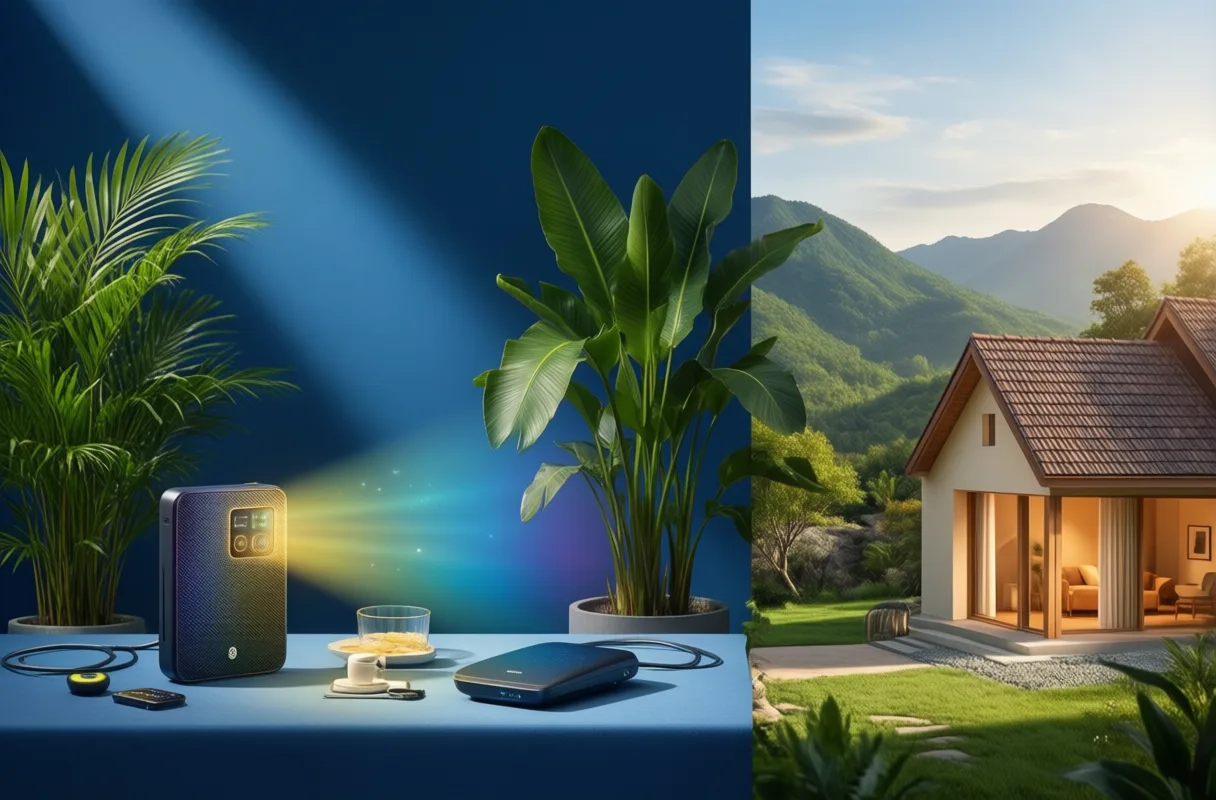
Unlike traditional alarms that rely on sound to interrupt sleep, gradual light wake-up devices operate on the principle of anticipation. They begin emitting a faint glow-often red or amber-up to thirty minutes before the designated wake time, slowly intensifying to simulate the approach of dawn. This incremental increase in luminance mirrors the natural sunrise, allowing the brain to prepare for consciousness before full alertness is required.
The distinction is not merely aesthetic; it is neurological. Sudden auditory stimuli activate the amygdala, triggering a stress response that can elevate Heart rate And blood pressure within seconds. In contrast, light-based awakening engages the retinohypothalamic tract, a neural pathway designed for subtle environmental sensing, resulting in a smoother transition from sleep to wakefulness. Users often report waking Before The alarm tone, not because they are anxious, but because their bodies have already begun the process of waking.
These devices typically offer customizable settings: - Adjustable brightness curves to match personal sensitivity - Color temperature shifts from warm to cool white - Optional sound elements that activate only after light exposure - Timers for evening wind-down simulations
The technology does not promise instant transformation, but rather a recalibration over time. It is not about eliminating effort, but about reducing resistance-about meeting the body where it is, rather than demanding it leap into action.
Can a Lamp Change Your Relationship with Mornings?
To ask whether a lamp can change one’s relationship with mornings is to underestimate the weight of routine. Mornings are not neutral; they are emotional landscapes shaped by years of repetition. For many, the first moments of the day are steeped in dread, a conditioned response to years of abrupt awakenings and rushed transitions. A single device cannot erase that history-but it can rewrite the script.
When light replaces noise as the primary wake-up signal, the psychological tone shifts. There is no startle, no flinch, no immediate sense of being behind. Instead, there is a quiet unfolding-a sensation of being drawn upward by the environment rather than pushed by obligation. This subtle difference accumulates. Over weeks, the mind begins to associate waking with gentleness, not urgency.
And in that shift lies a deeper possibility: the reclamation of agency. To wake without panic is to begin the day with a breath, not a gasp. It is to have a moment-however brief-where choice exists before action is demanded. In a world that glorifies burnout, such moments are not luxuries; they are acts of resistance.

Common Misconceptions About Light-Based Alarms
Many assume that light-based alarms are only useful for those with sleep disorders or seasonal affective tendencies. In truth, anyone whose circadian rhythm is influenced by artificial environments-Which is nearly everyone in modern society-can benefit from a more biologically aligned wake-up process. These devices are not medical equipment; they are tools for optimization, as relevant to the healthy as a standing desk is to posture.
Another myth is that brightness alone determines effectiveness. While intensity matters, the Rate of change Is equally critical. A lamp that jumps from darkness to full brightness in seconds is no different from a blaring alarm-it still shocks the system. The power lies in the gradient, in the patience of the transition.
Some also believe that any bright light will do-turning on a ceiling fixture should suffice. But timing is everything. Waking to an already-lit room skips the preparatory phase; the body misses the predictive signal that makes dawn simulation effective. It is not the light itself, but the Approach Of light, that primes the brain for awakening.
Practical Considerations Before You Buy
Not all light-based wake-up systems are created equal. The most effective models allow for fine-tuning of duration, intensity, and color progression, recognizing that individual sensitivity varies widely. Some may prefer a 20-minute ramp-up, others 40; some respond better to warm tones, others to cooler hues. Customizability is key-a one-size-fits-all approach undermines the very principle of biological individuality.
Placement also matters. The device should be positioned within the field of vision when lying down, but not so close as to cause discomfort. Indirect illumination-bouncing light off a wall or ceiling-can create a more natural diffusion, mimicking the way sunlight fills a room from outside. Avoid units that emit harsh, pinpoint beams; the goal is ambient glow, not spotlight.
Consider also the integration with existing routines. Many models include sunset simulation features for evening wind-down, helping to reinforce the full circadian cycle. Others sync with smart home systems, adjusting based on seasonal daylight changes. While not essential, these features can deepen the long-term impact.
Beyond the Beep: Long-Term Benefits of Gentle Awakening
The immediate benefit-less grogginess upon waking-is often the most noticeable. But the deeper rewards emerge over time. Consistent use of gradual light awakening can stabilize circadian timing, leading to improved sleep onset at night and more consistent energy throughout the day. This is not merely about feeling better in the morning; it is about Optimizing the entire 24-hour rhythm.
Emerging research suggests that smooth transitions in and out of sleep may support metabolic health, mood regulation, and cognitive resilience. While no single device can guarantee these outcomes, aligning daily routines with biological principles reduces chronic stress on the nervous system-a foundational element of long-term well-being.
Over months, users often report subtle but meaningful shifts: greater patience in the morning, improved focus in the early hours, even a renewed appreciation for stillness. These are not side effects-they are signs of a system no longer in constant defense.
Waking Up Without Resistance: A New Normal?
Imagine a world where waking is not an act of will, but a natural emergence. Where the body rises not because it must, but because it knows it is time. This is not fantasy-it is physiology honored. The Dawn Simulator Alarm Clock, for all its simplicity, represents a quiet rebellion against the culture of immediacy.
We have long treated sleep as downtime, something to be minimized, hacked, or endured. But sleep is not the absence of life-it is a vital phase of it. And how we enter and exit that phase shapes the quality of everything in between.
To wake without resistance is not to avoid effort, but to begin from a place of coherence. It is to meet the day not as an adversary, but as a participant. In that shift, small as it may seem, lies the seed of a deeper transformation-one light, one morning, at a time.
Rise and Shine, the Smart Way
How Your Brain Wakes Up (And Why Light Helps)
Ever hit snooze and feel like a zombie? Blame your brain’s internal chemistry. When it's dark, your body produces melatonin, the "sleep hormone," telling you it’s time to rest. As morning approaches, natural sunlight slowly brightens the sky, signaling your brain to dial down melatonin and ramp up cortisol, the hormone that helps you feel alert. A dawn simulator mimics this gradual sunrise, tricking your body into thinking the sun is rising-even if it’s still pitch black outside. This gentle shift supports your circadian rhythm, making waking up feel less like an emergency and more like a natural transition.
More Than Just a Gimmick-It’s
Studies show that waking to simulated dawn can improve alertness and mood right after getting up. Some people even report feeling less groggy and more energized throughout the morning. It’s especially helpful during winter months when real sunlight is scarce, or for shift workers whose schedules clash with the sun’s schedule. While not a magic fix for chronic sleep issues, many users find it easier to get out of bed when the light eases them awake instead of a blaring alarm cutting through deep sleep.
Fun Fact: Nature’s Original Alarm Clock
Before alarm apps and electric lights, humans relied entirely on the sun to regulate their days. Our bodies are still wired to respond to light as the primary cue for wakefulness. That’s why even today, opening the curtains or stepping outside in the morning can instantly boost your energy. Dawn simulators tap into this ancient biological rhythm, acting like a personal sunrise in your bedroom. Some models even include bird sounds or soft nature audio to complete the experience-because who wouldn’t want to wake up to chirping birds, even if they’re digital? Explore more stories, videos, and creators on Loaded.
Frequently Asked Questions
How does a Dawn Simulator Alarm Clock work?
It mimics a natural sunrise by gradually increasing light intensity in the bedroom, signaling the brain to reduce melatonin and increase cortisol, easing the body awake.
What are the benefits of using a gradual light wake-up device?
It reduces grogginess, supports circadian rhythm, improves morning alertness, and creates a gentler transition from sleep to wakefulness without stress triggers.
Is a dawn simulator only useful for people with sleep disorders?
No, anyone influenced by artificial lighting and irregular sleep schedules can benefit from a more biologically aligned wake-up process.
Does brightness alone determine how effective a light-based alarm is?
No, the rate of change is as important as intensity. A sudden jump to bright light shocks the system like a loud alarm.
This article was produced with AI assistance. How Neuron Magazine uses AI.
Zahra explores the frontiers of human enhancement, from neural implants to gene editing, with a focus on ethical implications and lived experience. She blends scientific rigor with intimate storytelling to illuminate how technology reshapes identity and lifespan.