You’re slicing through glassy water at dawn. The horizon bleeds orange. Your kayak glides forward-not because of luck, but because every stroke is efficient, precise, Powerful. What’s in your hands? That’s the difference between a good trip and a great one.
In 2024, Paddles Aren’t just sticks with blades. They’re engineered extensions of human motion. Lighter materials. Smarter shapes. Better ergonomics. And if you're serious about performance, every ounce and angle matters.
This isn’t about marketing fluff. It’s about physics, endurance, and the quiet confidence that comes from Gear That keeps up with you-no excuses.
Why Paddle Design Matters More Than Ever
Ever wonder why Elite kayakers Don’t just grab any paddle off the rack? Because Efficiency compounds with every stroke. Over miles, a poorly designed paddle can drain energy, strain joints, and slow progress.
Modern paddles leverage advanced composites-carbon fiber, fiberglass, hybrid blends-that cut weight without sacrificing strength. Less weight means less fatigue. Less fatigue means longer trips, faster times, sharper focus.
Blade shape isn’t an afterthought. It’s hydrodynamics in action. Dihedral edges channel water smoothly, reducing turbulence. Asymmetric designs match the natural arc of the stroke. Even the spooned tip has a purpose: bite, not slip.
- Lighter shafts reduce rotational inertia-critical during rapid strokes
- Adjustable feather angles let you fine-tune for wind and comfort
- Shaft diameter impacts grip fatigue, especially on multi-hour excursions
You wouldn’t run a marathon in work boots. So why paddle rugged coastlines with outdated gear?

Materials: Where Science Meets the Water
Carbon fiber dominates high-end paddles for one reason: strength-to-weight ratio. It’s not magic-it’s molecular architecture. Tightly woven fibers resist torsion, transfer power directly, and shed grams like a race car shedding ballast.
But carbon isn’t always the answer. Fiberglass offers a balanced compromise-durable, moderately light, and easier on the budget. For beginners or casual paddlers, it’s a smart starting point.
Hybrid builds are rising. Some brands layer carbon on high-stress zones while using fiberglass elsewhere. The result? Nearly premium performance at mid-tier cost.
Weight distribution is silent but deadly. A paddle that feels front-heavy disrupts rhythm. Balanced designs keep the sweet spot aligned with your stroke path-no overcompensation, no wasted motion.
And let’s talk durability. Saltwater. Rocks. UV exposure. Your paddle takes punishment. Materials must resist delamination, corrosion, and creep-the slow deformation under repeated stress.
Shaft Geometry: The Hidden Lever
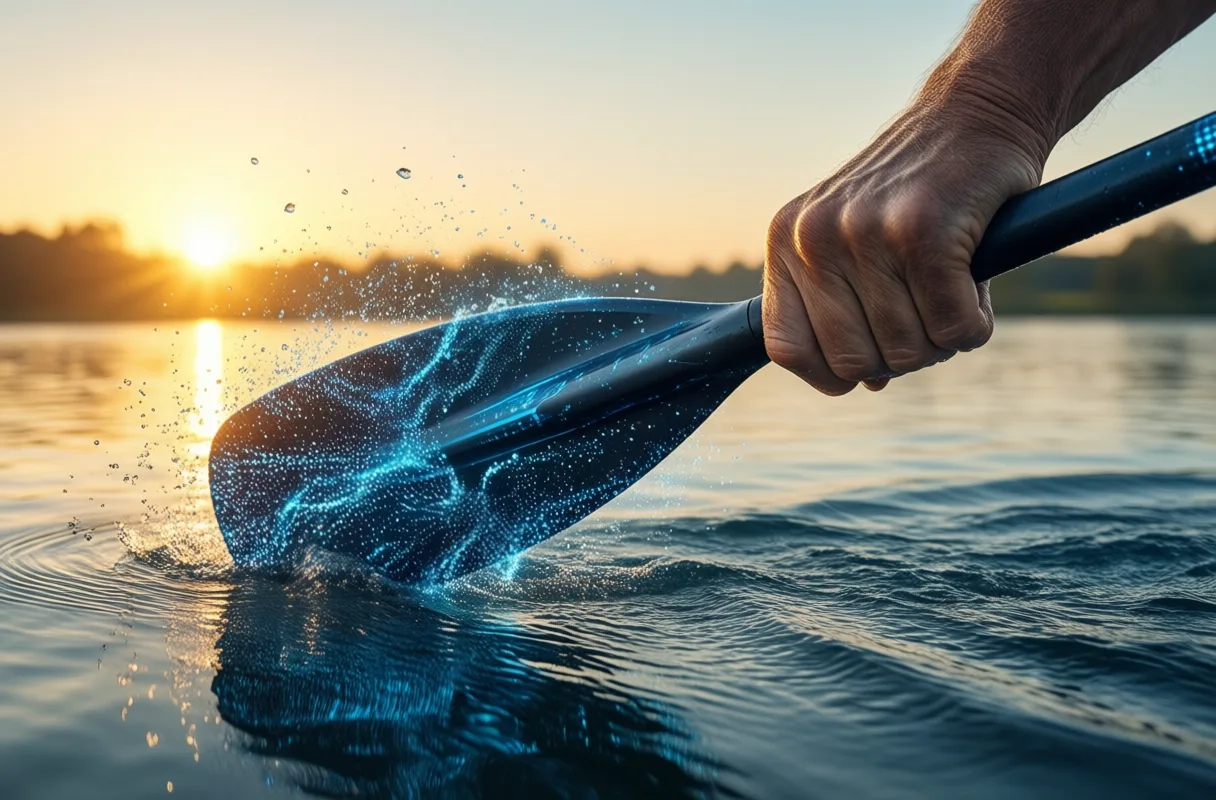
The shaft isn’t just a handle. It’s a pivot point, a torque transmitter, a fatigue filter. Diameter, shape, and adjustability define how long you can go before your forearms scream.
Smaller diameters help paddlers with smaller hands maintain grip without strain. Larger diameters offer more control in rough conditions-but can fatigue smaller users faster.
Neutral bent shafts are no longer niche. They align wrists in a natural position, reducing pressure on tendons. Think of it as ergonomic design meeting biomechanics. Less strain. More endurance.
Adjustable shafts offer versatility. One paddle for multiple users. One setup for flatwater, another for whitewater. But they add weight and potential failure points. Simplicity has value.
- Fixed shafts: lighter, stiffer, more reliable
- Adjustable: flexible, heavier, slightly less efficient
- Straight vs. Bent: comfort vs. Tradition
Ask yourself: are you optimizing for adaptability or performance? The answer shapes your choice.
Blade Shape and Size: Power vs. Precision
Big blades move more water. That sounds good-until your shoulders burn after an hour. High-angle paddlers often prefer larger surface areas for explosive strokes. Low-angle tourers? They favor long, narrow blades for smooth, sustainable rhythm.
The sweet spot isn’t universal. It depends on your stroke style, body size, and kayak type. A sea kayak demands different dynamics than a whitewater playboat.
Twist is real. Some blades flex under load. Too much, and you lose power. Too little, and shocks travel up the shaft. Engineered flex-micro-yield in the blade-can absorb impact while maintaining thrust.
Dihedral blades-those with a spine down the center-promote clean water flow on both sides. Less flutter. Less correction. More forward motion per stroke.
And edge sharpness? It’s not about cutting. It’s about entry and exit. Crisp edges bite cleanly into the water. Rounded ones can slip, especially in chop.
Choosing Your Match: It’s Personal
No single paddle wins for everyone. The best choice fits Your Body, Your Goals, and Your Environment.
Touring 20 miles on a lake? Prioritize light weight, low-angle efficiency, and durability. Battling rapids? You’ll want stiffness, control, and a blade that bites in turbulent water.
Try before you buy. Feel the balance. Simulate a stroke. Notice how the grip sits in your palm. Does it twist? Pinch? Slip?
Even small details matter. Drip guards keep water off your hands. Colored blades improve visibility. Shaft markings help maintain consistent feather angles.
This isn’t just gear. It’s your interface with nature. The paddle is the engine. You’re the pilot. Make sure they speak the same language.
Picking the Perfect Kayak Paddle
A Stick with Serious History
Believe it or not, the basic design of the kayak paddle dates back thousands of years to the indigenous peoples of the Arctic, like the Inuit and Aleut. These early paddles were often crafted from available materials like wood and bone, shaped for efficient strokes across cold, open waters. While modern materials have changed, the core concept-a double-bladed tool for propelling a small boat-has stood the test of time.
Materials Make a Difference
Back in the day, all paddles were heavy wood. Today, you’ll find blades made from fiberglass, carbon fiber, and even durable plastic. Carbon fiber is super light, which means less fatigue on long trips, but it usually costs more. Fiberglass offers a solid middle ground-lightweight and strong without breaking the bank. The shaft matters too; aluminum is tough and cheap, but heavier, while carbon or fiberglass shafts save weight and feel smoother in your hands.
One Size Doesn’t Fit All
Paddle length isn’t random-it depends on your kayak’s width and your own height. A wider boat needs a longer paddle to keep your strokes efficient. Most paddles come in adjustable models or multiple fixed sizes so you can find the right fit. And don’t forget feathering! Some paddles let you angle the blades to reduce wind resistance-great for windy days on the water. Explore more stories, videos, and creators on Loaded.
Frequently Asked Questions
Why is paddle design important for kayaking?
Efficient paddle design reduces fatigue, enhances stroke precision, and improves endurance over long distances by optimizing weight, blade shape, and shaft geometry.
What are the benefits of carbon fiber in kayak paddles?
Carbon fiber offers a high strength-to-weight ratio, resists torsion, transfers power efficiently, and reduces overall paddle weight for less fatigue.
How does blade shape affect paddling performance?
Dihedral blades channel water smoothly to reduce turbulence, while asymmetric designs match the natural stroke arc and crisp edges ensure clean water entry and exit.
What should I consider when choosing a paddle shaft?
Shaft diameter affects grip comfort, bent shafts reduce wrist strain, and adjustable shafts offer versatility but add weight and potential failure points compared to fixed shafts.
This article was produced with AI assistance. How Neuron Magazine uses AI.
Malik dissects how artificial intelligence transforms decision-making in governments and corporations, tracking algorithmic power shifts and policy gaps. He writes with clarity and urgency, making high-stakes tech strategy accessible without oversimplifying its risks.