
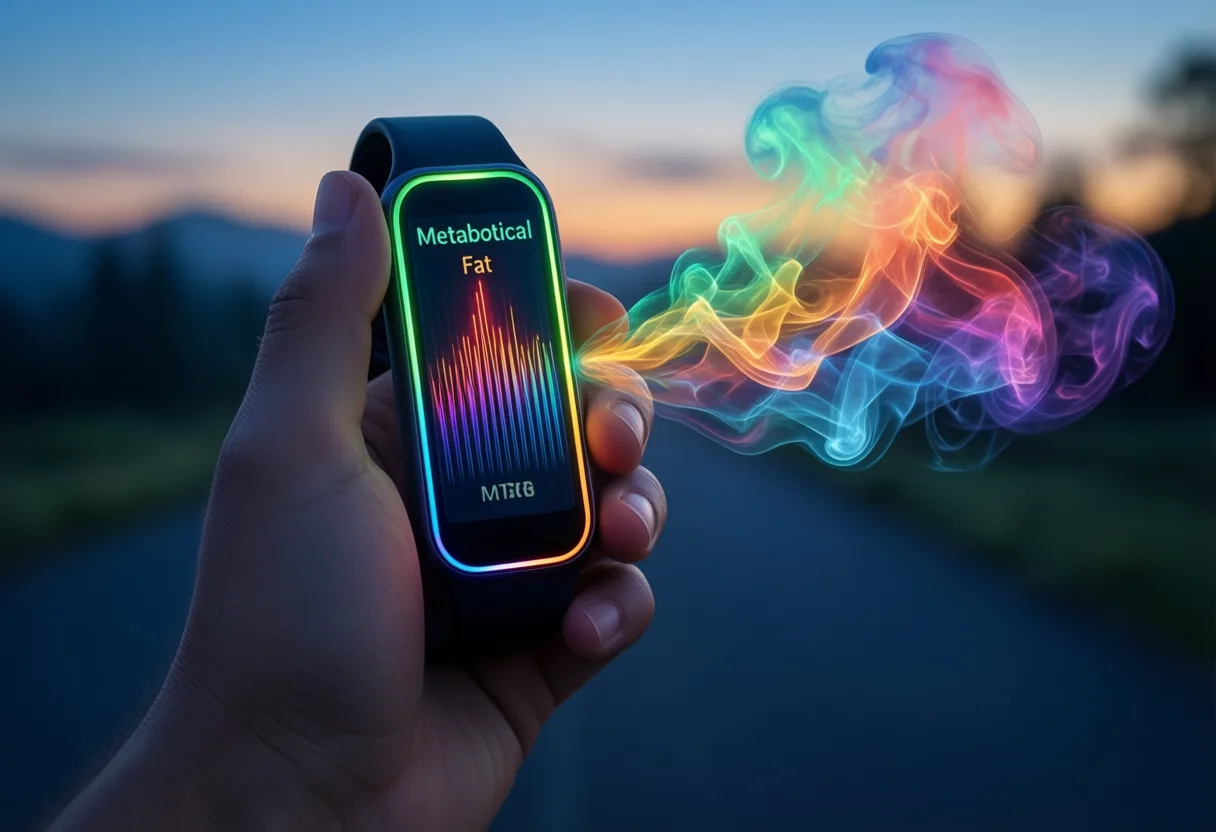
You wake up, check your phone, and before you even brush your teeth, you’re already tracking something: steps, sleep, Heart rate. But what if you could also know-right then-whether your body is burning carbs or fat for fuel? That’s the promise of metabolic tracking, and a growing number of people aren’t just curious-they’re committed.
They’re using handheld devices that analyze breath to deliver real-time feedback about their metabolism. And in forums, fitness groups, and quiet morning routines, the stories are similar: “I finally understand my energy crashes.” “I stopped guessing what to eat.” “It’s Like Having a dashboard for my body.”
How Does Metabolic Tracking Fit Into Modern Health Routines?
We’ve moved beyond step counters and sleep scores. Today’s health tools don’t just count-they interpret. Metabolic tracking fits snugly into this evolution, shifting from passive monitoring to active guidance. It’s not about how many calories you burned, but How You burned them.
For years, elite athletes had access to lab-based metabolic carts that measured oxygen and carbon dioxide to determine fuel use. Now, portable devices bring a version of that insight into homes, gyms, and even hotel rooms. The difference? No wires, no masks, just a quick breath into a palm-sized gadget.
People are using these tools to align their Eating With their body’s current state. If the device shows carb-burning mode, they might choose a lighter lunch. If it reads fat-burning, they may delay eating altogether. It’s not rigid. It’s responsive.
- One user adjusts her coffee order based on her morning reading-adding butter only when her body is primed for fat fuel.
- A weekend cyclist times his carb-loading based on real-time shifts, not race-day assumptions.
- A remote worker uses the data to reset after a late-night snack derails his metabolic rhythm.
This isn’t about perfection. It’s about awareness. And in a world where health advice often feels contradictory, having a personal reference point changes the game.
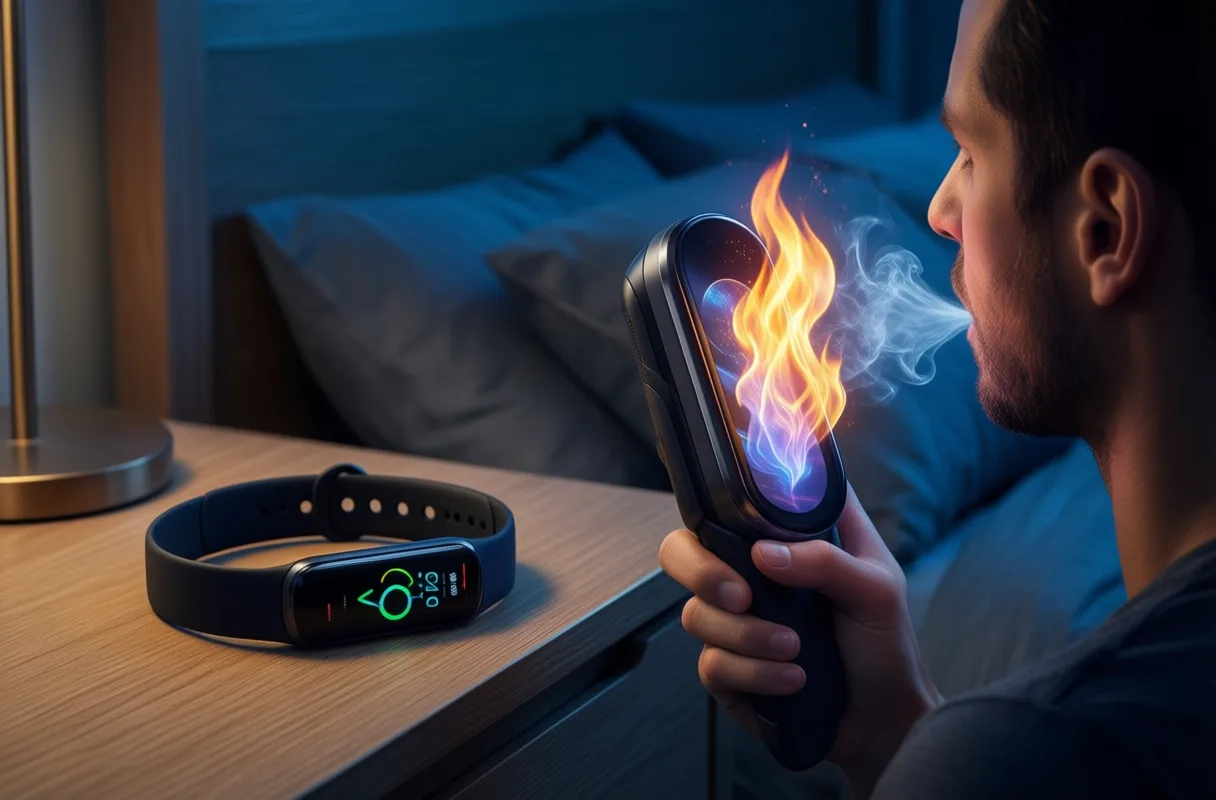
The Science Behind Real-Time Metabolic Feedback
At its core, metabolic tracking relies on a well-established principle: the ratio of oxygen you inhale to carbon dioxide you exhale reflects your primary fuel source. When you burn carbs, you produce more CO₂ relative to O₂. When you burn fat, the ratio shifts.
This measurement, called respiratory quotient (RQ), has been used in physiology labs for decades. What’s new is the miniaturization of the technology-sensors and algorithms now packed into consumer devices that estimate RQ from a single breath.
The process is simple: you breathe into the device after a period of rest, and within seconds, it delivers a score or category-like “fat-burning” or “carb-burning.” Over time, trends emerge. You see how sleep, stress, meals, and movement shift your metabolism.
This isn’t a lab-grade metabolic cart. It’s a proxy-a smart estimate based on breath analysis. But for daily use, that’s often enough. The value isn’t in absolute precision, but in relative changes. Did your metabolism shift after three days of low carbs? After a hard workout? After poor sleep?
Studies on indirect calorimetry support the validity of breath-based metabolic assessment. While consumer devices haven’t all undergone peer-reviewed clinical trials, the underlying science is sound. What matters now is how well the device translates that science into consistent, usable feedback.
And consistency, users report, is where these tools begin to earn trust.
What Users Are Saying About Their Experience
“I stopped fighting my hunger,” says a software engineer in Denver. “I used to skip breakfast to stay in ketosis, but my readings kept showing I wasn’t actually burning fat. Turns out, I was just stressed and inefficient.”
That story echoes across user communities. People aren’t just collecting data-they’re rewriting assumptions. The low-carb dieter who wasn’t in fat-burning mode. The intermittent faster who discovered her metabolism switched back to carbs by noon, even in a fasted state.
Many describe a shift from rigid diet rules to flexible, informed choices. One teacher in Portland uses her morning reading to decide between oatmeal or eggs. “It’s not about good or bad foods,” she says. “It’s about what my body needs Today.”
- Users report fewer energy crashes.
- Some notice improved workout recovery.
- Others find it easier to maintain weight without constant calorie counting.
The emotional tone in Lumen Reviews and similar feedback often carries surprise. Not because the device “fixed” anything, but because it revealed patterns they’d missed for years. One man said he finally understood why his afternoon meetings were a slog: his lunch-though healthy-was pushing him into carb dependency, and his energy paid the price.
It’s not magic. It’s measurement.

Common Misconceptions About Device Accuracy
One of the biggest misunderstandings? That these devices measure metabolism like a scale measures weight-exact, unchanging, and absolute. They don’t. They estimate metabolic state based on breath, and like any estimate, they come with variability.
People expect perfection. They take a reading, then take another five minutes later and see a different result. Panic sets in: Is it broken? Is it lying?
But metabolism isn’t static. It shifts by the hour. A deep breath, a sip of water, a moment of stress-these can all influence the reading. The device isn’t malfunctioning. It’s reflecting real biological nuance.
Another myth: that a “fat-burning” score is always better. That’s like saying sunny weather is always better than rain. Context matters. Athletes need carbs when training hard. Recovery often requires glucose. Fat-burning isn’t a trophy-it’s one state among many.
And no, the device doesn’t tell you how many calories you burned. It doesn’t diagnose medical conditions. It doesn’t replace blood tests. What it does is offer a window-small, but clear-into your body’s moment-to-moment fuel use.
Understanding its limits, users say, is the first step to trusting it.
Why Context Matters in Interpreting Results
A single reading is like a still photo: frozen, incomplete. But a series of readings-taken under consistent conditions-tells a story. That’s why long-term users emphasize routine: same time, same prep, same breathing technique.
One woman learned that her metabolism stayed in carb-burning mode all morning-until she added five minutes of light movement before her reading. Then, it shifted. Was the device wrong before? No. It was capturing her sedentary state.
Another user discovered that his “off” readings after dinner weren’t due to the meal-but to the wine he added on weekends. The data didn’t judge. It simply showed the pattern.
Context turns noise into signal. Without it, a reading is just a number. With it, it becomes insight.
- Sleep quality changes metabolic flexibility.
- Stress can lock you into carb-burning, even at rest.
- Travel, dehydration, and illness all leave traces in the data.
The most effective users don’t chase scores. They ask questions: What changed? What happened yesterday? What’s different today? They treat the device not as an oracle, but as a collaborator.
And slowly, they begin to think like physiologists-without realizing it.
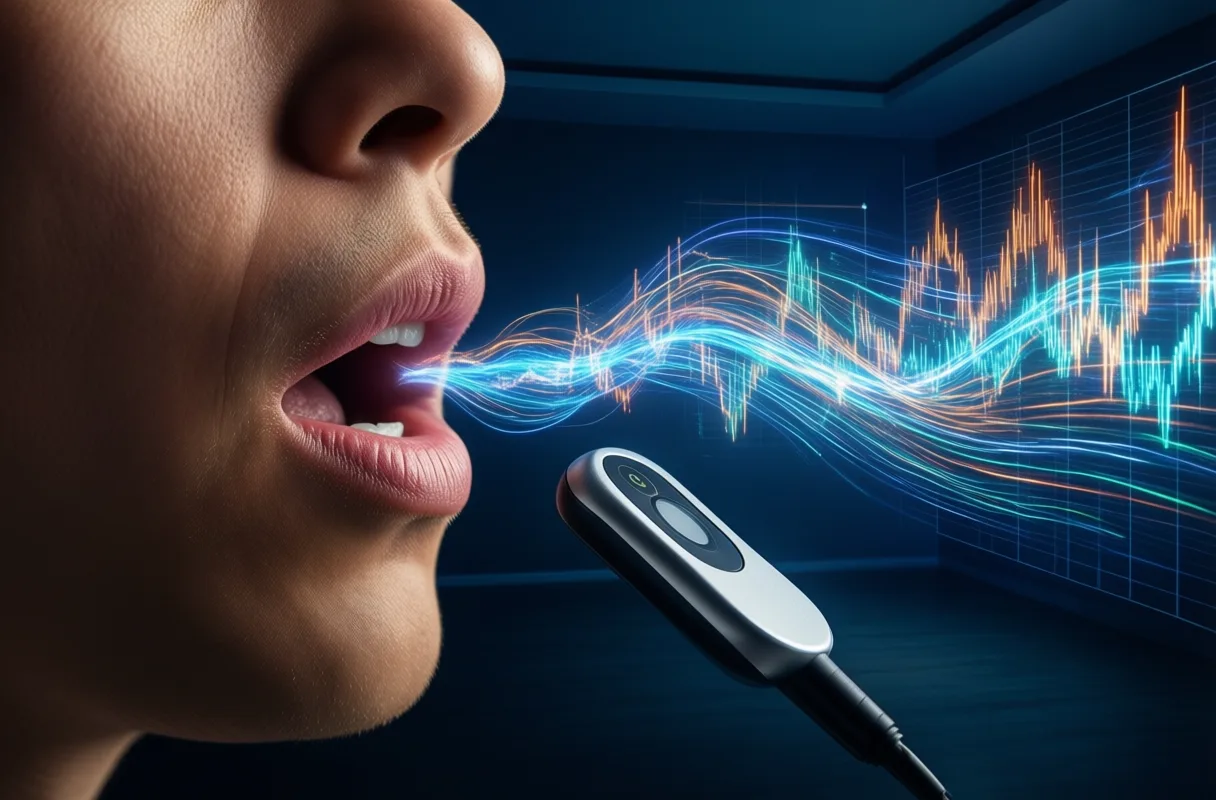
Practical Takeaways for First-Time Users
Start simple. Take your reading at the same time each day, ideally first thing in the morning, after sitting quietly for five minutes. Avoid eating, drinking, or moving vigorously for at least 15 minutes beforehand.
Don’t react to one result. Look for trends over a week. Did your metabolism shift after a night of poor sleep? After a high-intensity workout? After cutting back on sugar?
Keep a light log-mental or written-of what you ate, how you slept, and how you felt. Patterns will emerge. You don’t need a spreadsheet. You need attention.
- Be patient. Your body adapts slowly.
- Be consistent. Routine matters more than perfection.
- Be curious. Ask “why” more than “what.”
And don’t ignore how you feel. If the device says you’re in fat-burning mode but you’re exhausted, listen to your body first. Data informs. It doesn’t override.
The goal isn’t to live by the device. It’s to learn from it-then use that knowledge to live better.
Beyond the Hype: What Long-Term Users Actually Gain
After the novelty fades, something subtle happens. The daily breath test becomes as routine as brushing teeth. The scores stop being goals and start being signals.
Long-term users don’t talk about dramatic transformations. They talk about Fewer mistakes. Fewer energy crashes. Fewer days wondering why they feel off.
They’ve learned their body’s rhythm. They know when to eat, when to wait, when to push, and when to rest-not because an app told them, but because they’ve seen the patterns repeat, day after day.
One user put it this way: “I used to feel like my body was a mystery. Now it’s just a system. A little noisy, sometimes unpredictable-but understandable.”
That’s the real gain. Not weight loss. Not peak performance. Understanding. The quiet confidence that comes from knowing your own physiology, not from a trend, but from evidence.
And in a world of health noise, that’s a signal worth listening to.
What Users Are Saying About Tracking Metabolism
The Science Behind the Hype
Turns out, your breath holds more clues than just coffee after breakfast. The Lumen device measures how much carbon dioxide you breathe out, which gives a snapshot of whether your body is burning carbs or fat for fuel. That’s not sci-fi-it’s based on established physiology. Some users report being surprised to learn their bodies weren’t in fat-burning mode even while on low-carb diets, which helped them tweak meals and timing based on actual data.
A Surprising Role in Daily Routines
A few reviewers mentioned using Lumen not just for weight management, but to time their workouts and meals more effectively. One noted they shifted their evening walk based on a post-dinner reading, realizing their body was still processing sugars. Others found it helped them understand how stress or sleep impacted their metabolic flexibility-like why a rough night sometimes led to sluggish fat-burning the next day. It’s not a scale, but it gives feedback that scales can’t.
The Quirky Side of Consistency
Let’s be real-blowing into a small device every day sounds odd until you do it. Several users joked about keeping Lumen next to their toothbrush so they wouldn’t forget morning and evening readings. One compared it to a daily weather report for their metabolism: sometimes sunny, sometimes stormy. And while it doesn’t replace blood tests or medical advice, the real-time insight helped some dial in habits that eventually led to noticeable changes-without drastic dieting. Explore more stories, videos, and creators on Loaded.
Frequently Asked Questions
How does metabolic tracking work using breath analysis?
Metabolic tracking measures the ratio of oxygen inhaled to carbon dioxide exhaled, known as respiratory quotient. This ratio reflects whether the body is burning carbs or fat for fuel. Devices like Lumen estimate this from a single breath after rest.
What do users say about their experience with metabolic tracking devices?
Users report better understanding of energy crashes, improved meal timing, and fewer metabolic mistakes. Many shifted from rigid diets to flexible choices based on real-time data. Some noticed improved recovery and stable energy levels.
Are metabolic tracking devices accurate?
These devices provide estimates, not lab-grade measurements. Readings can vary due to stress, breathing depth, or hydration. They reflect real biological changes rather than malfunctioning when results differ between tests.
What are practical tips for first-time metabolic tracker users?
Take readings at the same time daily, after resting quietly for five minutes. Avoid food, drink, or intense movement beforehand. Focus on weekly trends, not single results. Pair data with notes on sleep, diet, and how you feel.
This article was produced with AI assistance. How Neuron Magazine uses AI.
Saoirse investigates how automation, remote systems, and AI reshape labor, careers, and human purpose. She centers worker voices and cultural change, blending data with narrative depth to reveal what the future feels like on the ground.