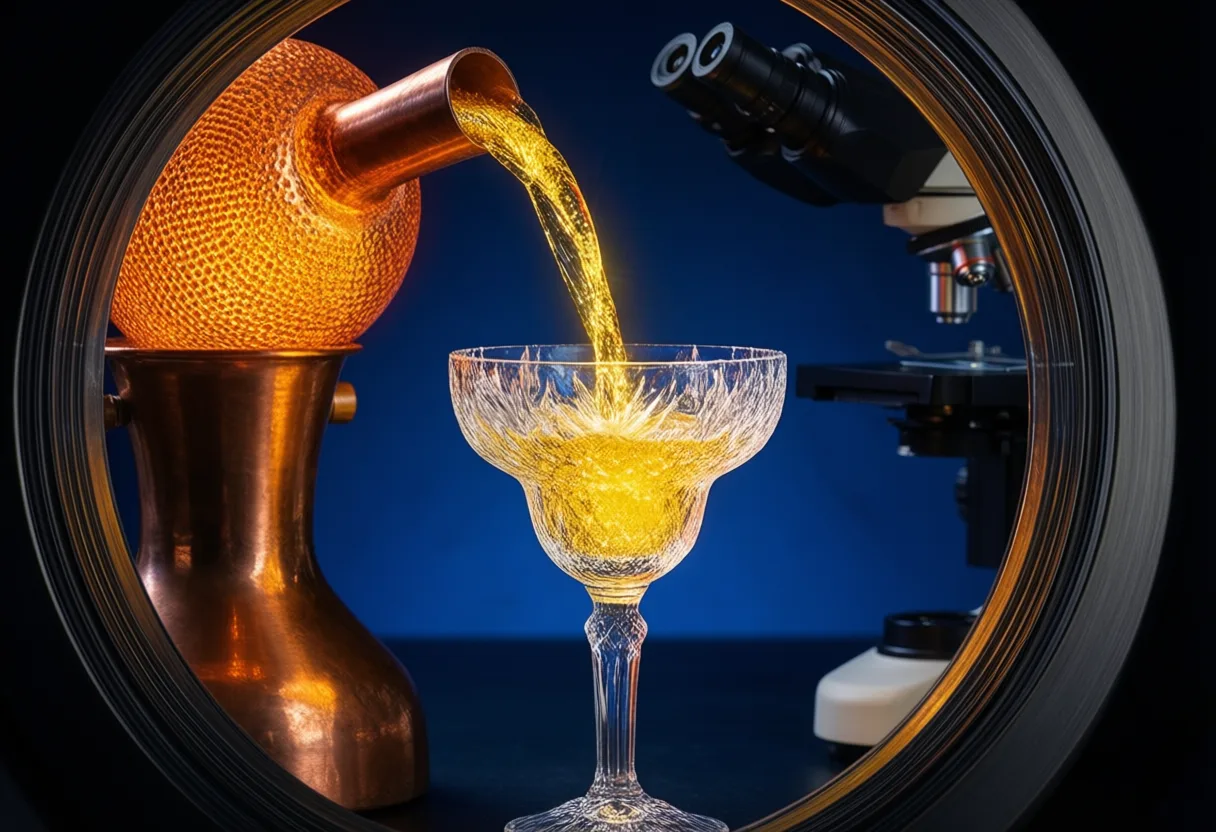
It was 8 a.m. In Marfa, and my host handed me a glass of water with a slice of lime and a look that said, I know what you did last night. I hadn’t even touched the margarita menu yet, but my Body Was already filing a complaint. Later that day, I watched a distiller pour clear liquid from a copper still like it was molten light-clean, precise, almost scientific. That’s when it hit me: the best tequila for margaritas no hangover isn’t magic. It’s method.
What Makes a Tequila Smooth Enough for Next-Morning Regret-Free Sipping?
Not all tequilas treat your nervous system the same way. Some leave you feeling like you’ve been run through a data compression algorithm-squeezed, distorted, barely recognizable by sunrise. Others glide through the evening like a silent update, leaving no trace in the morning. The difference often comes down to purity, process, and patience.
Smoothness Isn’t just about taste-it’s about how the spirit behaves in your body. Impurities like congeners, fusel alcohols, and added sugars can burden your liver and amplify dehydration. When those are minimized, so are the consequences. Think of it like running clean code versus a bloated app with hidden background processes.
Tequilas made with care tend to ferment longer, distill more times, and avoid shortcuts. They’re not trying to win a race to market-they’re optimizing for performance over time. And when you're building a margarita meant to be enjoyed without penalty, that kind of precision matters.
How Distillation Methods Influence Clean Finishes and Fewer Impurities
Distillation is where chemistry becomes craft. The number of times a tequila is distilled affects its clarity, both literal and metaphorical. A double or triple distillation doesn’t just remove unwanted compounds-it refines the experience, stripping away the noise so the agave can speak clearly.
Copper stills, often used in premium production, act like Natural filters. They bind to sulfur compounds and other volatile elements that can dull flavor or trigger discomfort. It’s not alchemy; it’s metallurgy meeting microbiology in real time. The result? A spirit that feels lighter on the palate and easier on the system.
Some producers treat distillation like a closed-loop system-each run calibrated for maximum efficiency and minimum residue. This attention to detail doesn’t show up on the label, but it shows up the next morning. When every molecule counts, cutting corners means paying interest later.

Why 100% Blue Weber Agave Matters for Flavor and Tolerance
If a bottle says “mixto,” it means up to 49% of the fermentable sugars can come from sources other than agave. That might save money, but it introduces variables-like corn syrup or cane sugar-that don’t play nice with human metabolism. Stick to 100% Blue Weber Agave, and you’re starting with a single-source ingredient, like using pure solar input instead of a hybrid grid.
Blue Weber agave, when matured properly, stores complex fructose chains that break down into smoother, more balanced alcohols during fermentation. These are less harsh on mucous membranes and easier for enzymes to process. It’s not just about tradition-it’s about biochemical compatibility.
You can taste the difference, too. There’s a vegetal brightness, a hint of pepper and honey, that only comes from well-harvested agave. No filler, no fluff-just concentrated sunlight converted into something sippable. When your margarita starts here, it’s built on integrity, not compromise.
The Top Shelf Difference: When Purity Meets Mixability
Top-shelf tequila isn’t just marketing theater. It’s a promise of consistency-a commitment to quality at every stage, from field to bottle. That consistency translates into predictability: you know what you’re getting, and more importantly, you know what you won’t be dealing with tomorrow.
These spirits are designed to mix without masking. They don’t need salt and sugar to cover flaws. Instead, they enhance the cocktail, adding depth without overpowering citrus or diluting character. A great margarita should feel like a conversation, not a shout.
And when the base spirit is clean, the whole equation shifts. You can enjoy more moments without accumulating consequences. That’s not indulgence-that’s intelligent design.
Aging’s Role in Softening Edges Without Sacrificing Brightness
Aging isn’t about making tequila darker-it’s about making it smarter. Time in oak tempers sharp notes, rounds out texture, and introduces subtle layers like vanilla or toasted almond. But done right, it doesn’t mute the agave. It lets it evolve.
Reposado and añejo expressions use barrels as tuning forks, resonating with the liquid to refine its tone. Yet over-aging risks burying the soul of the spirit under tannins and wood spice. The sweet spot? A few months to a year-enough to soften, not suffocate.
For margaritas, this balance is key. You want complexity, not competition. The tequila should dance with lime and orange liqueur, not dominate the floor. A lightly rested spirit does exactly that-adds warmth without weight.

Blanco vs. Reposado: Which Style Elevates Your Margarita Without the Crash?
Blanco tequilas are the raw signal-unaged, unfiltered, full of agave fire. They shine in citrus-forward drinks because their crispness cuts through acidity like a laser. If you want vibrancy and immediacy, blanco is your foundation.
Reposado brings a whisper of oak, a slight silkiness that cushions the alcohol bite. It rounds the edges of a margarita, especially one made with fresh juice and minimal sweetener. For those who feel taxed by high-proof brightness, reposado offers relief without retreat.
Neither is inherently better. It depends on your threshold, your taste, and your plans for the following day. But if you're aiming for a drink that lingers pleasantly-not punishingly-either can deliver, provided the craftsmanship is sound.
9 Premium Tequilas That Deliver Smooth Sips and Minimal Aftereffects
Choosing a smooth tequila isn’t about price tags or celebrity endorsements. It’s about intention. The following styles represent approaches that prioritize drinkability, purity, and post-consumption wellness-without sacrificing the soul of the spirit.
They aren’t ranked, because context is everything. Your ideal bottle depends on climate, company, and constitution. But each category below reflects a philosophy of refinement that aligns with a regret-free experience.
Let these guide your next purchase-not as absolutes, but as principles in liquid form.
Crisp and Clean: The Bright Blanquitos That Shine in Citrus-Based Cocktails
These are the sprinters of the tequila world-fast, focused, built for precision. Unaged and often double-distilled, they emphasize clarity over complexity. Their high-agave content and careful fermentation mean fewer irritants, more refreshment.
- Fermented slowly to reduce stress metabolites
- Distilled to remove heavy alcohols while preserving aroma
- Bottled immediately to capture peak freshness
In a margarita, they let lime and orange liqueur sing in harmony. Nothing fights for dominance. Everything belongs.
Lightly Rested Options That Add Depth Without Heaviness
Reposados aged between two and eleven months offer a middle path-wood influence without overwhelm. The oak contributes structure, like rebar in concrete, but doesn’t change the fundamental material.
These tequilas often use ex-bourbon barrels, which impart mild vanilla and baking spice notes. Not enough to distract, just enough to deepen. And because the aging is brief, oxidation stays low-meaning fewer compounds that tax the liver.
They’re ideal for sipping neat between sips of cocktail, or for when you want a margarita with a little more body-but none of the baggage.
High-Altitude Harvests and Their Impact on Smoothness
Agave grown at elevation faces tougher conditions-cooler nights, thinner air, more sun. The plant responds by storing denser sugars and developing more resilient fibers. When harvested and roasted slowly, this agave yields a juice that ferments into a notably refined spirit.
The resulting tequila often has a mineral quality, like drinking from a spring fed by volcanic rock. There’s a crispness, a slight salinity, that balances sweetness naturally. Less need for added sugar. Less strain on the system.
Elevation alone doesn’t guarantee smoothness, but when paired with traditional methods, it creates an advantage-one that shows up in both flavor and tolerance.
Low-Proof Expressions That Maintain Flavor Without Overloading the System
Not all strong things need to be loud. Some producers have begun releasing tequilas at lower proofs-say, 70 or 75 instead of 80 or higher. This modest reduction significantly lowers ethanol concentration, reducing irritation to the throat, stomach, and brain.
Yet flavor remains intact thanks to concentrated distillation and thoughtful blending. It’s like streaming high-def video over a stable connection-rich detail, minimal buffering. The experience flows.
For those sensitive to alcohol’s effects, this small adjustment makes a meaningful difference. You get the ritual, the flavor, the social spark-without the system crash.
Sustainable Practices That Correlate with Refined, Balanced Spirits
Sustainability isn’t just about the planet-it’s about longevity of process. Farms that rotate crops, conserve water, and avoid chemical fertilizers tend to grow healthier agave. Healthier agave means cleaner fermentation, fewer off-notes, and fewer reasons for the body to revolt.
Many of these operations also reuse bagasse (the fibrous leftover from crushing) as compost or biofuel. Nothing is wasted. Everything cycles. That kind of closed-loop thinking often extends to the distillery, where energy use and water recovery are optimized.
When a brand treats the entire chain as a system, the output reflects that coherence. The tequila tastes integrated. And your body registers it as such.
Beyond the Label: What “Smooth” Really Means for Your Body
“Smooth” shouldn’t be a mood board word. It should be a physiological descriptor. A smooth tequila doesn’t burn on the way down. It doesn’t coat your tongue with residue. It doesn’t leave your head throbbing at dawn.
Behind that sensation is science: lower congener count, balanced pH, absence of artificial additives. These factors determine how your central nervous system responds-not just during consumption, but in recovery.
Your liver processes ethanol into acetaldehyde, then into acetate. The faster it clears acetaldehyde-the toxic intermediate-the better you’ll feel. Cleaner spirits help that process move efficiently. Dirty ones clog the pipeline.
So when we talk about smoothness, we’re really talking about metabolic kindness. And that’s worth measuring.

Homogenization and Additive-Free Formulations: Why They Reduce Toxic Load
Some tequilas are adjusted after distillation-color added, texture tweaked, sweetness boosted. These modifications might improve shelf appeal, but they introduce variables your body didn’t evolve to handle. Caramel coloring, glycerin, oak extract-none are required, and all increase processing load.
Truly additive-free tequilas list nothing beyond agave and water. No corrections. No enhancements. What you taste is what was made, not what was manufactured.
Homogenization-when used-can stabilize flavor across batches, but only if done gently. Flash pasteurization or excessive filtering may extend shelf life, but they can also strip aromatic compounds or create new irritants.
Stick to brands transparent about their inputs. Simplicity protects you.
Pouring It Right: Techniques to Maximize Clarity and Minimize Congeners
How you serve your tequila matters as much as what you pour. Temperature, tools, and timing all influence the final experience. A cold glass doesn’t just feel good-it slows alcohol absorption slightly, giving your liver more time to keep up.
Always use fresh lime juice. Bottled mixes contain preservatives and excess sugar, both of which amplify dehydration and inflammation. Freshness isn’t a luxury-it’s damage control.
And consider your ice. Large, dense cubes melt slower, preventing rapid dilution that can throw off balance. Use filtered water to make them-impurities in tap water can react with alcohol, creating off-flavors and extra work for your kidneys.
This isn’t fussy. It’s functional. Every step is a node in the network of wellness.
Chilled Tools, Fresh Juice, and the Ritual That Protects Your Morning
There’s a rhythm to a well-made margarita. Chill the coupe. Wipe the rim. Squeeze the lime by hand. Measure the pour. Salt only if needed. Each motion builds intention.
That ritual does more than impress guests. It slows you down. It makes you present. And when you’re mindful of what you’re consuming, you’re less likely to overconsume.
Plus, cold metal jiggers and frosted shakers don’t just look cool-they keep ingredients stable. Heat degrades citrus. It volatilizes aromatics. It speeds intoxication.
Respect the process, and the process will respect you back.
The Last Sip: Building a Better Margarita Experience, One Thoughtful Bottle at a Time
We don’t drink to suffer. We drink to connect, to celebrate, to unwind. But too often, pleasure comes with a deferred cost. The future of drinking isn’t abstinence-it’s awareness.
Every choice-from soil to still to serving-shapes what happens next. The best tequila for margaritas no hangover isn’t a myth. It’s a series of smart decisions stacked end to end.
Choose clean. Choose whole. Choose slow. And when you raise your glass, know you’ve built something worth savoring-today and tomorrow.
Smooth Sips and Smart Choices
Why Purity Matters in Every Pour
Tequila made from 100% blue Weber agave tends to cause fewer hangovers because it contains no added sugars or alcohols from other sources. Cheaper mixtos-tequilas blended with up to 49% other sugars-often include additives that can contribute to next-day discomfort. Sticking to bottles labeled “100% agave” isn’t just about taste; it’s a smarter move for your body. The distillation process also plays a role-high-quality tequilas are usually double or triple distilled, removing more impurities that can lead to headaches.
Aging Gracefully, Not Heavily
Blanco tequilas, aged less than two months, are often the top pick for margaritas because their crisp, clean flavor shines through citrus and sweetness. But don’t overlook reposado-aged between two months and a year in oak barrels. It adds a subtle warmth and complexity without overpowering the drink. Some top-shelf reposados even pick up light vanilla or caramel notes, making the margarita smoother without extra sugar. Since longer aging means more contact with wood, extra añejo tequilas can be too rich for a classic margarita and may add unnecessary tannins.
The Altitude Factor You’ve Never Heard Of
The highlands of Jalisco, where many premium agave plants are grown, produce sweeter, fruitier tequilas compared to the earthier, more herbal profiles from lowland regions. That natural sweetness means less need for added sugar in your cocktail, which in turn helps reduce the chance of a hangover. Master distillers often blend highland and lowland agave to balance flavor, but for margaritas, a highland-focused tequila can give you a smoother, more refreshing drink. It’s not magic-it’s terroir. Explore more stories, videos, and creators on Loaded.
Frequently Asked Questions
What makes a tequila smooth enough to avoid a hangover?
Smooth tequila is made with purity, process, and patience. It minimizes impurities like congeners, fusel alcohols, and added sugars that burden the liver and cause dehydration.
Why is 100% blue weber agave important for fewer hangovers?
Tequila made from 100% blue weber agave contains no added sugars or alcohols from other sources. This reduces metabolic stress and lowers the risk of next-day discomfort.
Is blanco or reposado better for a no-hangover margarita?
Blanco is crisp and clean, ideal for citrus-forward drinks. Reposado adds subtle warmth and complexity without overpowering, offering a smoother sip with less alcohol bite.
How does distillation affect tequila quality and hangover potential?
Double or triple distillation removes impurities and refines the spirit. Copper stills further reduce sulfur compounds, resulting in a cleaner, lighter tequila that’s easier on the body.
This article was produced with AI assistance. How Neuron Magazine uses AI.
Saoirse investigates how automation, remote systems, and AI reshape labor, careers, and human purpose. She centers worker voices and cultural change, blending data with narrative depth to reveal what the future feels like on the ground.