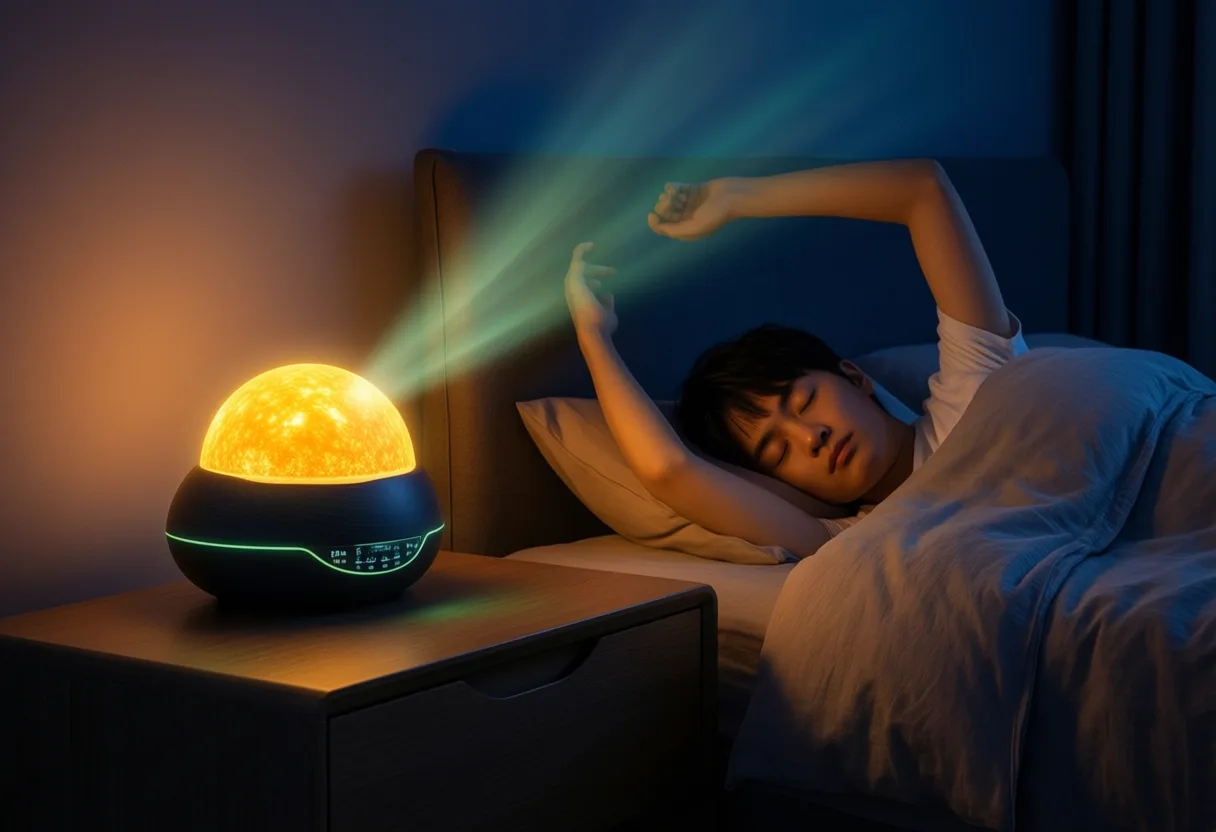

In the quiet hush before dawn, when the mind refuses to surrender to rest, a gentle pressure-like the steady hand of a trusted companion-can coax the nervous system into stillness. That quiet miracle is no longer the domain of imagination or prescription; it lives now in the weave of fabric, the calibrated weight of science-backed design. Weighted blankets have emerged not as mere bedding, but as tactile tools in the pursuit of deeper recovery, sharper cognition, and the kind of Sleep That doesn’t just refresh-it transforms.
What Makes Weighted Blankets a Sleep Game-Changer?
For decades, sleep was treated as a passive state, a blank interval between waking hours. But modern neuroscience reveals it as an active, orchestrated process-governed by chemistry, temperature, and sensory input. Enter the weighted blanket: a deceptively simple object that interfaces directly with the body’s autonomic nervous system, nudging it from fight-or-flight to rest-and-digest. By applying consistent, distributed pressure across the torso and limbs, these Blankets simulate A sensation known as deep pressure stimulation, a physiological signal the brain interprets as safety.
This is not placebo dressed in marketing jargon. The mechanism operates at the level of neurotransmitters and neural pathways-where touch becomes information, and information becomes calm. When the skin and muscles detect uniform weight, mechanoreceptors send signals to the brainstem, which in turn modulates the release of serotonin and dopamine, precursors to melatonin, the hormone of darkness. The cascade is subtle but profound: Heart rate Slows, cortisol dips, and the mind, so often tangled in loops of rumination, begins to untwist.
What sets weighted blankets apart from other sleep aids is their Non-invasive, drug-free integration into nightly ritual. Unlike supplements or medication, they do not alter biochemistry systemically; they work with the body’s existing architecture, enhancing rather than overriding natural function. In a world where cognitive load Accumulates like Digital dust, this tactile reset has become not a luxury, but a necessity for those committed to peak mental performance and emotional resilience.

The Science Behind Deep Pressure Stimulation
Deep pressure stimulation is not a new discovery-it has roots in occupational therapy, where it has long been used to support individuals with sensory processing differences, anxiety, and autism spectrum conditions. The principle is grounded in somatosensory neuroscience: when broad, firm pressure is applied to the body, it activates pressure-sensitive nerve endings that feed into the parasympathetic nervous system. This system governs relaxation, digestion, and recovery-everything the body prioritizes when it feels safe.
Studies have shown that this type of input can reduce sympathetic arousal, the physiological state associated with stress and hypervigilance. The body, under steady pressure, begins to interpret its environment as secure. This isn’t imagined Comfort; it’s a measurable shift in autonomic tone. Electrodermal activity decreases, heart rate variability improves, and subjective reports of anxiety drop significantly. For high-performing professionals, creatives, and biohackers alike, this means a faster transition into restorative sleep stages-especially slow-wave and REM sleep, where memory consolidation and emotional regulation occur.
The brilliance of deep pressure lies in its Scalability and accessibility. It does not require a clinical setting or medical supervision to be effective. A well-designed weighted blanket translates this therapeutic principle into a home-based intervention, democratizing a tool once limited to specialists. And because it operates below the level of conscious thought, it bypasses the mental resistance that often undermines traditional relaxation techniques. You don’t have to believe in it for it to work-your nervous system already understands the language of weight.
7 Top-Rated Weighted Blankets for Ultimate Comfort
Choosing the right weighted blanket is less about brand prestige and more about alignment with individual physiology and sleep environment. The best models balance material integrity, breathability, weight distribution, and washability-factors that determine not only efficacy but long-term usability. While preferences vary, certain design elements consistently emerge as markers of quality and performance.
- Cotton-Blend with Glass Bead Fill – Offers even weight distribution and minimal noise, ideal for light sleepers who value quiet. The natural fibers wick moisture and regulate temperature, reducing night sweats.
- Bamboo-Derived Fabric with Double-Stitched Channels – Combines sustainability with durability. Bamboo is naturally antimicrobial and highly breathable, making it excellent for hot sleepers.
- Cooling Knit with Ceramic-Infused Yarn – Engineered for thermal regulation, this design pulls heat away from the body, a critical feature for those in warm climates or prone to overheating.
- Quilted Microfiber with Removable Cover – Provides a soft, familiar texture while allowing for easy cleaning. The removable layer extends the blanket’s lifespan and hygiene.
- Wool-Blend with Organic Cotton Casing – Wool’s natural thermoregulation works in both directions-warming in cold rooms, cooling in warm ones. A rare dual-function material.
- 3D-Air Mesh Design – A newer innovation, this structure promotes airflow through the core of the blanket, preventing heat buildup without sacrificing weight integrity.
- Dual-Layer Weight System – Allows users to adjust total weight by adding or removing an inner blanket. Perfect for seasonal shifts or shared beds with differing needs.
Each of these designs addresses a specific physiological or environmental challenge. The common thread-beyond thread count-is intentionality. These are not mass-market compromises, but precision instruments calibrated for sleep optimization. For those who track sleep metrics, the difference is visible: shorter sleep onset latency, fewer awakenings, and higher sleep efficiency scores.

Common Misconceptions About Weighted Blankets Debunked
One persistent myth is that weighted blankets are only for people with anxiety or sensory disorders. While they are indeed used in clinical settings for these purposes, their benefits extend far beyond pathology. Healthy individuals, including elite athletes and high-output professionals, use them to enhance recovery and cognitive clarity. The blanket does not treat illness-it supports the body’s natural capacity to rest, repair, and recalibrate.
Another misconception is that heavier is always better. In reality, excessive weight can trigger discomfort or even panic, especially in those unaccustomed to the sensation. The goal is gentle, grounding pressure-not immobilization. A blanket that restricts movement defeats its own purpose by activating stress responses rather than calming them. Proper weight selection, typically around 10% of body weight, ensures the stimulus remains therapeutic.
Some believe these blankets are too hot for year-round use. While early models did trap heat, modern iterations use advanced textiles that actively dissipate warmth. Breathable fabrics, open-knit structures, and moisture-wicking layers have transformed the category. The idea that comfort must be sacrificed for function is no longer valid-today’s best designs integrate both.
How to Choose the Right Weight and Material for Your Needs
Selecting the right weighted blanket begins with a simple calculation: 10% of your body weight, plus or minus a few pounds, is widely regarded as the optimal starting point. This ratio provides enough pressure to trigger deep pressure stimulation without overburdening the respiratory or musculoskeletal systems. For a 150-pound person, that means a 15-pound blanket-enough to feel present, not oppressive.
Beyond weight, material choice must align with your thermal profile. If you sleep hot, prioritize natural or engineered fibers with high breathability-bamboo, TENCEL™, or cooling knits. If you live in a colder climate or prefer warmth, consider blends with cotton, fleece, or wool, which retain heat without suffocating. The fill matters too: glass beads are quieter and more evenly distributed than plastic pellets, leading to a smoother, less lumpy feel.
Consider your sleep position. Side sleepers may find excessive weight uncomfortable on joints, so a slightly lighter option might be preferable. Back sleepers often benefit most from full coverage and even pressure. And if you share the bed, look for wider sizes or dual-weight systems that accommodate different needs without compromise. The right blanket should feel like an extension of your body-not a barrier, but a bridge to stillness.

What to Watch For: Safety Tips and Who Should Avoid Them
While generally safe for most adults, weighted blankets are not universally appropriate. Individuals with obstructive sleep apnea, respiratory conditions, or circulatory issues should consult a physician before use, as added chest pressure could exacerbate breathing difficulties. The same caution applies to those with chronic pain or mobility limitations, where restricted movement during sleep might increase discomfort.
Children under the age of five should not use weighted blankets due to suffocation risk. For older children, strict weight guidelines and supervision are essential. Even for adults, it’s critical to ensure the blanket can be removed easily-entrapment defeats the purpose of comfort. Always test a new blanket during waking hours first, lying down for 10–15 minutes to assess tolerance.
Signs of misuse include shortness of breath, increased heart rate, or feelings of panic. If any of these occur, discontinue use immediately. A well-fitting blanket should evoke calm, not confinement. Remember: This is a tool for liberation from restlessness, not a restraint. Respect your body’s signals, and let safety guide experimentation.
Sleep Better Tonight: Real Comfort Starts With the Right Fit
Sleep is not downtime-it is recalibration, maintenance, and preparation for the next day’s cognitive demands. In a culture that glorifies burnout, choosing rest is an act of rebellion. A weighted blanket, when chosen with care, becomes more than fabric and fill; it becomes a ritual object, a nightly affirmation that recovery matters.
The pursuit of better sleep is not about chasing perfection, but about honoring the biological truth that we perform best when we are restored. Whether you’re decoding complex data, composing music, or simply trying to stay present in a distracted world, the foundation is the same: Deep, uninterrupted rest.
And sometimes, that rest begins with the quiet weight of something pulling you not down, but inward-toward the core of who you are, and who you can become, after a truly good night’s sleep.
| Design Type | Material/Fill | Best For |
|---|---|---|
| Cotton-Blend with Glass Bead Fill | Natural fibers, glass beads | Light sleepers who want quiet and breathability |
| Bamboo-Derived Fabric with Double-Stitched Channels | Sustainable bamboo, durable stitching | Hot sleepers and eco-conscious users |
| Cooling Knit with Ceramic-Infused Yarn | Thermal-regulating yarn | Warm climates or those prone to overheating |
| Quilted Microfiber with Removable Cover | Soft texture, easy-to-wash cover | Longevity and hygiene-focused users |
| Wool-Blend with Organic Cotton Casing | Natural thermoregulation | Dual climate adaptability |
| 3D-Air Mesh Design | Airflow-promoting structure | Preventing heat buildup |
| Dual-Layer Weight System | Adjustable inner blanket | Seasonal changes or shared beds |
The Cozy Science Behind Weighted Blankets
Why Weight Feels Wonderful
Ever wonder why a good hug or swaddling a baby works so well? It’s all about deep pressure touch. Weighted blankets tap into that same soothing effect, gently pressing down on your body like a comforting embrace. This steady pressure can help calm your nervous system, slowing your heart rate and easing anxiety-making it easier to drift off and stay asleep. Think of it as a lullaby for your senses, delivered through fabric and fill.
What’s Inside Makes the Difference
Most weighted blankets rely on tiny glass or plastic pellets sewn into evenly distributed pockets to create that signature heft. The glass beads are often preferred because they’re smaller and spread out more evenly, giving a smoother feel without clumping. Some models use steel shot or even organic materials like sand, but glass beads strike a nice balance between comfort and durability. The outer layer? Usually soft, breathable fabrics like cotton, bamboo, or microfiber-chosen to keep you from overheating while still feeling cozy.
A Nod to History (and Farm Animals)
Believe it or not, the idea of using weight for comfort didn’t start in a wellness lab. Farmers noticed that cows seemed calmer when draped with heavy blankets, and that observation may have quietly inspired early therapeutic tools. Decades later, this concept evolved into the modern weighted blanket, now backed by research showing benefits for people with insomnia, ADHD, and stress-related conditions. While today’s versions are far softer and smarter in design, they still carry that simple, grounding idea: sometimes, a little weight is exactly what helps you feel lighter. Explore more stories, videos, and creators on Loaded.
Frequently Asked Questions
How do weighted blankets improve sleep?
Weighted blankets apply deep pressure stimulation, which calms the nervous system by slowing heart rate and reducing cortisol. This helps the body transition into rest-and-digest mode, supporting deeper, more restorative sleep.
What is the ideal weight for a weighted blanket?
The optimal weight is typically around 10% of body weight, plus or minus a few pounds. For example, a 150-pound person should use a 15-pound blanket to ensure therapeutic pressure without discomfort.
Are weighted blankets safe for everyone?
No. People with obstructive sleep apnea, respiratory issues, circulatory problems, or mobility limitations should consult a doctor first. Children under five should not use them due to suffocation risk.
Can weighted blankets be used year-round?
Yes. Modern designs use breathable fabrics like bamboo, TENCEL™, or cooling knits that dissipate heat. Innovations like 3D-air mesh and quilted microfiber help prevent overheating in warm climates.
This article was produced with AI assistance. How Neuron Magazine uses AI.
Zahra explores the frontiers of human enhancement, from neural implants to gene editing, with a focus on ethical implications and lived experience. She blends scientific rigor with intimate storytelling to illuminate how technology reshapes identity and lifespan.