How AI-Generated Imagery Is Redefining the Boundaries of Art
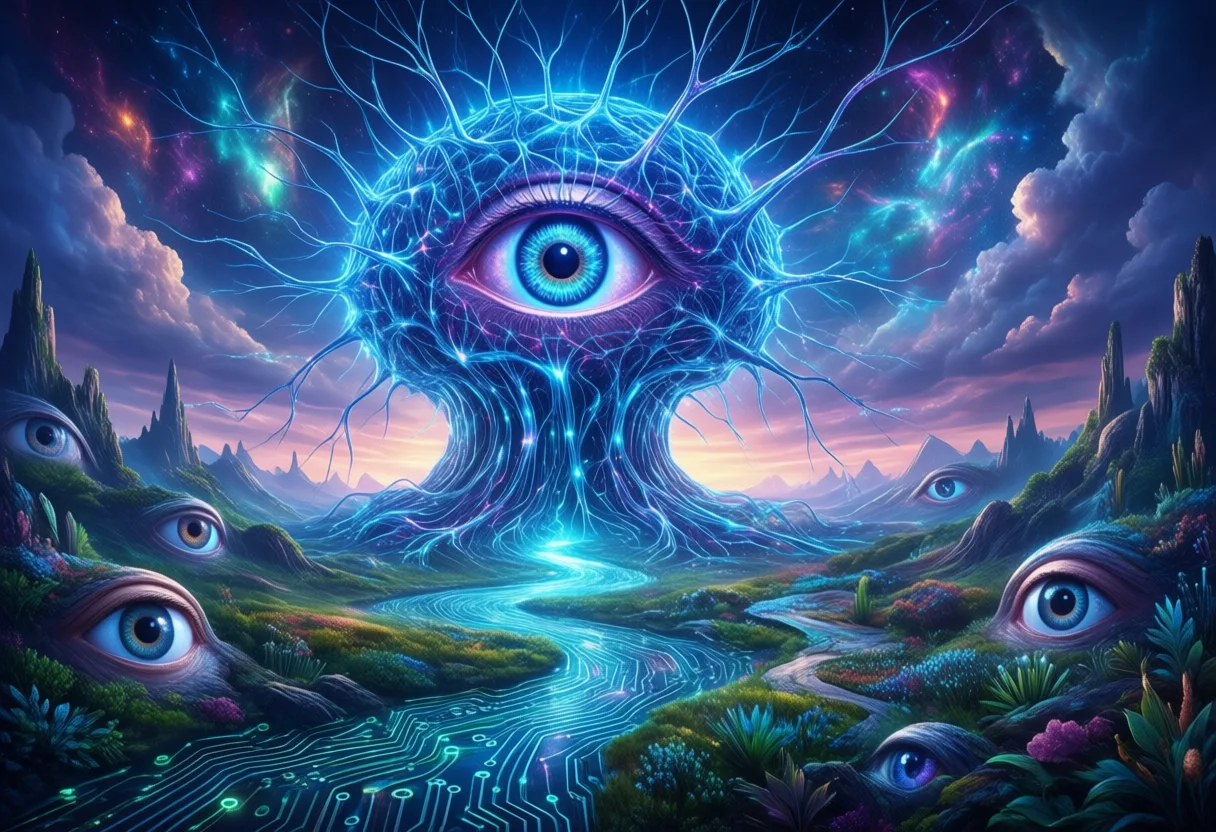
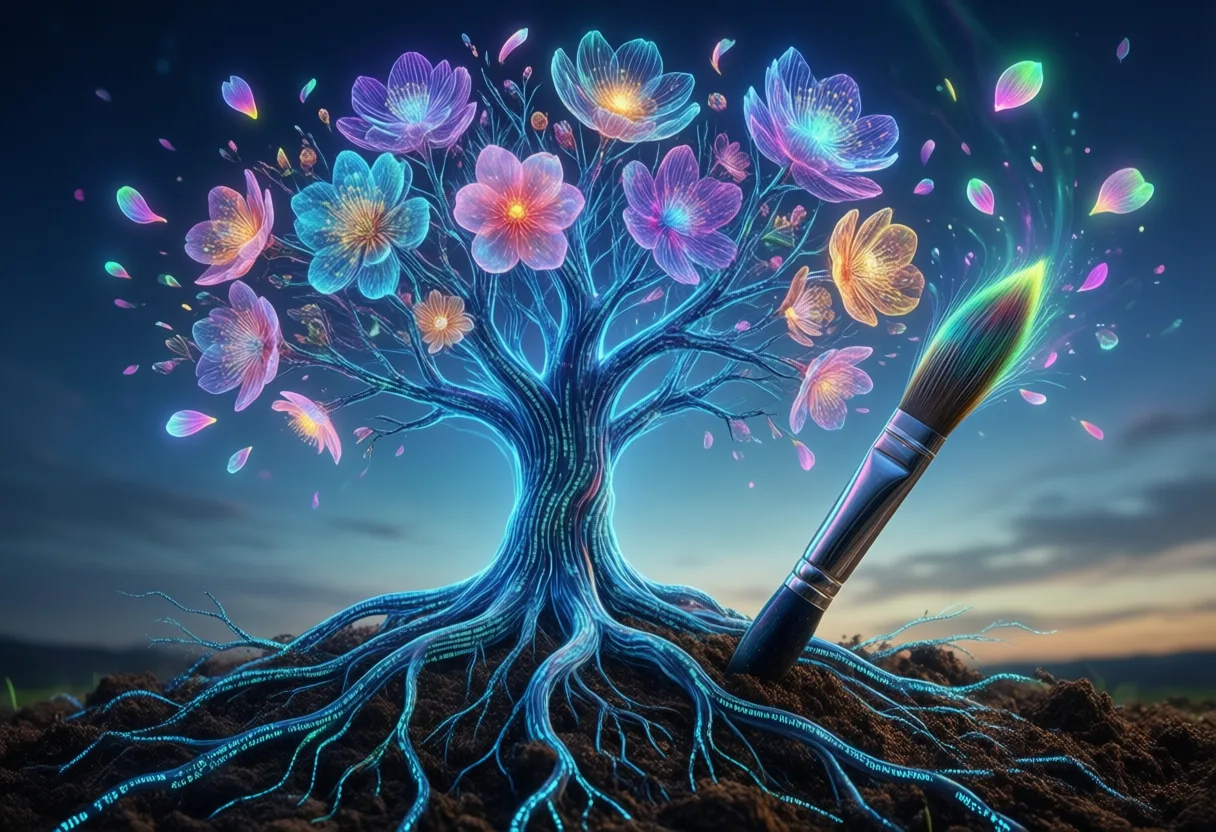
The canvas is no longer confined to linen or pixel grids painstakingly filled by hand. A new kind of brushstroke-written in code, trained on centuries of Visual language-is emerging from the latent spaces of neural networks, redefining what it means to create an image. These artificial intelligence pictures are not mere imitations; they are probabilistic dreams stitched together from vast datasets, where a single prompt can birth entire worlds that never existed but feel hauntingly familiar.
What we once called digital art is evolving into something more fluid, more responsive-a collaboration between intent and algorithm. Artists No longer need to master every technical nuance of lighting or anatomy to visualize their inner landscapes; instead, they guide the machine with words, curating outputs like conductors shaping symphonies from silence. This shift does not erase skill but redistributes it-toward conceptual clarity, aesthetic discernment, and ethical awareness.
And yet, for all its novelty, this moment echoes older revolutions: the invention of perspective, the camera’s disruption of portraiture, the rise of Photoshop. Each time, purists cried sacrilege. Each time, art absorbed the tool and moved forward. Today’s transformation feels seismic not because machines have suddenly become creative, but because The barrier between imagination and manifestation has never been thinner.
Can Machines Be Artists?
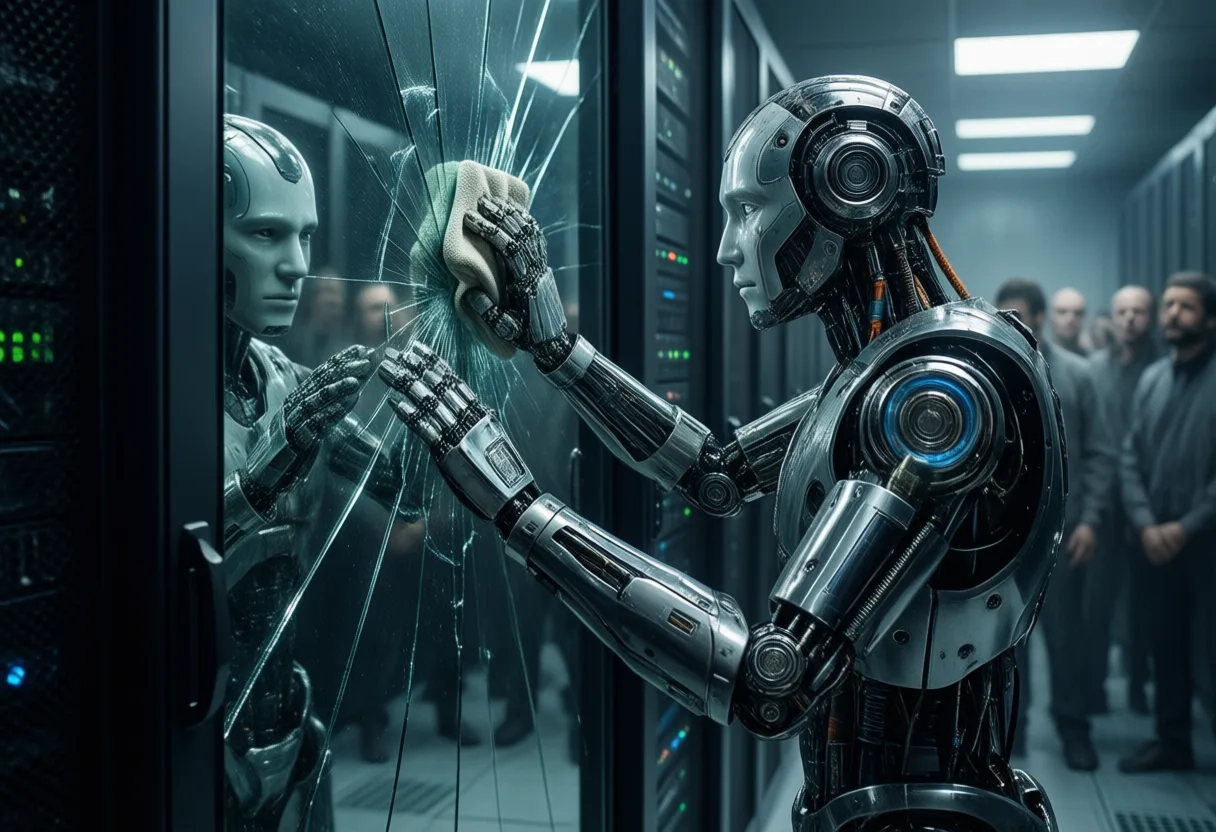
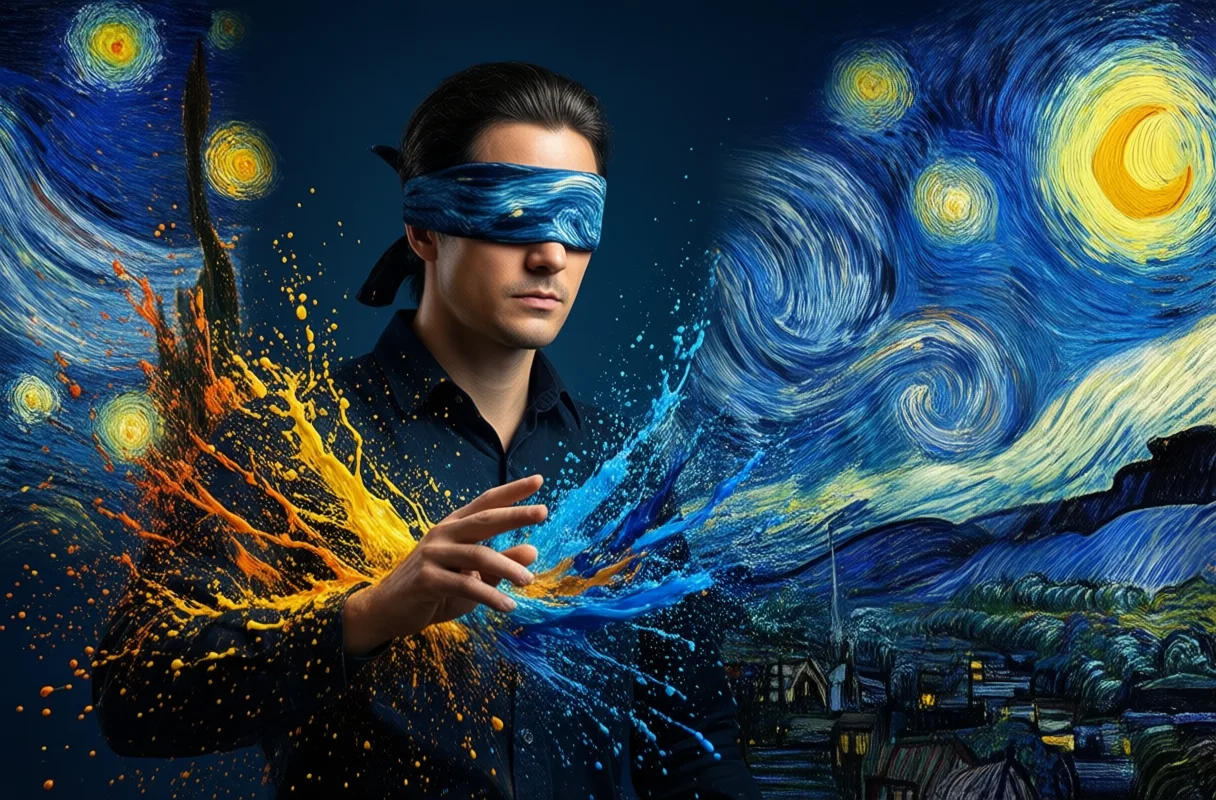
To ask if machines can be artists is to misunderstand both machines and art. An AI does not wake with inspiration, wrestle with doubt, or paint to survive. It does not Feel The weight of history behind a brushstroke or the ache of longing in color choice. What it offers instead is pattern recognition at planetary scale-an uncanny ability to synthesize, remix, and extrapolate from what humanity has already made.
But synthesis is not authorship. The model generates based on statistical likelihoods, not lived experience. It cannot choose to rebel against its training data, nor can it intend irony or homage. When an image emerges that stirs us deeply, it is not because the machine understands emotion, but because We do-and we project meaning onto the void, as humans have always done with clouds, constellations, and now, algorithms.
Still, the question persists, not because the Technology Has changed so drastically, but because our definitions of creativity were always fragile. If art is, at its core, communication through form-if it lives in the space between creator and observer-then perhaps the machine becomes part of a larger artistic system. Not the artist, but An instrument, like a piano that knows every song ever played and can improvise variations in real time.
This reframing matters. It prevents us from anthropomorphizing code while honoring the very real power it now wields in creative workflows. The danger lies not in crediting the tool too much, but in forgetting who holds it-and why.
The Tools Shaping a New Creative Era
Generative models have moved from research labs to laptops, democratizing access to Visual creation In ways previously unimaginable. With little more than descriptive language, users can summon photorealistic scenes, surreal dreamscapes, or stylized illustrations that mimic specific movements or artists’ hands. These tools respond to prompts with astonishing speed, iterating across possibilities in seconds.
Key capabilities include:
- Text-to-image synthesis using deep learning architectures trained on diverse visual datasets
- Style transfer that blends aesthetics across mediums and eras
- Iterative refinement through feedback loops, allowing users to guide output direction
- Integration with traditional design software, enabling hybrid workflows
Professionals across industries-from concept designers in film to architects prototyping forms-are adopting these systems not as replacements, but as accelerants. A director might generate dozens of mood boards overnight; a product designer could explore hundreds of packaging variants before sketching one by hand. The bottleneck is no longer production, but Curatorial judgment.
Even educators are beginning to integrate these tools into curricula, teaching students not just how to use them, but how to think critically about their outputs. The emphasis shifts from manual dexterity to conceptual rigor, from execution to intention. In this landscape, The most valuable skill may be knowing when Not To generate-when silence, restraint, or human touch matters more than speed.
Beyond the Hype: Separating Myth from Reality
Headlines proclaim the death of human artists, the rise of sentient machines, the end of originality. Such claims crumble under scrutiny. While the technology is powerful, it remains fundamentally derivative. Every output is a recombinant echo of existing works, filtered through layers of abstraction. There is no true invention in the philosophical sense-only reconfiguration.
Claims that AI can “replace” artists ignore the messy, embodied truth of creation: the coffee-stained sketchbooks, the failed experiments, the cultural context embedded in every line. Machines do not live in societies, resist oppression through symbolism, or encode trauma in texture. They do not innovate out of necessity or defiance. What they produce is often stunning-but Stunning within the boundaries of what has already been seen.
Moreover, the idea that anyone can now “be an artist” with a few keystrokes oversimplifies the depth of artistic practice. Yes, more people can generate compelling images. But curation, narrative coherence, emotional authenticity-these remain distinctly human domains. The tool lowers the floor, but the ceiling? That still demands vision.
And let us be clear: no current system possesses consciousness, desire, or ethics. It does not care whether its output misrepresents, offends, or mimics protected styles. The responsibility lands squarely on the user-the person who types the prompt, selects the result, and releases it into the world.
Why This Moment Feels Different-And Why It Isn’t Entirely New
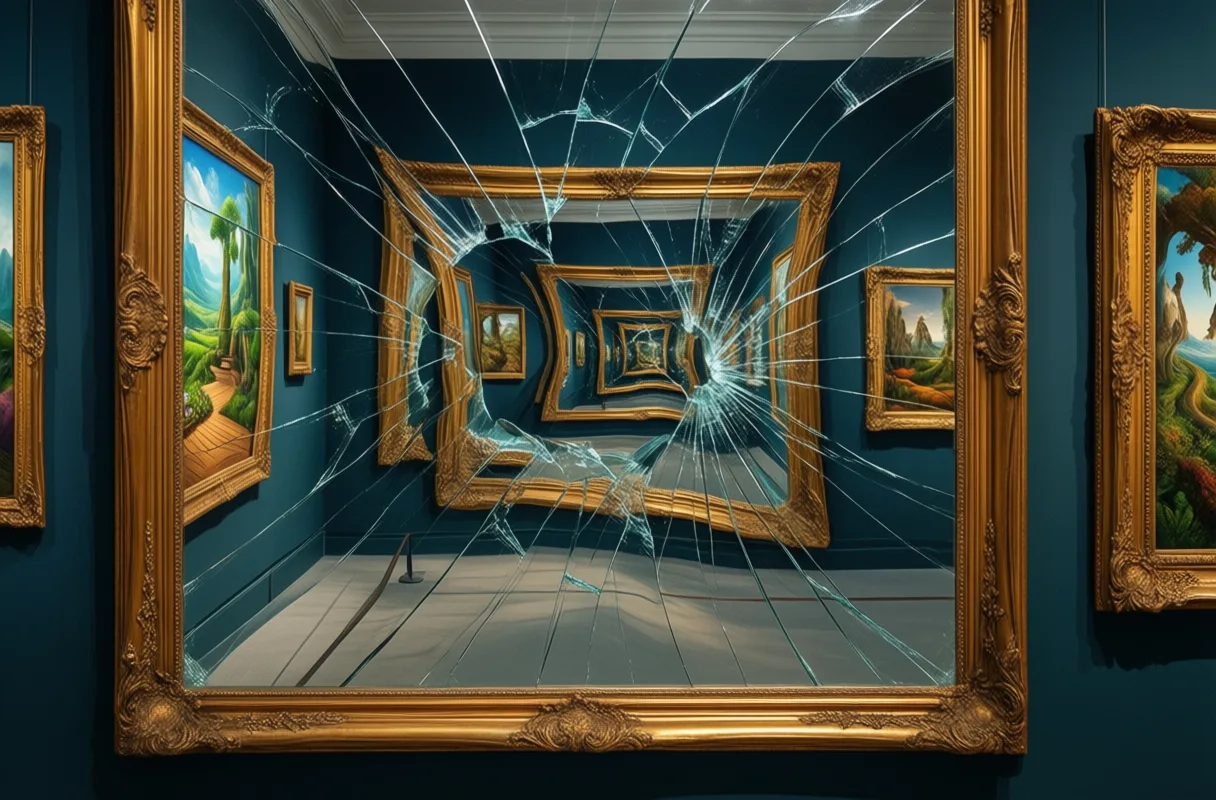
There is a tremor in the air, a sense that something irreversible has shifted. Perhaps it is the sheer velocity of improvement-models doubling in capability every few months-or the intimacy with which these images mirror human expression. For the first time, the line between generated and handmade blurs not just technically, but emotionally. We hesitate before a portrait, wondering: was this painted… or prompted?
Yet history reminds us that every major medium faced similar upheaval. When photography emerged, painters feared obsolescence-only to pivot toward abstraction, impressionism, expressionism. The camera did not kill art; it forced evolution. Similarly, synthesizers were once dismissed as soulless noise, until artists bent them into new genres. Disruption is not destruction-it is redirection.
What makes today distinct is not the arrival of automation, but the Scale and accessibility Of the tools. Billions can now participate in visual storytelling without years of training. This inclusivity is revolutionary. At the same time, it amplifies old tensions: questions of ownership, influence, and credit that have long simmered in creative fields.
We are not witnessing the birth of machine artistry, but the maturation of human-machine symbiosis. The anxiety we feel is less about technology than about identity-who we are when the act of making changes so profoundly. And perhaps, that discomfort is necessary. Growth rarely arrives without friction.
What Artists Gain (and Sometimes Lose) in the AI Age
For many creators, artificial intelligence pictures represent liberation. Tasks once mired in repetition-background rendering, texture mapping, early-stage ideation-can now unfold in moments, freeing mental bandwidth for higher-order thinking. An illustrator might use AI to draft ten compositional thumbnails, then hand-refine the chosen path. A writer could visualize characters before describing them, anchoring prose in shared imagery.
This augmentation allows for greater experimentation. Failure becomes cheaper, iteration faster. Artists can explore stylistic detours without investing weeks in mastery. Some report feeling reinvigorated, rediscovering joy in the parts of creation that cannot be automated: the gesture, the surprise, the imperfection that speaks of presence.
But there are losses, subtle and structural. Some illustrators find their work replicated in training data, their signature styles mimicked without consent. Others worry that clients will favor speed over soul, opting for AI-generated content that lacks depth but meets deadlines. The economic pressure mounts, especially for mid-career professionals who built livelihoods on technical precision now matched-or exceeded-by models.
Worse, the flood of generated content risks diluting cultural memory. When millions of synthetic images circulate daily, indistinguishable from reality, how do we preserve authenticity? How do future generations trace influence, lineage, intention? The archive becomes polluted with artifacts that claim history they do not possess.
These are not hypothetical concerns. They are unfolding now, in studios, galleries, legal debates, and private doubts. The gains are real. So are the costs. And neither should be ignored.
The Future Isn’t Automated-It’s Augmented
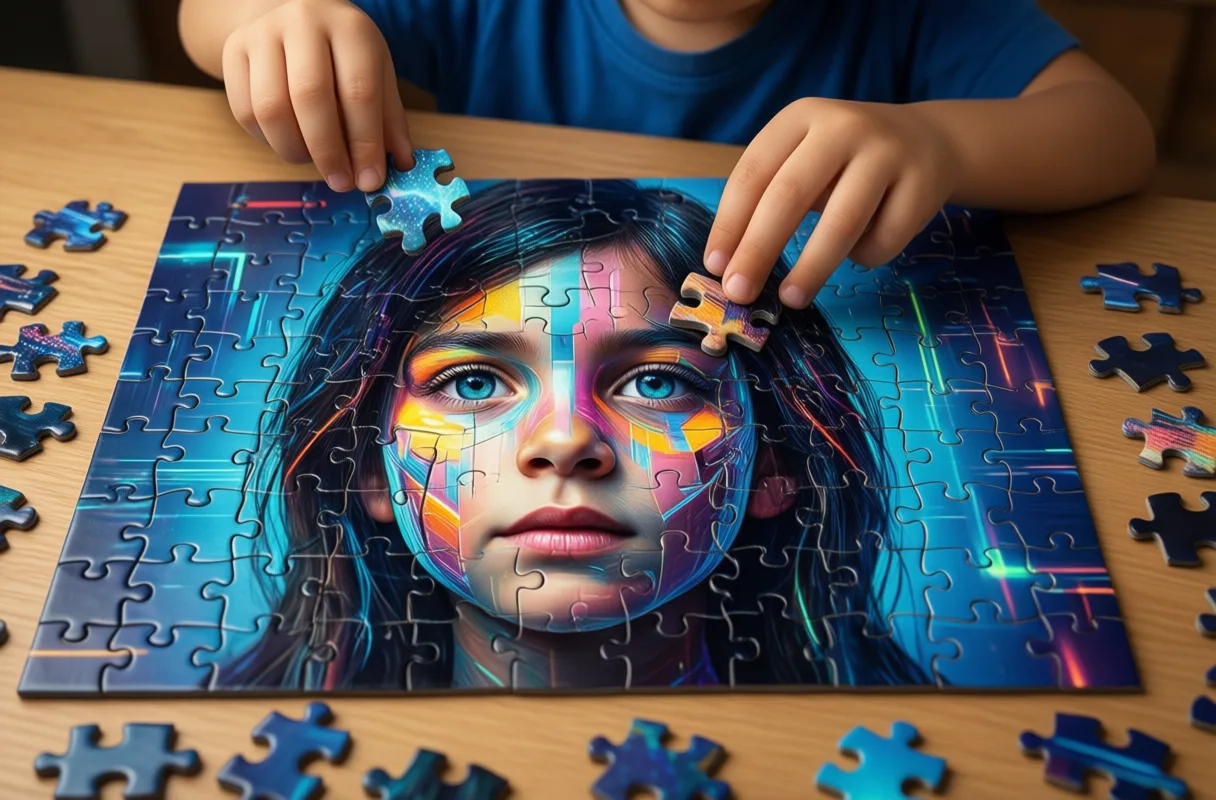
We stand not at the edge of replacement, but at the threshold of partnership. The most compelling visions ahead involve humans and machines co-creating, each amplifying the other’s strengths. The artist brings purpose, ethics, and emotional intelligence; the machine offers speed, variation, and combinatorial power. Together, they achieve what neither could alone.
Imagine architects using generative systems to simulate thousands of sustainable building forms, then selecting one shaped by local climate, culture, and community input. Or animators who prototype entire sequences with AI assistance, reserving hand-drawn frames for moments of peak emotional resonance. These are not fantasies-they are already happening, quietly, in labs and studios worldwide.
Crucially, Augmentation preserves agency. The human remains the decision-maker, the moral compass, the keeper of meaning. The tool adapts to the creator, not the reverse. This balance is fragile, easily tipped by commercial incentives or technological determinism. Vigilance is required.
Because the goal is not efficiency above all, but Richer expression. Not fewer artists, but more voices heard. Not perfection, but connection. The future belongs not to those who surrender to automation, but to those who wield it with intention.
Where Do We Draw the Line?
No technology exists in a moral vacuum. With every advance comes the duty to ask: Should we? The ability to generate hyperreal images from text raises urgent questions about consent, representation, and truth. Can a model ethically replicate the style of a living artist without permission? Should synthetic faces be labeled as such when used in journalism or advertising?
Transparency matters. So does accountability. Systems trained on unconsented data carry inheritances of exploitation, even if unintentional. To build trust, developers must prioritize provenance-allowing users to trace influences, opt out of training, and understand limitations. Ethics cannot be an afterthought.
At the same time, regulation must avoid stifling innovation or entrenching gatekeepers. Overly restrictive rules could push development underground or consolidate power among a few corporations who can afford compliance. The solution lies in inclusive dialogue-artists, technologists, ethicists, and communities co-shaping standards.
Ultimately, the line we draw should protect human dignity, honor labor, and preserve space for genuine connection. Art has always reflected who we are-and who we aspire to be. As we integrate these tools into our creative lives, we must ensure they serve that purpose, not diminish it.
The age of artificial intelligence pictures is not the end of art. It is a test-one of values, vision, and responsibility. And like all great tests, it reveals not what machines can do, but who we choose to be.
How AI Paints Outside the Lines
When Algorithms Get Creative
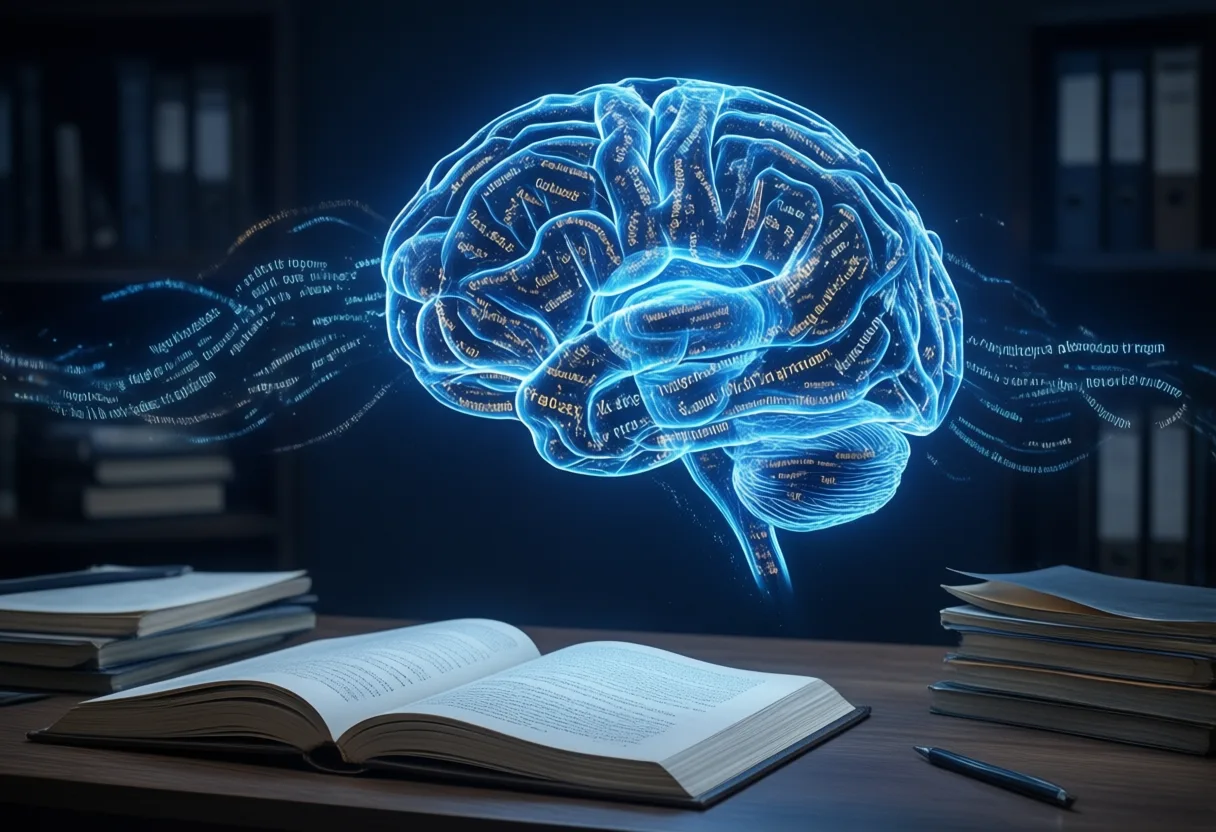
AI-generated images aren’t just random digital splatters-they often start with a sprinkle of math magic called diffusion. Imagine scribbling on a page, then slowly erasing the mess while trying to remember what you originally wanted to draw. That’s kind of how diffusion models work: they begin with visual noise and gradually refine it into a coherent picture based on text prompts. These models have been trained on massive sets of images and descriptions, allowing them to link words like “cyberpunk raccoon” or “watercolor sunset on Mars” to visual features with surprising accuracy.
From Code to Canvas-Fast
One of the wild perks of AI art tools is speed. What might take a human artist hours or days to sketch, shade, and render can pop up in seconds. Some systems generate multiple image variations in the time it takes to pour a cup of coffee. This rapid output lets creators experiment freely, mixing styles like impressionism and pixel art or testing out wild concepts without the pressure of a blank canvas. Alt text: A split-screen showing a text prompt on one side and a vibrant AI-generated jungle scene on the other, illustrating the quick transformation from idea to image.
Not Just Imitation-New Worlds Emerge
While AI learns from existing art, it doesn’t just copy. It remixes. The results can be bizarrely brilliant: flamingos with mechanical wings, libraries floating in space, or portraits of historical figures reimagined as fantasy heroes. These unexpected blends spark inspiration, pushing human artists to explore directions they might never have considered. And because the tools are more accessible than ever, people who don’t consider themselves “artists” can still bring vivid ideas to life with a few well-chosen words. Explore more stories, videos, and creators on Loaded.
Frequently Asked Questions
How do AI-generated images work?
AI-generated images start with visual noise and use diffusion models to gradually refine it into a coherent picture based on text prompts. These models are trained on large datasets of images and descriptions to link words to visual features.
Can AI replace human artists?
AI cannot replace human artists because it lacks lived experience, intention, and emotional understanding. It serves as a tool that assists in creation but does not possess consciousness or original intent.
What skills are most valuable in the age of AI art?
Conceptual clarity, aesthetic discernment, and ethical awareness are now more valuable. The ability to curate, guide, and make intentional choices matters more than technical execution alone.
Are AI-generated images just copies of existing art?
No, AI does not simply copy. It remixes and recombines elements from its training data to create new, often unexpected images like mechanical flamingos or floating libraries.
This article was produced with AI assistance. How Neuron Magazine uses AI.
Zahra explores the frontiers of human enhancement, from neural implants to gene editing, with a focus on ethical implications and lived experience. She blends scientific rigor with intimate storytelling to illuminate how technology reshapes identity and lifespan.