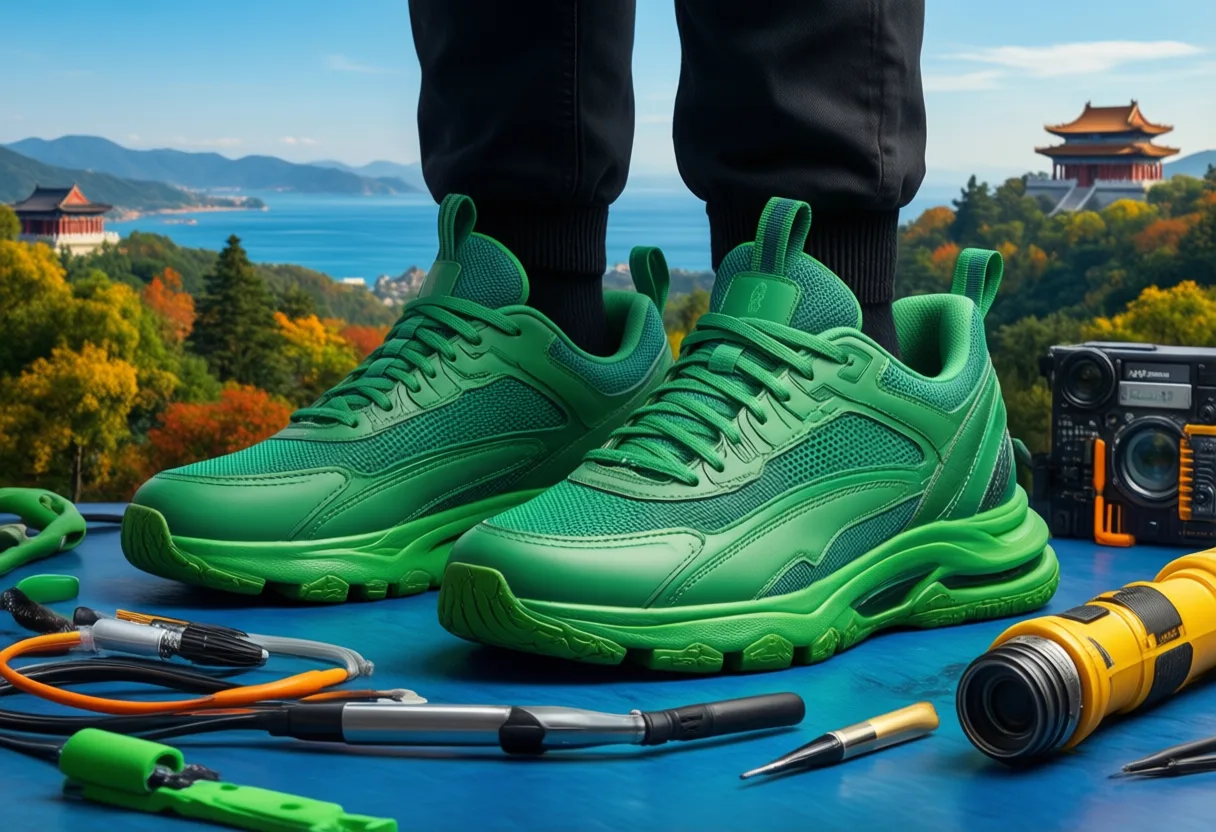
I slipped them on during a cross-country flight, the kind where your feet swell like rising dough and every Step Feels like a negotiation. No laces. No bulk. Just a quiet sense of alignment, as if my feet had finally remembered how they were supposed to move. It wasn’t magic-it was design stripped down to its essential truth.
The Quiet Rebellion Against More
We’ve been Sold comfort As padding. As layers. As technology stuffed so deep into our soles we forget what ground feels like. But what if support isn’t something added? What if it’s something Uncovered?
For years, Footwear innovation Chased height, cushioning, and proprietary foam blends that promised relief but often delivered numbness. We walked on clouds, yes-but clouds don’t teach you balance. They don’t whisper when your heel strikes too hard or your arch collapses mid-stride.
Now, a shift is underway. Not loud, not viral, but steady-like a footfall finding its rhythm. A growing number of designers and wearers are asking: What if less could do more?
The answer lives in simplicity. In shoes built not to override biology, but to let it speak.
- Structure that follows the foot’s natural shape
- Materials that flex instead of fight
- Soles thin enough to feel pavement, yet tough enough to protect
This isn’t minimalism for aesthetics. It’s Minimalism as function-a return to movement that’s responsive, grounded, alive.
Anatomy of a Different Kind of Support
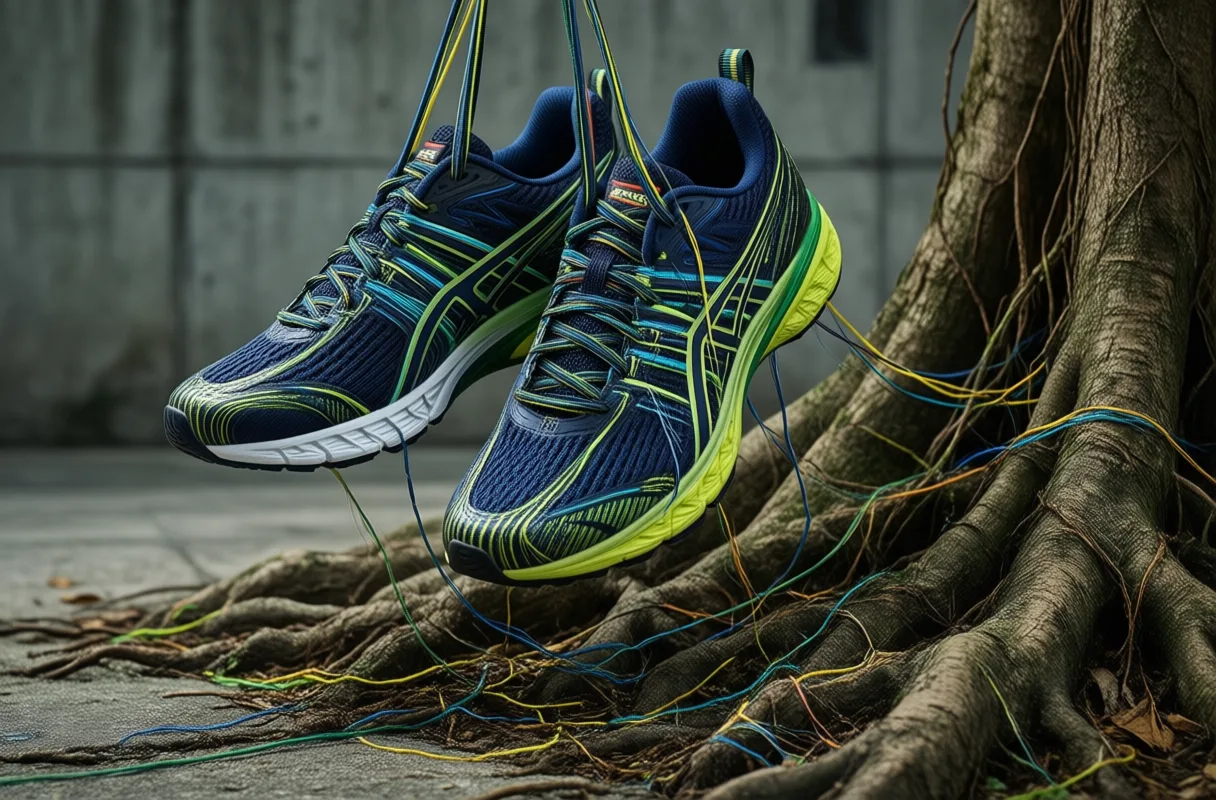
Most shoes begin with a last-a mold shaped like a foot, often exaggerated with high arches and narrow toes. From there, layers pile on: midsoles, stabilizers, air pockets, gels. By the time you lace up, you’re wearing a machine for walking, not an extension of your body.
But some new designs start differently. They begin with the idea that the foot is already engineered well. That millions of years of evolution shaped something capable, adaptable, intelligent.
So instead of correcting, these shoes listen.
They use flexible soles that allow the toes to splay, the arch to engage, the ankle to stabilize naturally. The result? Feet that work the way they’re meant to-strengthening over time, not depending on external crutches.
You notice it first in subtle ways:
- Standing longer without fatigue
- Walking with a lighter step
- Feeling the slope of the sidewalk, the texture of gravel
It’s not that these shoes do more. It’s that they Get out of the way.
One designer put it plainly: “We didn’t invent a new way for humans to move. We just stopped interfering.” That philosophy shows in every seam, every curve.
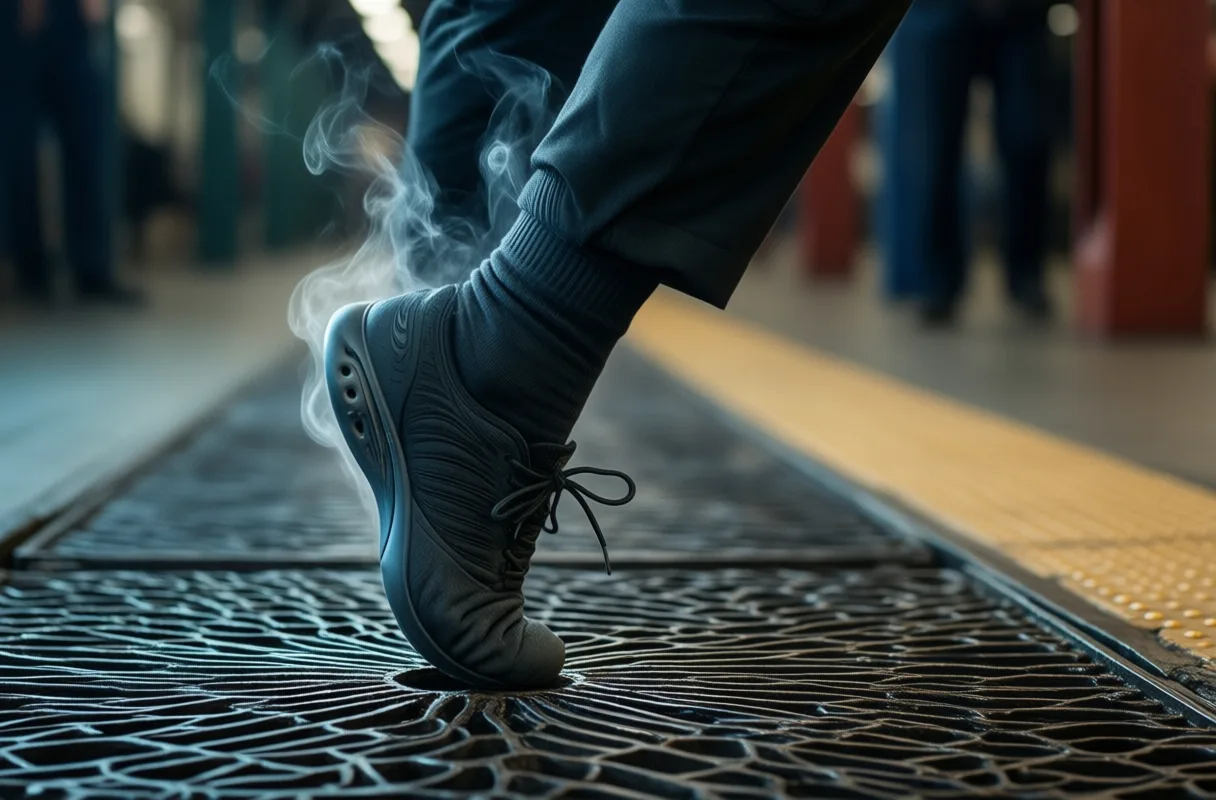
Beyond Fashion: A Shift in How We Move
This isn’t just about what’s on your feet. It’s about how we think about our bodies in motion.
In offices, schools, even hospitals, people spend hours on their feet-often in shoes that dull sensation and distort posture. Over time, that takes a toll. Back pain. Knee strain. Poor circulation.
But when footwear allows natural mechanics, the ripple effect spreads upward. Better alignment. Improved balance. Greater awareness of how we carry ourselves through the world.
Some companies are taking note. Architects specify anti-fatigue flooring; now, a few are asking about the shoes people wear on them. Physical therapists recommend movement retraining-and pair it with footwear that supports, rather than overrides, muscle engagement.
And users report something unexpected: Joy. Not from style, though many appreciate the clean lines. But from movement that feels effortless, almost forgotten.
One teacher told me she wore them through eight-hour school days and no longer dreaded grading papers on her feet. A nurse said she could feel the floor again-literally-and that made her steps surer during night rounds.
These aren’t testimonials. They’re observations. Small, human confirmations that when design respects biology, people feel better-not because of hype, but because of harmony.
Where Innovation Meets Intention
The future of footwear may not come from labs pumping out new foams or apps tracking your stride. It might come from silence. From subtraction. From the courage to say: What if we stopped doing so much?
That doesn’t mean rejecting technology. It means using it wisely-choosing materials that last, construction that aligns, design that serves purpose over profit.
And it means redefining comfort. Not as softness, but as Alignment. Not as cushion, but as connection.
Because in the end, the most advanced system we’ll ever move through the world with is already inside us. All we need are shoes that let it work.
Stepping Lightly Into Simplicity
Born from Barefoot Beliefs
Zeros shoes started with a simple idea: what if footwear could feel more like a second skin? Inspired by the natural movement of going barefoot, the brand built its reputation on minimalist design, focusing on flexibility and a close-to-the-ground feel. The name itself hints at this philosophy-aiming for a "zero" interference between you and the ground beneath.
One standout feature is the zero-drop design, meaning the heel and forefoot sit at the same height. This encourages a more natural stride and has made the shoes a favorite among those who prioritize foot health and alignment. While not the first brand to explore this concept, Zeros shoes brought it into everyday wear with styles that transition easily from city sidewalks to weekend trails.
Surprising Materials, Real Comfort
Instead of relying on bulky cushioning, Zeros shoes use lightweight, flexible materials that move with your feet. Some models feature vegan-friendly uppers, appealing to eco-conscious buyers without sacrificing durability. Because they’re designed to be worn without socks, the interior is smooth and breathable-cutting down on friction and heat buildup.
Here’s a fun twist: many owners say their Zeros shoes feel more comfortable after a few wears, not less. That’s because the flexible soles and soft uppers adapt to the shape of your feet over time, creating a personalized fit. It’s not magic-it’s smart, stripped-down design that lets your feet do what they’ve always done best. Explore more stories, videos, and creators on Loaded.
Frequently Asked Questions
What is zero-drop design in shoes?
Zero-drop design means the heel and forefoot sit at the same height, encouraging a more natural stride and better alignment.
Are Zeros shoes meant to be worn with socks?
No, they are designed to be worn without socks. The interior is smooth and breathable to reduce friction and heat buildup.
How do Zeros shoes improve comfort over time?
The flexible soles and soft uppers adapt to the shape of your feet with wear, creating a personalized fit that feels more comfortable after a few uses.
What materials are used in Zeros shoes?
They use lightweight, flexible materials and some models feature vegan-friendly uppers that are durable and eco-conscious.
This article was produced with AI assistance. How Neuron Magazine uses AI.
Saoirse investigates how automation, remote systems, and AI reshape labor, careers, and human purpose. She centers worker voices and cultural change, blending data with narrative depth to reveal what the future feels like on the ground.