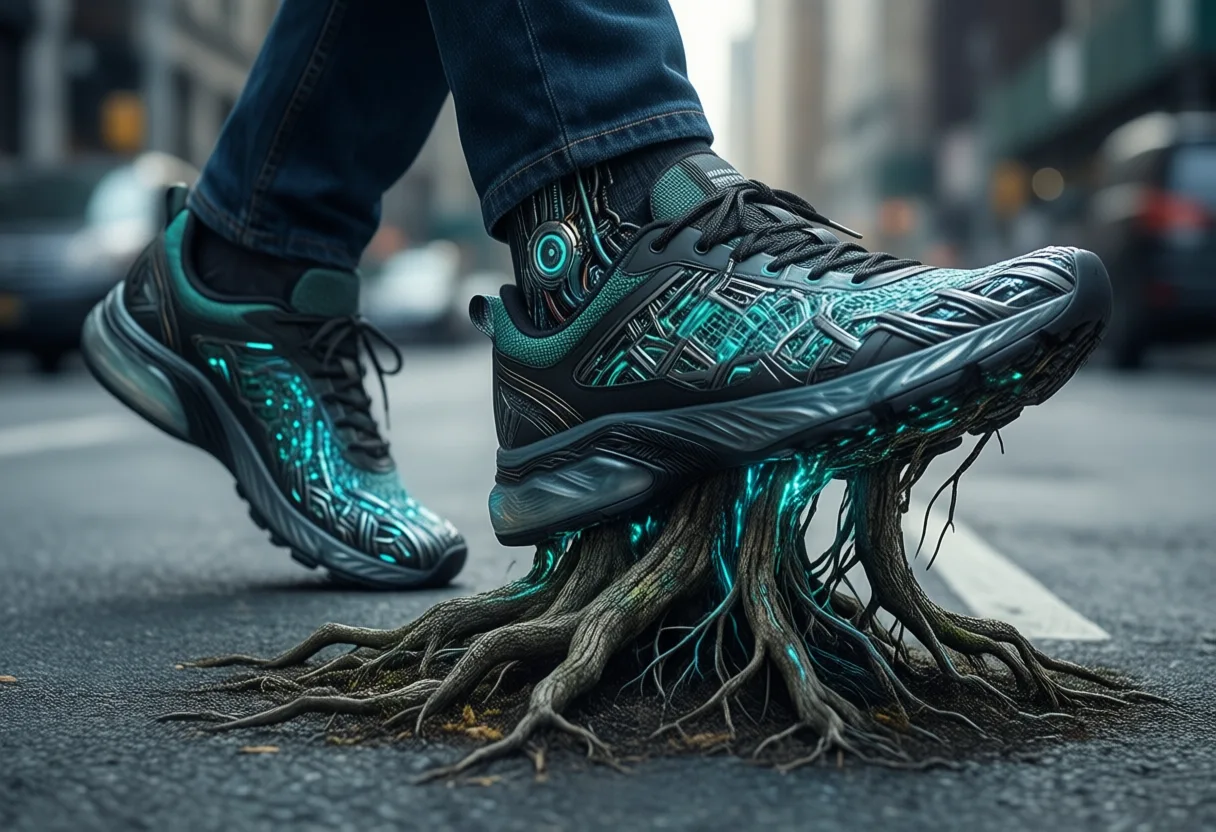
For centuries, human feet have carried us across continents, climbed mountains, and danced through revolutions-yet the modern shoe has often treated them not as marvels of evolutionary engineering but as afterthoughts to be squeezed, elevated, and reshaped for fashion’s sake. Only now, as biomechanics and biohacking converge, are we beginning to ask a radical question: what if Shoes Were designed not to change our feet, but to let them be?
The quiet rebellion against Conventional footwear Is no longer confined to barefoot runners or minimalist enthusiasts-it's spreading into mainstream consciousness, fueled by data, anatomy, and a growing discomfort with discomfort itself.
Why Most Shoes Fail Your Feet
Most Shoes On the market today are built around an idealized silhouette-one that narrows toward the toes, lifts the heel, and tapers the arch in service of aesthetics rather than function. This design ignores the natural splay of the metatarsals, constrains the movement of the big toe, and forces the foot into a shape it was never meant to hold. Over time, this misalignment can contribute to a cascade of compensatory changes up the kinetic chain, affecting ankles, knees, hips, and even the lower back.
The problem isn’t just immediate discomfort; it’s cumulative. When a shoe compresses the forefoot, it limits the foot’s ability to act as a dynamic platform-expanding upon impact, gripping the ground, and propelling us forward with efficiency. Instead, we trade stability for style, trading neuromuscular feedback for cushioned detachment. The result? A body learning to move poorly, one step at a time.
Even athletic footwear, marketed as solutions for performance and recovery, often replicates these flawed proportions. High heels, pointed toes, stiff soles-these aren’t anomalies. They’re defaults. And defaults, when unchallenged, become destiny.
The Hidden Cost of Ignoring Foot Shape
When feet are confined from childhood, the consequences go beyond bunions or hammertoes-they rewrite how we interact with gravity. A narrow toe box doesn’t merely deform soft tissue; it alters muscle recruitment patterns, weakening intrinsic foot muscles that evolved to stabilize, balance, and absorb shock. Without stimulation, these muscles atrophy, much like any other underused system in the body.
This loss of strength and coordination turns walking-a fundamental human act-into a passive transfer of weight rather than an active engagement with terrain. The foot becomes less sensor and more slab, diminishing proprioception and increasing reliance on external support. Insoles, orthotics, motion control-all may offer temporary relief, but they often address symptoms while leaving the root cause untouched.
And yet, the cost isn’t only physical. There’s a philosophical dimension to how we treat our bodies: do we optimize them to fit machines, or design machines to honor biology? Every shoe that crimps the toes sends a silent message-that form must bend to convention, that nature must yield to culture. But what if we reversed that equation?
What Does a Truly Foot-Shaped Shoe Look Like?
A truly foot-shaped shoe mirrors the natural outline of the human foot when it’s relaxed and bearing weight-broadest at the toes, not the ball. It allows space for all five toes to lie flat and spread, particularly the hallux, which plays a critical role in balance and propulsion. There’s no tapering, no pinching-just room for the foot to behave as it evolved to.
The key features include a wide toe box, zero or minimal heel-to-toe drop, and a flexible sole that bends where the foot bends. These elements work together to preserve the foot’s intrinsic mechanics, letting it expand, contract, and grip without interference. Such shoes don’t impose a gait; they allow one to emerge.
Materials also matter. Breathable uppers, lightweight construction, and non-restrictive linings support long-term wearability without sacrificing sensory connection to the ground. This isn’t about returning to pre-industrial times-it’s about using modern materials and insights to restore biological fidelity.
How Narrow Toe Boxes Restrict Natural Movement
A narrow toe box forces the toes into an unnatural alignment, crowding the lateral digits and rotating the big toe inward-a position linked to the development of bunions over time. More subtly, it inhibits the foot’s ability to widen during stance phase, a crucial action that distributes force and enhances stability.
Without adequate space, the transverse arch flattens, reducing the foot’s spring-like function. Muscles like the abductor hallucis, essential for toe-off during walking, receive diminished activation, leading to weaker push-off and altered stride dynamics. This mechanical inefficiency doesn’t stay localized-it radiates upward.
Even low-impact activities become compromised. Standing in tight shoes for hours may seem benign, but micro-movements that maintain circulation, joint lubrication, and neural signaling are suppressed. The foot, deprived of variation, begins to resemble a static mannequin rather than a living, adaptive structure.
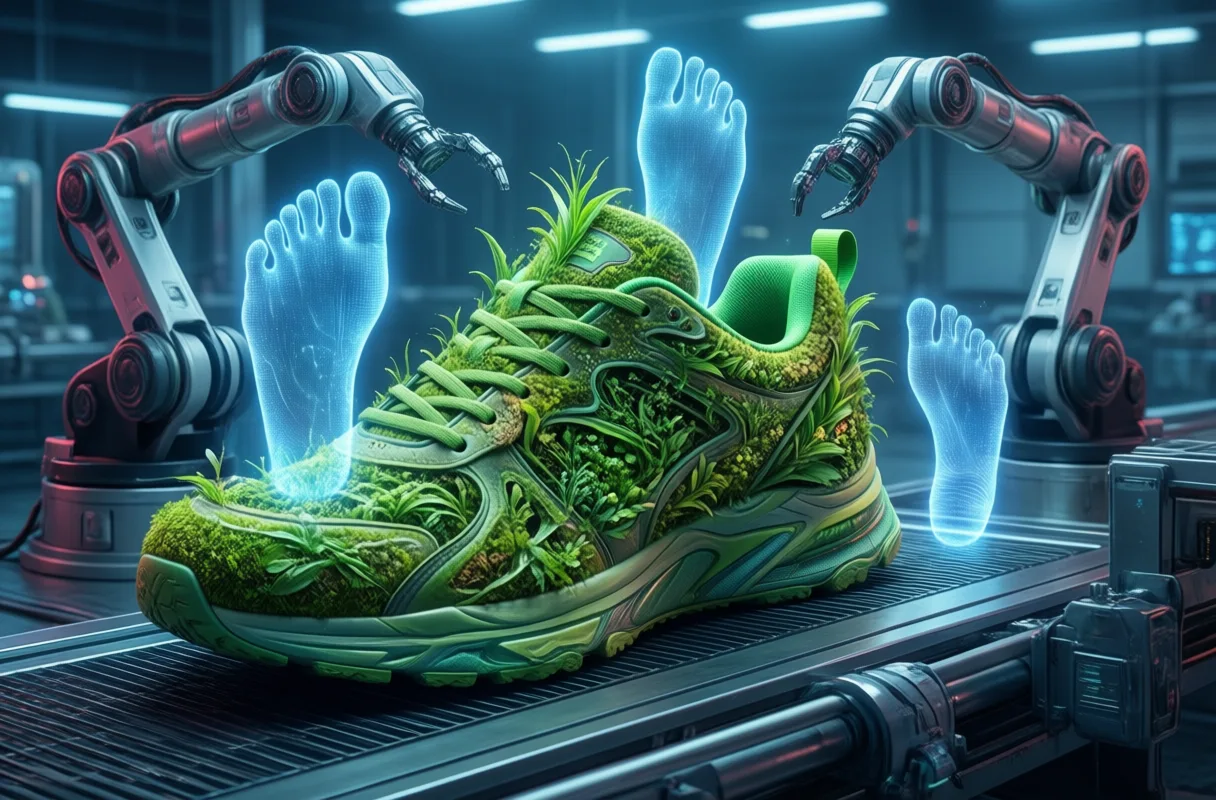
7 Foot-Shaped Shoes That Prioritize Natural Comfort and Fit
1. Altra Escalante – Balanced Cushioning with a Wide Forefoot
The Altra Escalante offers a harmonious blend of cushioning and room, featuring a foot-shaped platform that respects the natural width of the forefoot. Its balanced cushioning promotes an even heel-to-toe transition, avoiding the exaggerated drops common in traditional running shoes. Lightweight and responsive, it supports dynamic movement without isolating the foot from the ground.
2. Vivobarefoot Primus Lite – Minimalist Design for Ground Feel
Built for those seeking maximum sensory feedback, the Vivobarefoot Primus Lite uses ultra-thin, puncture-resistant soles to bring wearers closer to the earth. The upper follows the contours of a relaxed foot, allowing full splay and independent toe movement. Ideal for strengthening exercises or short-distance runs, it emphasizes form over padding.
3. Xero Shoes Z-Trail – Flexible Sole and Spacious Toe Box
With a sole that bends freely at every point of flexion, the Z-Trail mimics barefoot motion while offering protection from rough surfaces. The wide toe box ensures toes remain unrestricted, encouraging natural alignment even during prolonged use. Its lightweight build makes it suitable for hiking, trail running, or daily walks.
4. Topo Athletic Magnifly – Anatomical Fit with a Roomy Toe
The Magnifly stands out for its anatomically contoured interior, shaped to accommodate the foot’s natural expansion during activity. Unlike shoes that force a tapered profile, it maintains consistent width through the forefoot, supporting efficient toe-off mechanics. The moderate stack height balances protection with awareness.
5. Merrell Trail Glove – Barefoot-Inspired Fit for Trail Lovers
Engineered for rugged terrain, the Trail Glove delivers durability without sacrificing flexibility. Each toe has space to move independently, enhancing grip and balance on uneven ground. The zero-drop platform aligns the body neutrally, promoting posture that reduces strain on joints.
6. NAUtilious Newport – Zero Drop and Natural Foot Contour
Simple in design yet profound in effect, the Newport adheres to the principle that less can be more. Its flat profile and broad base encourage proper weight distribution, while the soft yet resilient sole responds to natural foot motion. Suitable for casual wear or light exercise, it exemplifies functional minimalism.
7. Ahinsa Runna – Vegan Option Built for Natural Foot Shape
Crafted entirely from plant-based and recycled materials, the Runna proves sustainability and biomechanical integrity can coexist. The toe box follows the true shape of the foot, enabling splay and stabilization without synthetic constraints. For ethically minded athletes, it represents progress on multiple fronts.
Why Flexibility Matters as Much as Width
Width alone isn’t enough-if the sole resists bending, the foot cannot function as intended. A rigid midsole disrupts the windlass mechanism, the biomechanical process by which the plantar fascia tightens during toe-off, storing and releasing energy efficiently. Without this elastic rebound, each step demands more muscular effort, accelerating fatigue.
Flexible soles restore rhythm to locomotion, allowing the foot to fold naturally at the metatarsophalangeal joints. This motion isn’t trivial-it’s central to shock absorption and forward momentum. When shoes prevent it, we lose not just Comfort, but metabolic efficiency.
Moreover, flexibility enhances adaptability. On varied terrain, a pliable sole conforms to surfaces, improving traction and reducing injury risk. It transforms the shoe from a barrier into an extension-an interface that amplifies rather than muffles input.
How Sole Design Influences Your Gait and Comfort
Sole thickness, or stack height, determines how much information reaches the foot from the ground. Thickly cushioned shoes may feel soft initially, but they dampen vital sensory signals needed for balance and coordination. Over time, this reduced feedback can lead to clumsier movements and increased fall risk, especially on unstable surfaces.
Conversely, thinner soles enhance proprioception, sharpening the nervous system’s awareness of position and pressure. This heightened sensitivity enables quicker adjustments, smoother landings, and better overall control. It’s not about eliminating cushioning altogether, but restoring equilibrium between protection and perception.
Heel elevation is another critical variable. Elevated heels shift center of mass forward, increase knee flexion, and shorten the Achilles tendon over time. By contrast, zero-drop shoes promote spinal alignment and engage posterior chain muscles more fully, fostering a gait that’s both powerful and sustainable.
Breaking the Mold: Letting Feet Move the Way They’re Meant To
To wear foot-shaped shoes is to participate in a quiet reclamation-an assertion that biology deserves respect, even in an age of synthetic innovation. It’s not nostalgia for barefoot life, nor rejection of technology, but integration: using science to return to form, not escape it.
As wearers rediscover strength, balance, and ease in movement, a broader shift becomes possible-one where health isn’t outsourced to gadgets, but cultivated through intelligent design rooted in human truth. The foot, long overlooked, emerges not as a problem to be solved, but a blueprint to be followed.
Perhaps the most revolutionary act isn’t changing our bodies to fit our tools, but reshaping our tools to honor our bodies. In every step taken with intention, space, and freedom, we move closer to that future.
| Shoe Model | Toe Box | Heel Drop | Sole Flexibility |
|---|---|---|---|
| Altra Escalante | Wide forefoot | Balanced cushioning | Flexible |
| Vivobarefoot Primus Lite | Spacious, follows relaxed foot | Minimal | Highly flexible |
| Xero Shoes Z-Trail | Wide, unrestricted | Zero | Flexible at every point |
| Topo Athletic Magnifly | Roomy, consistent width | Moderate stack | Flexible |
| Merrell Trail Glove | Allows independent toe movement | Zero | Flexible |
| NAUtilious Newport | Broad base | Zero | Soft, responsive |
| Ahinsa Runna | True foot shape, enables splay | Zero | Flexible |
Why Your Shoes Should Look More Like Your Feet
The Barefoot Blueprint
Turns out, the best blueprint for a comfortable shoe might be hiding in plain sight-your own foot. Most feet naturally splay out a bit when they hit the ground, especially up near the toes. Shoes that follow this shape, with a wider toe box, let your toes spread out like they’re meant to, which can help with balance and reduce pressure on joints. Think of it like giving your toes room to breathe after being squished all day.
Some of the most comfortable designs take cues from barefoot movement, supporting the foot’s natural roll from heel to toe without forcing it into a narrow or curved silhouette. This isn’t just about comfort-letting your foot move freely can strengthen muscles over time, kind of like how walking on uneven terrain keeps things engaged. You don’t need to go barefoot everywhere (though some people do), but choosing footwear that mimics that freedom makes a noticeable difference during long walks or busy days on your feet.
Interestingly, not all “wide” shoes are created equal. What matters most is how the width is distributed-especially up front where the toes sit. A shoe might claim extra width but still taper too soon, squeezing the ball of the foot. True foot-shaped styles keep that generous space all the way through the forefoot, letting each toe line up straight, not stacked or cramped. It’s a small detail that makes standing in line feel less like punishment. Explore more stories, videos, and creators on Loaded.
Frequently Asked Questions
What is a foot-shaped shoe?
A foot-shaped shoe mirrors the natural outline of the human foot when bearing weight, with a wide toe box that allows toes to lie flat and spread. It has no tapering or pinching and supports natural movement.
Why are narrow toe boxes a problem?
Narrow toe boxes force toes into unnatural alignment, restrict foot splay during stance, weaken intrinsic muscles, and can lead to bunions. They reduce stability and impair the foot’s natural spring-like function.
How does sole flexibility affect foot health?
Flexible soles allow the foot to bend naturally at the joints, supporting the windlass mechanism and efficient energy use. Rigid soles disrupt natural motion, increasing fatigue and reducing shock absorption.
What are the benefits of zero-drop shoes?
Zero-drop shoes promote neutral body alignment, engage posterior chain muscles, and support a natural gait. They reduce strain on joints and encourage proper weight distribution.
This article was produced with AI assistance. How Neuron Magazine uses AI.
Zahra explores the frontiers of human enhancement, from neural implants to gene editing, with a focus on ethical implications and lived experience. She blends scientific rigor with intimate storytelling to illuminate how technology reshapes identity and lifespan.