What happens when fashion collides with cultural defiance? When design doesn’t just follow trends but Ignites Them? Streetwear isn’t just clothing-it’s a language, and Footwear Is its loudest dialect.
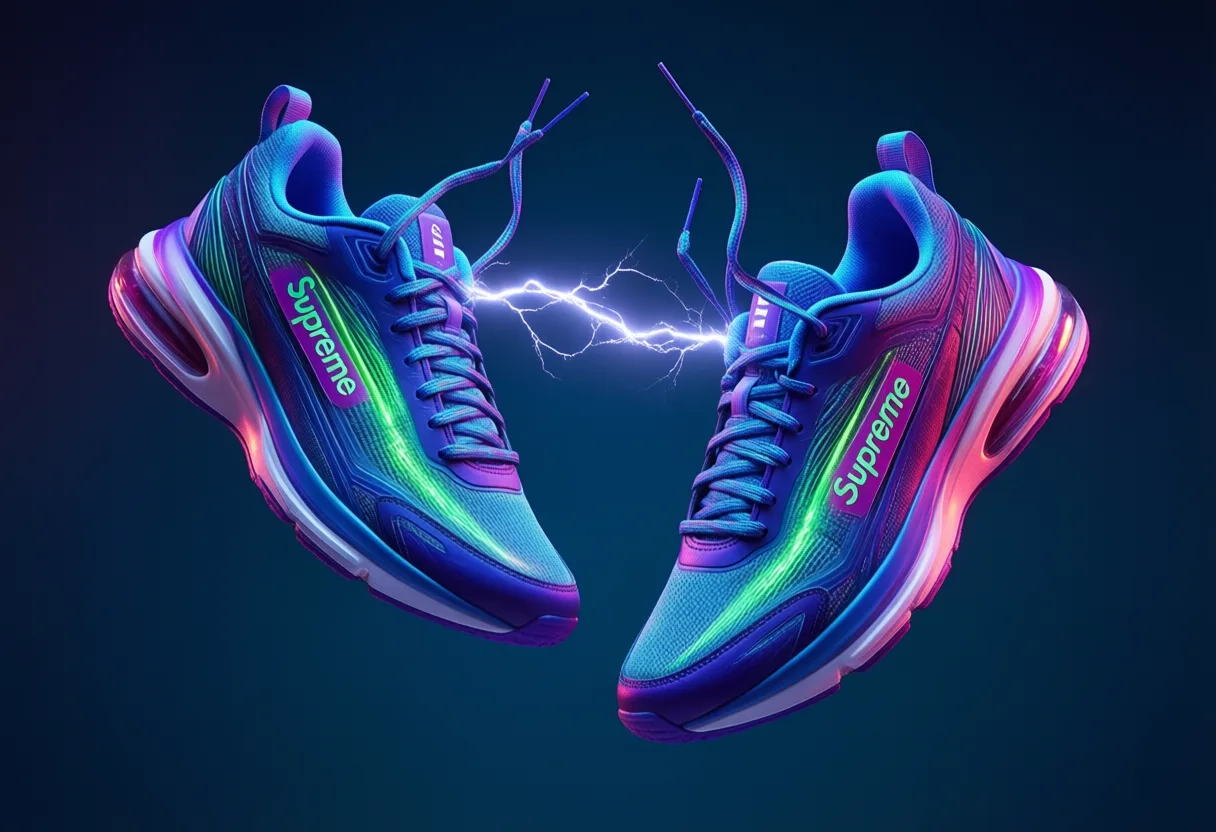
Supreme, long known for merging underground aesthetics with high-impact visuals, has consistently redefined what it means to wear attitude. Their Footwear line Doesn’t just complement an outfit-it Commands The room. These aren’t shoes built for comfort alone. They’re engineered for visibility, for identity, for statement.
In an era where personal expression moves at the speed of social media, Supreme’s approach to Design mirrors The urgency of a viral algorithm. Every release feels like a flashpoint. But how do they maintain relevance in a saturated market?
The Science of Streetwear: Design as Disruption
Fashion moves fast. But streetwear? It Explodes. Supreme’s Footwear Doesn’t play by seasonal cycles-it operates on cultural timing. Drop. Reaction. Resale. Repeat.
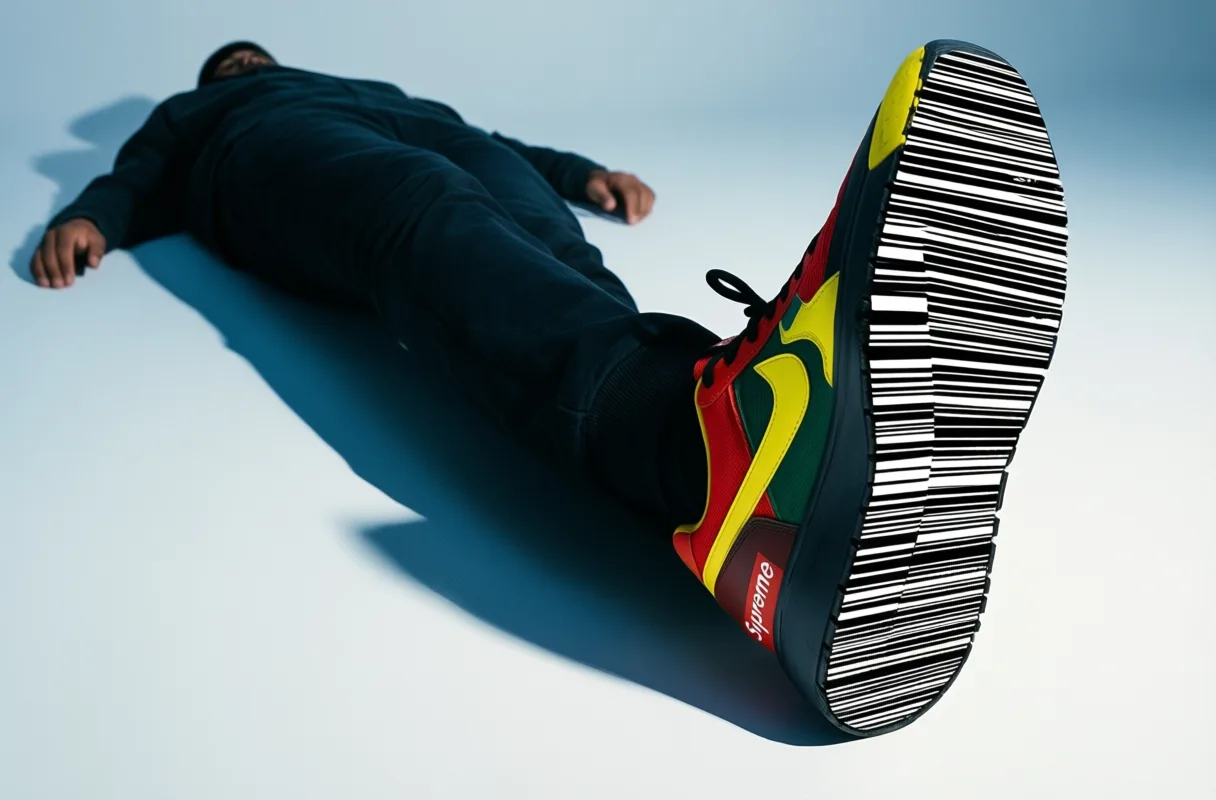
This isn’t accidental. It’s strategic. Each shoe release functions like a limited software update: exclusive, urgent, and instantly iconic. The design language speaks in bold graphics, unexpected materials, and collaborations that feel less like partnerships and more like cultural takeovers.
Think of it as behavioral engineering. Scarcity drives demand. Visual contrast ensures recognition. The shoe becomes a node in a larger network of identity, community, and digital clout.
- Limited runs create artificial urgency
- Signature box logos act as instant identifiers
- Materials often blend durability with aesthetic shock
It’s not just about looking different. It’s about Being Different-visibly, undeniably. In a world flooded with fast fashion, Supreme’s shoes resist invisibility.
And that’s the point. In urban environments where attention is the rarest currency, these designs don’t ask for a glance-they demand a double-take.
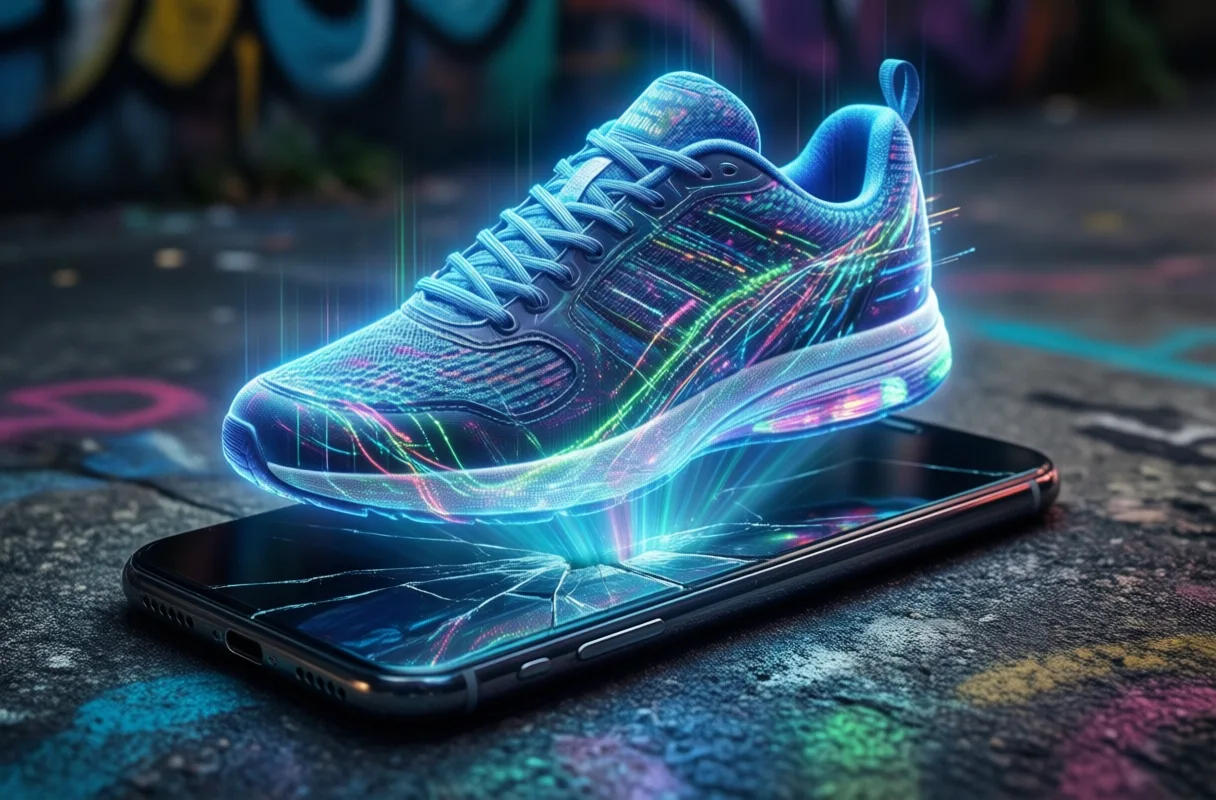
Engineering the Hype: How Culture Becomes Product
Can a shoe be a social signal? Absolutely. Supreme’s footwear operates like a badge of belonging. It’s not just what you’re wearing-it’s what you’re saying by wearing it.
The brand leverages what behavioral scientists call Tribal signaling. The red box logo isn’t just branding-it’s a flag. And in the digital age, that flag travels fast. A single photo on social media can amplify reach into the millions within hours.
This isn’t luck. It’s architecture. The product is designed to be Seen, shared, and scrutinized. Every texture, color block, and Material choice Is optimized for maximum visual impact in a 3-second scroll.
Consider the physics of influence:
- High-contrast designs increase shareability
- Limited availability triggers fear of missing out (FOMO)
- Celebrity and artist collaborations expand cultural reach
The result? A feedback loop where culture fuels product, and product fuels culture. The shoe stops being just footwear. It becomes a data point in a larger cultural algorithm.
And in that moment-when a pair drops, sells out in minutes, and appears resold at triple the price-the line between fashion and phenomenon vanishes.
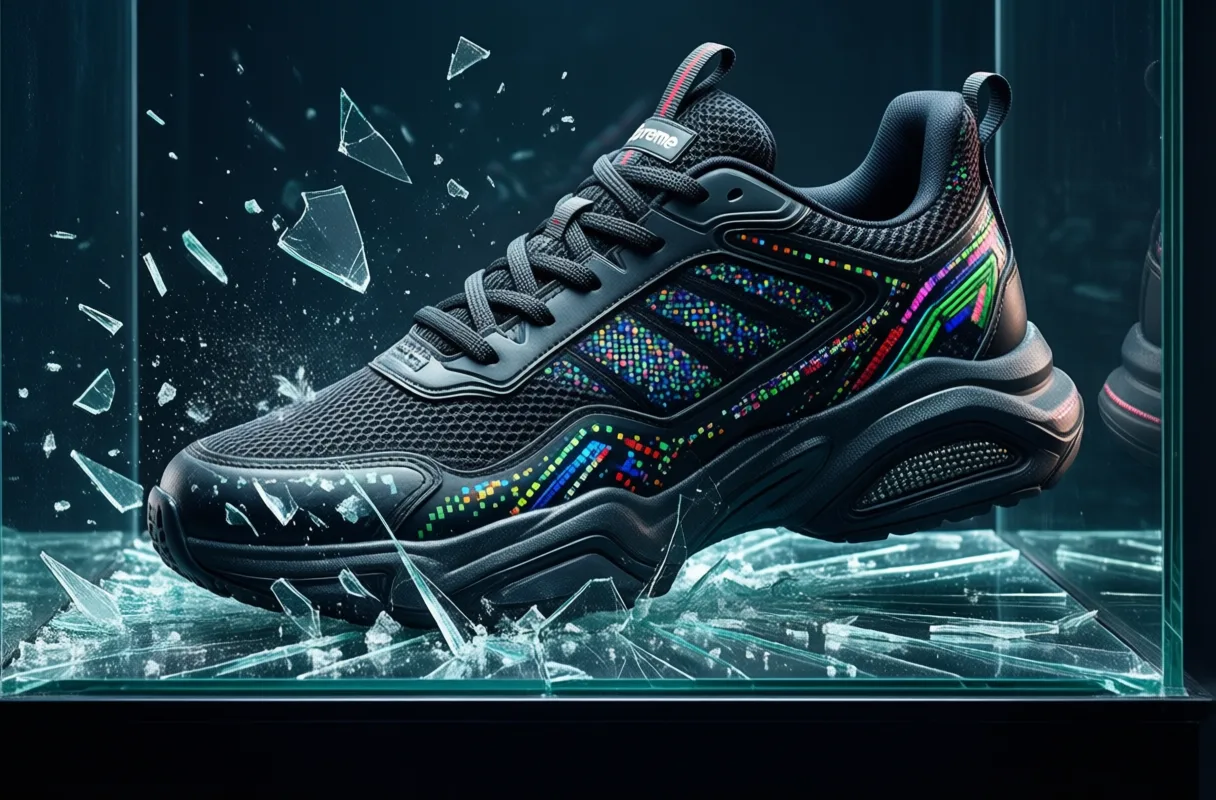
The Future of Footwear: Where Tech Meets Identity
What’s next? The intersection of physical design and digital presence is accelerating. Imagine shoes embedded with traceable authenticity chips. Or designs that evolve based on real-time social sentiment.
Supreme’s current models may not have sensors, but they function like smart devices-tracking cultural shifts through demand, resale value, and online engagement. The data is in the streets, not just the servers.
Future iterations could integrate augmented reality markers, allowing wearers to unlock digital content just by stepping into frame. The shoe becomes a portal, not just a product.
We’re moving toward Wearable intelligence-not in the sense of fitness tracking, but in identity broadcasting. Your footwear won’t just support your feet. It’ll represent your position in the cultural network.
This is where fashion, technology, and human behavior converge.
Where design isn’t just seen-it’s Calculated.
Where every step is a signal.
The future of streetwear isn’t just bold. It’s intelligent. And it’s already walking among us.
Sneakers with a Side of Subversion
The Logo That Started a Revolution
You’ve seen the red box. You’ve seen the bold white Futura Bold font. But here’s the twist-Supreme didn’t even make shoes at first. They opened as a small skate shop in New York City’s Lafayette Street in 1994, focused purely on board culture. The now-iconic logo? It was inspired by artist Barbara Kruger’s conceptual art, known for its bold, text-based visuals and social commentary. It wasn’t just branding-it was a statement, and it stuck. Over time, that same rebellious energy spilled into their footwear, turning simple silhouettes into cultural flashpoints.
When Skates Met Soles
Supreme’s first official foray into footwear didn’t come until years after their founding, but once they stepped in, they didn’t tiptoe. Instead, they leaned hard into collaborations-teaming up with giants like Nike, Converse, and Vans. Their Converse Chuck 70 collabs became instant grails, often selling out in seconds and resurfacing for hundreds or even thousands over retail. What made them stand out wasn’t just the logo slap; it was the limited drops, the bold colorways, and the undeniable street credibility that came with the brand’s cult following. A pair wasn’t just footwear-it was proof you were in the know.
More Than Just Hype
Here’s something most don’t think about: Supreme’s shoe success isn’t just about fashion. It’s rooted in community. From the beginning, the brand supported underground skate scenes, artists, and musicians-so when they released footwear, it felt earned, not manufactured. Early adopters weren’t just buying sneakers; they were buying into a lifestyle that valued authenticity over polish. Even today, spotting someone in a rare pair can feel like catching a secret handshake in motion-quiet, confident, and unmistakably part of something bigger. Explore more stories, videos, and creators on Loaded.
Frequently Asked Questions
What makes Supreme clothing shoes stand out in streetwear?
Supreme shoes are designed for visibility, identity, and statement, using bold graphics, unexpected materials, and limited releases. They command attention and resist invisibility in a fast-fashion world.
How does Supreme create demand for its footwear?
Supreme uses scarcity, limited drops, and high-contrast designs to drive demand. The brand also leverages celebrity collaborations and tribal signaling to amplify cultural relevance and social buzz.
What is the significance of the red box logo on Supreme shoes?
The red box logo with white Futura Bold font is a cultural flag inspired by artist Barbara Kruger’s work. It acts as an instant identifier and symbol of belonging within streetwear culture.
How did Supreme transition into footwear from its origins?
Supreme started as a skate shop on Lafayette Street in 1994 and later entered footwear through collaborations with brands like Converse, Nike, and Vans, turning each release into a cultural event.
This article was produced with AI assistance. How Neuron Magazine uses AI.
Malik dissects how artificial intelligence transforms decision-making in governments and corporations, tracking algorithmic power shifts and policy gaps. He writes with clarity and urgency, making high-stakes tech strategy accessible without oversimplifying its risks.