
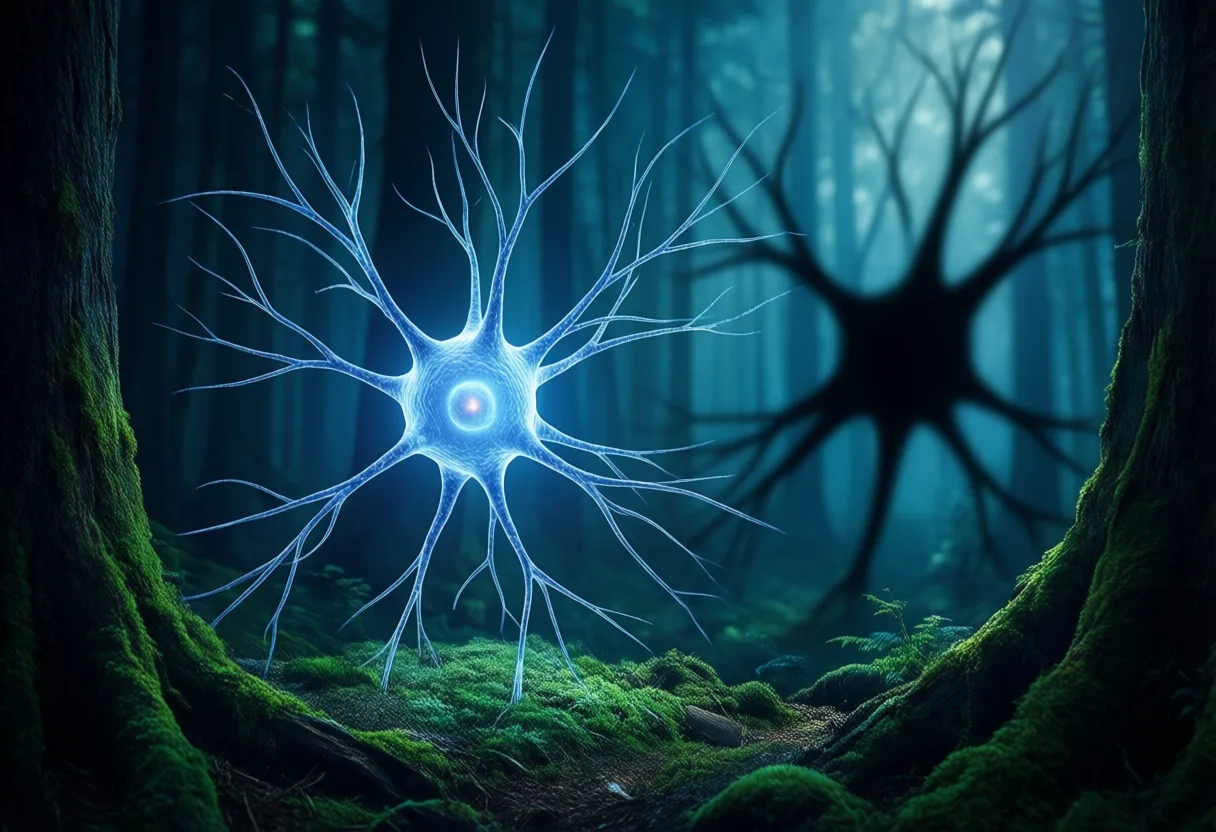
It starts with a tremor. Just a flicker in the hand, something you might brush off as fatigue or too much coffee. For millions living with Parkinson’s, that small sign is often the first whisper of a storm that builds slowly, quietly-years before a Diagnosis Ever comes.
Now, Science news Parkinson's coverage is shifting. The story isn’t just about managing symptoms anymore. It’s about catching the disease before it takes hold, long before the tremors become constant, before balance fails and speech softens into silence. And the most promising advances aren’t happening in operating rooms or pharmaceutical labs-they’re unfolding in algorithms, wearable sensors, and even the voice patterns we use every day.
The Problem With Waiting
Parkinson’s disease doesn’t announce itself with fanfare. It creeps in, one subtle change at a time. By the time most people see a neurologist, they’ve often lost up to 50% of the dopamine-producing neurons in their brain. That delay isn’t just frustrating-it’s irreversible.
We diagnose Parkinson’s the old-fashioned way: Through observation, patient history, and sometimes a trial of medication to see if symptoms improve. But that method depends on symptoms being obvious enough to notice. And by then, the train has already left the station.
- Diagnosis still relies heavily on clinical judgment.
- No definitive blood test or brain scan confirms Parkinson’s early.
- Misdiagnosis rates hover around 20–25% in the first year.
That’s why early detection isn’t just helpful-it’s essential. If we could identify Parkinson’s five, ten, even fifteen years earlier, we wouldn’t just be treating it differently. We might stop it.

The Signals Were There All Along
The human body broadcasts clues long before a formal diagnosis. The trick has always Been Knowing what to listen for-and how to listen closely enough.
Scientists are now training machine learning models to detect micro-changes in movement, speech, and even typing rhythms. One study tracked finger tapping on smartphones, looking for tiny delays and irregularities invisible to the naked eye. Another analyzed voice recordings, searching for subtle shifts in pitch, rhythm, and vocal fatigue.
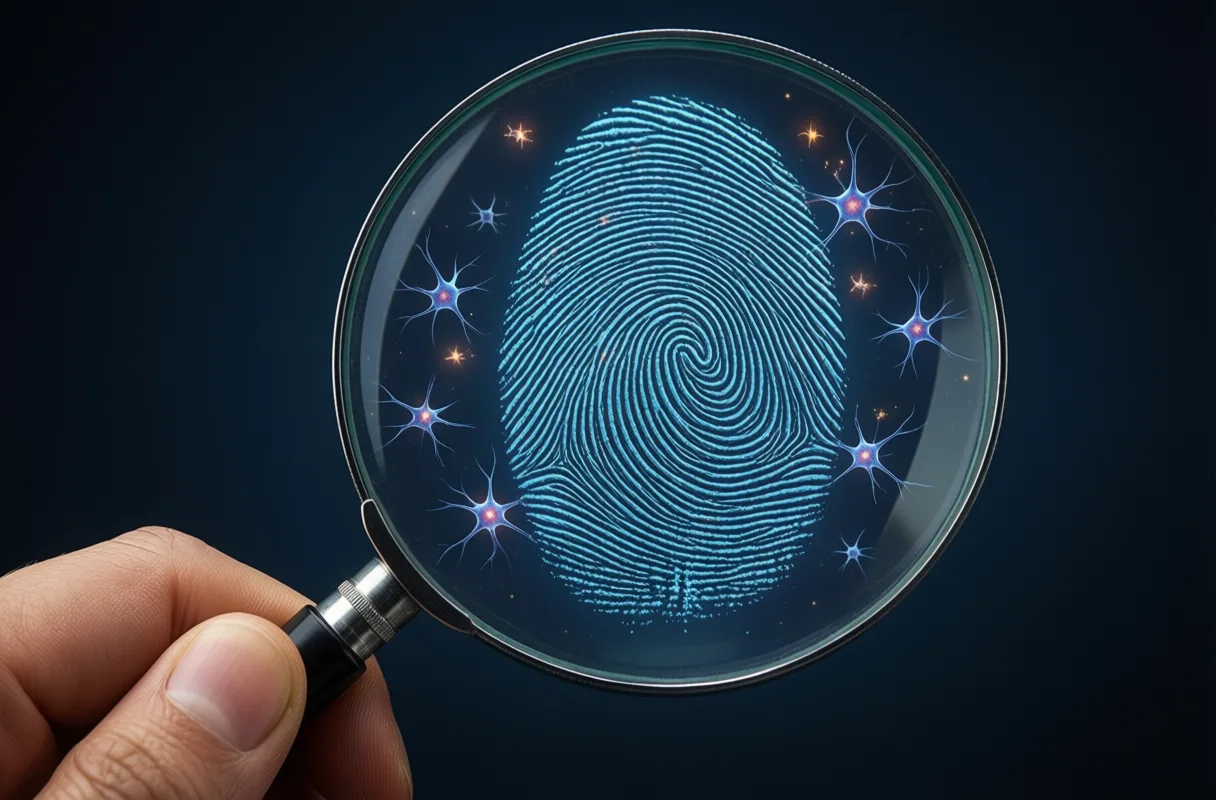
These aren’t sci-fi prototypes. Some are already embedded in apps, quietly gathering data from thousands of Users-people who don’t yet know they’re at risk. The goal? To build a digital fingerprint of Parkinson’s long before the first tremor makes headlines in their own lives.
- Wearable sensors track gait, balance, and micro-movements during daily activities.
- AI models analyze speech patterns for early vocal degradation.
- Smartphone keystroke dynamics reveal motor slowing before it’s clinically apparent.
One thing is becoming clear: the earliest signs of Parkinson’s aren’t always in the hands. They’re in the voice, the walk, the way we tap a screen. And now, we’re learning to read them.

A New Kind of Screening
Imagine a world where your annual checkup includes not just blood pressure and cholesterol-but a five-minute voice test, a quick finger-tapping game on a tablet, and a short walk down a clinic hallway monitored by invisible sensors.
That future is closer than we think. Researchers are developing tools that could be deployed in primary care offices, pharmacies, or even at home. These aren’t replacements for neurologists-they’re force multipliers, helping doctors spot risk earlier and intervene sooner.
The beauty of these tools is their simplicity. No invasive procedures. No expensive imaging. Just patterns in data, quietly revealing what the body already knows.
- Digital biomarkers can be collected frequently and non-invasively.
- Longitudinal tracking allows for personalized baselines.
- Early detection opens doors to neuroprotective therapies still in development.
This isn’t about replacing human expertise. It’s about giving doctors a heads-up. A chance to act before the window closes.
What This Means for Patients
For patients, early detection could change everything. Not just in terms of treatment, but in how they understand their own bodies.
Think about it: most of us don’t think about Parkinson’s until it’s too late. But what if you got a notification from your health app saying, “We’ve noticed slight changes in your movement patterns. Would you like to learn more?” That’s not surveillance. That’s empowerment.
And for researchers, earlier detection means better clinical trials. If you can enroll people in studies before significant neuron loss occurs, you stand a real chance of testing drugs that slow or stop progression-not just mask symptoms.
- Earlier intervention could delay onset by years.
- Patients gain time to make lifestyle changes that may influence disease course.
- Families get answers sooner, reducing diagnostic limbo.
The goal isn’t immortality. It’s agency. The chance to see the storm coming-and prepare.
The Road Ahead
None of this means we’ve cured Parkinson’s. Not yet. But the shift from reactive to proactive care is already underway.
Challenges remain: data privacy, access to technology, and ensuring these tools work across diverse populations. But the momentum is real. Every month, the algorithms get smarter, the sensors more sensitive, the signals clearer.
We’re not waiting for Parkinson’s to show up anymore. We’re learning to listen for its shadow.
And in that quiet listening-through a voice note, a walk, a tap on a screen-we may finally find the edge of a new beginning.
| Method | What It Detects | How It Works |
|---|---|---|
| Smell tests | Reduced sense of smell | Simple screening to flag at-risk individuals |
| Voice analysis | Subtle vocal changes | AI detects shifts in pitch, rhythm, and fatigue |
| Wearable sensors | Gait and balance changes | Tracks movement during daily activities |
| Smartphone tapping | Motor slowing | Analyzes finger-tapping speed and rhythm |
| Skin biopsy | Alpha-synuclein proteins | Detects abnormal proteins in nerve fibers under skin |
| Sleep monitoring | REM sleep behavior disorder | Tracks kicking, punching, or shouting during sleep |
A New Lens on Early Parkinson’s Detection
Beyond Tremors: The Nose Knows
You might not link your nose to brain health, but scientists have found that a reduced sense of smell often appears years before tremors or stiffness in Parkinson’s. This early clue has helped researchers rethink the timeline of the disease, shifting focus toward detecting changes long before major motor symptoms show up. In fact, some studies suggest smell tests could be a simple, low-cost way to flag people who might benefit from closer monitoring.
Sleep’s Surprising Signal
Another odd early hint? Acting out dreams. Some people later diagnosed with Parkinson’s report vividly kicking, punching, or shouting while asleep-often during REM sleep-years in advance. This condition, known as REM sleep behavior disorder (RBD), is now recognized as one of the strongest predictors of future Parkinson’s and related disorders. Tracking these nighttime episodes helps scientists identify at-risk individuals earlier than ever before.
The Skin Connection
Believe it or not, skin biopsies are stepping into the spotlight. Researchers have discovered abnormal proteins called alpha-synuclein in nerve fibers just beneath the skin’s surface in people with Parkinson’s-even in early stages. These tiny samples, taken with minimal discomfort, might one day offer a straightforward diagnostic tool, replacing more invasive or less precise methods. It's a quiet revolution happening just under the surface. Explore more stories, videos, and creators on Loaded.
Frequently Asked Questions
What are some early signs of Parkinson's disease that appear before tremors?
A reduced sense of smell, acting out dreams during REM sleep, and abnormal proteins in skin nerve fibers can appear years before tremors or stiffness.
How can technology help detect Parkinson's earlier?
Machine learning analyzes voice patterns, smartphone tapping, and wearable sensor data to detect subtle motor and vocal changes invisible to the naked eye.
Why is early detection of Parkinson's important?
Early detection allows for earlier intervention, better clinical trials, and the potential to slow or stop disease progression before significant neuron loss occurs.
Can Parkinson's be detected at home or in primary care settings?
Yes, simple tools like voice tests, finger-tapping games, and walk analysis with sensors could be used in clinics or at home for early screening.
This article was produced with AI assistance. How Neuron Magazine uses AI.
Saoirse investigates how automation, remote systems, and AI reshape labor, careers, and human purpose. She centers worker voices and cultural change, blending data with narrative depth to reveal what the future feels like on the ground.