

It’s cold in the mountains. Not just chilly-bone-deep, breath-stealing cold. The kind that makes you question every life choice that led you to a tent at 10,000 feet. And yet, nestled inside a Sleeping bag Lined with something new-something not from a goose, not from plastic-there’s warmth. Real, resilient warmth. So yes: has a new artificial substitute for down been created? In labs across the globe, quietly and without fanfare, the answer is beginning to tilt toward Yes.
This isn’t science fiction. It’s biochemistry meeting necessity. As Outdoor enthusiasts Demand performance without feathers-and as fashion brands face pressure to go truly sustainable-a quiet revolution has taken root. Not in factories, but in petri dishes. Not with synthetics, but with structures inspired by nature itself.
The Problem With Warmth
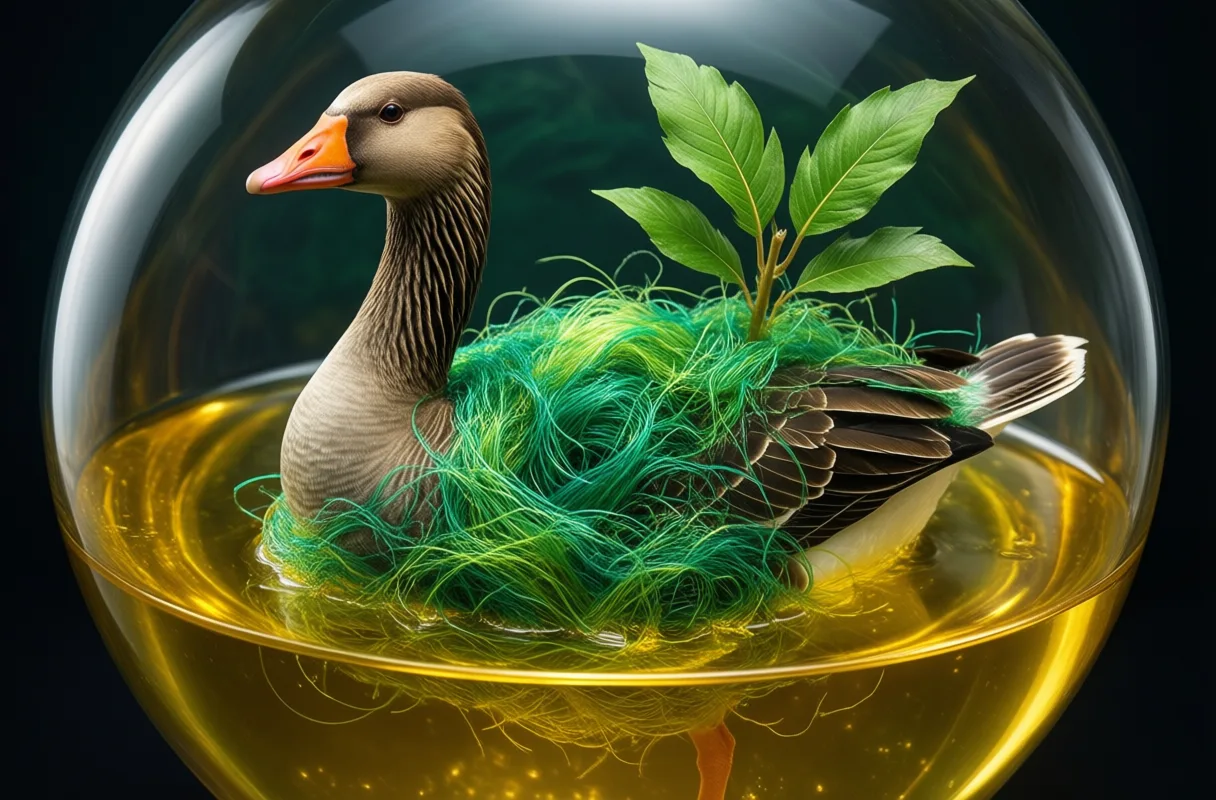
Down feathers have long ruled the insulation world. Light, compressible, and incredibly efficient at trapping heat, they’ve been the gold standard for jackets, sleeping bags, and Winter gear. But their dominance comes with ethical and environmental trade-offs. Many down products rely on live-plucking or sourcing from farms with questionable animal welfare practices. Even when labeled “responsibly sourced,” the supply chain remains murky.
Then there’s the environmental cost of synthetic alternatives. Most are derived from fossil fuels-polyester, nylon, and other petroleum-based materials that shed microplastics and take centuries to decompose. When washed, these fibers enter waterways. When discarded, they linger in landfills. We’ve traded animal harm for planetary harm-a swap no one really wanted.
And performance? Synthetics often fall short in extreme conditions. They lose loft when wet, gain weight over time, and lack the natural breathability of down. Hikers know this: a soaked jacket on a rainy summit is more burden than blessing. So the search continues-for something better, cleaner, smarter.

Nature-Inspired, Lab-Grown
Enter plant-based Insulation. Not cotton. Not bamboo viscose. Something entirely different. Scientists are now engineering materials that mimic the three-dimensional structure of down clusters-not by copying feathers, but by learning from how plants trap air in cellulose networks. These new insulations use renewable feedstocks like agricultural waste, algae, or fermented plant sugars to grow fibrous matrices that behave like down.
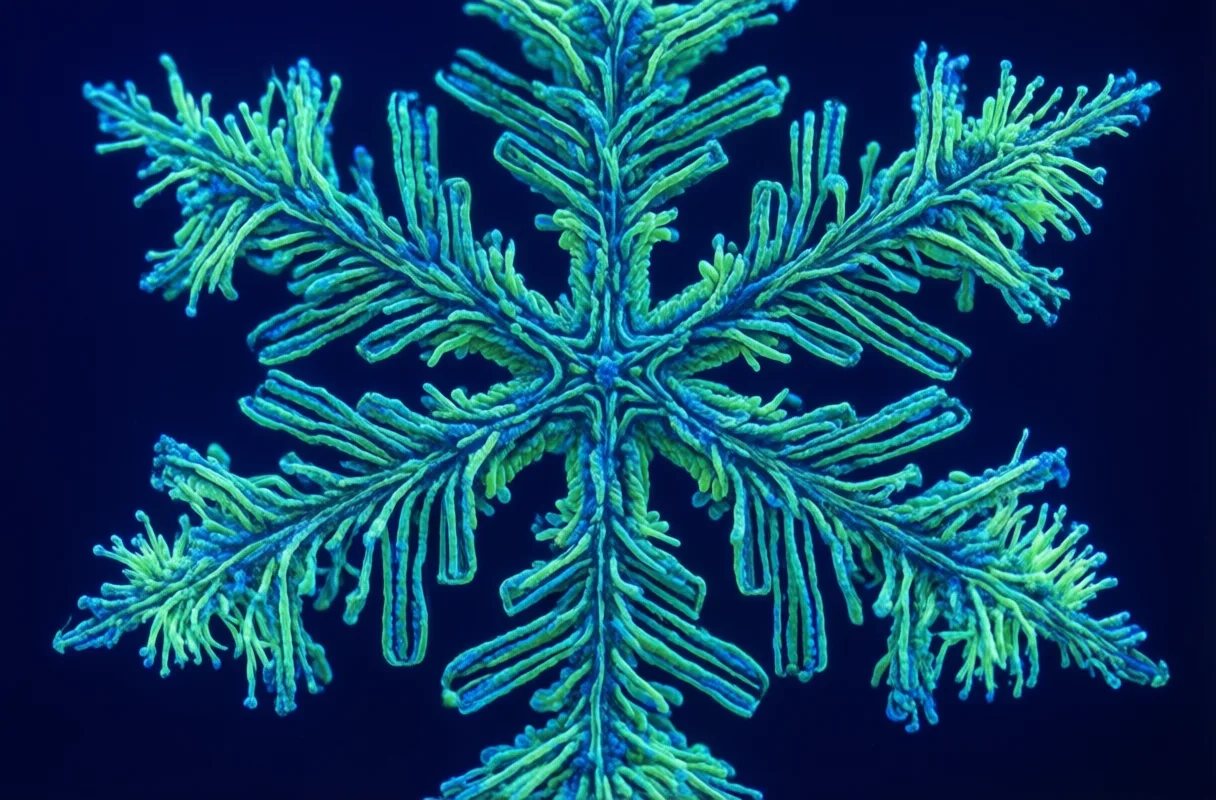
The process starts small. Microbial fermentation converts plant-derived sugars into biopolymers. These are spun into ultrafine, crimped fibers that puff up into lofty clusters. Under a microscope, they resemble snowflakes-delicate, branched, and full of tiny air pockets. Like down, they trap warm air. Unlike down, they don’t require animals. Unlike polyester, they’re designed to break down safely.
Early prototypes show promise. In controlled tests, some plant-based insulations match down’s warmth-to-weight ratio. They retain loft after compression. They resist moisture better than traditional synthetics. One Researcher Described it as “feathers grown without bones.” Another said, “We’re not replacing down. We’re reimagining warmth.”
From Lab to Land
Scaling this tech won’t be easy. Fermentation facilities aren’t cheap. Supply chains for plant feedstocks need to be built from scratch. And outdoor brands move cautiously-no company wants to launch a $300 jacket that collapses after two Winters. But momentum is growing.
Some startups are already partnering with apparel giants to test pilot runs. Others are focusing on niche markets-ultralight backpackers, arctic researchers, emergency responders-where performance and ethics matter equally. The feedback so far? Encouraging. Users report warmth comparable to 650-fill down, with less bulk and faster drying times.
Will it replace down overnight? No. But change rarely arrives with a bang. It seeps in. Through a jacket here. A sleeping bag there. The future of insulation isn’t about choosing between animals and oil-it’s about choosing neither. It’s about building materials that align with both performance and principle.
And maybe, just maybe, it’s about sleeping warmer on a mountain knowing your warmth didn’t come at someone else’s expense.
| Insulation Type | Source | Biodegradable | Moisture Resistance |
|---|---|---|---|
| Traditional Down | Feathers from geese | Yes | Loses loft when wet |
| Synthetic (Polyester) | Petroleum-based materials | No | Moderate, sheds microplastics |
| Plant-Based (Fermented Sugars) | Agricultural waste, algae, plant sugars | Yes | High, resists clumping |
| Kapok Fiber | Seeds of the kapok tree | Yes | Naturally water-resistant |
A Greener Fluff on the Horizon
From Leaves to Loft
Scientists have turned to unexpected plant sources in the quest to mimic down’s cozy warmth. One breakthrough taps into the fluff from kapok tree seeds, a lightweight, water-resistant fiber long used in life jackets and traditional bedding. Unlike cotton or synthetic fills, kapok traps air efficiently-thanks to its hollow structure-giving it natural loft and insulation without relying on animal products. This plant-based alternative is gaining traction not just for its performance, but for its low environmental footprint during growth and processing.
Nature’s Answer to Clumping
One downside of traditional down is its tendency to clump when wet, losing insulating power. Plant-based substitutes, especially those derived from cellulose fibers, are being engineered to resist moisture without chemical treatments. Some prototypes use a crimped fiber structure inspired by duck feathers, helping maintain puffiness even in damp conditions. These innovations mean jackets and sleeping bags could stay warm in rain or snow-without the ethical concerns tied to animal sourcing.
Beyond Warmth: A Breathable Future
New plant-based insulations aren’t just copying down-they’re improving on it in key ways. Many are fully biodegradable, breaking down in compost within months, unlike petroleum-based synthetics that linger for decades. Some versions even offer better breathability, reducing sweat buildup during active use. As brands explore blends of kapok, bamboo, and other natural fibers, the goal isn’t just warmth, but a smarter, more sustainable way to stay cozy-one that grows on trees. Explore more stories, videos, and creators on Loaded.
Frequently Asked Questions
What is the new plant-based insulation made from?
The new insulation is made from renewable feedstocks like agricultural waste, algae, or fermented plant sugars. These materials are engineered into fibrous matrices that mimic the structure of down.
How does plant-based insulation compare to traditional down in performance?
Early prototypes match down’s warmth-to-weight ratio, retain loft after compression, and resist moisture better than traditional synthetics. Some users report warmth comparable to 650-fill down.
Is the new insulation biodegradable?
Yes, many versions of the new plant-based insulation are fully biodegradable and can break down in compost within months, unlike petroleum-based synthetics.
Does this new insulation require animals or fossil fuels?
No, the insulation does not require animals or fossil fuels. It is grown using microbial fermentation of plant-derived sugars and avoids both animal harm and petroleum-based materials.
This article was produced with AI assistance. How Neuron Magazine uses AI.
Saoirse investigates how automation, remote systems, and AI reshape labor, careers, and human purpose. She centers worker voices and cultural change, blending data with narrative depth to reveal what the future feels like on the ground.