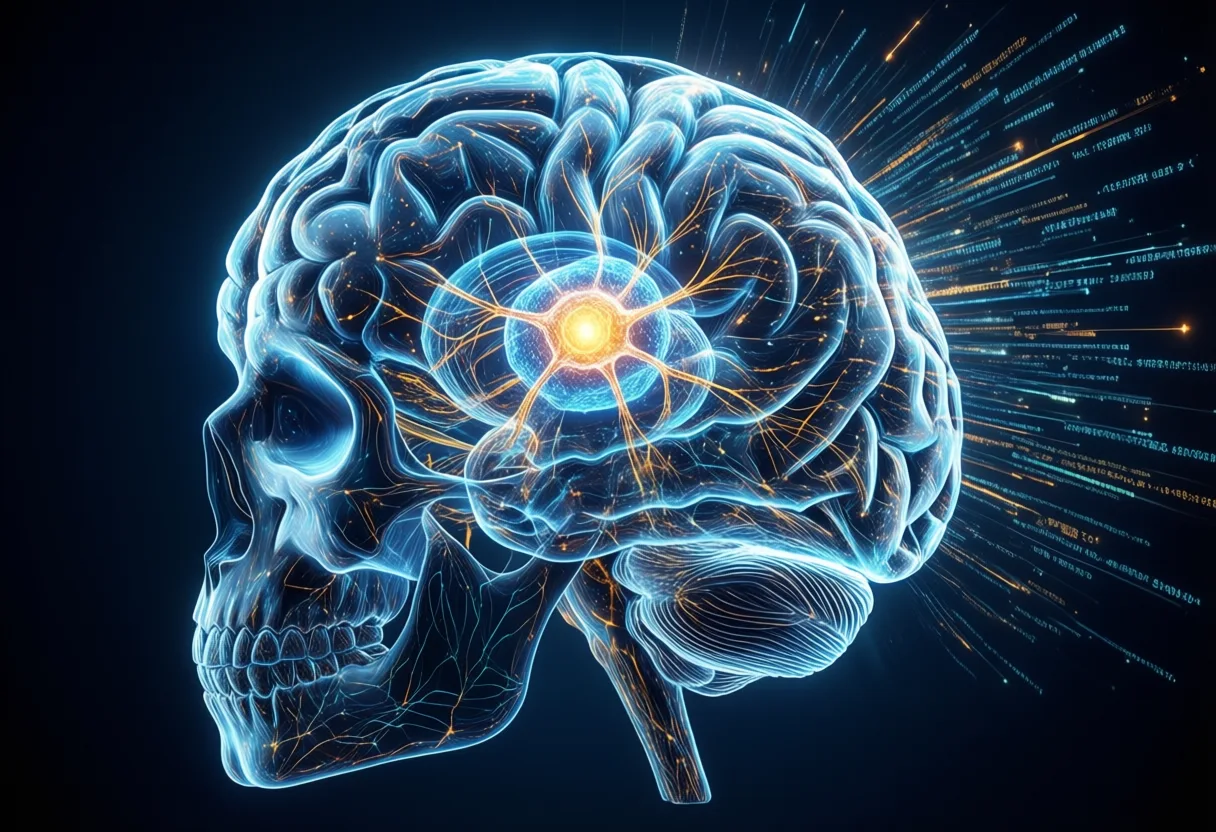

You’ve seen the headlines: Machines That write symphonies, robots that diagnose disease, algorithms that predict your next move before you do. Artificial Intelligence is no longer a sci-fi fantasy-it’s in our hospitals, homes, and hiring systems. But behind the dazzle, something quieter is happening: a shift from spectacle to substance.
We’re not living in the age of sentient machines. Not yet. What we Are Living in is an era of rapid calibration-where the real power of AI lies not in replacing humans, but in redefining how we work, decide, and create. This Artificial Intelligence Review isn’t about chasing breakthroughs. It’s about understanding what’s real, what’s ready, and what’s just noise.
How AI Is Reshaping Industries Across the Globe
From Assembly Lines to Diagnosis Rooms
AI isn’t waiting for permission to change the world. In manufacturing, systems now predict equipment failures before they happen, reducing downtime and saving millions. These aren’t sentient overseers-they’re pattern-recognizers trained on years of sensor data, whispering warnings like cautious sentinels.
Hospitals are using AI to streamline radiology workflows, flagging potential tumors in scans so doctors can focus on complex cases. It’s not about replacing radiologists. It’s about giving them time-time to consult, to explain, to care. One oncologist put it simply: “I don’t want a machine to take my job. I want it to take my paperwork.”
In agriculture, drones equipped with AI analyze crop health across thousands of acres, spotting signs of drought or disease invisible to the naked eye. Farmers are no longer just reading the land-they’re listening to it, in real time, through algorithms trained on satellite feeds and soil sensors.
The Quiet Revolution in Customer Experience
Call centers now use AI to transcribe and analyze conversations, not just to monitor performance but to catch frustration in a Customer’s tone Before the call escalates. The goal isn’t surveillance-it’s empathy at scale. One support agent told me, “It’s like having a co-pilot who notices when I’m about to swerve.”
Retailers deploy recommendation engines that go beyond “you bought this, so buy that.” They’re mapping subtle shifts in behavior-like a dip in purchase frequency or a change in browsing time-to predict life events. A sudden search for cribs and onesies might signal a pregnancy; a spike in travel gear could mean a relocation. None of it’s perfect. But it’s getting Closer.
Even creative fields are adapting. Musicians use AI to generate backing tracks, writers to refine drafts, designers to test layouts. The tools don’t create masterpieces. But they erase drudgery. One composer laughed: “I used to spend hours tuning harmonies. Now I argue with my laptop like it’s a stubborn bandmate.”
Logistics, Language, and the New Efficiency
Shipping and logistics have become a proving ground for AI-driven optimization. Route planning, warehouse robotics, and demand forecasting now run on models that learn from every delay, weather shift, and traffic jam. The result? Fewer trucks idling, fewer packages lost, fewer promises broken.
Language translation has crossed a threshold. Real-time interpreters powered by AI now handle multilingual meetings with startling accuracy. They still stumble on sarcasm and slang. But for a doctor explaining a diagnosis to a non-native speaker, or a refugee navigating legal aid, the gap between “good enough” and “life-changing” has narrowed.
These aren’t moonshots. They’re milestones-quiet, consistent, and increasingly woven into the fabric of daily operations. The revolution isn’t loud. It’s efficient. And it’s already here.
Beyond the Hype: Separating Real Progress from Overpromises
The Myth of Full Autonomy
We keep hearing about self-driving cars that will make drivers obsolete. But most systems on the Road today Aren’t driving themselves-they’re being driven By data, with humans on standby. Full autonomy remains a horizon, not a reality. The gap between “it works in Silicon Valley” and “it works in a snowstorm in Maine” is wider than the tech headlines admit.
Autonomous delivery bots? Cute. But they still get stuck on curbs, confused by construction zones, or mistaken for rogue scooters. One city official joked, “We’ve spent more time rescuing robots than regulating them.” The dream of driverless ubiquity is still tethered to real-world chaos.
Even in tightly controlled environments like warehouses, AI systems need constant tuning. They excel at repetition, not improvisation. When a box is crumpled or a label smudged, it’s often a human who steps in-quietly, invisibly, keeping the machine on track.
When AI Gets the Context Wrong
AI is brilliant at spotting patterns. But it doesn’t Understand Them. It can identify a cat in a photo with 99% accuracy, yet have no idea what a cat Is-how it purrs, why it knocks things over, or why your aunt insists hers is a spiritual advisor.
This lack of context leads to errors that seem absurd. A hiring tool trained on past resumes might downgrade applications from women’s colleges, not out of bias, but because the data reflects historical imbalances. An image generator might draw a surgeon in scrubs-then give them six fingers. The system knows what looks Common, not what is Correct.
And in high-stakes settings, those mistakes compound. A loan algorithm might deny credit based on zip code patterns, mistaking geography for risk. A predictive policing model might target neighborhoods already over-policed, reinforcing the very bias it claims to neutralize. The danger isn’t malice. It’s Blindness.
The Cost of the Illusion
We pay for these overpromises in trust. When AI fails quietly-when a resume slips through the cracks, when a diagnosis is delayed-it’s not always obvious. The harm is diffuse, cumulative, hard to trace.
Startups promising “AI that thinks like a human” raise millions, then collapse under the weight of their own claims. Investors lose money. Employees lose jobs. And the public loses faith-not in technology, but in the people selling it.
The real progress isn’t in grand claims. It’s in humility. In systems that say, “I’m not sure,” instead of guessing. In tools that flag uncertainty, not hide it. The most advanced AI isn’t the one that acts confident. It’s the one that knows its limits.

What Most Discussions Miss About AI Limitations
The Hidden Labor Behind the Curtain
Every AI that seems to run on magic runs on people. Thousands of workers-often invisible, often underpaid-label images, transcribe audio, and correct errors to train these systems. They’re the janitors of the digital mind, cleaning up the mess so the algorithm can shine.
One data annotator described it as “teaching a child who never sleeps but also never understands.” You show it the same thing a thousand times. It gets 999 right. On the thousandth and first, it draws a giraffe with three legs and calls it a chair. And you start again.
These workers rarely see the final product. They don’t know if their hours of tagging stop signs and crosswalks went into a self-driving car or a parking app. They just know the pay is low, the pace is fast, and the work is invisible.
Data Isn’t Neutral-It’s a Mirror
AI learns from data. But data isn’t objective. It’s a reflection of our world-flawed, uneven, often unjust. When an algorithm is trained on historical hiring data, it doesn’t see discrimination. It sees Patterns. And it repeats them.
A facial recognition system trained mostly on lighter skin tones will struggle with darker ones-not because of malice, but because of omission. A language model fed decades of news articles will absorb stereotypes about gender, race, and profession, then regurgitate them as fact.
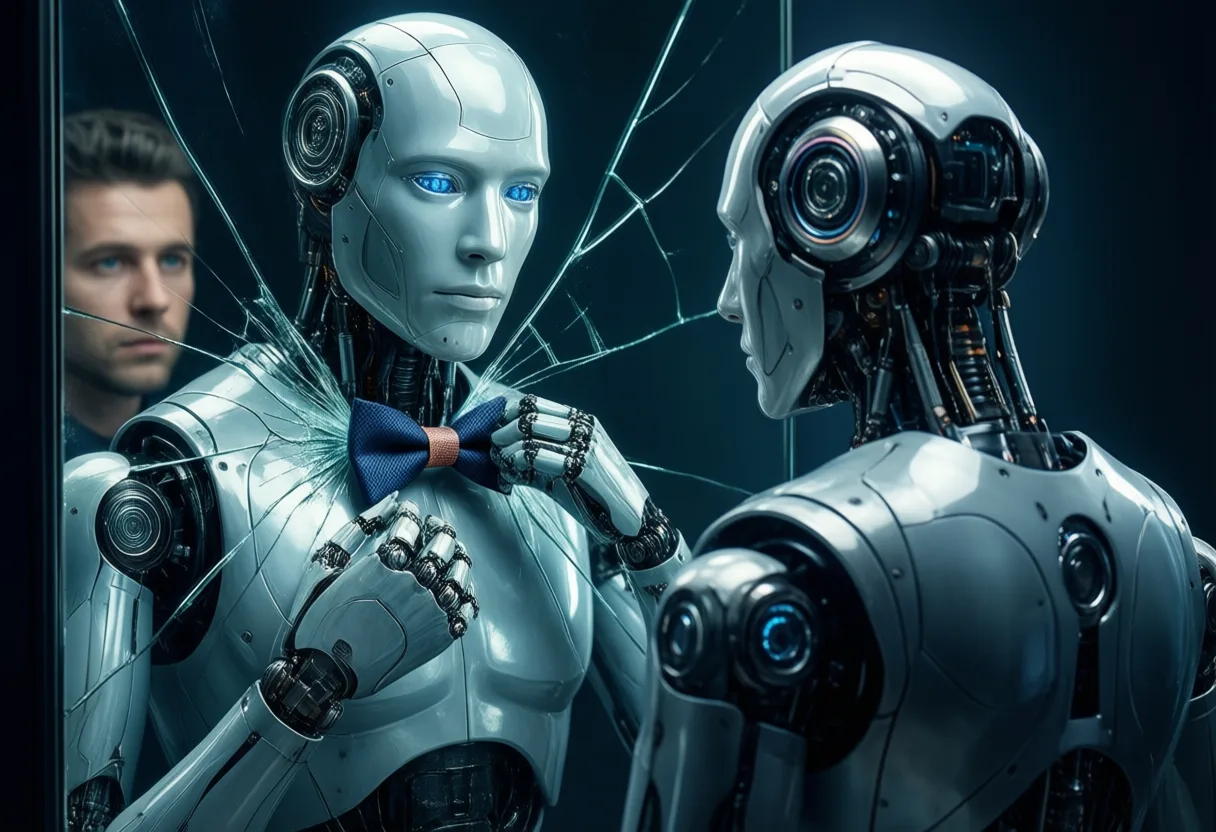
We act surprised when AI reflects our biases. But it’s not lying. It’s telling us the truth about what we’ve built, said, and recorded. The problem isn’t the mirror. It’s what we see in it.
The Energy Behind the Intelligence
AI doesn’t run on thin air. Large models require massive computing power, which means massive electricity use. Training a single model can emit as much carbon as five cars over their lifetimes. And that’s before it’s even deployed.
Data centers hum day and night, cooling systems working overtime to keep processors from overheating. The environmental cost is real, even if it’s out of sight. One engineer called it “the silent tax of intelligence”-a price paid in watts and water, not dollars.
Sustainable AI isn’t just about better algorithms. It’s about cleaner energy, smarter design, and the courage to ask: Do we need this? Not every problem requires a neural network. Sometimes a spreadsheet will do.
Practical Lessons for Businesses and Developers Today
Start Small, Scale Thoughtfully
The most successful AI projects don’t begin with moonshots. They begin with a single, specific problem: too many customer service tickets, too many missed maintenance windows, too many errors in data entry.
One hospital started by using AI to predict which patients were likely to miss appointments. Not cure cancer. Not replace doctors. Just reduce no-shows. The result? Fewer wasted slots, better care continuity, and a team that trusted the system because it Proved Itself.
Businesses should ask: What’s the smallest useful thing AI can do for us? Not what’s flashy. Not what’s futuristic. What’s Fixable? Solve that. Then solve the next thing.
Human-in-the-Loop Isn’t a Backup-It’s the Design
AI works best when it’s not alone. The most resilient systems are built with humans at their core-not as afterthoughts, but as essential partners.
In journalism, AI helps summarize press releases, but editors decide what’s newsworthy. In law, algorithms flag relevant case law, but lawyers interpret the nuance. The machine speeds up the grind. The human brings judgment.
This isn’t a limitation. It’s a feature. Systems designed to collaborate-where AI suggests and humans decide-are more accurate, more ethical, and more trusted.
Measure What Matters
Too many companies measure AI success by speed or cost savings. But the real metrics are subtler: Did decisions improve? Did bias decrease? Did employees feel supported, not replaced?
One retailer tracked not just sales from AI recommendations, but customer satisfaction. They found that pushing the “most likely to buy” item often annoyed shoppers. The winning strategy? Balance relevance with variety-like a good playlist, not a sales pitch.
Success isn’t just efficiency. It’s Experience. And that requires measuring more than just the bottom line.

The Road Ahead: Sustainable Innovation in Intelligent Systems
Building for Longevity, Not Virality
The future of AI isn’t about who launches the flashiest model. It’s about who builds the most responsible, reliable, and reusable one. The race isn’t to the front page. It’s to the field, to the clinic, to the factory floor.
Sustainable innovation means designing systems that can adapt, not just perform. That means modular architectures, transparent logic, and clear paths for correction. It means treating AI not as a product, but as a process.
The best systems aren’t the ones that win headlines. They’re the ones that keep working-quietly, consistently, for years.
Ethics as Infrastructure
Ethics can’t be a committee or a press release. It has to be baked into the code, the data, the design. That means defaulting to privacy, auditing for bias, and allowing users to understand and challenge decisions.
It also means saying no. No to projects that exploit, no to data collected without consent, no to applications that erode trust. Integrity isn’t a feature. It’s the foundation.
The companies that last won’t be the loudest. They’ll be the ones who build with care.
The Human Advantage Isn’t Going Anywhere
AI can mimic. It can optimize. It can scale. But it can’t care. It can’t wonder. It can’t look at a patient, a student, or a stranger and say, “I see you.”
That’s our domain. And as AI takes over more tasks, the human edge won’t shrink-it will sharpen. Empathy, creativity, moral reasoning-these aren’t outdated skills. They’re the new premium.
The future isn’t human versus machine. It’s human With Machine. And the most powerful systems will be the ones that remember who’s leading.
What You Might Not Know About AI Reviews
The Rise of the Machines (That Review Other Machines)
AI reviews aren't just about testing gadgets; they've become a fascinating mirror reflecting how quickly the technology itself is advancing. One quirky fact: some AI systems now review other AI models using synthetic data they generate themselves, essentially creating digital lab rats to test new algorithms. This self-referential loop speeds up development but also raises eyebrows about potential blind spots. Think of it like a chef taste-testing their own dish-convenient, but maybe not the most objective palate.
Humans Still Hold the Pen (For Now)
Despite the buzz, most in-depth AI reviews you read are still crafted by people, not bots. Writers use AI tools to summarize research or spot trends in mountains of data, but the final analysis, context, and storytelling usually come from human experts. It’s a partnership: AI handles the heavy lifting of information sorting, while humans provide judgment and nuance. You might not notice it, but that crisp explanation of a new machine learning breakthrough? Likely shaped by both a researcher’s paper and a writer’s coffee-fueled insight. Explore more stories, videos, and creators on Loaded.
Frequently Asked Questions
How is AI currently being used in healthcare?
AI is streamlining radiology workflows by flagging potential tumors in scans, giving doctors more time to focus on complex cases and patient care. It is also used to predict which patients are likely to miss appointments, reducing no-shows and improving care continuity.
What role do humans play in AI systems today?
Humans are essential partners in AI systems, providing judgment, nuance, and oversight. Workers label data to train AI, and professionals like doctors, lawyers, and editors make final decisions based on AI suggestions.
What are common limitations of AI technology?
AI excels at pattern recognition but lacks understanding of context, leading to errors like mislabeling images or reinforcing biases in hiring and lending. It also depends on large amounts of energy and human labor for training and maintenance.
How can businesses implement AI effectively?
Businesses should start with small, specific problems like reducing missed appointments or data entry errors. They should design systems that include human oversight, measure outcomes like decision quality and user satisfaction, and prioritize responsible, long-term use over flashy applications.
This article was produced with AI assistance. How Neuron Magazine uses AI.
Saoirse investigates how automation, remote systems, and AI reshape labor, careers, and human purpose. She centers worker voices and cultural change, blending data with narrative depth to reveal what the future feels like on the ground.