
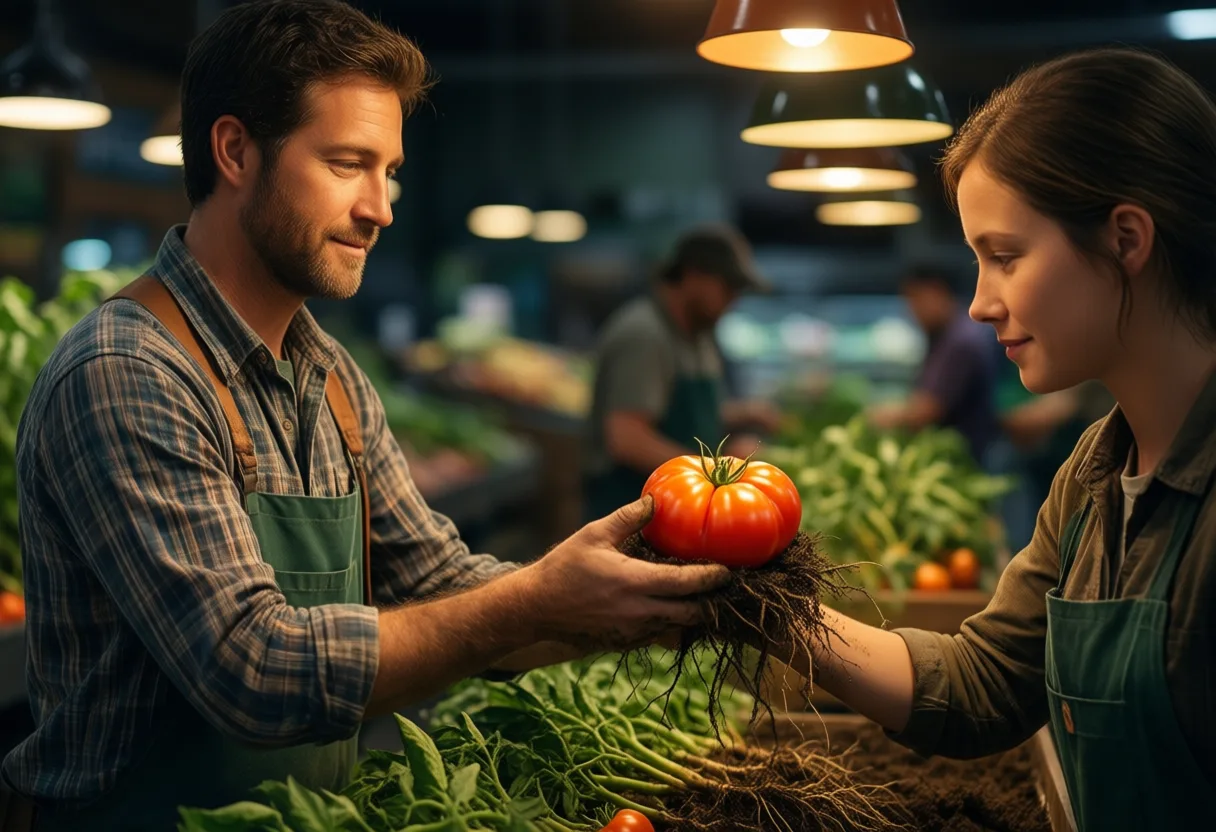
What Sets This Grocery Experience Apart?
You won’t find fluorescent lights buzzing overhead or aisles stacked with mystery-brand snacks here. Instead, the hum is softer-more like conversation than machinery. At this Grocery, the shelves carry more than food: they carry Intention, Community, and a quiet rebellion against the industrial grocery machine.
The experience begins before you even reach the produce. There’s a rhythm to the place-the coffee shop steaming oat milk lattes by 7 a.m., the salad bar already brimming with roasted sweet potatoes and kale massaged with lemon. Shoppers linger, not rush. They chat with staff who know their names, their dogs, their favorite brand of Local honey. It’s not curated convenience. It’s Human-scale retail, where every purchase feels like a small vote for something better.
And yes, the food is good-really good. Yelp reviewers consistently mention the Wide selection of produce, meats, cheeses, wines, and coffees. But what they return for isn’t just flavor. It’s the knowledge that the chicken was raised nearby, the coffee was roasted in-state, and the berries were picked that morning. This isn’t just shopping. It’s a Daily alignment of values and appetite.
The Roots of a Community-Driven Market
The story starts small-like most revolutions do. In the heart of Carrboro, tucked inside Carr Mill Mall, a different kind of grocery took root. Not backed by venture capital or corporate chains, but by people: neighbors, farmers, eaters, workers. This was the original market, a Worker- and consumer-owned cooperative Built on the idea that food should nourish more than bodies-it should nourish communities.
Ownership isn’t a distant boardroom decision here. It’s shared. Every member has a say. Every purchase strengthens local farms and fair wages. The model flips the script: instead of profits flowing upward, they circulate-back to farmers, back to staff, back to the soil. It’s not charity. It’s Economics with empathy baked in.
And the philosophy stuck. What began as one storefront became a network. Not through aggressive expansion, but through Invitation-inviting towns like Chapel Hill, Hillsborough, and Raleigh into a different way of doing food. A way where “local” isn’t a marketing buzzword, but a measurable commitment.
A Network of Neighborhood Locations
Today, the co-op lives in four North Carolina towns, each location woven into its Community’s fabric. In Carrboro, it’s rooted in the artsy pulse of Carr Mill Mall. In Chapel Hill, the Southern Village outpost opens at 7 a.m., serving students and families alike. Hillsborough hosts another node of the network, while downtown Raleigh brings the model to the state’s capital-right on West Hargett Street.
Each store shares the same core: Natural and organic food with a focus on local and fair trade products. But each also reflects its surroundings. The Chapel Hill location buzzes with weekday breakfast crowds. The Raleigh store anchors a revitalized downtown block. And in Hillsborough, the market feels like a town square with a produce section.
They’re not cookie-cutter clones. They’re Adaptations-same DNA, different expressions. And because they’re co-op owned, decisions about what to stock, how to hire, and where to donate happen locally. No top-down mandates. Just neighbors deciding what their neighborhood needs.
Why Local and Organic Matter Here
“Local” here isn’t a vague promise. It’s a practice. The co-op prioritizes what’s grown, baked, or crafted nearby-not just to reduce food miles, but to Strengthen regional resilience. When a farm down the road loses a season to drought, the market feels it. And responds.
Organic isn’t just a label on a sticker. It’s a refusal to accept soil depletion, pesticide drift, and corporate control of seeds. The shelves reflect a commitment to Farming that works with nature, not against it. That means fewer synthetic inputs, more biodiversity, and food that tastes like it grew in actual dirt.
And fair trade? That extends the ethics beyond state lines. It means coffee that supports smallholder farmers overseas, chocolate that doesn’t rely on exploited labor, tea that’s harvested with dignity. The co-op doesn’t just sell products. It Sells supply chain transparency-one jar of jam at a time.
Inside the Daily Marketplace: What to Expect
Walk in at 8 a.m., and you’ll see the hot food bar already stocked-quinoa bowls, braised greens, roasted root vegetables. By noon, it’s a steady line of office workers, parents with strollers, and retirees grabbing a plate and a seat. The Salad and hot food bar Is a hit, according to Yelp reviewers, and so is the in-house coffee shop, where baristas pour single-origin brews into reusable cups.
The grocery aisles are thoughtfully packed. Not overwhelming, not sparse. You’ll find Local, Game Changer, and Co-op produced products-a mix of hyper-regional gems and mission-driven brands that align with the co-op’s values. The meat counter highlights pasture-raised pork. The dairy case is full of regional cheeses. Even the wine selection leans toward small producers.
And there’s no pressure to be perfect. You won’t be judged for buying conventional bananas or a bag of cookies. The goal isn’t purity. It’s Progress-making better choices easier, more delicious, and more accessible every day.

How the Co-Op Structure Supports Transparency
Ownership matters. When both workers and consumers hold shares, the incentives shift. No one’s chasing quarterly profits. Instead, the focus is on Long-term health-of people, land, and community. That changes everything from pricing to packaging to payroll.
Because it’s a cooperative, decisions are made collectively. Staff have a voice. Members vote on big moves. And the books? They’re not locked in a vault. Financials are shared. Surplus is reinvested. There’s no secret shareholder class skimming returns. What you see is what you get.
This structure also makes sourcing more accountable. When a product doesn’t meet standards-whether environmental, ethical, or taste-related-it gets questioned. Removed, if needed. The co-op isn’t perfect, but it’s Built to correct itself, not hide behind fine print.
Finding Your Nearest Location
No need to drive across the state. The co-op has grown thoughtfully, with stores in Carrboro, Chapel Hill, Hillsborough, and Raleigh-each open seven days a week. Whether you’re commuting, running errands, or exploring a new town, there’s likely a location nearby.
The Carrboro original remains a favorite, nestled in the Carr Mill Mall. The Chapel Hill store at Southern Village opens at 7 a.m. And stays open until 10 p.m., with slightly shorter hours on weekends. In Raleigh, the downtown location at 404 W Hargett Street offers urban convenience with a community heartbeat.
And Hillsborough? It’s the quiet anchor of the network, proving that even smaller towns can sustain a grocery that values People over profit.

What Shoppers Consistently Rave About
They come for the food. They stay for the feeling. Reviewers on Yelp highlight the Wide selection of produce, meats, cheeses, wines, and coffees-but they also mention something harder to quantify: the Vibe.
It’s the barista who remembers your order. The staff who help you pick a cheese for your wine. The fact that the hot food bar changes daily, so you never get bored. One shopper said it felt like “the grocery store I always wished existed.” Another called it “a place where I can shop without guilt.”
But the most common refrain? “This is how food should feel.” Not transactional. Not exhausting. But alive, connected, meaningful.
Planning Your Visit: Hours and Accessibility
All locations are open daily, designed to fit real lives. The Southern Village store in Chapel Hill opens at 7 a.m. And closes at 10 p.m. On weekdays, with weekend hours running from 7 a.m. To 9 p.m. The Raleigh and Carrboro locations follow similar patterns-early starts, late finishes.
No appointment needed. No membership fee to shop-though anyone can become a voting owner with a small investment. Strollers, wheelchairs, and wagging tails (on leashes) are welcome. The aisles are wide, the lighting warm, the pace human.
And if you’re new? Staff won’t hover. But they’ll be there if you ask. Whether you’re wondering where the local honey is or how the co-op model works, someone will tell you-Not from a script, but from belief.
More Than a Store-A Community Hub
This isn’t just a place to buy groceries. It’s where farmers drop off CSA boxes. Where local artists display work on the walls. Where community groups meet after hours. The market hosts events, supports food drives, and donates space for town talks.
Kids get stickers at checkout. Seniors get discounts on certain days. And every purchase-every loaf of bread, every bunch of carrots-feeds a cycle of reinvestment. Not into stock prices, but into Soil health, living wages, and neighborhood trust.
It’s proof that another way is possible. Not someday. Not in a lab. But now, on Main Street, in the quiet act of choosing where to shop. Because when you walk out with a bag of groceries, you’re not just feeding yourself. You’re helping Weave a different kind of economy-one where the market works for everyone in it.
More Than Just a Grocery Store: Fun Facts About Your Local Co-op
A Co-op with a Difference
Not every grocery store lets its workers and customers own a piece of the business-Weaver Street Market does. It’s a true co-op, meaning both employees and shoppers can become member-owners, helping shape how the store runs. This model puts community values front and center, with a strong focus on local farms, fair trade, and organic choices. You’re not just buying groceries-you’re supporting a system built on shared responsibility.
Markets That Feel Like Home
With locations in Carrboro, Chapel Hill, Hillsborough, and Raleigh, there’s a good chance one is near you. The Carrboro spot lives in the historic Carr Mill Mall, a converted textile mill that’s now a hub for local shops and culture. Each store keeps that neighborhood vibe, offering more than just shelves of food. Inside, you’ll find a salad bar, hot food counter, and coffee shop-perfect for grabbing a quick, wholesome bite. Whether you're picking up local produce or a locally roasted coffee, it’s easy to taste the community pride in every bite.
Open When You Need It
Most grocery stores close early, but Weaver Street keeps going. The Chapel Hill location, for example, opens at 7 a.m. And stays open until 10 p.m. Every day-plenty of time to swing by after work or a late study session. With daily hours across all locations, it’s built to fit real life. And with a wide range of meats, cheeses, wines, and fresh goods, it’s a go-to spot for everything from weeknight dinners to weekend entertaining. Explore more stories, videos, and creators on Loaded.
Frequently Asked Questions
What makes Weaver Street Market different from regular grocery stores?
It operates as a worker- and consumer-owned cooperative, prioritizing community, local farms, fair trade, and organic products. The stores emphasize human-scale retail, where purchases support shared values.
Where are Weaver Street Market locations in North Carolina?
The market has four locations in Carrboro, Chapel Hill, Hillsborough, and Raleigh. Each is embedded in its local community and open seven days a week.
Do I need to be a member to shop at Weaver Street Market?
No membership fee is required to shop. Anyone can become a voting owner with a small investment, but all are welcome to purchase goods regardless of ownership status.
What do shoppers say about Weaver Street Market?
Yelp reviewers consistently praise the wide selection of produce, meats, cheeses, wines, and coffees. They also highlight the positive vibe, staff connections, and daily-changing hot food bar.
This article was produced with AI assistance. How Neuron Magazine uses AI.
Saoirse investigates how automation, remote systems, and AI reshape labor, careers, and human purpose. She centers worker voices and cultural change, blending data with narrative depth to reveal what the future feels like on the ground.