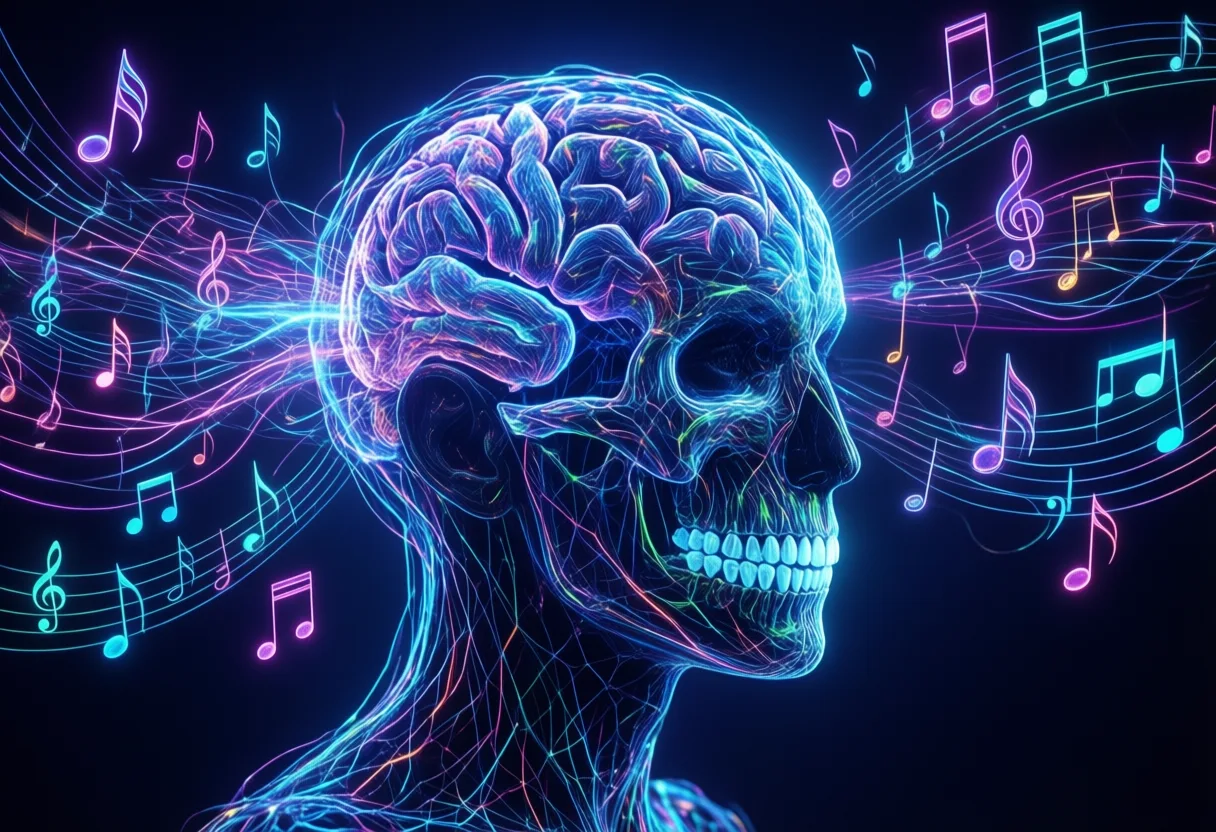
You’re not imagining it-your fingers Do Move faster during a boss battle in a Rhythm game. That split-second timing, the muscle memory building with every beat, isn’t just entertainment. It’s your brain quietly rewiring itself, one drum hit at a time.
I remember watching my cousin play a rhythm game at a family party, fingers flying across a controller like he was conducting a symphony only he could Hear. By the third song, even my aunt was tapping her foot. What looked like pure fun was actually a finely tuned workout for his motor skills, attention, and sense of timing.
And it’s not just kids or hardcore gamers who benefit. Rhythm games Have quietly become one of the most accessible forms of neuro-motor training available-no lab coat, prescription, or PhD required.
How Rhythm Games Train Your Brain
Rhythm games Demand precision. You don’t just press buttons-you press them In time. That requires your brain to process auditory cues, translate them into physical actions, and adjust in real time when you’re off by even a fraction of a second.
This kind of activity strengthens the connection between your auditory cortex and motor system. Every note hit reinforces neural pathways that govern timing and coordination. Over time, Players Often notice improvements in hand-eye coordination, reaction speed, and even focus during everyday tasks.
The brain loves patterns, and rhythm games serve them up in rapid succession. When you miss a beat, the feedback is immediate-no guessing whether you got it right. That instant correction helps the brain learn faster, much like how a musician Improves through Repetition and real-time feedback.
- Your brain synchronizes movement with sound, building timing accuracy.
- Mistakes are obvious, allowing for quick self-correction.
- Repeated play enhances muscle memory and fine motor control.
It’s not magic-it’s neuroscience in motion. And the best part? You don’t need to be a musician or athlete to benefit. You just need to show up, press play, and follow the beat.
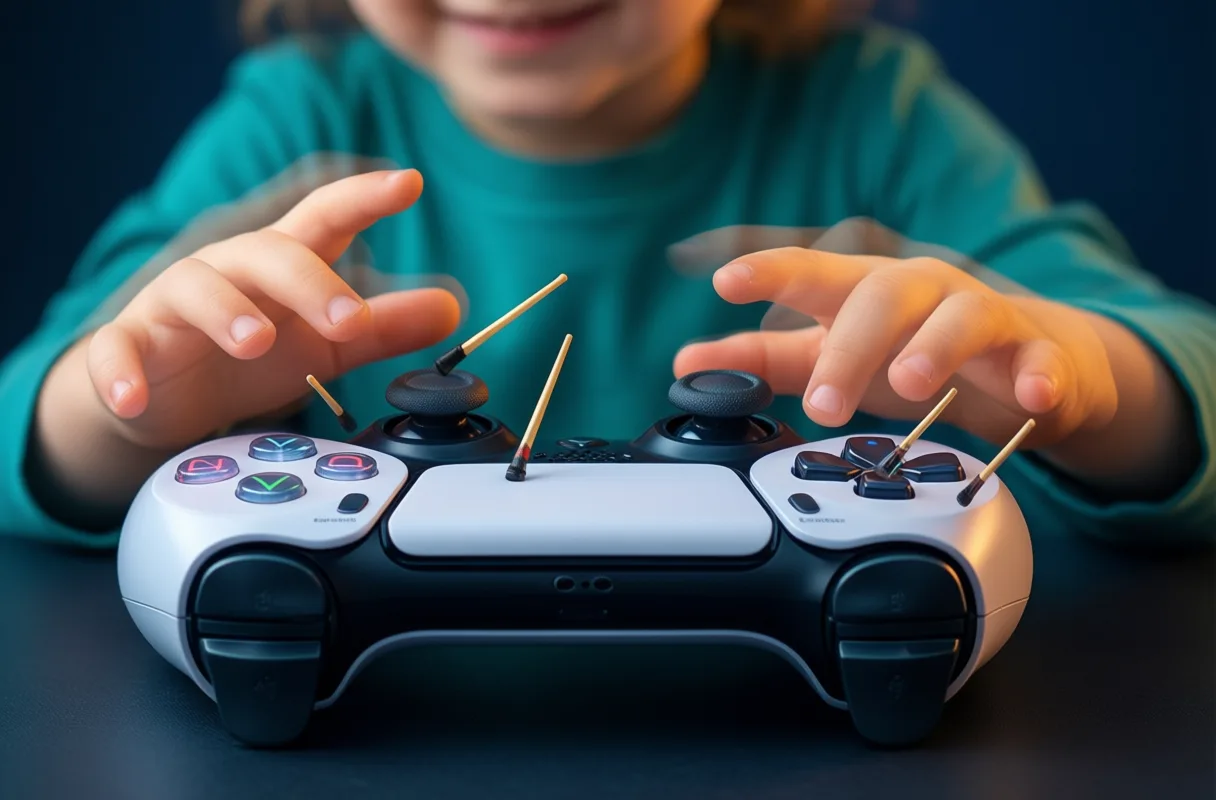
More Than Just a Game: Real-World Benefits
Think of rhythm games as stealth training for real-life skills. Surgeons, pilots, and musicians all rely on precise timing and coordination-abilities that rhythm games quietly reinforce. Even typing faster or catching a falling coffee mug can become easier with improved motor timing.
Some rehabilitation programs have begun exploring rhythm-based exercises for patients recovering from strokes or neurological injuries. The structured, repetitive nature of beat-matching tasks helps retrain motor function in a way that feels engaging, not exhausting.
Teachers have also noticed students becoming more attentive after short rhythm-based activities. The ability to follow a tempo improves listening skills and mental discipline-both crucial in classrooms and workplaces.
- Improved timing can enhance performance in sports and physical activities.
- Rhythm practice supports focus and reduces impulsivity.
- Players often report better stress management after gameplay sessions.
It’s not about becoming a pro gamer. It’s about using play to build resilience, precision, and presence-qualities that matter far beyond the screen.
Choosing the Right Game for Skill Development
Not all rhythm games are built the same. Some focus on rapid button presses, others on full-body movement or instrument simulation. The key is finding one that challenges you without overwhelming you.
Look for games that gradually increase in difficulty, giving your brain time to adapt. Titles that offer visual feedback-like color-coded lanes or timing indicators-help you understand your performance and adjust faster.
Consider the hardware, too. A game that uses motion controls will engage more of your body than one played with a standard controller. If you’re aiming for coordination, full-body or hand-intensive setups may offer deeper benefits.
- Match the game’s pace to your current skill level.
- Prioritize titles with adaptive difficulty and clear feedback.
- Experiment with different input methods-guitar controllers, dance pads, touchscreens.
The goal isn’t to max out your score on day one. It’s to create a sustainable practice that keeps your brain and body in sync-one beat at a time.
The Future of Play and Performance
We’re only beginning to understand how games can shape our physical and cognitive abilities. As virtual reality and motion tracking improve, rhythm games could become even more immersive and effective as training tools.
Imagine a future where physical therapy, music education, and professional training all include rhythm-based modules-because they’re not just fun, they’re functional. The line between play and practice is already blurring.
And as more research emerges, we may see rhythm games recommended not just for entertainment, but as part of wellness routines-like daily exercise for the mind.
The beat goes on. And so, quietly, does the progress.
Keep the Beat: Games That Sharpen Your Senses
More Than Just Dancing on Screen
Rhythm games do more than make you tap your toes-they actually help fine-tune your brain’s timing and coordination. When you hit notes in sync with the music, your brain strengthens connections between auditory processing and motor control, kind of like a real-time dance between your ears and your hands. Some of these games have been used in informal learning settings to help kids with motor skill development, simply because pressing buttons to the beat feels more like play than practice.
You might be surprised to learn that one of the earliest rhythm games didn’t even use a traditional controller. Instead, players stepped on a dance pad connected to a TV, turning living rooms into impromptu dance floors. That game sparked a global trend, with players of all ages trying to keep up with arrows scrolling across the screen. Even today, modern versions of that gameplay style are popular at parties and in fitness routines, proving that timing and movement can be as fun as they are functional.
Hidden Skills in Plain Sight
Believe it or not, playing rhythm games regularly can improve your reaction time-sometimes even more than traditional action games. Your brain gets better at predicting patterns, so over time, you’re not just reacting to what you see or hear, you’re staying one step ahead. That kind of mental agility doesn’t just help in games; it can make everyday tasks, like catching a ball or switching lanes in traffic, feel a little smoother. And because these games often use real songs, you might walk away with a new favorite tune stuck in your head-bonus points if you didn’t even notice you were learning. Explore more stories, videos, and creators on Loaded.
Frequently Asked Questions
How do rhythm games improve coordination?
Rhythm games strengthen the connection between the auditory cortex and motor system by requiring precise timing of physical actions to sound. This builds timing accuracy, muscle memory, and fine motor control through repetition and real-time feedback.
Can rhythm games help with real-world skills?
Yes, improved timing and coordination from rhythm games can enhance everyday tasks like typing, catching objects, or performing in sports. They also support focus, mental discipline, and reaction speed useful in classrooms and workplaces.
Are rhythm games used in rehabilitation?
Some rehabilitation programs use rhythm-based exercises to help patients recover motor function after strokes or neurological injuries. The repetitive, engaging nature of beat-matching tasks makes them effective for retraining movement.
What should I look for in a rhythm game for skill development?
Choose games with gradual difficulty progression, clear visual feedback, and input methods that match your goals-like dance pads or motion controls for full-body engagement. Adaptive difficulty helps sustain long-term improvement.
This article was produced with AI assistance. How Neuron Magazine uses AI.
Saoirse investigates how automation, remote systems, and AI reshape labor, careers, and human purpose. She centers worker voices and cultural change, blending data with narrative depth to reveal what the future feels like on the ground.