How Exploding Kittens Took Over Game Nights
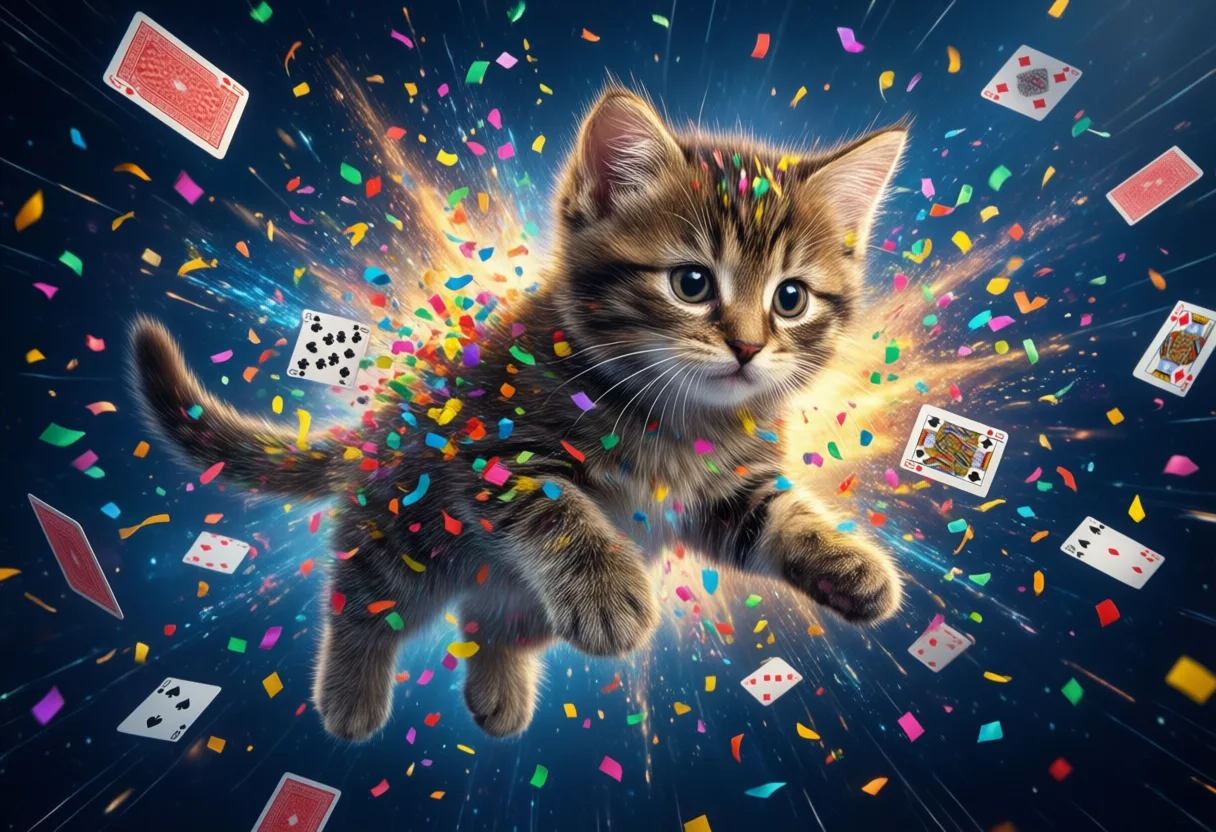
It arrived not with a roar, but with a meow-small, brightly illustrated cards tucked into a compact box that promised chaos, laughter, and sudden, explosive endings. Exploding Kittens Didn’t just enter the world of tabletop gaming; it detonated expectations, crowding shelves, igniting Kickstarter records, and infiltrating living rooms with the stealth of a defuser slipping into a tense round. What began as a subversive twist on Russian roulette with cartoon cats evolved into a cultural phenomenon, its blend of absurdity and strategy appealing to both Casual players And seasoned card-game veterans.
The Game’s rise Wasn’t fueled by corporate machinery but by word-of-mouth combustion-friends recounting narrow escapes, sudden betrayals, and the shared gasp when someone inevitably draws the fateful card. Its portability made it a travel staple, its humor disarmingly accessible, and its mechanics simple enough to teach in minutes yet layered enough to reward repeated plays. In an age where attention is fragmented and entertainment is often solitary, Exploding Kittens forged a rare kind of intimacy: A shared, high-stakes gamble where trust is currency and every draw could end everything.
This isn’t merely a Game About avoiding detonations. It’s a social experiment wrapped in pastel-colored art, where human behavior-bluffing, hesitation, alliance-building-becomes as crucial as the cards in hand. Around kitchen tables and at game conventions, it transformed strangers into conspirators, colleagues into rivals, and families into theatrical troupes performing the delicate dance of survival. The explosion, when it comes, is never just a loss-it’s a moment of collective release, a reminder that sometimes, losing is the most memorable kind of winning.
What Makes the Game So Addictive?
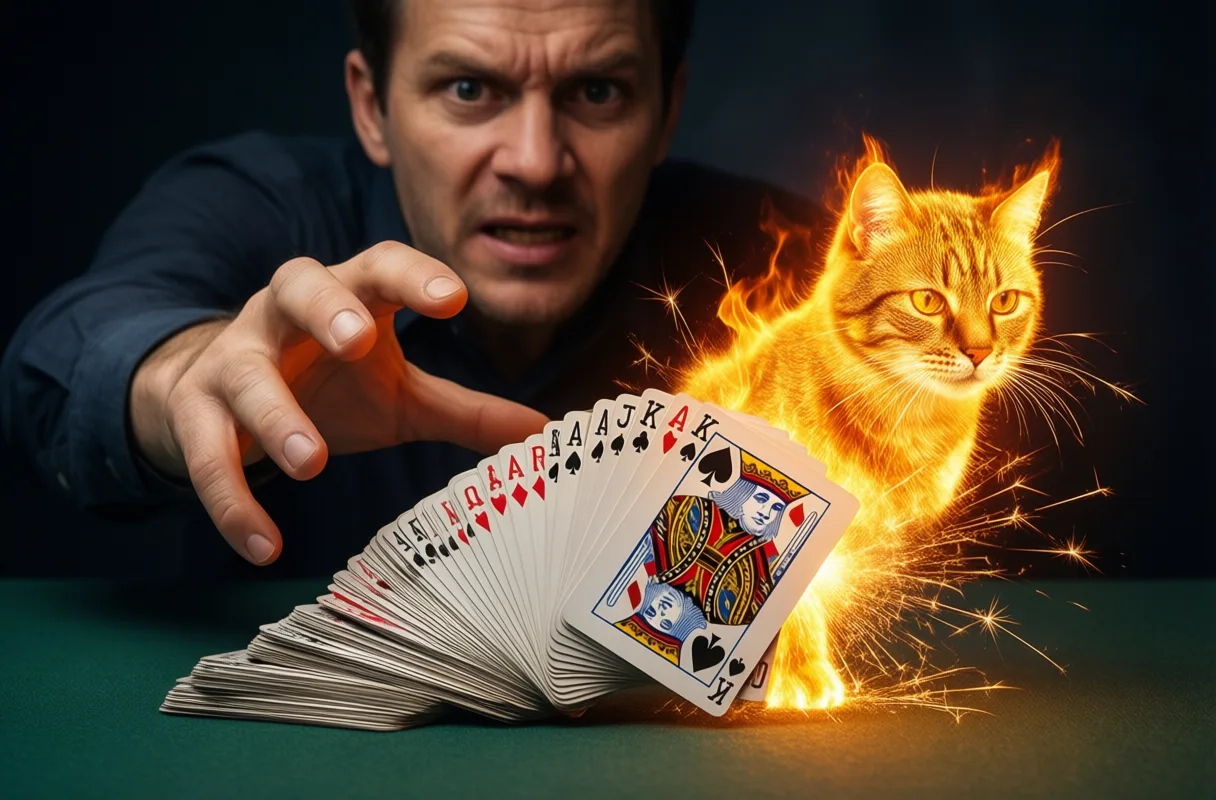
At its core, Exploding Kittens thrives on the tension between control and chaos-a psychological tightrope that mirrors the unpredictability of life itself. Each turn balances the illusion of agency against the inevitability of randomness, creating a rhythm that feels both fair and nerve-wracking. Players believe they can outthink the deck, even as they know, deep down, that fate holds the final card. This duality-strategy shadowed by chance-hooks the mind like a puzzle with no perfect solution.
The art style, whimsical and surreal, disarms players before the psychological warfare begins. Cute kittens, laser beams, and goats with envy-inducing beards soften the blow of betrayal, making even the most ruthless moves feel playful. Yet beneath the surface, a network of micro-decisions unfolds: when to play a Nope, who to target with a See the Future, whether to risk an extra draw. These choices accumulate, forming a narrative of suspicion and daring that shifts with every hand.
Humor acts as both lubricant and camouflage. Laughter erupts not just at the absurdity of the cards, but at the shared recognition of human folly-someone hoarding defuses, another bluffing with empty hands, a player eliminated mid-boast. The game doesn’t punish failure harshly; it celebrates it with theatrical flair. And because each round lasts only minutes, the urge to “go again” is almost involuntary, like the synaptic flicker of a reward loop fine-tuned by evolution. In a world saturated with digital stimulation, this analog burst of joy feels startlingly alive.
Breaking Down the Rules: From Setup to Survival
To begin, players remove the Exploding Kittens and Defuse cards from the deck, distributing one Defuse to each participant before shuffling the rest. The number of Exploding Kittens inserted back into the deck depends on the player count, ensuring the odds of detonation remain taut but not insurmountable. Once shuffled, the deck is placed in the center, and each player starts with a hand of cards drawn from the top.
On a turn, a player must complete two actions: first, Play any number of cards from their hand, then draw a card from the deck. Most cards have immediate effects-like Attack, which forces the next player to take two turns, or Skip, which allows a player to pass their next turn. See the Future lets a player peek at the top three cards, a small window into impending doom. But the critical rule looms: if a player draws an Exploding Kitten and cannot defuse it with a Defuse card, they are eliminated.
Defuse cards are the lifeline, the only salvation from sudden disintegration. Once played, they return the Exploding Kitten to the deck, which the player must then reshuffle-adding a new layer of uncertainty. The game continues in this rhythm-play, draw, survive-until only one player remains. The simplicity of the structure belies the depth of interaction; every card played alters the psychological landscape, every draw a potential end.
Strategies That Actually Work
Success in Exploding Kittens isn’t about hoarding power cards-it’s about Managing risk while manipulating perception. A player with too many Defuses may appear invincible, inviting targeted attacks, while one with an empty hand might be bluffing, waiting to exploit overconfidence. The most effective players stay unpredictable, using their moves to shape how others perceive their vulnerability.
One reliable tactic is to use the See the Future card early and often. Knowing the position of the next Exploding Kitten allows for precise timing-delaying draws, forcing opponents into danger, or safely playing high-risk cards. Pairing this with a well-timed Attack can push an unsuspecting player directly into the blast zone. Similarly, holding a Skip or two provides insurance, allowing a player to bypass a turn when the deck’s danger is high.
Bluffing is equally vital. Playing cards with exaggerated confidence-even when holding minimal defenses-can deter aggression. Conversely, feigning weakness may lure opponents into complacency, setting them up for a strategic Nope when they attempt to interfere. The best players aren’t those with the strongest hands, but those who control the flow of information. They listen to hesitation, watch for flinches, and exploit the silence between turns.
Common Mistakes Even Skilled Players Make
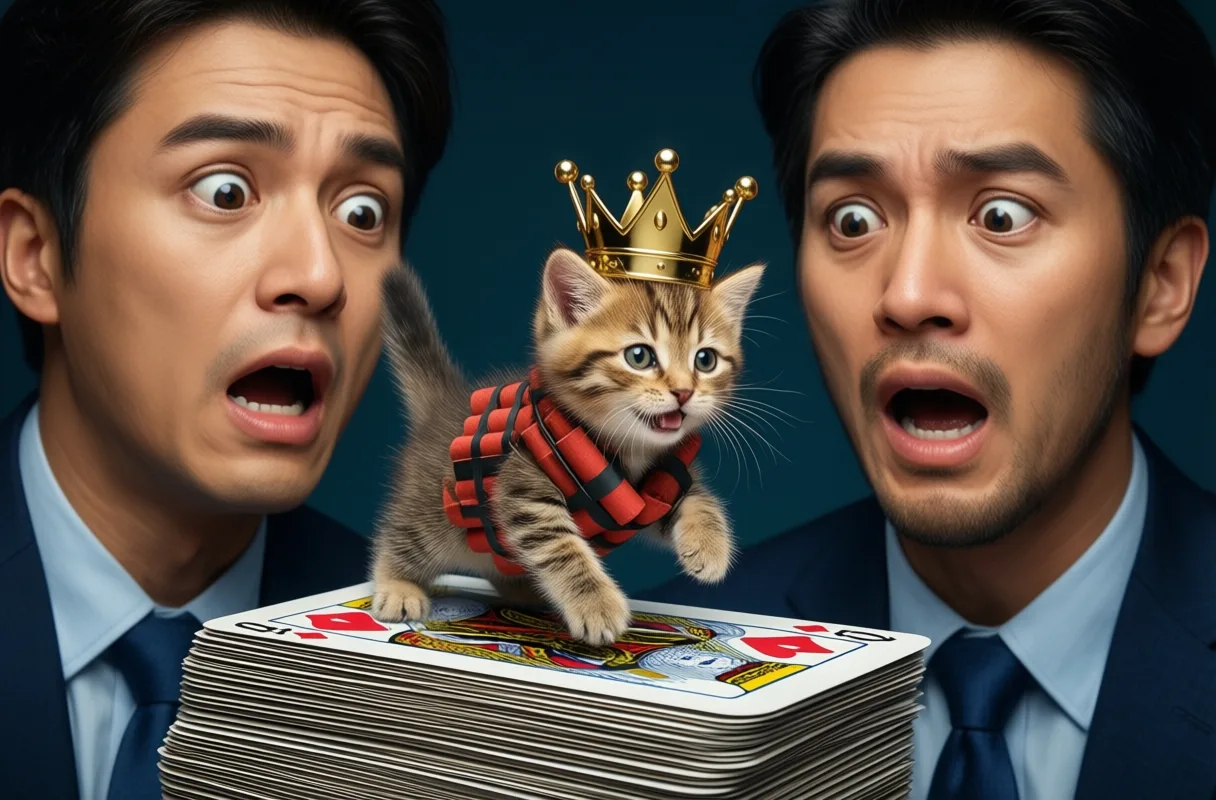
Even veterans of the game often fall into the trap of overplaying their hand, believing that aggression guarantees control. Cascading Attacks or repeated steals can backfire, drawing too much attention and painting a target on one’s back. The moment a player becomes the perceived threat, alliances form in silence, and Nopes accumulate in hidden hands, waiting to dismantle momentum with surgical precision.
Another frequent error is mismanaging the Defuse card. Some players use it at the first sign of danger, squandering their only lifeline too early. Others cling to it desperately, refusing to reshuffle the deck, which only delays the inevitable while surrendering strategic initiative. The optimal use balances survival with timing-defusing not just to live, but to dictate where the bomb reenters the deck.
Hoarding the See the Future card without acting on its intelligence is equally costly. Knowledge without action is noise. Players who peek at the top cards but fail to adjust their play-continuing to draw blindly or ignoring an imminent threat-waste one of the game’s most powerful tools. Awareness must translate into movement, or it becomes its own kind of blindness.
Beyond the Basics: Leveling Up Your Game
To elevate play, consider adopting a meta-strategy that shifts with group dynamics. In a table of cautious players, aggression can dominate. Among bluffers, restraint and observation become weapons. Adaptability is the hallmark of mastery-reading not just the cards, but the rhythms of human behavior that emerge over multiple rounds.
Introducing variants can deepen complexity. Some groups play with a “no talking” rule to heighten tension, while others allow whispered deals, turning the game into a theater of diplomacy and deception. House rules, like limiting the number of Nopes per turn or rotating the deck order, can refresh familiarity and prevent predictability. These tweaks don’t break the game-they expand its emotional range.
Another advanced technique is card sequencing-playing moves not for immediate effect, but to influence future draws. For instance, using an Attack after a See the Future can force an opponent to draw into a known Exploding Kitten. Or delaying a shuffle until after a critical card has passed. These micro-adjustments, subtle as synaptic firings, separate competent players from those who seem to bend probability through sheer intent.
Why This Game Stays Fresh After Dozens of Plays
The secret to its longevity lies in its Inherent variability-no two decks unfold the same way, no two groups interact identically. The random shuffle ensures novelty, while the human element guarantees unpredictability. Even with perfect memory, the game evolves because people do, shifting strategies, testing boundaries, and reinventing their roles with each round.
It also thrives on brevity. A game lasts just long enough to matter, short enough to repeat. This cadence mirrors the brain’s preference for episodic learning-each round a self-contained lesson in risk, reward, and social calculus. Players don’t just remember wins and losses; they remember the stares, the silence before a draw, the collective groan when someone cheats fate one too many times.
And because it demands presence-no screens, no distractions-each session becomes a shared artifact, a story retold with embellishment and affection. The game doesn’t grow stale because it isn’t just a game. It’s a ritual, a mirror held up to the fragility and resilience of connection. In its tiny box lies a universe of human behavior, endlessly unfolding.
The Last Kitten Standing: What It Takes to Win
Victory in Exploding Kittens belongs not to the luckiest, but to the most attuned. It requires a mind balanced between calculation and intuition, one that can weigh probabilities while reading the subtle cues of hesitation, bluff, and desperation. Survival is not passive avoidance-it is active navigation, a constant recalibration of risk in response to shifting threats.
The final player standing is often not the one with the most cards, but the one who played the fewest unnecessary moves. They conserved power, withheld judgment, and struck only when the odds tilted in their favor. They understood that sometimes, the strongest move is doing nothing-waiting, watching, letting others detonate themselves through overreach.
To win is to accept that control is partial, that chaos is inevitable, and that the best strategy is not to eliminate uncertainty, but to dance within it. In this, Exploding Kittens becomes more than entertainment. It becomes a metaphor-for decision-making under pressure, for the fragility of existence, for the joy found in surviving, together, one draw at a time.
A Wild Ride in Every Deck
Exploding Kittens isn’t just a card game with a silly name-it’s a masterclass in tension disguised as chaos. The core twist? Most cards are harmless, but a few hold literal bombs waiting to go off in your hand. Pull one without a defuse, and you’re out-unless you see it coming and play smart. The game thrives on bluffing, risk-taking, and the shared panic when someone draws that dreaded card.
Born from Internet Chaos
The game exploded into popularity thanks to one of the most successful Kickstarter campaigns ever. Created by Elan Lee and Matthew Inman (the mind behind The Oatmeal), it raised over $8 million from fans who loved its absurd humor and simple rules. That online buzz turned a quirky idea into a global phenomenon, proving that sometimes, the weirdest concepts stick the hardest.
More Than Just Boom
While Exploding Kittens steal the spotlight, the deck is packed with wild actions that keep things unpredictable. Attack cards force others to take extra turns, skip lets you dodge danger, and favor makes someone hand over a card-often under pressure. The real magic is in the Nope card, which can cancel almost any other action, leading to frantic back-and-forth battles where players desperately try to shut each other down. Explore more stories, videos, and creators on Loaded.
Frequently Asked Questions
What happens if you draw an Exploding Kitten?
If you draw an Exploding Kitten and cannot defuse it with a Defuse card, you are eliminated from the game.
How do you win at Exploding Kittens?
The last player remaining after all others have been eliminated by drawing an Exploding Kitten without a Defuse wins the game.
What does the See the Future card do?
The See the Future card lets a player peek at the top three cards of the deck, giving insight into upcoming dangers.
Can you cancel other players' actions in Exploding Kittens?
Yes, the Nope card can cancel almost any other player's action, leading to strategic back-and-forth interruptions.
This article was produced with AI assistance. How Neuron Magazine uses AI.
Zahra explores the frontiers of human enhancement, from neural implants to gene editing, with a focus on ethical implications and lived experience. She blends scientific rigor with intimate storytelling to illuminate how technology reshapes identity and lifespan.