What if your city could think? Not in some distant Sci-fi future-but right now, in real time, adjusting traffic lights, predicting power outages, and cleaning the air before it turns toxic?
This isn’t magic. It’s the quiet revolution unfolding at the intersection of sensors, data, and decision-making. And it’s already reshaping how we live, work, and breathe in urban spaces.
The Pulse of the City: When Machines Start to Feel
Cities have always been alive. But for the first time, they’re starting to Sense.
Thousands of sensors embedded in roads, buildings, and sewers now gather data nonstop. Air quality, foot traffic, energy use-every pulse is recorded. But raw data is useless without interpretation.
Enter Artificial Intelligence. It transforms noise into insight. Imagine a traffic system that doesn’t just count cars but Understands Congestion patterns, then reroutes flows before jams form. That’s not reactive management. That’s anticipation.
AI doesn’t sleep. It learns from every rainstorm, every rush hour, every spike in energy demand. Over time, it predicts problems before they happen. A water main about to burst? AI flags the pressure anomaly days in advance. A heatwave threatening the grid? It pre-cools substations and shifts load distribution.
This fusion-machines that sense, networks that communicate, and AI that decides-is the backbone of modern urban resilience. And it’s accelerating faster than most realize.
Smarter Than Traffic Lights: AI in Urban Infrastructure
Traffic lights used to run on timers. Now, they negotiate.
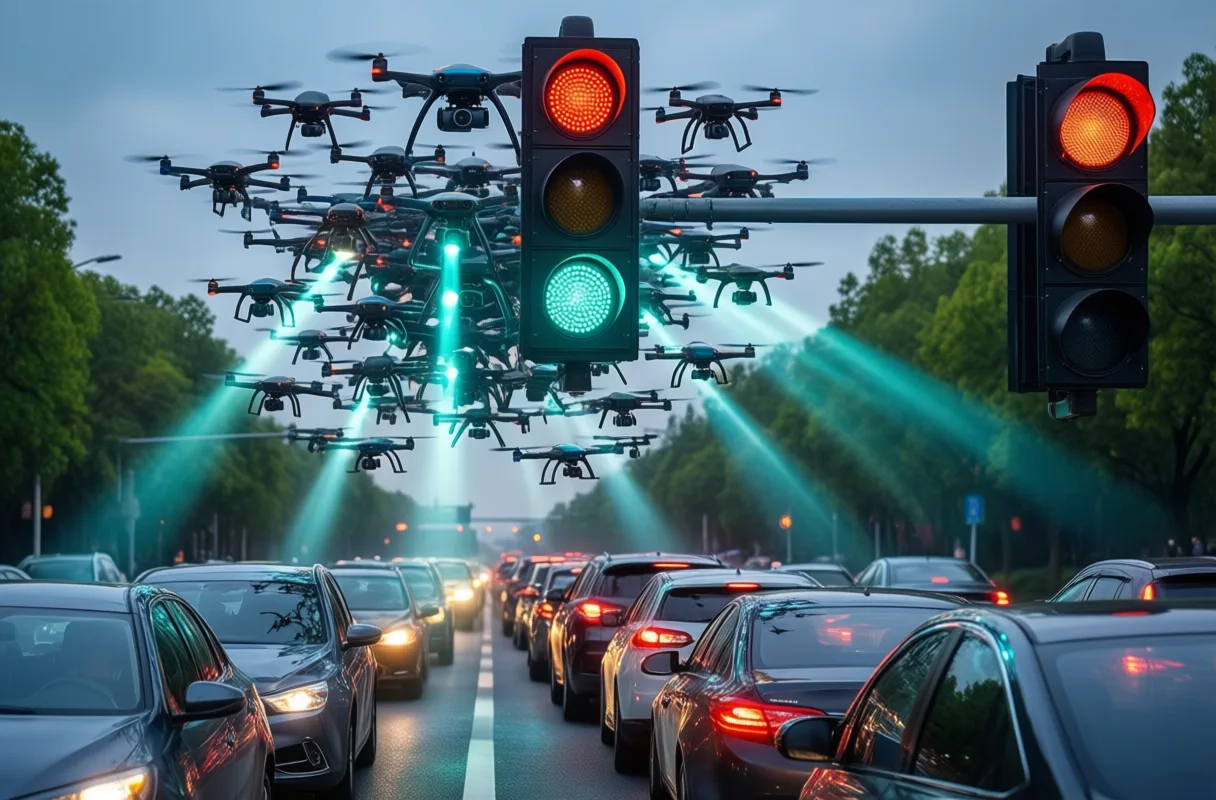
Cameras and radar detect vehicle density in real time. AI weighs pedestrian crossings, emergency vehicle sirens, even bike lanes. Then it adjusts signal timing on the fly. One second, green for the ambulance. The next, holding cars to let a school crossing clear.
It’s not just about speed. It’s about survival. Smarter signals reduce idling, which cuts emissions. Less congestion means cleaner air. Cleaner air means fewer asthma attacks. One decision, rippling Across public Health.
Energy grids are undergoing the same transformation. Solar output dips when clouds roll in. AI doesn’t wait-it forecasts the dip using weather models and adjusts supply from batteries or wind before the drop hits. Stability isn’t maintained. It’s Engineered.
And consider waste management. Smart bins now report fill levels via sensors. Garbage trucks no longer drive empty routes. They follow AI-optimized paths, saving fuel, time, and taxpayer money. One city saw collection costs drop by nearly a third-without adding a single new truck.
Water systems benefit too. AI detects micro-leaks in underground pipes by analyzing flow patterns. In aging infrastructures, this means fixing small issues before they become catastrophic floods. Prevention, not repair, becomes the standard.
For a deeper look at how AI drives such transformations across industries, explore Applications of Artificial Intelligence: Top 5 Uses Today.

The Silent Guardian: AI and Public Safety
Crime doesn’t announce itself. But AI listens anyway.
Cameras equipped with anomaly detection don’t just record-they Watch. A fallen pedestrian, a stalled vehicle on a highway, a crowd surging in an unexpected direction. These aren’t just images. They’re signals.
AI flags the unusual. Then alerts human operators. No mass surveillance. No judgment. Just faster response to real emergencies.
In fire prevention, sensors in high-risk zones detect temperature spikes, smoke particles, or electrical faults. AI correlates the data with wind speed and building occupancy. It doesn’t wait for flames. It predicts fire risk and alerts inspectors Before Ignition.
During disasters, this matters most. Hurricanes. Earthquakes. Floods. AI models simulate flood paths in minutes, not hours. Emergency teams get real-time evacuation routes, updated as conditions shift. Lives are saved not by luck-but by logic.
And in public health, AI tracks environmental data to forecast disease outbreaks. Elevated pollen? Asthma cases may rise. Unusual rodent activity? Possible zoonotic risk. The city becomes a diagnostic machine, scanning itself for symptoms.
This isn’t about replacing humans. It’s about giving them superpowers. Faster eyes. Sharper instincts. A city that protects, not just exists.
The Human Equation: Who Controls the Mind of the City?
Power demands accountability. And AI in cities is powerful.
Who decides what data is collected? Who owns it? Who audits the algorithms making life-or-death calls?
Transparency can’t be an afterthought. If an AI denies a permit or reroutes emergency services, citizens deserve to know why. Bias in training data could skew outcomes-favoring wealthy neighborhoods, ignoring marginalized ones. That’s not intelligence. That’s injustice in code.
Public trust hinges on oversight. Independent audits. Open frameworks. Clear rules for when AI acts-and when it hands control back to humans.
Technology doesn’t dictate ethics. We do. The city of the future must be not only smart but fair. Not only efficient but inclusive.
The Road Ahead: Cities That Learn, Adapt, and Evolve
The Next generation Of urban AI won’t just respond. It will Anticipate.
Think of a city that learns from every storm, every blackout, every celebration. It adjusts its design over time-like an organism adapting to its environment.
Buildings could shift energy use based on real-time carbon pricing. Parks could irrigate only when soil moisture and weather forecasts align. Public transit could reconfigure routes based on live event data-concerts, protests, pandemics.
This isn’t autonomy. It’s symbiosis. Humans set the goals. AI finds the path.
And as these systems grow, they’ll need to talk to each other. A traffic AI must coordinate with energy, safety, and health systems. Silos break. Integration wins.
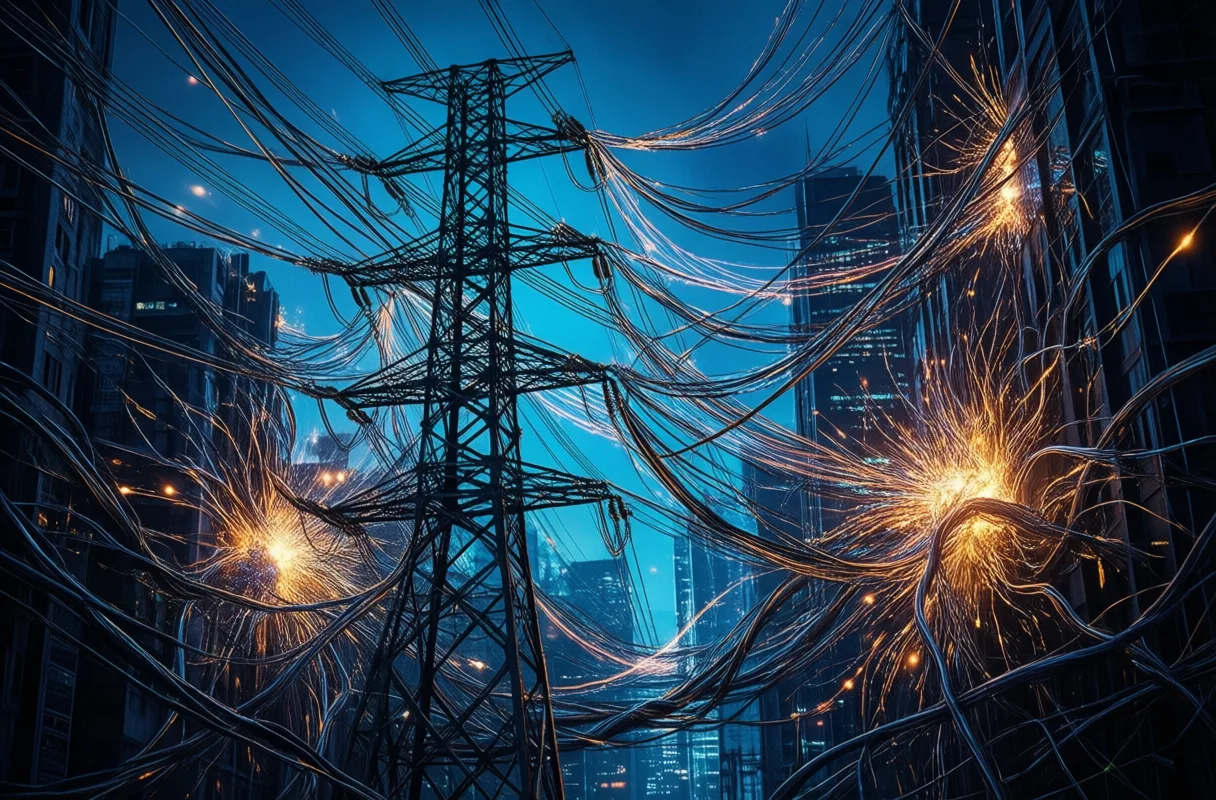
The future city isn’t a collection of smart gadgets. It’s a living network-aware, responsive, and constantly learning.
We’re not building smarter infrastructure. We’re building a nervous system for civilization.
| Urban System | AIoT Function | Real-Time Response |
|---|---|---|
| Traffic Management | Adjusts signal timing using camera and radar data | Changes lights for ambulances or school crossings |
| Energy Grid | Forecasts solar dips and shifts power supply | Pre-cools substations during heatwaves |
| Waste Collection | Routes trucks based on bin fill-level sensors | Reduces fuel use and collection costs |
| Water Systems | Detects micro-leaks via flow pattern analysis | Triggers automatic valve shutdowns |
| Public Safety | Flags anomalies like fallen pedestrians or fires | Alerts emergency teams within seconds |
| Environmental Monitoring | Tracks pollution and air quality hotspots | Suggests traffic reroutes to reduce exposure |
Smarter Cities, Smarter Connections
The Brains Behind the Buzz
You’ve probably heard the term AIoT, but here’s the fun twist: it’s not just AI And IoT slapped together-it’s them actually teaming up like a tech-savvy duo. Think of IoT devices as the eyes and ears of a city, collecting data from traffic sensors, streetlights, and even trash bins. AI is the brain that makes sense of it all, spotting patterns and making split-second decisions. Together, they’re turning ordinary infrastructure into something that can predict a traffic jam before it happens or adjust street lighting based on real-time pedestrian flow.
Tiny Chips, Big Impact
One of the coolest behind-the-scenes facts? Some AIoT systems run on tiny edge chips that process data right where it’s collected-no need to send everything to the cloud. This means faster reactions and less bandwidth stress. In smart cities, this can mean a traffic light changing in real time because a sensor noticed an ambulance approaching, or a water system detecting a pipe leak and shutting off valves automatically. It’s like giving city systems reflexes.
More Than Just Traffic and Lights
AIoT isn’t just about efficiency-it’s quietly improving public safety and environmental monitoring too. In some cities, acoustic sensors powered by AI can detect the sound of breaking glass or a car crash and alert emergency services within seconds. Others use air quality monitors linked to AI to track pollution hotspots and suggest rerouting traffic. The result? Cleaner air, faster responses, and a city that feels a bit more aware-like it’s quietly looking out for you.
Frequently Asked Questions
How does AI improve traffic management in smart cities?
AI analyzes real-time data from cameras and radar to adjust traffic signal timing based on vehicle density, pedestrian crossings, and emergency vehicles. This reduces congestion, idling, and emissions while improving safety.
What role does AI play in energy grid stability?
AI forecasts changes in solar output due to weather and adjusts supply using batteries or wind before drops occur. It helps maintain stability through proactive load distribution and pre-cooling of substations during heatwaves.
How does AI contribute to public safety in cities?
AI monitors camera feeds for anomalies like fallen pedestrians or stalled vehicles and alerts human operators. It also predicts fire risks by analyzing sensor data and supports disaster response with real-time evacuation routes.
Can AI help reduce waste collection costs?
Yes. Smart bins with sensors report fill levels, allowing garbage trucks to follow AI-optimized routes. One city reduced collection costs by nearly a third without adding new trucks.
This article was produced with AI assistance. How Neuron Magazine uses AI.
Malik dissects how artificial intelligence transforms decision-making in governments and corporations, tracking algorithmic power shifts and policy gaps. He writes with clarity and urgency, making high-stakes tech strategy accessible without oversimplifying its risks.