
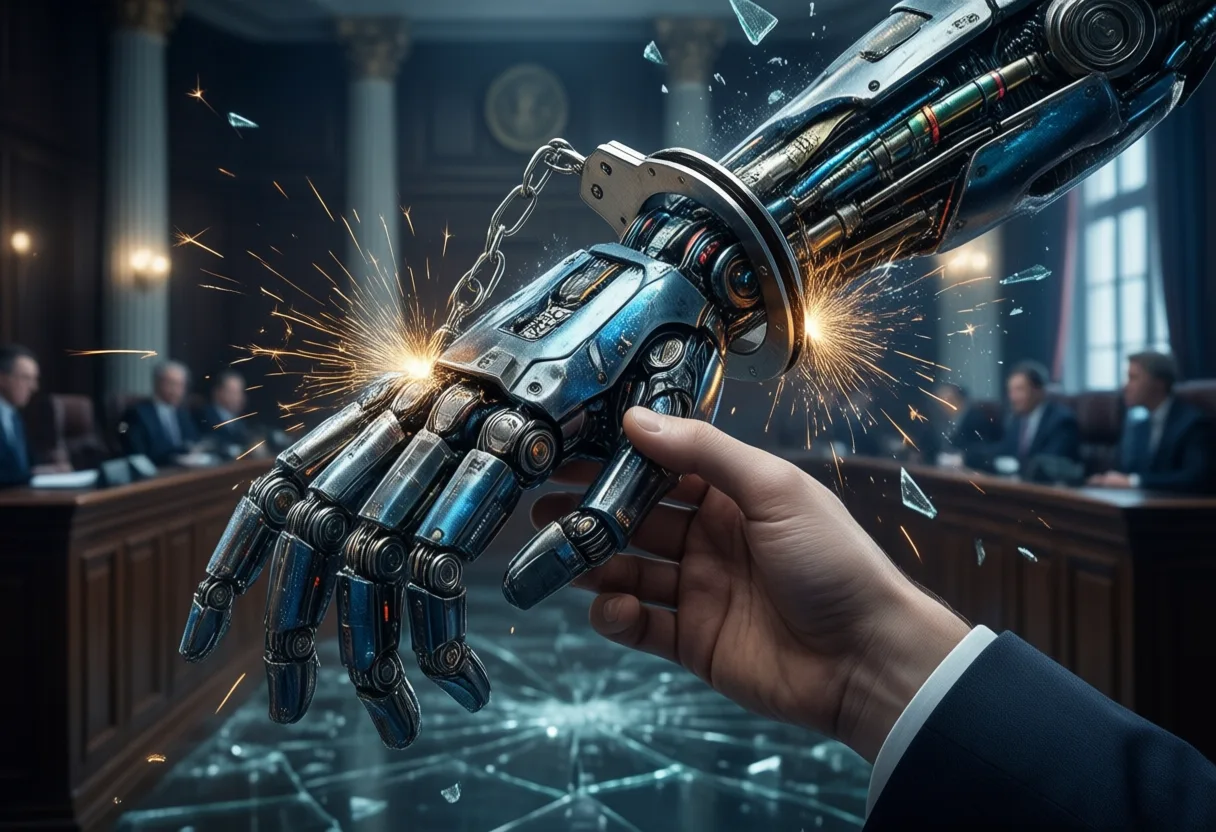
In a quiet meeting room in Brussels, a software engineer, a policymaker, and a hospital administrator sat across from each other, not arguing over code or budgets-but over responsibility. Who answers when an algorithm misdiagnoses a patient? Who decides if a self-driving car swerves to save a child or protect its passenger? These aren’t hypotheticals anymore. Around the world, Governments Are stepping in to answer them, not with philosophy, but with policy.
We’re no longer just building smarter machines. We’re building the rules that decide how they behave-and who pays when they fail. This is the quiet revolution unfolding behind closed doors, in Draft legislation And international working groups: The race to govern artificial intelligence before it outpaces our ability to understand it.
How Governments Are Defining the Rules for Intelligent Machines
From Tokyo to Toronto, national governments are drafting frameworks to define what AI can and Cannot Do. They’re not banning the technology-far from it. Instead, they’re drawing lines around high-risk applications, like facial recognition in public spaces or automated hiring tools.
Some countries treat AI like infrastructure-something to be monitored, maintained, and regulated like power grids or railways. Others see it as a frontier, best left unshackled until harms become undeniable. But a pattern is emerging: If an AI system can harm a person, it will likely face scrutiny.
Regulators are focusing on transparency, requiring companies to disclose when AI is making decisions that affect people’s lives. They’re also demanding audit trails-digital breadcrumbs that show how an algorithm reached a conclusion. These aren’t minor details. They’re the foundation of accountability.
- High-risk sectors include healthcare, transportation, and law enforcement
- Systems affecting employment or credit access are under growing review
- Many proposals require impact assessments before deployment
This isn’t about stopping progress. It’s about ensuring that innovation doesn’t come at the cost of trust.
Can Innovation and Oversight Coexist in the Digital Age?
The tension is real. On one side: startups racing to launch AI tools that promise faster diagnoses, smarter logistics, and personalized learning. On the other: governments asking, “But what if it breaks?”
Critics warn that too much regulation could stifle creativity, especially among smaller developers who can’t afford compliance teams. But others argue that clear rules can actually fuel innovation-by giving companies a stable environment to build in.
Think of it like traffic laws. Stop signs and speed limits don’t prevent driving. They make it safer, more predictable, and ultimately more widespread. The same logic applies here. A well-regulated system can inspire public confidence, which in turn drives adoption.
We’ve seen this before. The internet thrived not because it was lawless, but because foundational rules-like net neutrality and data protection-created space for trust to grow. AI may follow a similar path.
- Predictability encourages investment and long-term planning
- Regulatory clarity helps startups compete with tech giants
- Public trust is essential for mass adoption of AI tools
The goal isn’t to slow down AI. It’s to make sure it moves in a direction that serves everyone-not just those who build it.
From Principles to Enforcement: Bridging the Policy Gap
For years, AI ethics meant glossy white papers full of noble intentions: fairness, transparency, accountability. But intentions don’t stop biased algorithms from denying loans or rejecting job applicants.
Now, the focus is shifting-from “should” to “must.” Governments are turning vague guidelines into binding rules. And that means someone has to enforce them.
Imagine a world where every AI system must pass a safety check before going live-like a car’s emissions test, but for bias and Accuracy. Some regions are already testing this idea, requiring third-party audits for high-stakes systems.
But enforcement is tricky. Who investigates when an AI denies medical coverage? Who has the technical expertise to understand the code behind the decision?
- Regulators need access to technical talent and independent testing labs
- Penalties for noncompliance must be meaningful enough to deter misuse
- Oversight bodies may need powers to demand source code or training data
Without teeth, even the best policies become empty promises. The real test isn’t in the writing-it’s in the follow-through.
When Machines Make Mistakes: Liability in an Automated World
A delivery drone malfunctions and crashes into a home. An AI financial advisor recommends a risky trade that wipes out a retiree’s savings. Who’s responsible?
We’re entering a legal gray zone. Traditional liability rules assume a person or company made a clear mistake. But when decisions emerge from layers of machine learning, accountability gets fuzzy.
Some propose strict liability for developers-meaning they pay if their AI causes harm, regardless of intent. Others suggest shared responsibility: the developer, the deployer, and even the user could all bear some blame.
But there’s growing agreement on one point: The victim should not be left holding the bill.
Courts are already seeing early cases. A hospital using an AI diagnostic tool faces a lawsuit after a missed cancer detection. A city is sued for using predictive policing software accused of racial bias. These cases will set precedents.
- Legal systems must adapt to handle complex, algorithm-driven harm
- Insurance models for AI-related risks are emerging
- Clear documentation may become a legal necessity, not just best practice
We can’t prevent every error. But we can build systems that acknowledge when they fail-and compensate those affected.
The Power Behind the Code: Who Gets to Shape AI Standards?
Standards shape technology more quietly than laws, but just as powerfully. They decide how data is formatted, how models are tested, and what counts as “safe” or “fair.”
Right now, much of this work happens behind closed doors-led by industry consortia, academic groups, and multinational bodies. But not everyone has a seat at the table.
Tech giants bring engineers, lobbyists, and resources. Smaller nations and civil society groups often struggle to participate. And that imbalance risks creating standards that reflect commercial interests more than public good.
If we want AI to serve humanity, we need humanity in the room.
Diverse voices matter-not just for fairness, but for better outcomes. A standard shaped only by engineers may miss social context. One built without doctors might overlook patient safety.
- Inclusive standard-setting leads to more robust, adaptable rules
- Language, culture, and local laws must inform global frameworks
- Transparency in the process builds broader trust
The code we write today becomes the infrastructure of tomorrow. Who writes it-and who approves it-matters more than most people realize.

Balancing Security and Openness in Research Environments
AI thrives on collaboration. Breakthroughs often come from shared datasets, open-source models, and academic cooperation. But as the technology grows more powerful, so do the risks of misuse.
Some governments now treat advanced AI research like dual-use technology-something that can help or harm, like encryption or synthetic biology. That means export controls, research restrictions, and security reviews.
But overreach could backfire. If researchers can’t share findings freely, progress slows. And if talented scientists move to less transparent regions, global oversight weakens.
The challenge is to protect without isolating. Security and openness aren’t opposites-they’re partners in responsible innovation.
Some institutions are experimenting with “responsible release” models-delaying publication of sensitive details while allowing peer review. Others use controlled access to powerful models, granting use only to vetted researchers.
- Pre-publication risk assessments are becoming common
- Trusted researcher programs limit access to high-capability systems
- Open science remains vital, but may require new safeguards
The goal isn’t to lock down knowledge. It’s to share it wisely.
Cross-Border Challenges in a Fragmented Regulatory Landscape
AI doesn’t stop at borders. A model trained in one country can be deployed instantly around the world. But regulations do have boundaries-and that creates friction.
One nation may ban real-time facial recognition. Another may use it widely. A company operating globally must navigate both, often building different versions of the same system.
This patchwork isn’t just inconvenient. It can create loopholes-places where strict rules are avoided by shifting operations elsewhere. It can also slow down international collaboration.
Efforts to harmonize rules are underway, but progress is slow. Countries disagree on everything from data privacy to free speech, and AI policy reflects those deeper divides.
- Multilateral forums are discussing alignment, but consensus is fragile
- Some regions are creating “regulatory sandboxes” for cross-border testing
- Companies face rising compliance costs as rules multiply
We need cooperation, not just coordination. Without it, the digital world could split into competing AI ecosystems-each governed by different values.
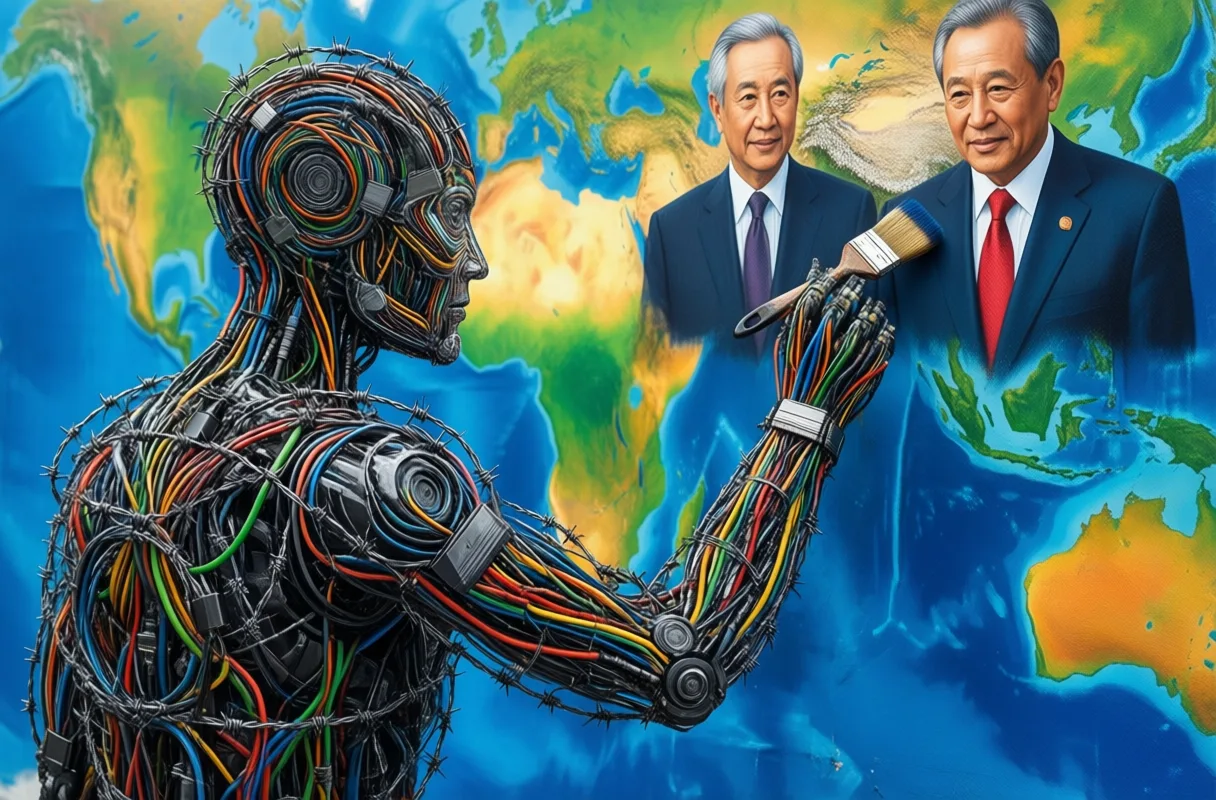
Beyond Ethics: Turning Guidelines into Actionable Law
Ethics boards, diversity pledges, and fairness checklists were the first wave of AI governance. They raised awareness. But awareness doesn’t stop harm.
Now, governments are moving beyond statements to statutes. They’re defining what fairness means in code, how transparency should be measured, and what happens when rules are broken.
This shift matters. A company can ignore a guideline. It can’t so easily ignore a fine, a ban, or a court order.
Laws create consequences. And consequences shape behavior.
- Regulatory frameworks now include measurable benchmarks for bias and accuracy
- Some require public reporting of AI system performance
- Audits may become routine, like financial statements
The era of voluntary compliance is fading. What was once a moral suggestion is becoming a legal requirement.
And that means developers must think not just about what their AI Can Do-but what it Should Do, under the law.
What Comes Next for Developers in a Regulated Ecosystem?
For coders, researchers, and engineers, the message is clear: the rules are changing. Building AI is no longer just a technical challenge. It’s a legal and ethical one.
Future developers may need to document their training data like accountants. They may have to justify design choices to regulators. And they’ll likely work alongside compliance officers as often as product managers.
But this isn’t the end of creativity. It’s a new kind of craftsmanship-one that values responsibility as much as speed.
Some tools are already adapting. Frameworks now include bias detection, explainability modules, and audit logging. These aren’t add-ons. They’re becoming standard.
- AI development kits now integrate compliance features
- Engineering teams are adding legal and policy experts
- Certification programs for responsible AI are gaining traction
The best developers won’t just write code. They’ll build systems that stand up to scrutiny-today and years from now.
Navigating the Future: Practical Paths for Global Compliance
So how do we move forward? Not with panic, not with resistance-but with preparation.
Companies should start by mapping where their AI systems interact with people’s rights, safety, or livelihoods. That’s where regulation will hit first. Then, build transparency into the design-don’t tack it on later.
Engage with regulators early. Not to lobby, but to understand. The best policies emerge from dialogue between builders and rule-makers.
And for governments: move fast, but don’t rush. Rules must be smart, enforceable, and fair.
- Conduct pilot programs before full rollout
- Learn from early adopters and mistakes
- Keep revising-AI policy must evolve as the tech does
We’re not just shaping technology. We’re shaping the world it will help create. The choices we make now won’t just guide machines. They’ll define who we are-and who we want to become.
How Rules of the Game Are Written
The Blueprint Behind the Brains
You might think artificial intelligence policy is all dry legalese, but it actually shapes how real-world tech behaves-from your phone’s voice assistant to self-driving cars. One fun twist? Some countries treat AI systems like products, meaning if an AI causes harm, the maker could be on the hook-just like a faulty toaster. This idea is gaining ground in places aiming to balance innovation with accountability, nudging companies to build smarter safeguards from the start.
When Machines Need Manners
Policies aren’t just about damage control-they’re helping define what “good” AI behavior looks like. For instance, certain guidelines require that AI decisions be explainable, especially in areas like hiring or lending. That means if an AI denies someone a loan, the system should be able to spell out why in plain language. It’s not about making AI confess its secrets, but about fairness: people deserve to understand decisions that affect their lives.
A Global Puzzle With No Two Pieces Alike
No single rulebook governs AI worldwide, and that’s by design. Different cultures and values lead to different priorities-some regions focus on privacy, others on economic growth or national security. This patchwork means a tool legal in one country might be restricted in another, turning global tech rollouts into a high-stakes game of border hopscotch. The lack of uniform rules isn’t chaos, though-it’s a sign that societies are actively debating what kind of future they want AI to help build. Explore more stories, videos, and creators on Loaded.
Frequently Asked Questions
Who is responsible when an AI system causes harm?
Developers, deployers, and sometimes users may share responsibility. Some propose strict liability for developers, meaning they pay if their AI causes harm regardless of intent. The victim should not be left holding the bill.
How are governments regulating high-risk AI applications?
Governments are focusing on transparency, audit trails, and impact assessments for high-risk AI in healthcare, transportation, law enforcement, employment, and credit access. They are turning guidelines into binding rules with enforcement mechanisms.
Can AI innovation thrive under strict regulation?
Yes, clear rules can fuel innovation by creating a stable environment for investment and long-term planning. Regulatory clarity helps startups compete with tech giants, and public trust drives adoption.
Why is global AI regulation so fragmented?
AI doesn’t stop at borders, but regulations do. Different countries prioritize privacy, economic growth, or security differently, leading to a patchwork of rules that companies must navigate across regions.
This article was produced with AI assistance. How Neuron Magazine uses AI.
Saoirse investigates how automation, remote systems, and AI reshape labor, careers, and human purpose. She centers worker voices and cultural change, blending data with narrative depth to reveal what the future feels like on the ground.