In the quiet hum of everyday life, the iPhone has become a silent conductor of invisible forces-orchestrating responses before we speak, refining images before we see them, learning our rhythms without being asked. At the Heart Of this quiet revolution lies Artificial Intelligence, not as a distant laboratory dream but as a living, breathing presence in the palm of our hands. It doesn’t announce itself with fanfare; instead, it reveals itself in the split-second sharpening of a portrait, the uncanny accuracy of a voice command interpreted in a noisy street, or the way your phone seems to Know What you’ll say next.
This is not Magic, but machine learning refined over years-miniature neural networks trained on vast datasets, now compressed into the A-series and M-series chips that power Apple’s ecosystem. These processors don’t just compute; they infer, adapt, and anticipate, turning abstract algorithms into tangible enhancements that shape how we communicate, create, and remember.
The Intelligence Behind the Interface
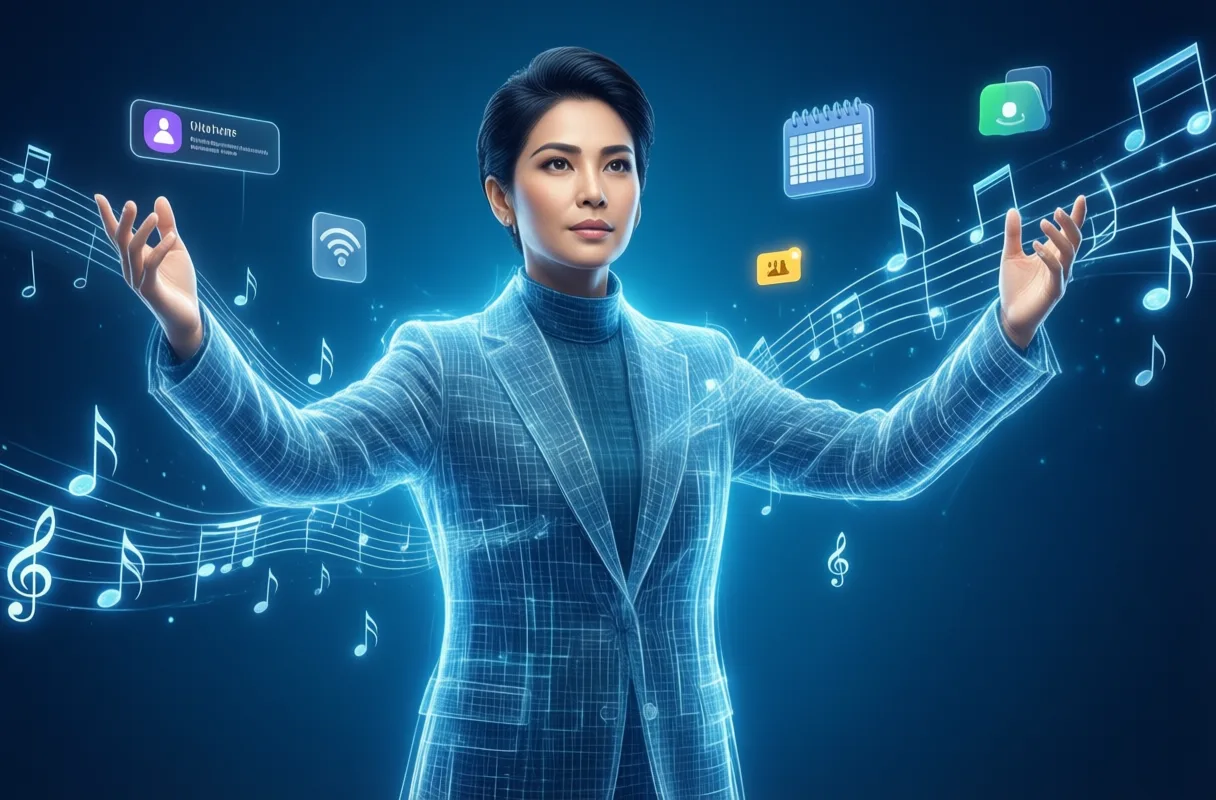
Siri, once a novelty, has evolved into a sophisticated interface between human intention and digital action. Early versions relied heavily on cloud-based Processing, introducing lag and privacy concerns, but today’s iteration leverages on-device Artificial Intelligence to interpret speech patterns, contextual cues, and even localized accents with remarkable fidelity. When you ask Siri to “remind me about this when I get home,” it doesn’t just hear words-it parses location data, calendar habits, and timing patterns to execute a decision that feels almost intuitive.
What makes this possible is the integration of transformer-based models and speech recognition systems fine-tuned for efficiency, allowing the iPhone to process requests without sending sensitive audio to remote servers. This shift toward on-device computation means Faster responses, improved privacy, and a more seamless experience-especially in areas with poor connectivity. The intelligence is no longer outsourced; it lives locally, learning from your behavior while keeping your data under your control.
And yet, with every interaction, the system grows slightly more attuned-not through constant surveillance, but through ephemeral snapshots of behavior that are analyzed, distilled, and then discarded. It’s a delicate balance: personalization without permanence, convenience without compromise. For a deeper look at how these principles extend beyond smartphones, explore the Applications of Artificial Intelligence: Top 5 Uses Today.
Seeing Smarter: AI in the Camera System
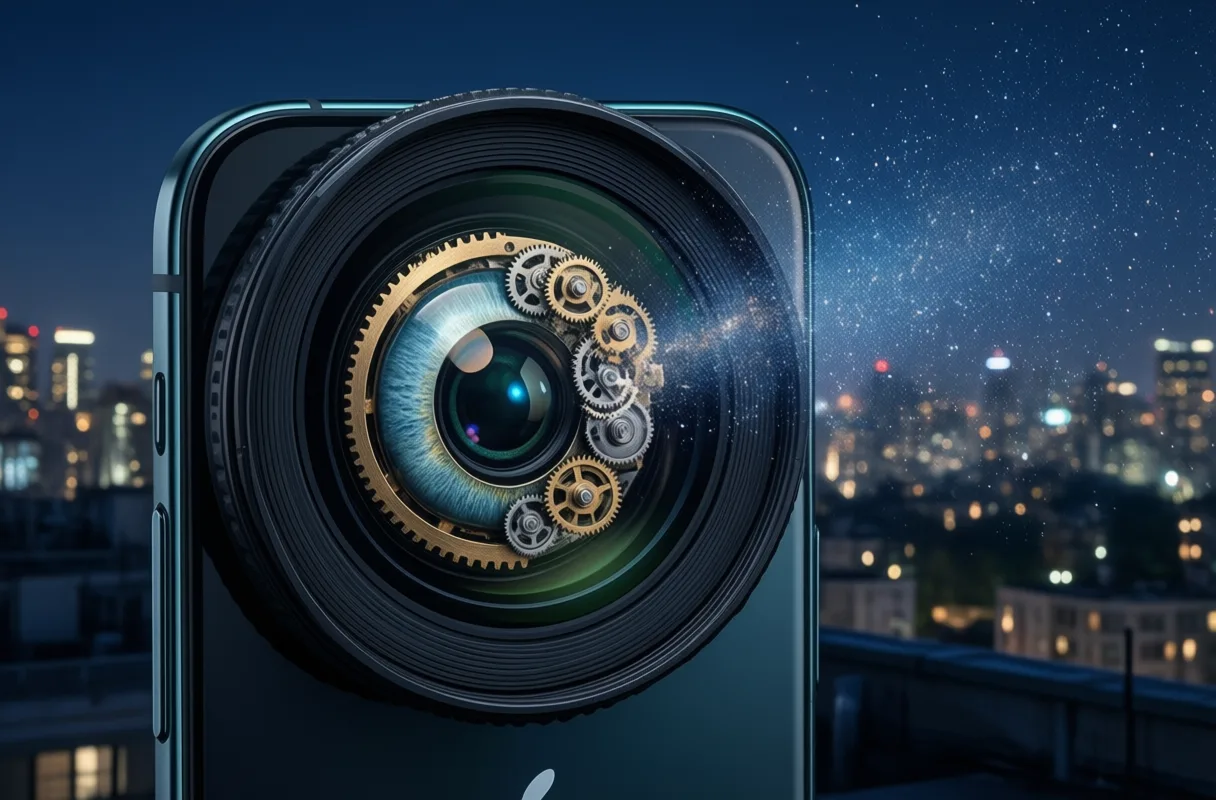
The iPhone’s Camera Has long been celebrated for its clarity, but what truly sets it apart is not the lens or sensor alone-it’s the invisible layer of computational photography guided by Artificial Intelligence. When you frame a shot, the system instantly evaluates lighting, depth, motion, and subject matter, adjusting exposure, focus, and color balance in real time. It recognizes skies, faces, pets, and even galaxies, tailoring enhancements to the scene with a precision that mimics human judgment but operates at machine speed.
Portrait mode, for instance, relies on dual-camera data and depth estimation models to separate foreground from background, applying bokeh effects that rival professional DSLRs. But newer features go even further: Night mode brightens low-light scenes without noise, Smart HDR preserves detail in both shadows and highlights, and Photographic Styles adapt to your aesthetic preferences-all powered by machine learning models trained to mimic the decisions of skilled photographers.
Even after the shutter closes, AI continues working. The Photos app uses on-device vision algorithms to categorize images by content, location, and people, enabling searches like “dog at the beach” or “concert with friends” with startling accuracy. These aren’t keyword tags; they’re semantic interpretations generated by neural networks that understand visual context. Over time, the system learns which moments matter most, surfacing memories not just by date, but by emotional resonance.
The Ethical Pulse of On-Device Intelligence
As Artificial Intelligence becomes more embedded in our daily tools, questions of autonomy, bias, and transparency grow louder. Apple’s choice to prioritize on-device processing reflects a philosophical stance: that personal data should remain personal, that inference should not require surveillance, and that users should retain agency over their digital selves. This approach limits the scale of data aggregation, reducing the risk of misuse while still enabling powerful functionality.
Yet challenges remain. Machine learning models are only as fair as the data they’re trained on, and even localized systems can inherit biases in facial recognition or voice interpretation-especially across diverse ethnicities, dialects, or age groups. Apple continues to refine these models, but the responsibility extends beyond any single company; it belongs to a broader ecosystem of developers, regulators, and users who must demand accountability.
What’s clear is that the future of AI in mobile technology won’t be defined solely by speed or accuracy, but by trust. The most advanced system is meaningless if it erodes confidence, and the most private system fails if it excludes. As we move forward, the measure of progress will not be how much the phone can do, but how well it serves the human behind it-quietly, ethically, and without spectacle.
Smarts in Your Pocket
Siri’s Brain Grows Up
Siri doesn’t just respond to commands-it learns from them, quietly improving over time. Every time you ask about the weather or set a reminder, on-device intelligence helps parse your voice without sending everything to the cloud. That means faster replies and better privacy, since your voice data stays right on your iPhone. Early versions relied heavily on remote servers, but now, with dedicated neural engines, Siri can handle more tasks locally, like adjusting settings or controlling smart home gadgets, even when you’re offline.
The Camera That Predicts
Your iPhone camera doesn’t just snap photos-it anticipates them. When you point the lens at a person, AI instantly recognizes faces and fine-tunes focus, exposure, and color balance for skin tones. It can even detect when someone blinks or makes a funny face, giving you the option to retake. In low light, Night mode uses AI to combine multiple shots into one bright, clear image, all in a fraction of a second. And with Photographic Styles, the camera adapts to your preferences, applying subtle enhancements that match how you like your photos to look-without heavy filters.
Power Behind the Magic
The secret sauce? A specialized chip called the Neural Engine, built right into the iPhone’s processor. This isn’t just for show-it runs trillions of operations every second to power features like Live Text, which lets you tap words in photos, or Translate, which works offline in a flash. Even typing benefits: QuickType learns your writing style to suggest the next word, making texting quicker and more natural. All this happens efficiently, without draining the battery, because the hardware and software are designed to work hand in hand. Explore more stories, videos, and creators on Loaded.
Frequently Asked Questions
How does AI improve Siri on the iPhone?
AI enables Siri to interpret speech, context, and accents using on-device processing. This allows faster responses, better privacy, and offline functionality by keeping voice data on the phone.
What role does Artificial Intelligence play in the iPhone camera?
AI enhances photos by adjusting focus, exposure, and color in real time. It powers features like Night mode, Portrait mode, and Photographic Styles using machine learning models trained to mimic skilled photographers.
Where is AI processing done on the iPhone?
AI processing happens on the device using dedicated hardware like the Neural Engine. This keeps data local, improves privacy, and allows features to work without internet connectivity.
How does the iPhone use AI to organize photos?
The Photos app uses on-device vision algorithms to categorize images by content, location, and people. This enables accurate searches like 'dog at the beach' based on semantic understanding of the images.
This article was produced with AI assistance. How Neuron Magazine uses AI.
Zahra explores the frontiers of human enhancement, from neural implants to gene editing, with a focus on ethical implications and lived experience. She blends scientific rigor with intimate storytelling to illuminate how technology reshapes identity and lifespan.