What’s Haunting Your Streaming Queue This Month?
A Curated Pulse of Modern and Classic Horror Now Available
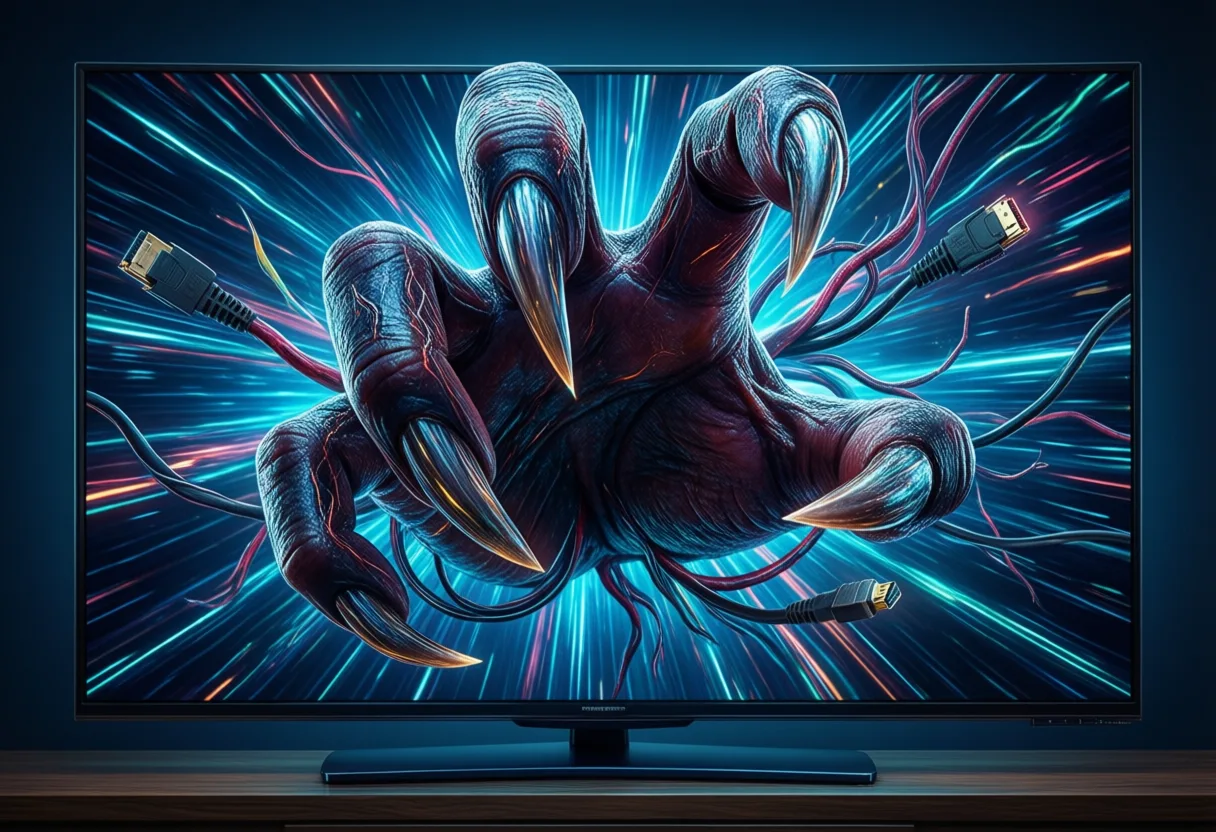
It’s not Halloween. The leaves haven’t even started to turn in most places. And yet, something in the air-maybe it’s the way the light slants through the blinds at 5:47 p.m. Now-makes it feel like the veil between worlds is thinner. I felt it last Tuesday when my smart TV, in its infinite algorithmic wisdom, autoplayed a trailer for a film about a house that breathes. I didn’t click. It clicked me.
There’s a rhythm to fear, and it doesn’t always follow the calendar. One minute you’re rewatching a cooking show for comfort, the next you’re three episodes deep into a series where silence is the deadliest sound. Horror Doesn’t need a holiday to thrive. It grows in the quiet moments, in the flicker between channels, in the way your phone dims just a little too much in a dark room.
This month, the genre is having one of those quiet explosions-no headlines, no red carpets, just a slow seep into our queues and our subconscious. Whether you're drawn to the primal thump of a slasher or the slow creep of psychological unease, the options feel deeper, darker, and more varied than ever. And yes, many of them qualify among the Best Horror Movies Streaming That Will Terrify You.
Why This Month Feels Like Peak Horror Season No calendar says so-yet the chills are undeniable
I asked a friend why she’d just finished a documentary about cursed film reels. “It just felt like the right time,” she said, pulling her sweater tighter. That’s the thing about Horror-it doesn’t announce itself. It settles in. And right now, something in the cultural air feels porous, receptive. Maybe it’s the lingering aftertaste of a long year. Maybe it’s the way technology keeps blurring what’s real.
We’re living in a golden age of unease. Our devices track us, predict us, sometimes seem to listen. Our news feeds flicker with images that feel ripped from dystopian scripts. It’s no wonder we turn to stories that name the nameless dread. Horror doesn’t just entertain-it translates. It gives shape to the shapeless anxiety humming beneath daily life.
There’s no official decree that June is horror month. No industry memo. And yet, if you look at what’s newly available across platforms, the pattern emerges. A cluster of restorations. A surprise drop from a reclusive director. A classic re-release with a new score. It’s not a marketing campaign. It’s a vibe. And the vibe is: something’s coming.
The Streaming Surge: How Horror Dominates On-Demand
More frights than ever, straight to your screen
Turn on any major platform, and you’ll find horror not tucked in a corner, but front and center. Curated rows with names like “Elevated Frights” or “Quiet Terrors” suggest a shift-not just in volume, but in how the genre is framed. It’s no longer just about blood or beasts. It’s about belief, isolation, the stories we inherit.
What changed? Accessibility. Algorithms learned what we really watch when no one’s looking. And studios noticed. A film that might have gone straight to DVD a decade ago now gets a global premiere with a marketing push that leans into its craftsmanship, not just its carnage. The barrier between “art” and “genre” has cracked, and horror is walking through.
This isn’t just about more content. It’s about range. You can now find a ritual-based folk tale from a remote village, a sci-fi horror about memory erosion, or a minimalist thriller set entirely in a soundproof apartment-all within two clicks. The genre has become a mirror, reflecting global fears in local dialects, each more unsettling than the last.
7 Terrifying Picks You Can Watch Right Now
1. A slow-burn haunted house tale with a devastating twist
This one doesn’t rush. It lingers in the creak of floorboards, the way a shadow holds its shape a second too long. The family at the center isn’t screaming by night three-they’re still unpacking boxes, trying to believe in fresh starts. That’s what makes the eventual unraveling so effective. The house isn’t just haunted. It remembers. And it resents.
The twist isn’t in who’s there, but When. Time folds quietly, almost politely, until the past isn’t behind you-it’s beside you, breathing. You’ll want to watch with the lights on, but part of you will also want to turn them off, just to see if the wallpaper changes.
It’s the kind of film that lingers in your peripheral vision long after it ends. Not because of what you saw, but because of what you almost saw-the thing that slipped out of frame just before the cut.
2. A folk horror descent into isolation and belief
A city doctor takes a temporary post in a remote community. The air is cleaner. The people are polite. Too polite. The film unfolds like a fever dream wrapped in tradition. There are no jump scares-just a growing sense that the rules here are different, written in symbols you don’t recognize.
The horror isn’t in the ritual itself, but in the silence that follows it. The way no one will meet your eyes the next morning. The way the children hum a tune you’ve never heard but somehow know. Belief, in this world, isn’t personal. It’s communal. And if you don’t believe, the community will believe for you-hard enough to make it true.
It’s a slow suffocation of certainty. By the end, you’re not sure what’s real, what’s imagined, and what’s simply accepted. The most terrifying line? “We’ve always done it this way.”
3. A masked killer’s legacy that reshaped slasher cinema
You’ve seen the mask. You’ve heard the theme. But if you’ve never watched the original in one sitting, do it. Not for the kills-though they’re inventive-but for the rhythm. The way the camera moves like a prowler, the way silence stretches until it snaps.
This film didn’t invent the slasher, but it codified it. The final girl. The POV shots. The idea that evil doesn’t explain itself-it just returns. And return it did, again and again, in sequels, reboots, parodies, and homages. But the original still cuts deepest because it feels inevitable, like a storm rolling in.
It’s also a time capsule of its era-the fashion, the music, the way teens just Drive At night with no destination. Watching it now, you feel the nostalgia and the dread in equal measure. One feeds the other.
4. A dystopian nightmare wrapped in eerie silence
In this world, sound is death. A single noise can bring them-fast, blind, and relentless. The family at the center communicates in sign, walks barefoot, lives on sand-covered floors. The tension isn’t in the chase. It’s in the breath you hold when a glass teeters on a table’s edge.
The film’s genius is in its restraint. The score doesn’t swell. It vanishes. The camera lingers on hands, eyes, feet-anything but the mouth. You start to feel the weight of every sound you make in real life: the click of a keyboard, the hum of a fridge. The horror leaks into your world.
It’s not just about survival. It’s about connection. How do you love someone when you can’t whisper their name? How do you grieve when you can’t cry?
5. A ghost story rooted in cultural ritual and family trauma
This isn’t a story about a haunted house. It’s about a haunted lineage. A woman returns to her ancestral home after her mother’s death, only to find the rituals she dismissed as superstition are the only things keeping something at bay.
The ghost isn’t a specter in white. It’s a presence in the kitchen at 3 a.m., arranging spices in a pattern only the dead would know. It’s the lullaby sung in a dialect no one speaks anymore. The horror is familial, inherited-passed down like a heirloom with teeth.
What makes it powerful is its specificity. The rituals feel real because they Are Real-drawn from traditions that treat the spirit world as an extension of the living. The film doesn’t explain. It enacts. And by the end, you understand: some doors shouldn’t be opened, even to say goodbye.
6. A surreal blend of cosmic dread and psychological unraveling
A scientist studying deep-sea pressure begins to hear a frequency no one else can detect. At first, it’s a hum. Then a voice. Then a vision. The film blurs the line between discovery and delusion. Is she cracking under isolation? Or has she tuned into something older than language?
The visuals are stunning-bioluminescent creatures in the abyss, rooms that shift when you’re not looking, a sky that pulses like a heartbeat. But the real horror is conceptual: the idea that reality has layers, and some of them don’t want to be seen.
By the end, you’re not sure if she’s mad, enlightened, or both. The film doesn’t offer answers. It offers an experience-one that feels less like watching a story and more like falling into a dream you can’t wake from.
7. A home invasion with layers of identity and revenge
Four figures arrive at a secluded house. They wear masks. They speak in unison. They claim to be the homeowners’ future selves. The premise sounds absurd-until the evidence starts to add up. A scar in the same place. A childhood memory only the real family would know.
The horror isn’t just in the invasion, but in the question: if your future is violent, is it inevitable? Can you change it, or does resisting it create the very timeline you fear? The film plays with causality like a knife, cutting deeper with every twist.
It’s tense, intelligent, and deeply unsettling. Not because of what the invaders do, but because of what they say: “We were you. And you will be us.”
Beyond Jump Scares: The Quiet Horror You Might Overlook
Subtlety that lingers long after the screen goes dark
We talk a lot about the jump scare-the sudden boom, the cat, the masked figure in the mirror. But the horror that stays with you isn’t loud. It’s the film where nothing happens-until everything has. The one where the camera holds a little too long on an empty hallway. The one where a character says, “I’m fine,” and you know they’re not.
These films trust you to feel the dread without spelling it out. They use silence like a weapon. A flickering light. A door left ajar. The way a person’s smile doesn’t reach their eyes. They’re not trying to shock you. They’re trying to infect you.
And they work because they mimic real fear-the kind that doesn’t come with music cues. The kind that whispers, “What if?” Long after you’ve closed the app, turned off the TV, and told yourself it’s just a story.
How to Choose Your Next Nightmare Without Spoilers Smart strategies for diving in blind
The worst thing that can happen before a horror film? Someone tells you the twist. The second worst? The algorithm does it for you with a poorly placed thumbnail. So how do you choose without knowing too much?
Start with tone, not plot. Ask: do I want something relentless or reflective? Visceral or cerebral? A film about a haunted mirror is very different from one about a haunted mind, even if both are listed under “supernatural.” Trust your mood more than the synopsis.
Use short trailers-under 90 seconds-and stop them at 30. Let the atmosphere speak. If the first minute makes your skin prickle, you’re on the right track. And if you’re with someone, ask: “Do you trust me?” If the answer’s yes, press play. If not, maybe stick to comedies. Or don’t. Fear, after all, is better shared.
This Month’s Horror Moment: What to Watch and Why It Matters
A fresh lens on fear, available tonight
Horror, at its best, isn’t about escape. It’s about confrontation. It gives us a safe space to face what we can’t name in daylight-the fear of loss, of change, of being watched, of being forgotten. This month, those themes aren’t just in the films. They’re in the air.
So when you scroll past that eerie thumbnail, that title with the single ominous word, don’t scroll away. Lean in. Because the thing about horror is that it doesn’t just reflect our fears. Sometimes, it prepares us for them.
And if you need a starting point, let the curated unease of this month guide you. Somewhere in the dark, there’s a story waiting-one that knows exactly what keeps you up at night.
| Film | Streaming Platform | Notable Fact |
|---|---|---|
| The Texas Chain Saw Massacre | Netflix | Made for under $300,000 with real actor panic due to surprise chainsaw starts |
| Hereditary | Hulu | Infamous head scene prop made in director’s garage with resin and fake hair |
| Scream | Paramount+ | Revived 90s horror by mocking genre rules while delivering real scares |
| The Shining | Multiple services | Hotel layout doesn’t match reality; hedge maze was a model |
| Midsommar | Hulu | Bright daylight horror inspired by real Swedish midsummer cult traditions |
Chills Without the Charge
Stream-Friendly Scares You Can Start Right Now
Plenty of iconic horror flicks are just a click away, and some come with surprising backstories. The Texas Chain Saw Massacre, streaming on platforms like Netflix, was shot on a shoestring-under $300,000-and used gritty 16mm film to give it that grim, documentary-like feel. The actors didn’t know when the chainsaw would start, which explains their genuine panic during those scenes. It wasn’t just cheap; it was clever, turning budget limits into a strength.
Over on Hulu, Hereditary Still haunts viewers with its slow-building dread. The infamous head scene? That prop was made in the director’s garage using materials like resin and fake hair-no high-end studio magic needed. Meanwhile, Scream, available on Paramount+, changed horror forever by making characters who knew the rules of horror movies. It poked fun at slashers while still delivering the goods, and it helped revive the genre in the '90s when studios thought it was running on fumes.
Even older classics have tricks up their sleeves. The Shining, streaming on multiple services, features endless hidden details-from the layout not matching the hotel’s real design to the Overlook’s eerie hedge maze that was only built as a model. And if you’re into something more recent, Midsommar On Hulu proves sunlight can be just as terrifying. Shot in Sweden, the film’s bright, colorful nightmare was inspired by real-life cult histories and Swedish midsummer traditions twisted just enough to feel off. Horror isn’t just about darkness-it’s about what feels familiar, then suddenly isn’t.
Frequently Asked Questions
What makes this month feel like horror season even though it's not Halloween?
Something in the cultural air feels porous and receptive to fear. The unease from technology, news, and daily life makes horror resonate more deeply right now.
Why is horror dominating streaming platforms this month?
Horror is now framed as more than just scares-it explores belief, isolation, and inherited stories. Accessibility and algorithms have elevated its presence and range on platforms.
What types of horror films are available to stream now?
There are haunted house tales, folk horror, slashers, silent dystopias, cultural ghost stories, cosmic dread films, and home invasion thrillers with psychological depth.
How can I choose a horror movie without spoilers?
Focus on tone instead of plot. Use short trailers and stop at 30 seconds. Let the atmosphere guide you, and trust your mood when selecting.
This article was produced with AI assistance. How Neuron Magazine uses AI.
Saoirse investigates how automation, remote systems, and AI reshape labor, careers, and human purpose. She centers worker voices and cultural change, blending data with narrative depth to reveal what the future feels like on the ground.