
A Symbol Worn in Silence The Hidden Meaning Behind a Simple Piece of Cloth
In a world where power is measured in chakra and sacrifice, one of the most potent symbols is not a weapon, but a strip of cloth and metal worn across the brow. The forehead protector-deceptively simple in design-carries the weight of identity, allegiance, and sometimes, betrayal. Across the shinobi lands, this unassuming headband becomes a canvas for ideology, a marker of belonging, and a silent declaration of purpose. It is both armor and artifact, shielding the body while exposing the soul.
Unlike ceremonial regalia or ornate armor, the headband’s power lies in its universality. Every genin receives one upon graduation, marking their formal entry into the dangerous life of a Ninja. Its presence signals not just training, but a willingness to die for a village’s ideals. The design is uniform, yet deeply personal-each one worn with pride, grief, or rebellion, depending on the path carved by its bearer.
The headband does not hum with energy, nor does it flare with jutsu. Yet, in the quiet moments-when a ninja adjusts it before battle, or removes it in mourning-it speaks louder than any technique. It is a symbol forged not in fire, but in loyalty, and once worn, it becomes inseparable from the self.
Why Does a Headband Mean So Much in the Ninja World?
How a Village’s Ideals Are Forged Into Metal
To understand the headband’s significance, one must first grasp the structure of the shinobi world. Villages are not just settlements; they are ideological engines, each built on a foundation of history, trauma, and ambition. The headband serves as a physical manifestation of that foundation-a daily reminder of where one comes from and what one is expected to uphold. It is less fashion and more covenant.
From the moment a young ninja ties the band around their forehead, they are no longer just an individual. They become a vessel for their village’s legacy. The metal plate, often engraved with a unique symbol, acts as a seal of authenticity-proof of training, rank, and allegiance. In missions, it identifies friend from foe; in war, it marks targets. But beyond utility, it shapes identity. The headband becomes a second skin, worn even in sleep by some, as if removing it might erase their purpose.
The act of receiving the headband is ritualistic, often accompanied by a sense of awe and responsibility. It is not merely a graduation gift, but a burden willingly accepted. Many ninja speak of the first time they looked in the mirror with it on-a moment of transformation, where childhood ends and duty begins. This is why losing it in battle can feel like losing a part of oneself.
The Mark of Loyalty: Leaf Village’s Spiral Crest
Wounds Beneath the Forehead Protector: Pain and Identity
When the Symbol Becomes a Target: Defection and Rebellion
The Hidden Leaf Village’s headband, marked by a swirling spiral, is perhaps the most recognized of all. Its design echoes the Uzumaki clan’s heritage and the village’s founding principle: unity Through strength. For ninjas of the Leaf, wearing the spiral is an affirmation of resilience, a nod to a legacy built on sacrifice and second chances. It is no coincidence that the protagonist, shaped by loss and abandonment, wears it with defiant pride.
Yet, the headband also bears the scars of betrayal. When a ninja turns from their village, the act of defacing the symbol-often by slashing the metal-is a declaration of severed loyalty. That single scratch speaks of disillusionment, trauma, or a new path forged in opposition to the old. The gesture is not made lightly; it is a rupture, a point of no return. The headband, once a source of pride, becomes a relic of what was lost.
Rebellion, in this world, is not always violent. Sometimes, it is quiet-a missing headband, a different way of tying it, or wearing it not on the forehead but around the arm or neck. These subtle shifts signal internal conflict, a struggle between belonging and self-determination. The headband, in these moments, becomes a mirror: it reflects not just allegiance, but the cost of maintaining it.
What Happens When a Ninja Breaks from Tradition?
The Weight of a Scratched Symbol
To scratch the headband is to wound one’s own history. It is an act of defiance that cannot be undone, a public rejection of the system that shaped you. Former allies become enemies the moment the metal is marred. The shinobi world operates on symbols, and a defaced headband is the ultimate signal of rupture. It does not matter if the reasons are just-the act itself is enough to invoke pursuit, judgment, and often, death.
But not all who leave do so in anger. Some remove the headband not to rebel, but to evolve. They carry it with them, not as a weapon, but as a memory. In these cases, the headband becomes a bridge-between past and present, duty and freedom. The absence of the symbol on the forehead does not erase its influence; if anything, it deepens its meaning. The weight of the choice lingers long after the village fades in the distance.
Even among those who remain loyal, the headband is not immune to reinterpretation. Some wear it loosely, others tightly-each variation a quiet commentary on their relationship with authority. A headband tied too low might suggest cynicism; one worn high, unwavering resolve. These nuances are not taught in academies, but learned in the silence between missions, in the spaces where ideology meets lived experience.
Beyond the Leaf: Other Villages and Their Emblems
How Design Reflects Philosophy and Power
While the Leaf’s spiral is iconic, every major village brands its headband with a symbol that speaks to its core values. The angular, sharp lines of certain emblems reflect a culture of discipline and austerity, where emotion is tempered by duty. Others incorporate flowing or geometric patterns, suggesting a focus on precision, nature, or elemental mastery. The design is never arbitrary-it is a distillation of a village’s worldview, worn openly on the forehead like a manifesto.
Some villages favor minimalism, their symbols barely raised from the metal, as if to suggest that strength lies in subtlety. Others embrace bold, intricate engravings, projecting power and tradition. The placement of the symbol-centered, offset, or asymmetrical-can also hint at internal hierarchies or historical shifts. These differences are studied by allies and enemies alike, for in the shinobi world, every detail can be a clue.
The materials, too, carry meaning. Though most appear similar, variations in metal composition and cloth durability suggest access to resources, technological advancement, or environmental adaptation. A headband from a desert village may be designed to resist heat and sand, while one from a coastal region might prioritize corrosion resistance. These practical considerations are intertwined with identity-function and philosophy, fused.
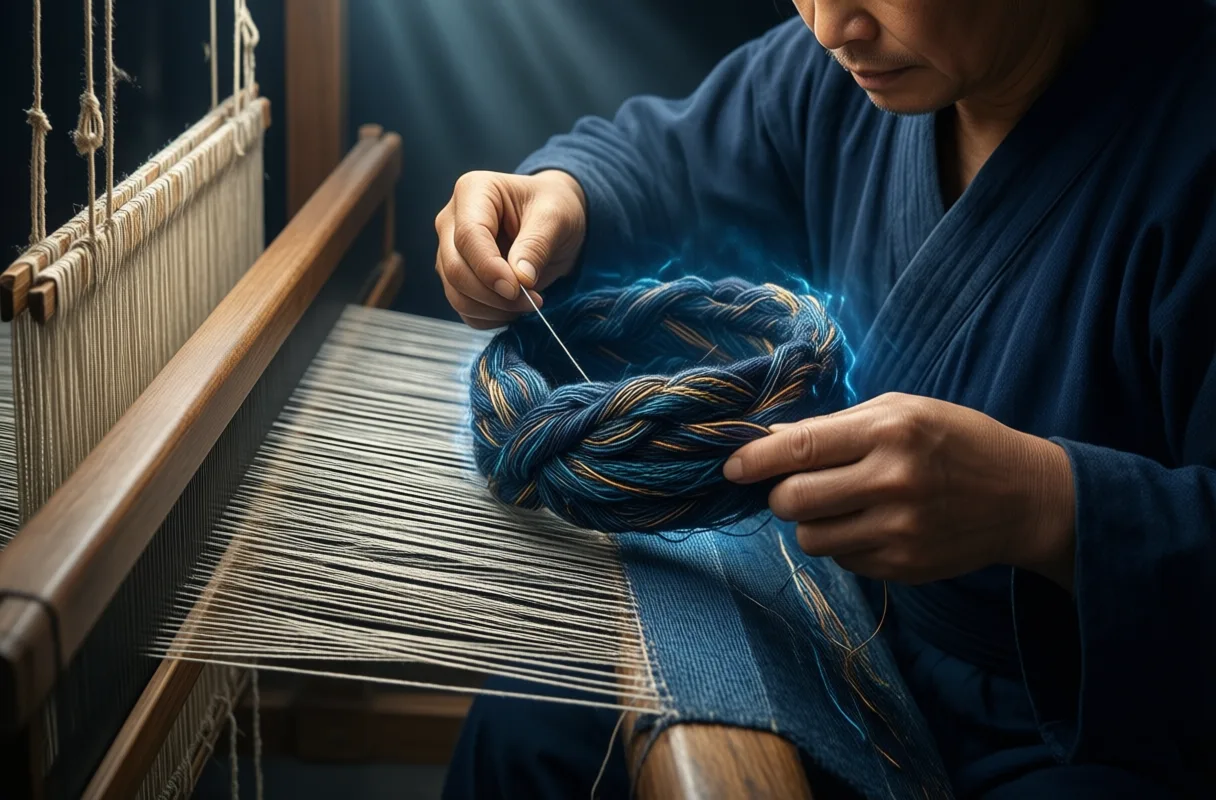
The Silent Language of the Forehead Protector Why a Simple Band Can Speak Volumes
The headband is a language without words. A tilt of the fabric, a reflection off the metal, the way it catches the light during a standoff-these micro-moments communicate intent, status, and emotion. A ninja lowering their headband over their eyes signals withdrawal; adjusting it mid-conversation can indicate tension or focus. It is a tool of nonverbal communication, refined over generations.
In diplomacy, the headband is both credential and warning. To remove it in another village’s presence can be a gesture of peace-or a challenge. To wear a foreign symbol, even temporarily, is a rare act of trust. And to carry a fallen comrade’s headband is one of the highest forms of reverence, a promise that their loyalty endures beyond death.
Ultimately, the headband transcends its role as a mere identifier. It is a record of growth, conflict, and transformation. Whether polished with pride, hidden in exile, or passed down like an heirloom, it remains one of the most enduring symbols in the shinobi world. Not because of what it is, but because of what it represents: the fragile, powerful link between individual and collective destiny.
| Character | Headband Style | Meaning or Significance |
|---|---|---|
| Naruto Uzumaki | Worn on the forehead | Pride in being a Leaf Village shinobi |
| Sasuke Uchiha | Scratched symbol | Rejection of the Leaf Village and its ideals |
| Kakashi Hatake | Covers left eye | Hides the Sharingan and past trauma |
| Might Guy | Worn around the neck | Reflects personal style and individuality |
| Kisame Hoshigaki | Worn as a belt | Signifies membership in Akatsuki and defiance |

Symbols Etched in Steel
More Than Just Metal
Naruto’s headband, known as a hitai-ate, is far from a fashion statement. It's a powerful emblem of loyalty, marking its wearer as a dedicated shinobi of a specific village. Each village features a unique symbol etched into the metal plate-Leaf Village shinobi bear a swirling leaf design, while Sand Village ninja display a stylized sun. These aren’t just identifiers; they symbolize the ninja’s commitment to their home, their duties, and the values their village upholds. When Naruto proudly ties his headband on, especially after losing it early in the series, it reflects his determination to earn and protect his place among his peers.
The Weight of a Slash
One of the most telling details comes when a shinobi turns rogue. Characters like Sasuke Uchiha or rogue ninja from other villages often wear headbands with a single, deep scratch running across the symbol. That slash isn’t random-it’s a deliberate act showing they’ve cut ties with their homeland. It transforms the headband from a badge of honor into a personal declaration of independence or rebellion. Interestingly, even some non-shinobi, like shopkeepers or black market traders, wear headbands without the slash, hinting they were once trained but chose a different path-adding quiet depth to the world’s lore.
Hidden Messages in Plain Sight
The way a headband is worn can say as much as its symbol. While most wear it across the forehead, characters like Might Guy and his student Rock Lee tie theirs around their necks like a green bandana. Kakashi famously covers his left eye with his, hiding the powerful Sharingan gifted to him. Kisame, the shark-like Akatsuki member, wears his like a belt. These variations aren’t just stylistic-they often reflect personality or hidden abilities. For fans, spotting how a character wears their headband becomes a subtle clue into who they are, what they value, and sometimes, what they’re trying to hide.
Frequently Asked Questions
What does a ninja headband represent in the Naruto world?
A ninja headband represents loyalty, identity, and allegiance to a village. It marks the wearer as a shinobi and symbolizes their commitment to their village's values and duties.
What does a scratched headband signify?
A scratched headband signifies that a ninja has severed ties with their village. The slash is a deliberate act showing rebellion, independence, or defection from their homeland.
How do different villages' headbands differ?
Each village's headband features a unique symbol etched into the metal plate, reflecting its identity and values. For example, the Leaf Village has a swirling leaf, while the Sand Village has a stylized sun.
What does the way a headband is worn reveal about a character?
The way a headband is worn can reflect a character's personality, hidden abilities, or personal choices. For example, wearing it over the eye may conceal a powerful technique, while wearing it around the neck may reflect individuality.
This article was produced with AI assistance. How Neuron Magazine uses AI.
Zahra explores the frontiers of human enhancement, from neural implants to gene editing, with a focus on ethical implications and lived experience. She blends scientific rigor with intimate storytelling to illuminate how technology reshapes identity and lifespan.