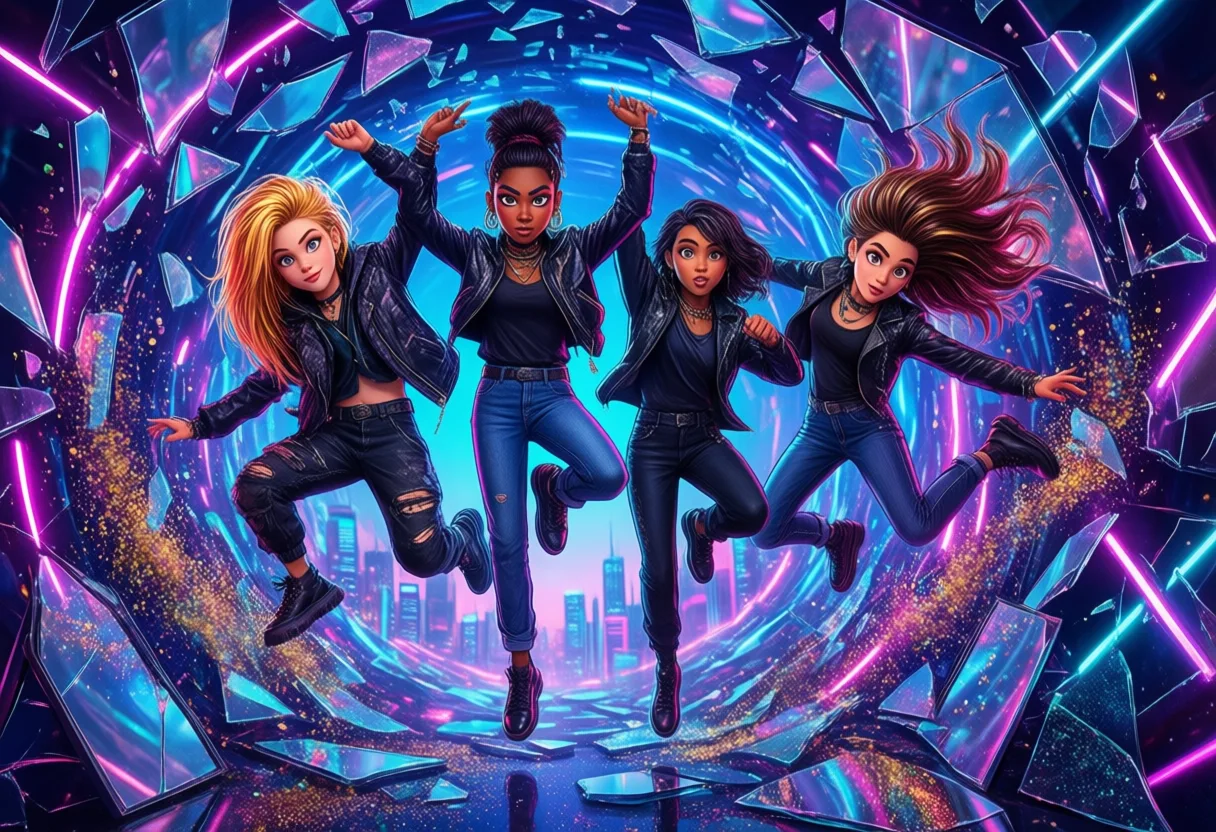
It’s a Tuesday afternoon in a quiet corner of a suburban living room, and two siblings are hunched over a tablet, eyes wide, laughing at a line delivered with glittery confidence by a character with sky-high boots and an even higher sense of self. The scene isn’t from a fashion runway or a pop concert-it’s from an animated film where Style is a language, and Friendship Is the plot twist no one saw coming. These aren’t just cartoons. They’re cultural snapshots wrapped in neon, dancing to a beat that’s equal parts nostalgia and reinvention.
Back when flip phones ruled and MySpace was the social network of choice, a quartet of fashion-forward teens burst onto store shelves with bold makeup, fearless attitudes, and a message: individuality isn’t just accepted-it’s celebrated. Now, years later, their stories are unfolding in motion, not in plastic, but in Vibrant animation That pulses with the same energy that made them icons. The evolution from doll line to digital narrative isn’t just a business pivot. It’s a reflection of how storytelling adapts-how it learns to speak in new dialects while keeping its accent intact.
And in this new dialect, Friendship isn’t Background noise-it’s the engine. These films don’t just show four girls who happen to hang out. They show alliances forged in the chaos of high school drama, in the scramble to launch a pop-up fashion line, or in the quiet moments when one friend shows up with a perfectly timed joke. The animation amplifies what the dolls always hinted at: that confidence isn’t loudness, and strength doesn’t have to be serious.
The Evolution of a Cultural Icon
What began as a plastic silhouette on a toy store shelf has grown into a multimedia presence, navigating shifts in culture, technology, and taste. The transition from tactile plaything to animated protagonist wasn’t automatic-it required reimagining how a Character With oversized eyes and even bigger personalities could carry emotional weight in a story-driven world. The answer? Let the characters breathe. Give them problems that don’t come with a barcode.
Designers and animators leaned into what made the original concept resonate: Diversity in appearance, attitude, and voice. Each character brings a distinct aesthetic and perspective, not as token traits, but as integrated parts of how the group navigates challenges. In the animated format, these differences aren’t flattened for mass appeal. They’re highlighted, celebrated, and often the key to solving the episode’s conflict.
The animation style itself mirrors this philosophy. Bright color palettes, exaggerated proportions, and fluid motion keep the visual language playful, but the writing grounds the action in relatable stakes. Whether it’s a miscommunication over a fashion show lineup or a moment of self-doubt before a big performance, the stories hinge on Emotional authenticity, not just spectacle.
- Characters grow across arcs, not just episodes
- Conflicts are resolved through dialogue and compromise
- Personal style is treated as self-expression, not vanity
This isn’t about selling outfits. It’s about showing how identity is built-piece by piece, choice by choice.
Storytelling With Substance and Sass
At first glance, the world of these animated features looks like a fashion magazine come to life: sleek lines, bold patterns, and a soundtrack that wouldn’t feel out of place on a city rooftop at sunset. But beneath the surface, the narratives follow a familiar rhythm-one that echoes real-life challenges faced by young audiences today. Identity, loyalty, creative ambition, and digital visibility all weave through the plots like metallic thread in a sequined jacket.
One character might grapple with the pressure of going viral, another with balancing family expectations against personal dreams. These aren’t after-school special tropes dressed up in glitter. They’re Integrated into the world Where social media is a backdrop, not a punchline. The characters post, scroll, and react-just like their audience-but the stories focus on what happens when the screen turns off.
Humor lands with a wink, not a shove. A character might deliver a deadpan line about her fifth outfit change of the day, only to pivot into a heartfelt moment about feeling unseen. The tone never wavers into cynicism. Instead, it holds onto a kind of Earnest optimism-the belief that you can be both fabulous and flawed, and still belong.
The dialogue moves quickly, mirroring the pace of real teen conversation-overlapping, punctuated with slang, full of references that feel current without dating the story. Jokes about Wi-Fi signals and group chat misunderstandings land because they’re not forced. They’re just part of the environment, like the city skyline in the background or the beat dropping at the dance battle climax.
Animation as a Mirror of Identity
Modern animation does more than entertain. It reflects how young people see themselves-and how they want to be seen. In these films, representation isn’t a checkbox. It’s built into the fabric of the world: in the range of skin tones, hair textures, and body types, yes-but also in the way characters speak, argue, support, and evolve. The animation team doesn’t shy away from stylization, but they anchor it in emotional truth.
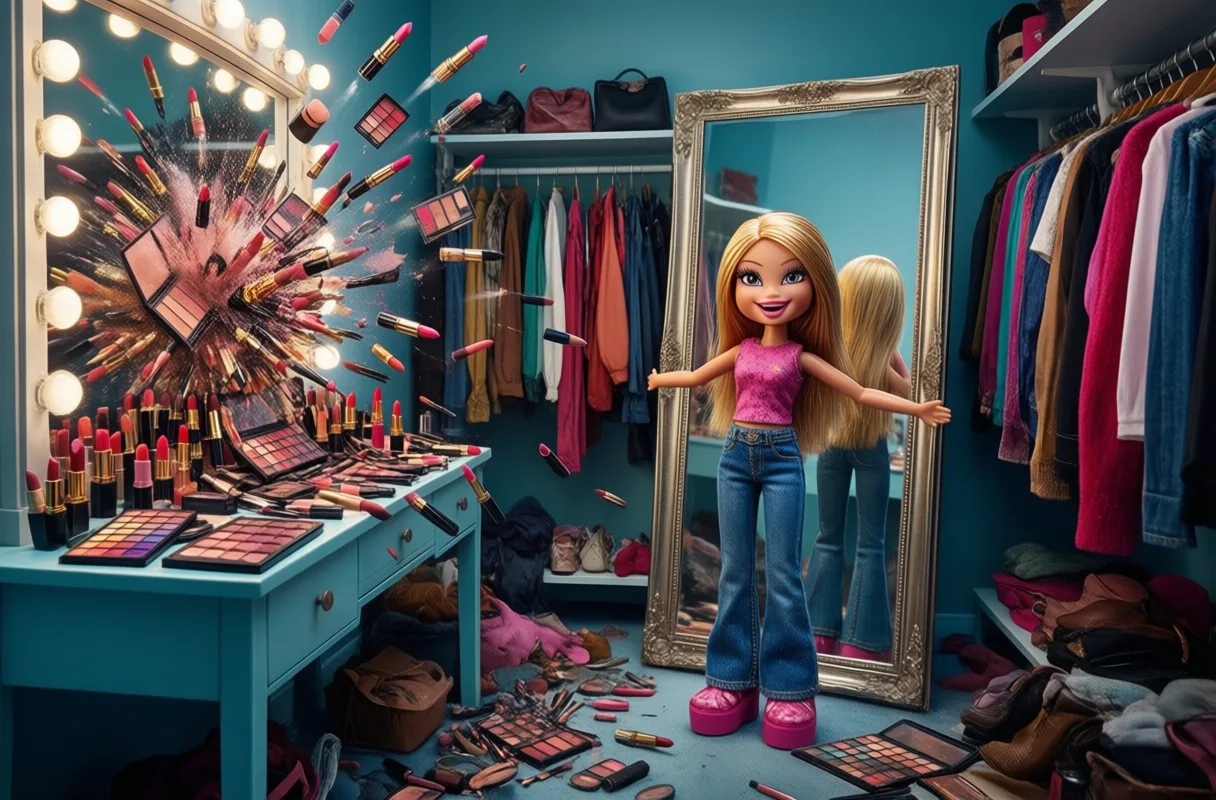
There’s a sequence in one film where a character stands in front of a mirror, not critiquing her reflection, but Rehearsing a speech-for a school council run, for a fashion pitch, for a friend she’s about to apologize to. The camera lingers not on her outfit, but on her expression: nervous, determined, real. It’s a quiet moment, but it speaks volumes about what the series values.
The technology behind the animation has evolved to support this depth. Smoother motion, dynamic lighting, and expressive facial rigging allow for subtlety in performance-something that was harder to achieve in earlier iterations of character-driven cartoons. These tools don’t replace storytelling. They Amplify it, letting a raised eyebrow or a half-smile carry as much weight as a monologue.
What’s clear is that the creators aren’t just translating a brand into another format. They’re expanding it-testing its limits, asking what these characters would do if they had more than a pose and a tagline. The answer, it turns out, is quite a lot.
Why These Stories Resonate Now
We live in a moment where personal branding starts in middle school, where a single post can spark a movement or a meltdown. Young audiences aren’t just consuming media-they’re participating in it, shaping it, calling it out when it feels fake. That’s why authenticity matters more than ever. And in this landscape, stories that balance style with sincerity don’t just stand out-they stick.
These animated features tap into a simple truth: Confidence isn’t the absence of doubt, but the decision to move forward anyway. Whether it’s launching a sustainable fashion line or standing up to a rumor mill, the characters model resilience without preaching. They stumble, they regroup, they text their friends for advice.
There’s also a quiet rebellion in their joy. In a media environment often dominated by dystopia and drama, choosing to tell stories about friendship, creativity, and self-expression feels almost radical. Not because they ignore conflict, but because they Insist on resolution through connection.
And perhaps that’s the real innovation-not the animation, not the fashion, not the music. It’s the idea that being yourself, loudly and unapologetically, is still one of the most powerful stories we can tell.
When Bratz Hit the Screen: More Than Just Fashion
Style That Moves
The Bratz Animated movies turned heads not just for their trendy outfits, but for bringing the iconic doll crew to life with bold personalities and synchronized dance moves. Each character’s look stayed true to their roots-Cloe with her sleek bob, Yasmin’s colorful streaks, Sasha’s urban flair, and Jade’s edgy accessories-making their on-screen style instantly recognizable to fans. Their animated adventures often kicked off with a fashion show or music video, blending storytelling with high-energy visuals that mirrored the brand’s vibrant aesthetic.
Friendship Goals, Animated
At their core, the movies focused on teamwork and loyalty, showing the Bratz tackling challenges like sneaking into exclusive events or pulling off surprise parties-all while sticking together. Their friendship wasn’t just background noise; it drove the plot, with each girl using her strengths to help the group. Whether they were solving a mystery or launching a pop-up boutique, their bond proved that looking good worked best when you had your best friends by your side. These stories gave young viewers both glitter and heart, proving that confidence and compassion can share the spotlight. Explore more stories, videos, and creators on Loaded.
Frequently Asked Questions
What is the main theme of the Bratz Animated movies?
The main theme is friendship as the driving force behind the characters' actions, combined with self-expression through personal style and confidence.
How do the Bratz Animated films differ from the original dolls?
The films expand on the dolls' personalities by giving them emotional depth, relatable challenges, and story arcs that focus on growth, dialogue, and compromise.
What role does fashion play in the Bratz Animated movies?
Fashion is a form of self-expression, not vanity. Each character’s distinct style reflects their personality and is integrated into how they navigate challenges.
Why do the Bratz Animated stories resonate with today’s young audiences?
They balance style with sincerity, showing authentic experiences like self-doubt, social pressure, and digital visibility while promoting resilience and connection.
This article was produced with AI assistance. How Neuron Magazine uses AI.
Saoirse investigates how automation, remote systems, and AI reshape labor, careers, and human purpose. She centers worker voices and cultural change, blending data with narrative depth to reveal what the future feels like on the ground.