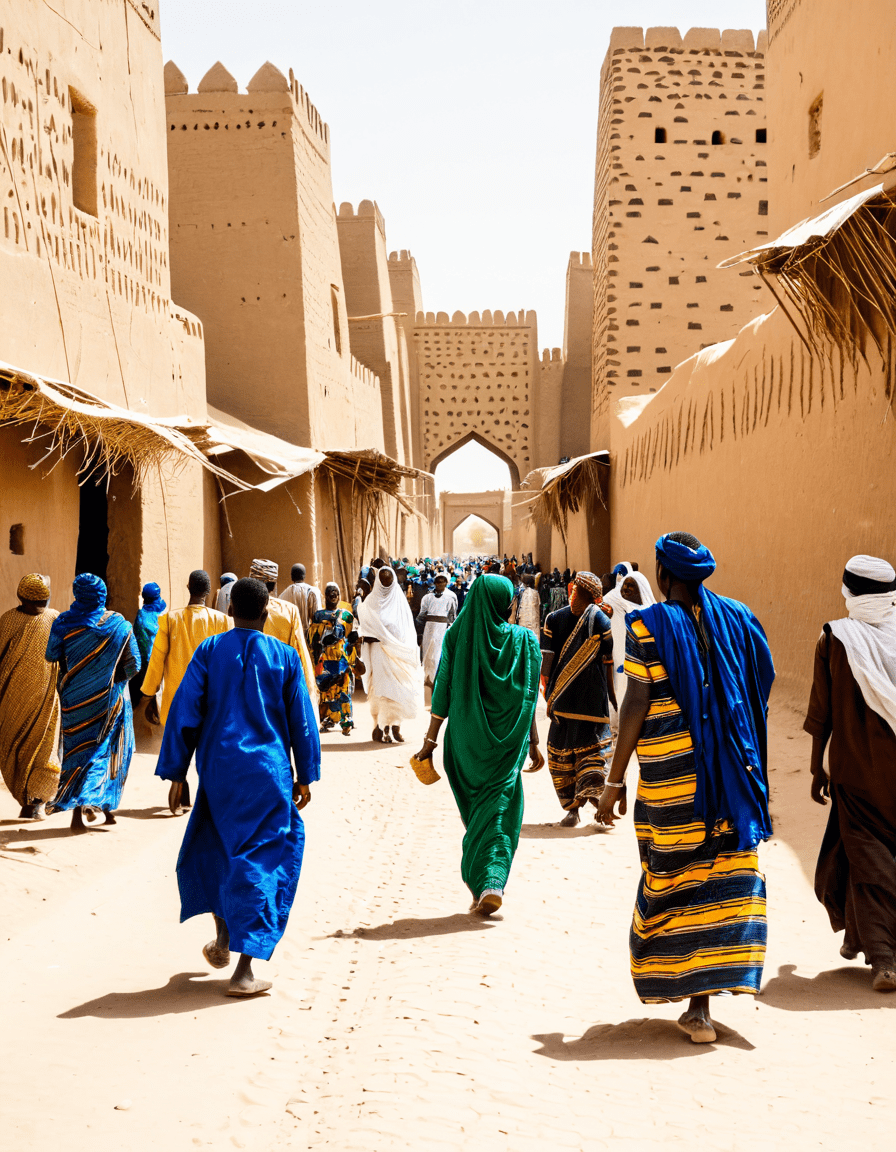
When you hear the name Timbuktu, it often evokes images of a distant land steeped in history and mystery. This remarkable city, nestled on the fringes of the Sahara Desert in Mali, isn’t just a name to toss around casually; it’s a symbol of intellectual brilliance and cultural richness. Throughout its peak from the 12th to the 17th century, Timbuktu blossomed as a hub of trade, scholarship, and spirituality, exuding an allure that continues to captivate minds even today. With the establishment of the University of Sankoré and various madrasas, scholars traveled from far and wide to absorb the wealth of knowledge Timbuktu had to offer. Let’s dive deeper into why Timbuktu deserves its place as a timeless legacy of wisdom and culture.
The Historical Significance of Timbuktu
Timbuktu’s allure is deeply rooted in its historical significance. Think of it as a Renaissance city, only thousands of miles from Europe, where scholars engaged in spirited debates and elaborated on topics ranging from astronomy to medicine. The rich tapestry of ideas and philosophies exchanged here changed lives and shaped futures.
The city reached its pinnacle when the trans-Saharan trade routes thrived. Merchants didn’t just exchange goods; they exchanged knowledge, cultures, and lives. The surge in intellectual rigor during Timbuktu’s golden years is visible in the narratives inscribed within the ancient manuscripts that still lie in the city today.
But Timbuktu’s legacy isn’t limited to trade and education. It symbolizes the resilience of a culture that has faced numerous adversities, from invasions to climate change, while still holding onto its identity.
7 Remarkable Features of Timbuktu’s Cultural Heritage
The streets of Timbuktu tell stories through its ancient manuscripts, representing one of the largest collections from medieval times. These documents cover a diverse range of subjects—think mathematics, astronomy, medicine, and law! Local families and dedicated institutions have been pivotal in preserving these manuscripts, showcasing their indelible significance to Mali’s cultural legacy.
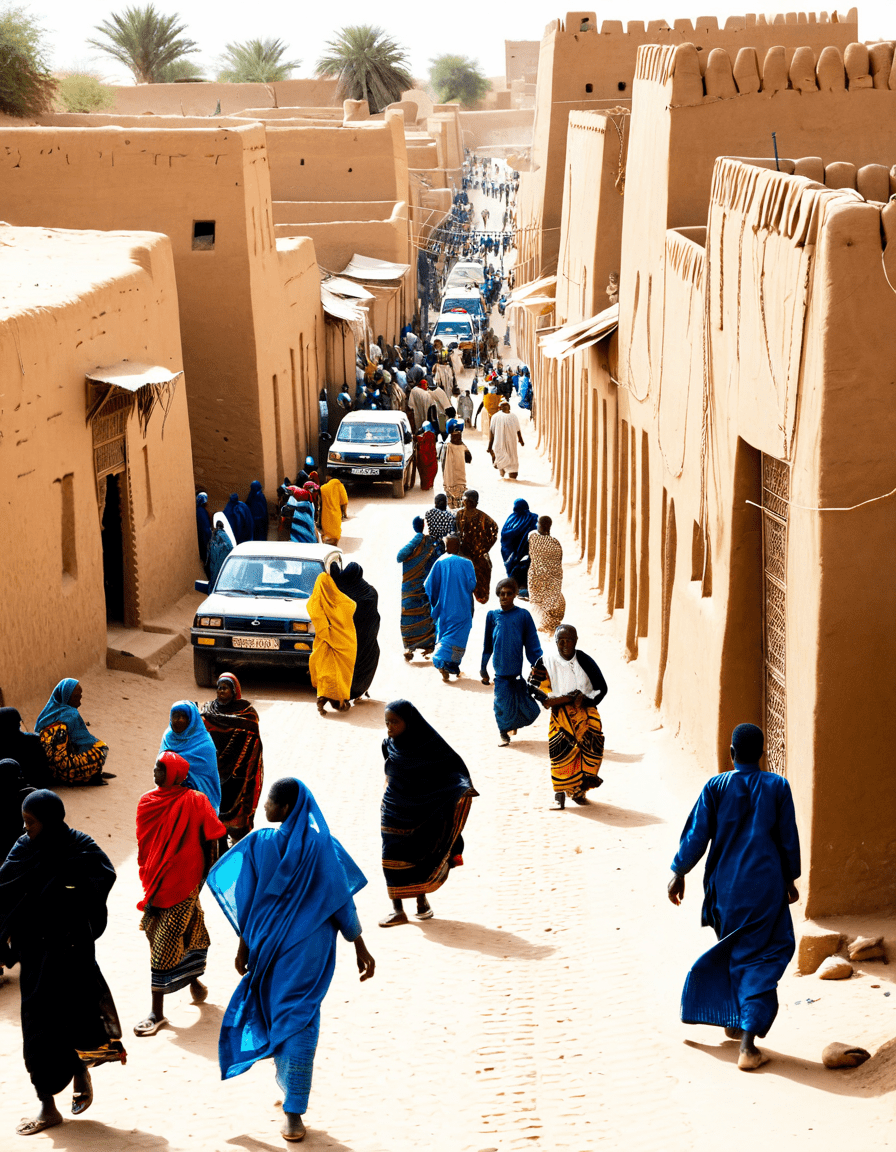
Standing proud, the Great Mosque is an architectural wonder crafted from adobe. This UNESCO World Heritage Site isn’t just a place of worship; it reflects centuries of artistic and religious passion in Timbuktu. Scholars and tourists flock to marvel at its impressive design and construction methods, emphasizing its integral role in the local culture.
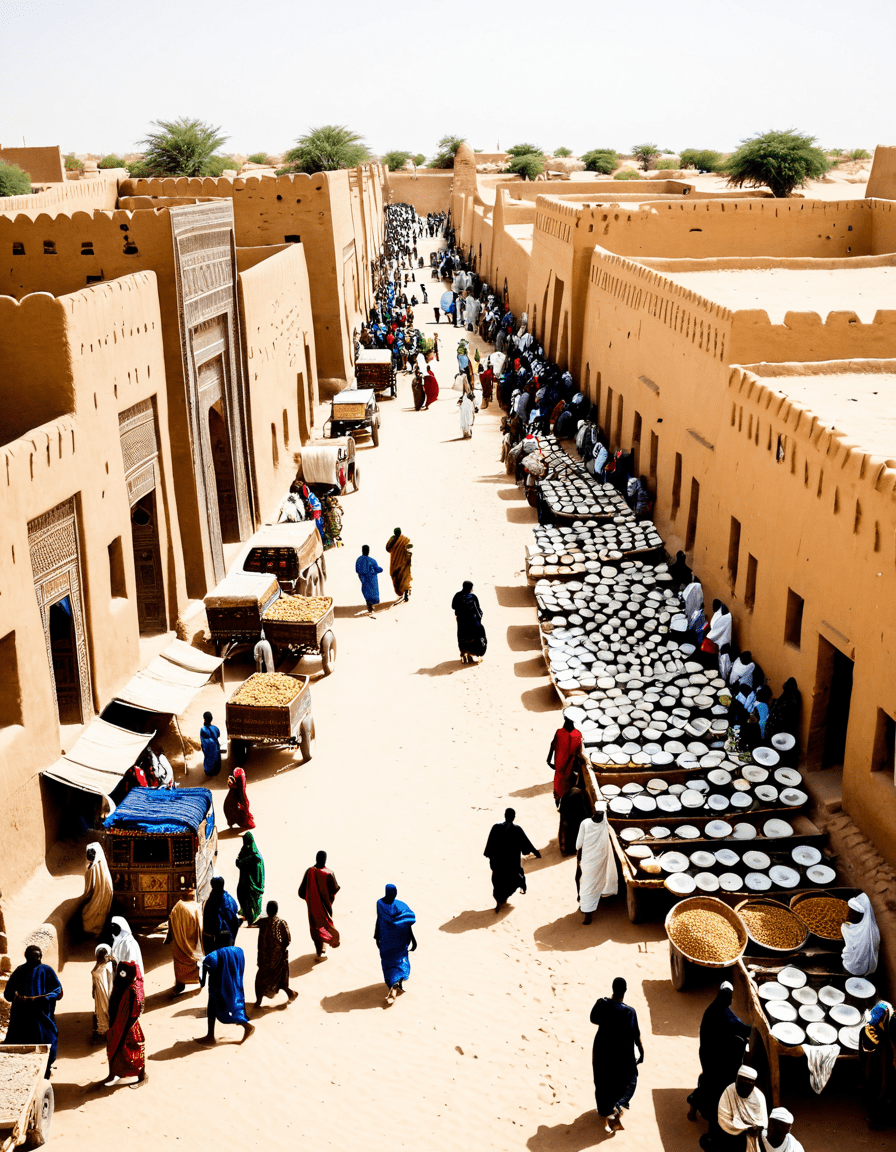
Located at the crux of the trans-Saharan trade routes, Timbuktu boomed as a commerce center, exchanging goods like gold, salt, and ideas. Trade propelled Timbuktu into the limelight, weaving a fabric of interconnected cultures and civilizations. This intersection of economic activity laid a foundation for Timbuktu’s cultural richness, driving both prosperity and intellectual curiosity.
Every year, the Festival on the Niger bursts into life, showcasing the region’s vibrant music and art. This celebration of culture not only fosters a revival of local traditions but also boosts tourism, pulling in visitors from across the globe. It’s a glimpse into how Timbuktu’s rich cultural heritage continues to evolve while keeping its roots firmly planted.
Figures like Ahmed Baba and Es-Sadi left their mark on various academic disciplines with their extensive works. Their legacy lives on, impacting education and culture both within and beyond Timbuktu. By recognizing these illustrious scholars, we pay tribute to their immeasurable contributions and the vibrant intellectual community that once thrived in this city.
Timbuktu has weathered storms, facing threats from extremist groups and the relentless march of climate change. Yet, the unwavering spirit of its people shines through, showcasing their dedication to cultural preservation. From community-led initiatives to local art forms, Timbuktu embodies resilience and a commitment to safeguarding its heritage.
Beyond its historical significance, Timbuktu made waves in modern art, literature, and film. It serves as an inspiration and a canvas for stories that reflect broader human experiences. This cultural influence not only frames the identity of Timbuktu but also shapes how the world perceives this storied city.
Contemporary Challenges Facing Timbuktu
Ironically, the once-thriving Timbuktu now grapples with contemporary challenges that threaten to erase its cherished culture. Armed conflict, shifting political landscapes, and the relentless grip of climate change jeopardize historical sites and irreplaceable manuscripts.
Local authorities, international bodies, and the academic realm are joining hands to protect these invaluable treasures. Collaborative efforts aim to utilize digital technology in archiving and preserving the manuscripts of Timbuktu, ensuring that both current and future generations can access this wealth of knowledge.
Navigating these modern-day challenges calls for a collective commitment to keep Timbuktu’s legacy alive. Addressing these concerns means crafting sustainable solutions that consider both cultural integrity and community engagement.
The Resilience of Timbuktu’s Cultural Identity
Despite the adversities that have come its way, the cultural identity of Timbuktu remains as lively as ever. Local traditions flourish through storytelling, music, and dance, passed down through generations. This cultural vibrancy is a testament to the people of Timbuktu and their unwavering commitment to keep their traditions alive.
Organizations like the Ahmed Baba Institute have stepped up to the plate, working tirelessly to digitize manuscripts and facilitate scholarly research. Such initiatives marry the past with the future, ensuring that Timbuktu’s intellectual legacy keeps moving forward, even against the winds of change.
We watch with anticipation as the community rallies to celebrate its identity and find new ways to express its cultural richness. This ongoing journey of resilience is not just a history lesson—it’s an inspiring story of human ingenuity and commitment to cultural preservation.
Embracing the Future of Timbuktu
Now, looking ahead, Timbuktu stands at a fascinating crossroads between its illustrious history and a future bursting with potential. Promoting tourism and educational initiatives will not only serve to secure its legacy but also breathe new life into its economy.
Community involvement, international partnerships, and awareness campaigns can all play a role in revitalizing this extraordinary city of wisdom and culture. By cultivating both local pride and global interest, Timbuktu can solidify its stature as a beacon of enlightenment.
In essence, Timbuktu holds treasures far beyond its ancient manuscripts and iconic mosques. It represents the human capacity for resilience, learning, and connection. As the world spins ever faster, it becomes essential for us to appreciate and preserve the uniqueness of Timbuktu, ensuring that this extraordinary city continues to inspire for generations to come. Embracing Timbuktu means understanding its past and supporting its renewed journey toward a bright future.
Timbuktu is more than just a spot on the map; it’s an enduring legacy that teaches us the value of wisdom, culture, and resilience.
Timbuktu: The Extraordinary City of Wisdom and Culture
A Treasure Trove of Knowledge
Timbuktu has long been revered as a center of learning and culture. Founded in the 5th century, the city became a melting pot for ancient scholars and travelers from across the globe. With its famous mosque and the iconic Sankoré University, Timbuktu attracted intellectuals who contributed to philosophy, mathematics, and astronomy. Interestingly, did you know that this city was often depicted in films, much like the cast of the hill 2025 film featuring remarkable storytelling? The cinematic representation of such historic places helps modern audiences appreciate their cultural heritage.
In Timbuktu, the libraries contained thousands of manuscripts, many dating back to the 14th century. These texts cover diverse topics, including law, science, and poetry, showcasing a commitment to education and wisdom that was unparalleled in its time. It’s almost like how happiness is pursued through understanding the arts and humanities—Timbuktu stands as an ancient beacon of such pursuits. However, it wasn’t all about academics; commerce buzzed through the city too, particularly in the trade of salt, gold, and even exotic goods, which had traders flocking in from far and wide.
Cultural Melange and Modern Influence
Timbuktu’s cultural landscape is rich with influences from various civilizations. The often-overlooked aspect of its culture is the blend of traditions that shaped its unique identity over centuries. As a modern note, think about how some contemporary items like penis sleeves mark societal trends and personal expressions. Timbuktu’s history has its quirks as well, with stories and folklore that add a colorful backdrop to its revered past.
This ancient city continues to inspire creativity and artistic expression today, similar to how Summer Walker resonates with audiences through her unique musical style. Timbuktu is a vibrant reminder that while the mediums may change, the fundamental quest for growth and culture remains steadfast. Just as fans check showtimes to catch the latest films, many now travel to dignify and learn about Timbuktu’s legacies. The commitment to education and culture remains woven into the fabric of the city, as it stretches into the future, capturing the imaginations of the world.
Whether you’re drawn to Timbuktu for its historical significance, cultural depth, or awe-inspiring architecture, there’s something for everyone. Facts about this extraordinary city are not just skimmed over; they enthrall and engage, much like the riveting plot of a real pain movie, which keeps viewers on the edge of their seats!