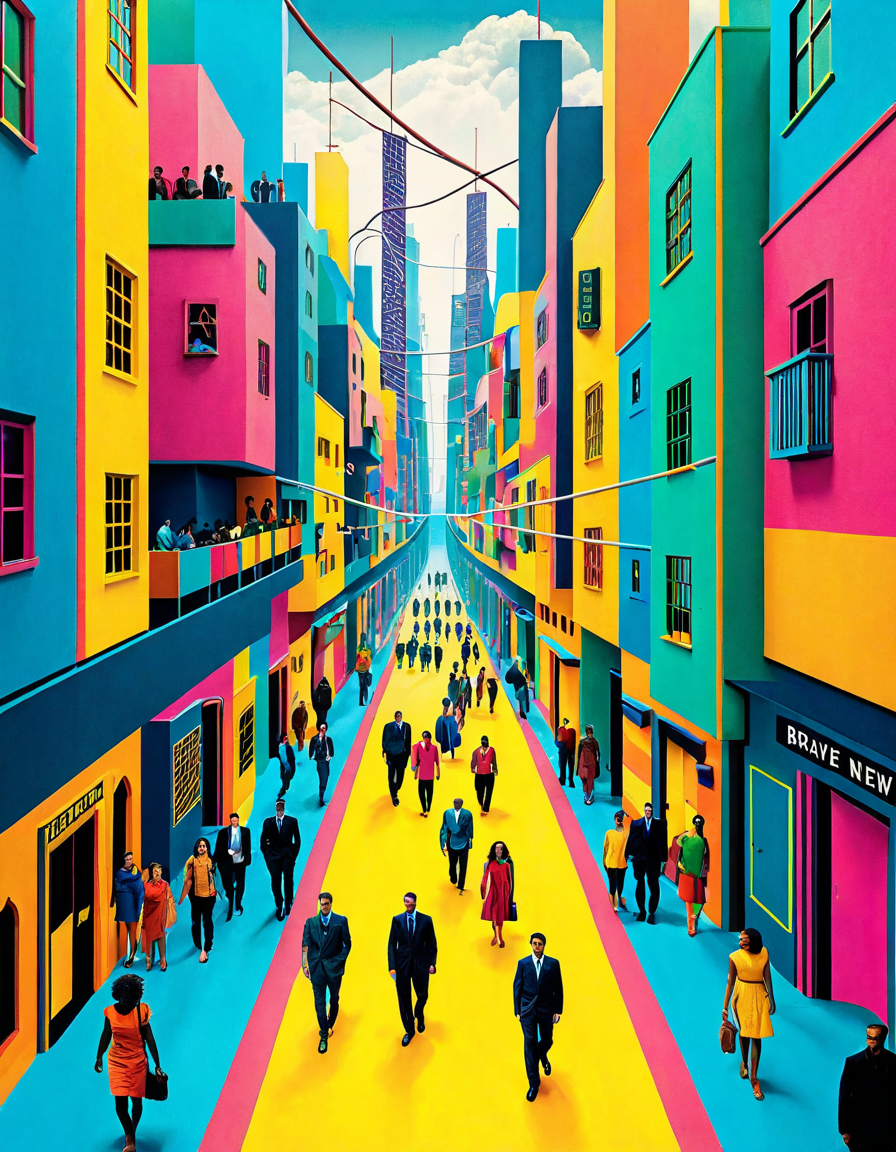
In an age where technology races forward and ethical dilemmas emerge daily, Aldous Huxley’s “Brave New World” feels more relevant now than ever. As we wind our way through 2026, the implications of our choices loom large, hinting at a future shockingly similar to Huxley’s unsettling portrait. His insights into societal behavior, structural hierarchies, and the potential loss of self resonate deeply as we confront challenges like genetic manipulation, consumerism, and our relationship with technology. So, what can we learn from Huxley as we stand at this critical juncture? Let’s explore the dark reflections of our current society mirrored in this cautionary tale.
Top 7 Disturbing Parallels Between “Brave New World” and Today’s Society
1. Genetic Manipulation vs. Designer Babies
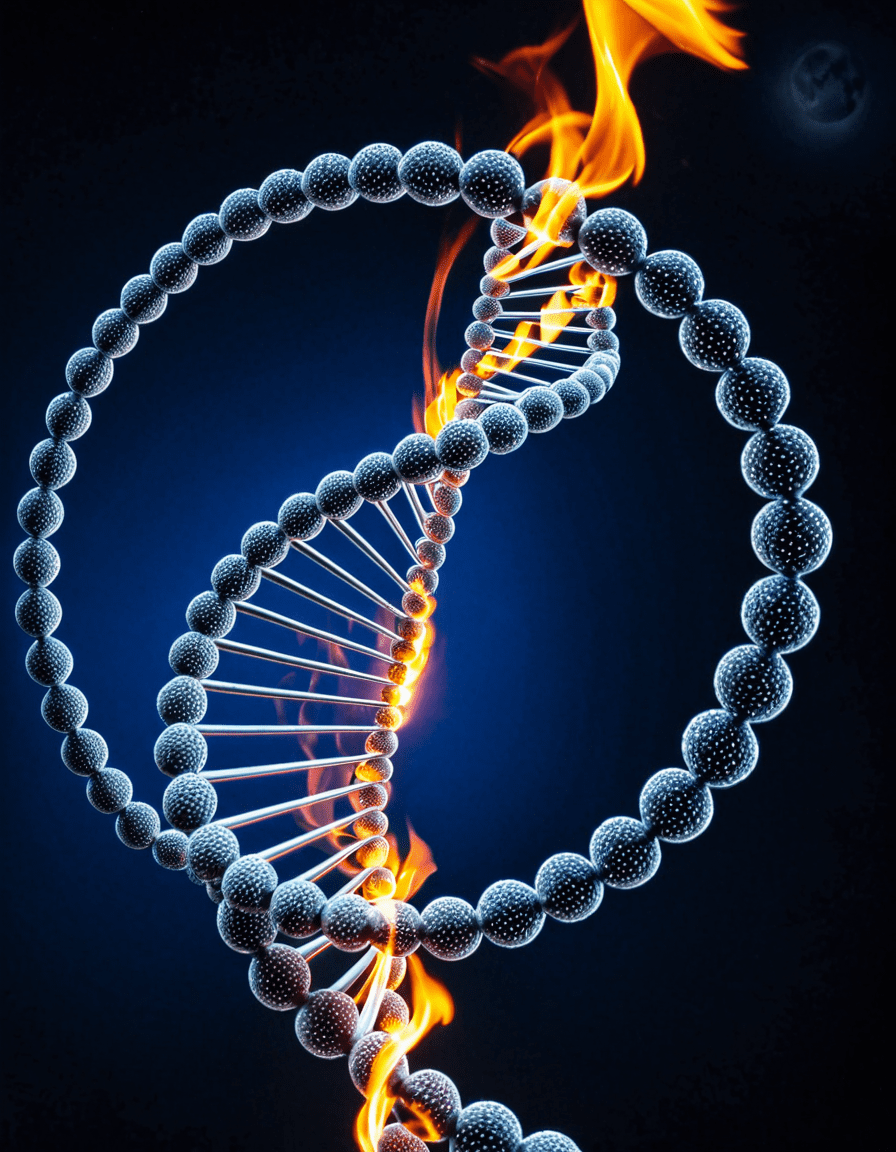
Just as Huxley’s society engineered its citizens through conditioning and genetic selection, today, companies like 23andMe and CRISPR Technology are pushing the boundaries of genetic modification. Cloning and gene-editing techniques are no longer the stuff of science fiction; they’re real and on the brink of becoming commonplace. These advancements raise serious ethical questions about playing God and the potential for genetic elitism, much like the eugenics movement that serves as a backdrop to Huxley’s narrative.
Imagine stepping into a world where your worth is assessed based on your DNA profile, echoing the dystopia of “Brave New World.” The potential to design “perfect” children could lead to a society divided between the genetically fortunate and those who lack access to these revolutionary technologies. As we tread this fine line, we must weigh the benefits against the ethical implications. After all, just because we can, doesn’t mean we should.
2. Instant Gratification: The “Fresh Prince Effect”
It’s hard to ignore how the “Fresh Prince of Bel-Air” spoke to the American dream—wealth, status, and instant rewards. Fast forward to today, and we see a cultural obsession with instant gratification driven by social media platforms like Instagram and TikTok. Just like Huxley’s characters indulged in hedonistic pleasures, today’s society craves likes, shares, and instant validation, enabling a lifestyle filled with distractions that can blind us to deeper issues.
The constant pursuit of approval reflects a larger societal problem where our self-worth becomes intertwined with our online personas. This leads to emotional disconnection and superficial interactions that mirror the hollow existence portrayed in Huxley’s narrative. Just like the catchy theme of “Fresh Prince,” our society risks becoming merely a performance, leaving true human connection in the dust.
3. Surveillance and Control: The Dexter Paradigm
In shows like “Dexter: New Blood,” the characters navigate a world where secrecy and surveillance dictate their actions. Similarly, in our tech-savvy society, constant monitoring through smartphones and smart home devices raises serious concerns about privacy. Are we trading freedom for security? This scenario eerily reflects the psychological control exerted in Huxley’s “Brave New World.”
Every notification, every algorithm, and every watchful eye contributes to an environment laden with scrutiny. With cameras on every corner and data collected from our every move, the question arises: to what extent are we allowing ourselves to be controlled? As the lines between privacy and security blur, the chilling resemblance to Huxley’s dystopia grows ever clearer.
4. Pharmaceutical Solutions to Happiness
In Huxley’s society, Soma represents a quick fix for maintaining order and suppressing discontent. Fast forward to now, and we see a rise in the usage of antidepressants and mood stabilizers designed to regulate emotions. Pharmaceutical companies like Pfizer and Eli Lilly capitalize on this trend, prompting a stirring conversation about whether we’re opting for synthetic happiness over genuine emotional experiences.
While medication can offer relief, we must grapple with the idea of chemical happiness—do we risk masking genuine emotions and deeper issues by relying too heavily on pharmaceuticals? Reflecting on Huxley’s warnings, it’s essential to balance the benefits of medication with emotional insights that lead to real understanding and healing.
5. Consumerism: The New Happiness
“Brave New World” showcases a society where identity thrives through consumption. Today, behemoths like Amazon and Alibaba dominate our retail landscape, creating a culture where material possessions equate to self-worth. It’s alarming how consumerism can overshadow real human connections, pushing us further from what really matters in life.
As we pile up possessions to fill voids in our lives, we risk drifting into a materialistic abyss reminiscent of Huxley’s vision. The satisfaction of purchasing the latest gadget quickly fades, while more profound moments of personal reflection become increasingly scarce. If we’re not careful, we could lose our identities in a litany of transaction receipts.
6. Erosion of Critical Thinking
Huxley predicted a world where conformity reigned supreme, a notion echoed in today’s culture of sensationalism where rational discourse often takes a back seat. With the rise of clickbait news and soundbite opinions from influencers, our approach to critical thinking seems to wane drastically. Instead of engaging deeply with issues, we find ourselves skimming the surface, a worrying parallel to Huxley’s conditioned society.
Without critical thinking, we risk becoming mere consumers of opinions rather than informed thinkers. The challenge lies in fostering an environment that encourages debate and reflection, as opposed to passive reception. In the age of information overload, how can we re-invigorate the art of thoughtful discourse?
7. Algorithmic Governance vs. Autonomy
As algorithms increasingly dictate what we see online, our autonomy is put to the test. Initially intended to enhance user experiences, these codes have evolved into tools of control that shape our views and social interactions. The idea of having our thoughts curated resonates strongly with the thought control depicted in “Brave New World.”
The consequences of algorithmic governance can be profound, leading us to echo chambers or limit our understanding of the greater world. Just as Huxley illustrated a society deprived of true individual thought, we risk repeating history if we don’t reclaim our capacity for independent thought and genuine interaction.
Navigating Forward: Responses and Responsibilities
As we uncover these unsettling correlations between Huxley’s dystopia and our realities, it’s crucial to cultivate a society that values ethical engagement and critical thinking. Our responsibilities include amplifying dialogues around digital rights, education, and biotechnology to safeguard both individual and collective futures.
We must tackle the societal pressures that encourage conformity. It is essential to foster spaces that promote ethical conversations surrounding technology and emotional well-being. By doing this, we can ensure that advancements enhance our lives rather than dilute our humanity.
Ultimately, the path ahead is ours to shape. Will we forge a future that celebrates individuality and communal growth, or will we drift passively into a “brave new world” devoid of authentic human experience? As we reflect on Huxley’s haunting predictions, the choice rests with us. So, what will it be? Are we ready to dive deep and reclaim our humanity? Let’s move boldly ahead.
Brave New World: Trivia and Interesting Facts
Dystopian Inspirations
Did you know Aldous Huxley’s Brave New World was published in 1932? This novel dives into a future dominated by technology, where human beings are mass-produced, and happiness is simulated. Notice any parallels with today’s world? The book’s themes remind many of the manufactured drama found in events like the WWE Saturday Night Main Event, which captivates audiences with heightened spectacles, raising questions about the thin line between entertainment and reality.
Interestingly, Huxley drew from his observations of society during the roaring twenties. Rapid changes in lifestyle, entertainment industry explosions, and an obsession with consumerism greatly influenced the book. It’s fascinating how such a narrative resonates with the culture today, much like how the Cosby Show cast brought a new wave of family-oriented sitcoms into our living rooms, shifting societal norms during its time.
A Glimpse into Human Behavior
In Brave New World, human emotions are suppressed through a drug called “soma.” This fictional substance offers an interesting commentary on our current reliance on quick-fix solutions for happiness, similar to how the heartwarming story of Chitty Chitty Bang Bang captures imagination but masks deeper societal issues. Are we tending to our mental health, or just opting for that instant pick-me-up?
Moreover, the characters in Huxley’s vision often face a lack of real connections, a scenario that can feel hauntingly relatable today. Take, for example, the tragic narrative surrounding puppy girl Jenna Death—it serves as a stark reminder of how little understanding we sometimes have of each other, drawing parallels to the shallow relationships in Huxley’s tale.
Cultural Reflections
As we reflect on Brave New World, it’s captivating to see how often we’ve clashed and mingled with culture and the arts. From Shah Rukh Khan enchanting audiences in films that touch on complex themes of love and identity, to the heartwarming renditions by the cast of the Temptations, we continuously engage with narratives that push boundaries. This interplay keeps alive the bigger question Huxley poses: What truly defines humanity?
The pursuit of wellness is also prevalent in this conversation; take the trending fitness principle 40 20, which pushes for balanced living over instant gratification. It’s all about finding a sustainable lifestyle amid the chaos, akin to Huxley’s critique on living for pleasure. So, as we dive deeper into Huxley’s world, wouldn’t it be wise to consider how our choices shape our reality?
In the end, diving into Brave New World isn’t just about reading a classic; it’s about sparking deeper conversations about our shared societal path. So, as you ponder its chilling insights, don’t forget to look around—there’s plenty to learn from our very own “brave new world.”