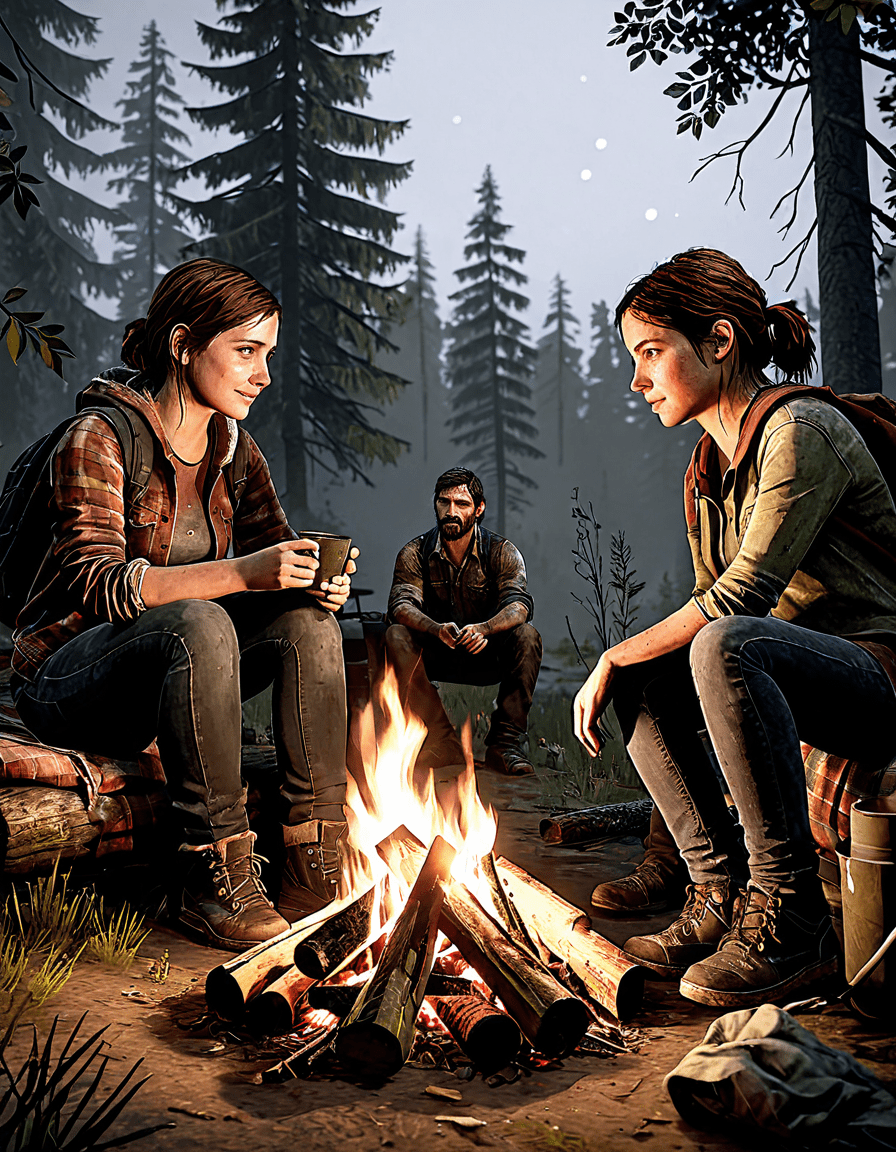
The HBO adaptation of The Last of Us has quickly become a landmark in television history. It’s not just a gripping tale set against a post-apocalyptic backdrop; it’s a masterclass in storytelling that elevates the entire medium. As we dive into The Last of Us episodes, we explore how this series redefines narrative conventions and engages audiences like never before. From powerful character arcs to emotional depth, each episode holds a mirror to our humanity, resonating long after the credits roll.
Top 5 The Last of Us Episodes That Showcase Innovative Storytelling
1. Episode 3: “Long, Long Time”
In a world ravaged by chaos, Episode 3 brings a heartfelt tale of love and companionship. The focus beautifully shifts from the main narrative to Bill, played by the talented Nick Offerman. We get an intimate glimpse into his life alongside Chuck, portrayed by Murray Bartlett. The episode uses time as a powerful narrative tool, allowing viewers to witness the evolution of their bond.
This episode stands out because it drills down into the human capacity for connection, even in the direst situations. It’s a poignant reminder that love can shine through the darkest shadows, and storytelling can transcend typical genre boundaries by probing emotional depths. The balance between hope and despair resonates throughout this episode, serving as a fundamental redefinition of traditional storytelling.
2. Episode 5: “Endure and Survive”
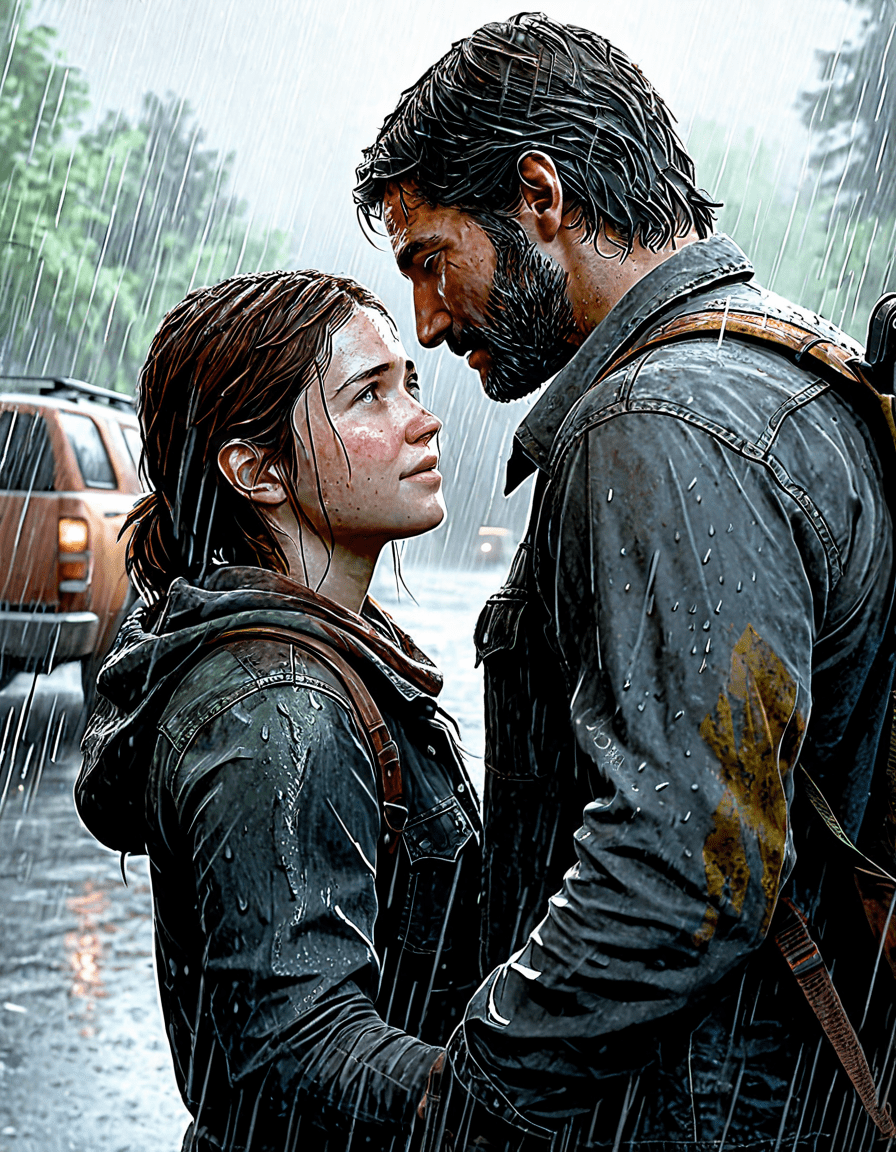
This episode follows Joel and Ellie as they navigate a shattered Kansas City. Here, we meet Henry and Sam, played by Lamar Johnson and Keivonn Woodard. Their arcs introduce sudden trauma and unexpected twists, particularly Sam’s fate, forcing audiences to grapple with themes of sacrifice and survival’s haunting nature.
What makes this episode incredibly impactful is the way it crafts character-driven narratives. It presents a microcosm of human resilience and morality, reshaping expectations usually tied to post-apocalyptic tales. The micro-explorations of these characters provide a fresh perspective on the subject matter, reminding viewers that survival comes at a cost—a lesson that’s etched in the hearts of audiences everywhere.
3. Episode 6: “Kin”
Episode 6 delves into family and loss, marking a crucial moment where Joel reevaluates his role as a father figure to Ellie. The dynamic between Joel and his brother Tommy, played by Gabriel Luna, powerfully reflects a clash between past mistakes and present responsibilities. This exploration of brotherly bonds showcases a potent rethinking of masculinity.
The intricate storytelling invites viewers to consider deeper emotional layers, often overlooked in typical action-driven narratives. In a world where the stakes are always high, the ability to explore interpersonal relationships sets The Last of Us apart, allowing audiences to connect on a profoundly human level. As viewers, we walk alongside these characters, seeing their growth and changes in a way that makes the stakes all the more poignant.
4. Episode 7: “Left Behind”
“Left Behind” stands as a groundbreaking episode, offering a flashback into Ellie’s past and her relationship with her best friend, Riley, played by Storm Reid. The intricate weaving of this backstory into the main plot enriches our understanding of Ellie, adding dimension to her character without detracting from the ongoing narrative.
Through this episode, we discover how friendship can be a guiding light, acting as a counterpoint to themes of youth and lost innocence. The emotional resonance here is palpable, as viewers are invited to delve into the complexity of Ellie’s motivations and relationships. This storytelling approach serves to reinforce how The Last of Us doesn’t just deliver a story; it creates an emotional landscape where viewers feel intimately connected to the characters.
5. Episode 8: “When We Are in Need”
In this gripping episode, the moral intricacies of survival come to the forefront. The narrative introduces a survivalist community led by a chilling character played by Scott Shepherd, who challenges Ellie’s understanding of morality. The confrontation elevates the story, serving as a catalyst for personal growth.
This episode stresses the ethical dilemmas faced in extreme circumstances, inviting viewers to actively engage with the questions surrounding right and wrong. It places the audience in a position where they must confront their definitions of morality—an essential component not just of this show, but of human experience. It’s this kind of sophisticated storytelling that keeps audiences glued to their screens, questioning the world as they know it.
The Last of Us Episodes and Their Impact on Narrative Structure
The narrative intricacies in The Last of Us episodes do far more than entertain; they provoke thought and encourage empathy. The storytelling techniques echo those of classic series like The Old Man, starring Jeff Bridges, which tackles aging against suspenseful contexts. Both maintain emotional depth alongside intricate plots, drawing viewers into the characters’ struggles and triumphs.
Similarly, iconic ensemble pieces like Two and a Half Men showcase how character depth enriches humor and the tensions of everyday life. Though the genres differ widely, the underlying craft of character development in The Last of Us finds its place among these celebrated series. By prioritizing people over plot, it seamlessly binds emotional narratives to chaotic settings, reshaping viewers’ expectations in profound ways.
The innovative storytelling style of The Last of Us establishes a new standard for how stories can be tangled together. Each episode’s vivid portrayal of characters’ emotions amplifies the show’s impact, allowing audiences to invest in the humanity of those on screen. The attention to detail is a call to creators in the industry to embrace the complex nature of real-life stories without shying away from what makes human experiences truly messy.

Reimagining The Future of Storytelling
The Last of Us paves the way for future television storytelling that deeply resonates with audiences. Its fearless approach to character-driven plots encourages upcoming productions to weave intricate narratives filled with vulnerability and emotional exploration. By shining a light on the emotional truths behind survival, it challenges norms and invites a fresh outlook on storytelling.
This series isn’t just another post-apocalyptic tale; it’s a reflection of human experiences, relationships, and dreams. The emotional layers embedded in each episode dare creators to cultivate complexity and depth in their characters. It redefines how audiences connect with what they watch, urging a reexamination of traditional storytelling approaches across the board.
As we look forward, The Last of Us episodes serve as a blueprint for rich narratives filled with character nuance. This series has opened doors for storytelling that goes beyond superficial excitement—inviting viewers to engage, empathize, and become part of the narrative journey. Through its captivating storytelling, The Last of Us not only changes the game; it invites everyone to rethink what we hope to achieve through the stories we tell.
The Last of Us Episodes: Redefining Storytelling
A Note on Character Depth
One of the standout features of the last of us episodes is their profound character development. For instance, the story of Joel and Ellie isn’t just about survival; it digs deep into their emotional turmoil and growth. Speaking of compelling narratives, the culture around reality TV has also thrived on emotional storytelling, much like Bachelor in Paradise, where contestants share their struggles, making it easy to root for them. This blend of personal stories and high-stakes environments elevates both types of storytelling, gripping audiences across different genres.
Unforgettable Moments
Remember when a single moment encapsulated a series’ theme, much like the experience in The Karate kid? The last of us episodes are filled with such moments that stick with viewers long after the credits roll. One memorable scene showcases the bond formed under duress, leaving audiences both touched and fascinated. Similarly, films like In The Mood For Love employ slow-building tension and intricate relationships, underscoring how crucial character dynamics are to effective storytelling.
Influences from the Real World
The last of us episodes draw inspiration from history, especially when other stories like the tragic tale of the Waco cult remind us how personal narratives intertwine with broader social themes. It’s captivating how Ned Jarrett, a figure in motorsports, also found ways to connect with fans through personal stories, showing that at the heart of every story, be it in entertainment or sports, resides a universal truth that resonates with audiences. Additionally, creators like Luihi Mangione delve into the struggles of the human condition, paralleling the themes explored in the last of us episodes. This reflective storytelling invites viewers to consider their vulnerabilities and the way they connect to others amidst chaos—an essential takeaway as they navigate their own lives.
Through these nuggets of trivia and insight, the last of us episodes remind us not just of the intricacies of survival, but of the beauty found in human relationships, regardless of the context. So next time you dive into an episode, think about how such drama parallels with our world, while keeping in mind stories like Superman Returns that also explore the depth of heroism and connection. After all, the key to effective storytelling often lies in how relatable the struggles and triumphs are, transcending the boundaries of genre and medium, much like the paths in the ever-changing Slow Roads we travel through life.