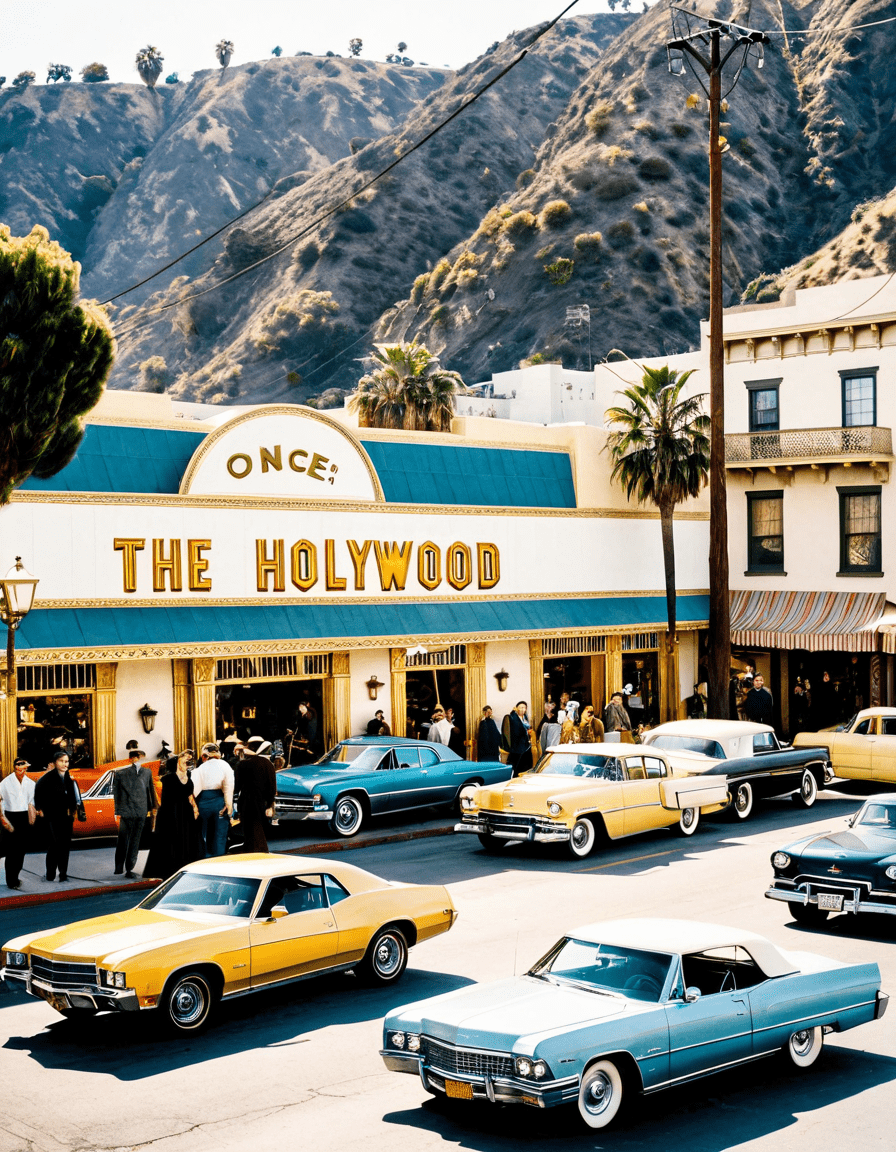
“Once Upon a Time in Hollywood,” directed by Quentin Tarantino, is more than just another film; it’s a vibrant journey that paints a striking picture of the late 1960s film industry. This cinematic masterpiece captures the essence of Hollywood with all its glamour, grit, and nuance. It serves as both a nostalgic homage to a bygone era and a pointed critique of an industry grappling with its identity. Through a blend of real historical events and fictional narratives, Tarantino crafts a story that invites audiences to reminiscing while reexamining the allure and dark underbelly of Hollywood.
The film acts like a mirror reflecting challenges and transformations within the entertainment industry. Tarantino’s storytelling showcases an era marked by pivotal shifts, making it essential to understand the cultural impact of this work. “Once Upon a Time in Hollywood” compels us to question not only our nostalgia for the past but also how it informs our present-day perceptions of cinema.
## Once Upon a Time in Hollywood: A Bold Journey Through Cinema
As the film unfolds, it delves deep into Hollywood’s psyche, pulling back the curtain on an industry in flux. The late 1960s is a pivotal moment, representing a transition marked by both innovation and chaos. Through artful storytelling, Tarantino reminds us of the complex relationship between nostalgia and the brutal realities faced by those within the industry. It’s a wild ride that blends the charming glitz of the Golden Age with the sobering truths embedded in its shadows.
Critically, the film highlights the allure of Hollywood and the perils that accompany it. The juxtaposition of Rick Dalton’s fading stardom against the backdrop of a rapidly changing film landscape reflects the struggles of many artists who have faced similar crossroads. By intertwining fictional and historical elements, Tarantino draws us into an intimate dialogue about cultural memory, loss, and reconnection.
Moreover, the film evokes a deep sense of yearning. We see characters grappling with the inevitable changes brought about by a new generation of filmmakers, compelling audiences to reflect on their own experiences with nostalgia. What are the costs of progress, and how do we reconcile our love for the past with the realities of the present? These questions linger long after the credits roll.
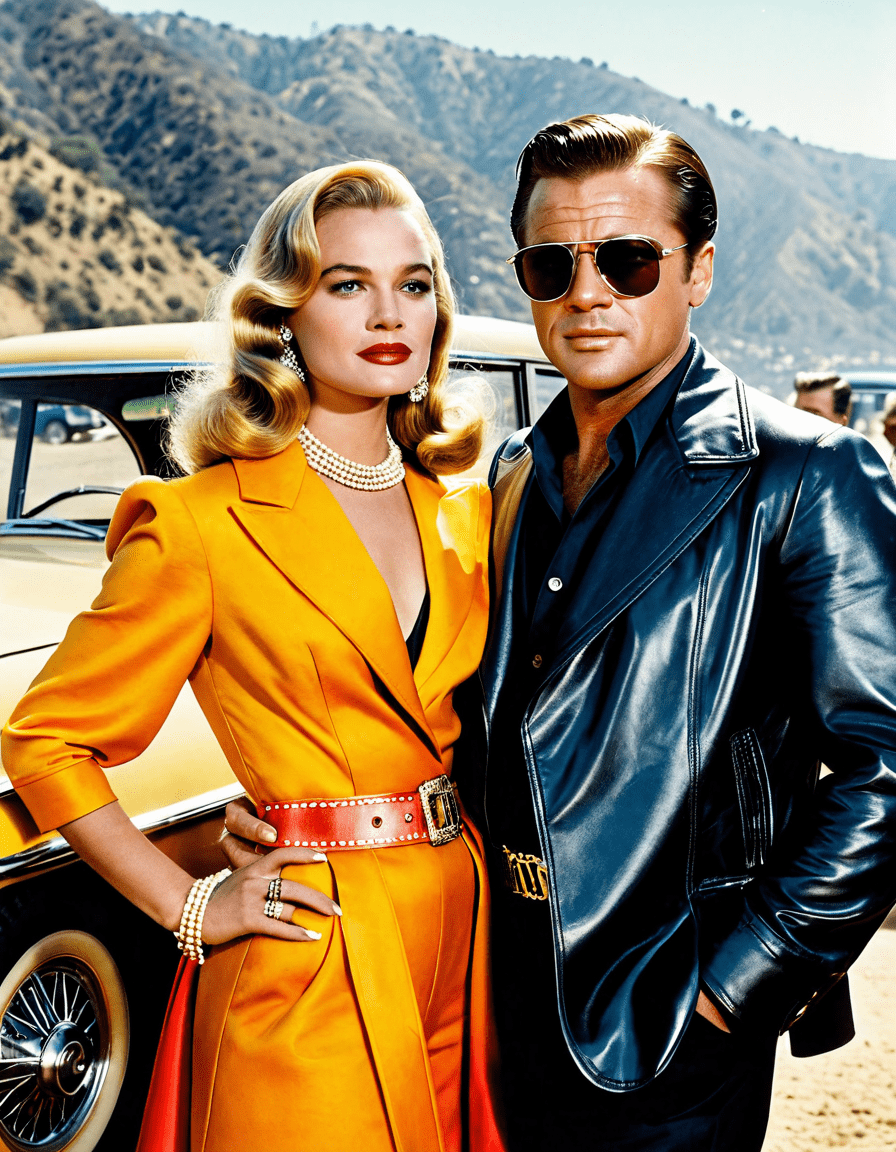
Top 5 Themes in “Once Upon a Time in Hollywood”
Exploring the “Once Upon a Time in Hollywood” Cast: Icons and Their Roles
The cast of “Once Upon a Time in Hollywood” is fundamental to its triumph, with each actor brings their character to life in ways that resonate both authentically and profoundly. Let’s break down some of the standout performances:
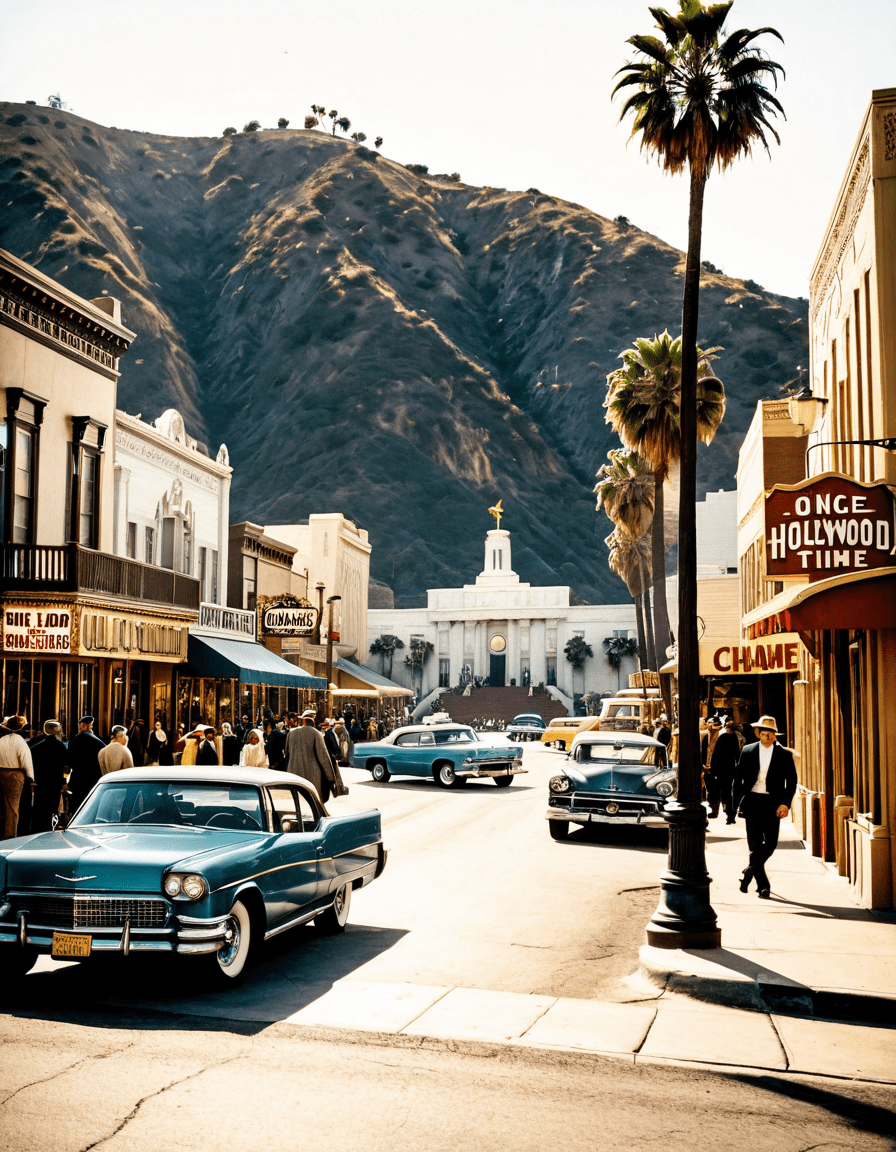
Evolution of Storytelling: Comparing “Once Upon a Time in America” with “Once Upon a Time in Hollywood”
When examining “Once Upon a Time in America” alongside “Once Upon a Time in Hollywood,” it becomes evident that both films explore America’s sociocultural evolution, albeit through distinct lenses.
A Cinematic Journey Worth Remembering
In conclusion, “Once Upon a Time in Hollywood” stands as a bold and multifaceted exploration of the film industry, echoing the aspirations and struggles of individuals while embracing the nostalgia that defines both Hollywood and American culture. Tarantino challenges us to engage with our memories, reflect on friendships, and confront the intricate stories woven into the fabric of cinema.
This striking narrative, laden with emotional depth and layers of meaning, pushes audiences to not just witness history but actively engage with it. Whether celebrated or scrutinized, this film remains a testament to the intricate storytelling that defines Hollywood’s legacy—a journey worth remembering. As we look toward the future, we must continue to honor, critique, and dissect the cinematic tales that shape our perceptions and realities.
So, when you dive into “Once Upon a Time in Hollywood,” remember to embrace the ride. It’s a bold journey through cinema, one that resonates long after the final scene fades to black, reminding us that history is more than just a series of events—it’s the stories that connect us all.
Once Upon a Time in Hollywood: Fun Trivia and Interesting Facts
Behind the Scenes Secrets
Did you know that “Once Upon a Time in Hollywood” was inspired by real-life events? Director Quentin Tarantino weaves a nostalgic tale that pays homage to the golden age of Hollywood. Interestingly, the film features a showdown between the iconic actress Sharon Tate and the infamous Manson Family, showcasing a pivotal moment in history. Speaking of history, actor Joshua Sasse once claimed that the best films often draw on true stories, just like this one does—consistently highlighting the darker and lighter sides of humanity.
Star-Studded Connections
There’s a little something for everyone in this film, including an impressive cast that boosts its allure. Leonardo DiCaprio and Brad Pitt shine brightly, but did you catch Chelsea Perettis cameo? She adds an unexpected twist to the ensemble. Fun fact: earlier this year, the Oceans Calling Festival brought myriad talents together, celebrating not just music but also storytelling, much like the narratives in Tarantino’s masterpiece. It reminds us that cinema has this enchanting ability to resonate beyond just the screen; it’s a cultural phenomenon.
Cinematic Culture
While we’re on the subject of cinema’s cultural impact, let’s dive into the film’s soundtracks. The songs not only elevate the scenes but also tap into that funky 1960s vibe, making viewers feel as though they’ve stepped into a time capsule. Speaking of captivating times, actor Mason Morfit once mentioned that filming in a period piece requires immense understanding of the era’s cultural nuances, much like the films discussed in the Pursuit Of Happiness segment. For those who appreciate quirky comedies, you might find a surprising connection between this film and the comedic gem Zoolander Zoolander—each, in their own way, captures the essence of their respective times through humor and heart.
In this cinematic universe, art imitates life, and life can sometimes resemble art. So whether you’re enjoying a meal from Naan N Curry or trying to unravel the complexities of modern relationships in Backshots, films like “Once Upon a Time in Hollywood” continually remind us that storytelling is at the core of our human experience.