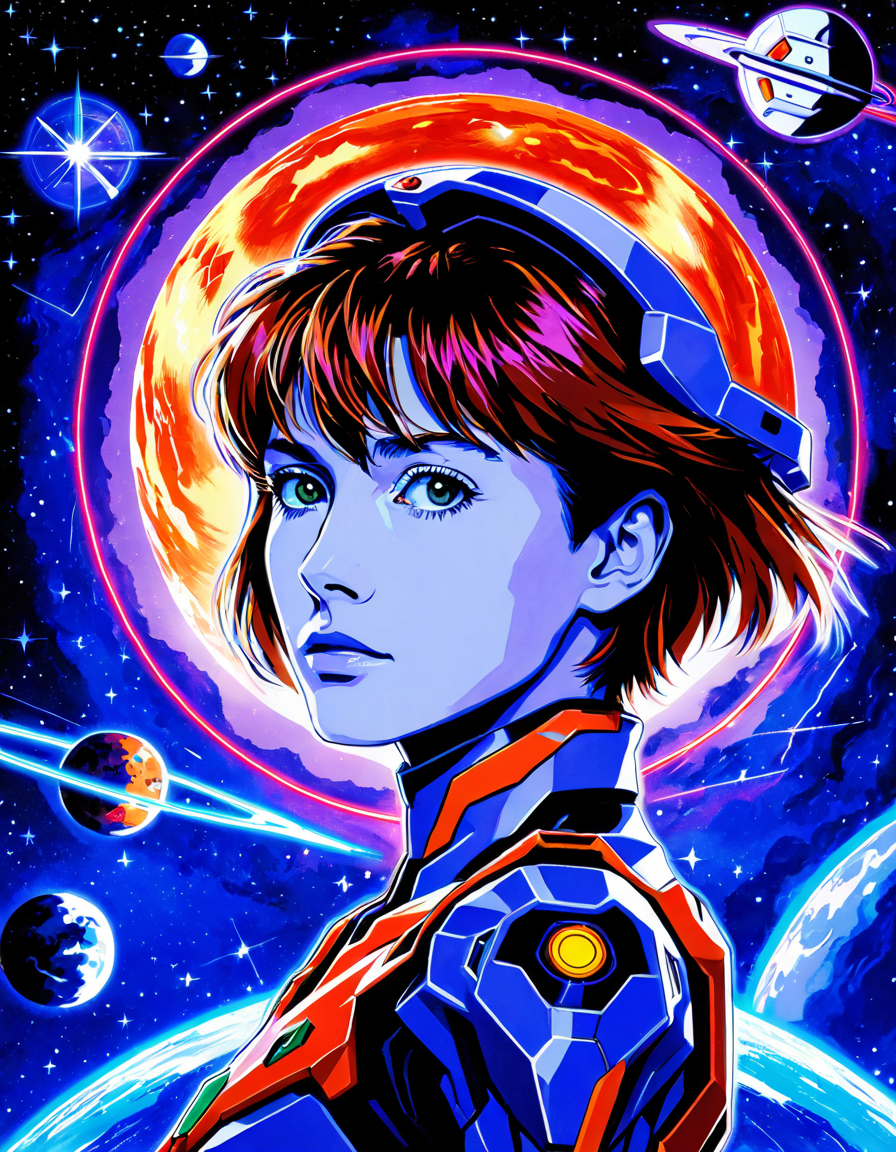
1. The Legacy of Neon Genesis Evangelion: Understanding Its Cultural Footprint
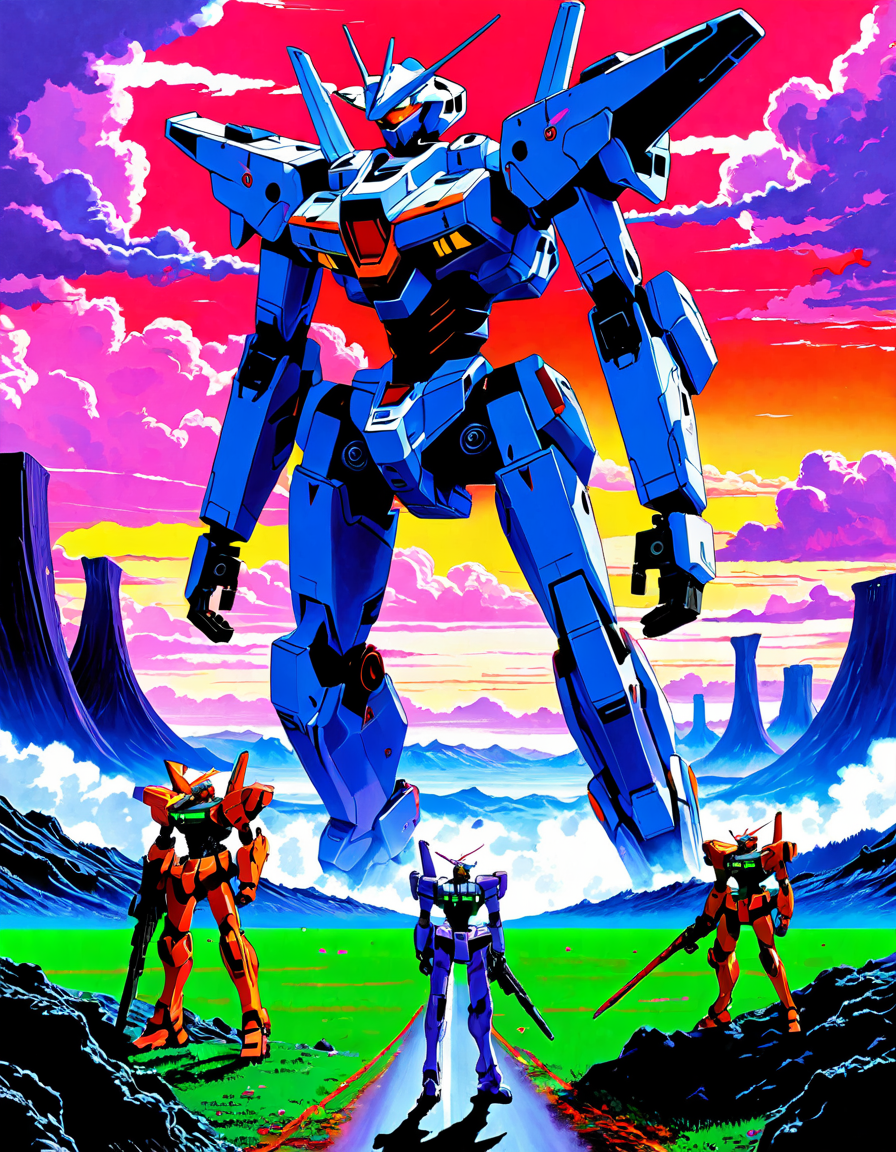
Neon Genesis Evangelion (NGE), the groundbreaking anime created by Hideaki Anno and produced by Gainax, graced screens in 1995, and boy, did it shake things up! This wasn’t just a run-of-the-mill mecha series; it radically changed the anime landscape forever. NGE dug deep into complex themes like existentialism, depression, and the human condition, taking viewers on a rollercoaster of emotional exploration. Unlike the action-driven plots of its predecessors, NGE explored its characters’ mental and emotional battles, ultimately setting a new standard for narrative depth in animation.
The series is iconic for how it resonates with viewers, especially the younger generation grappling with identity and purpose. When folks talk about the impact of NGE, they often mention its relatable protagonist, Shinji Ikari, who embodies the anxieties of Gen Z. In a world where individuals feel overwhelmed and lost, NGE paved the way for a new genre of “psychological” and “philosophical” anime, making it more than just entertainment. It’s almost like a mirror, reflecting our quirks, fears, and even our hopes.
NGE’s legacy doesn’t stop at captivating storytelling. It laid the groundwork for a multitude of themes that resonate in today’s anime culture. The depth of exploration into the human spirit has influenced an entire generation of creators who are daring to tackle sensitive subjects, all thanks to the boldness of Neon Genesis Evangelion. The series continuously pops up in discussions about anime’s evolution, affirming its status as a cornerstone of the medium.
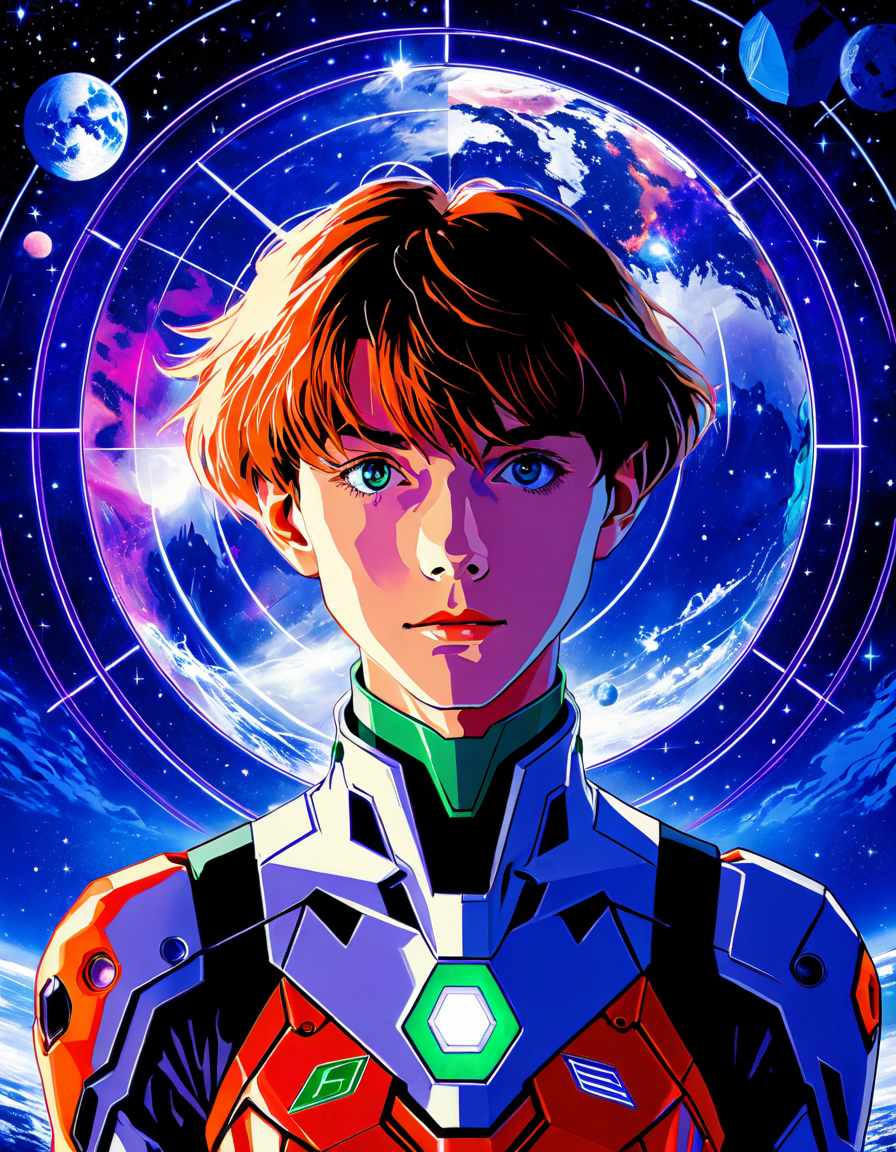
2. Top 7 Ways Neon Genesis Evangelion Influenced Modern Anime
In a departure from traditional narratives dominated by action and heroics, NGE took a bold step forward. It focused on the internal struggles of characters rather than merely their external conflicts. Shinji Ikari’s character is a profound embodiment of modern anxieties, echoing with viewers who relate to his self-doubt and existential crises.
Rather than glorifying mecha battles, NGE shifted focus toward a more somber narrative. It broke down the typical hero archetypes and redefined the landscape, influencing titles like Rebuild of Evangelion and even extended cinematic universes, such as the Marvel Cinematic Universe (MCU). The darker psychological themes in Avengers: Endgame can easily be traced back to the narrative groundwork laid by NGE.
The artistic style of NGE introduced viewers to an imaginative blend of traditional animation with surreal imagery, setting exceptional new standards for visual storytelling. Series like Attack on Titan and Your Name took a cue from NGE, employing these techniques to create immersive emotional experiences for their audience.
Shiro Sagisu’s haunting score became synonymous with the emotion-packed moments of NGE. The fusion of classical and contemporary music patterns played a major role in setting the series’ tone and has since influenced anime composers like Hiroyuki Sawano, who encapsulated similar emotional depth in works like Blue Exorcist and Attack on Titan.
By achieving international success, NGE sparked a burgeoning interest in anime around the globe. It laid the groundwork for conventions and streaming platforms that cater specifically to anime lovers, paving the way for modern hits like My Hero Academia and Demon Slayer to gain widespread acclaim.
NGE’s impressive merchandise sales helped revolutionize the entire merchandising model in anime. Collectibles, apparel, and character figurines proliferated, creating a deep engagement between fans and their favorite franchises, influencing cultural phenomena such as Pokémon and One Piece.
The blend of genres explored in NGE rippled through the anime community, melding elements from sci-fi, horror, and psychological drama. Shows like Paranoia Agent and Steins;Gate embraced and expanded upon these concepts, challenging conventions and attracting diverse audiences who crave fresh narratives.
3. The Parallels Between Neon Genesis Evangelion and Modern Superhero Narratives
Think about it—NGE and popular superhero franchises, like the MCU, may seem light-years apart yet share some striking similarities. Both delve deep into character complexity, trauma, and sacrifice. Take Avengers: Doomsday for example. Characters grapple with their own vulnerabilities in ways that echo the internal struggles of NGE’s pilots.
NGE employs a metaphor of an apocalyptic setting filled with extraterrestrial threats, raising profound questions regarding humanity and existence. Similarly, Avengers: Endgame tackles themes of sacrifice and loss amid cosmic confrontations, drawing direct inspiration from Anno’s seminal work. Both series show that even amidst superhuman challenges, the emotional stakes related to personal dilemmas reign supreme.
These parallels reveal how the narrative styles of NGE and superhero tales can interweave, making it evident that character-driven storytelling can prevail over mere spectacle. As superhero narratives evolve, we can credit NGE for showing that depth and emotional resonance should guide storytelling in whatever genre it may inhabit.
4. Neon Genesis Evangelion: The Cornerstone of Anime’s Future
The lasting impact of Neon Genesis Evangelion stretches far beyond its initial release, reshaping perceptions of anime as an influential medium. NGE didn’t just entertain; it became a powerful lens for addressing complex human emotions and societal issues. The legacy of its thematic richness lives on throughout the variety of anime titles that have since emerged, pushing boundaries and highlighting character development.
Fast forward to 2026, and fans celebrate NGE’s enduring influence. Its exploration of the human psyche remains a pivotal reference point in discussions around anime’s evolution. Just look at how incredibly diverse the current landscape is, with each new title daring to tread where few have gone before—often leading back to NGE’s groundbreaking foundations.
It’s clear that as we venture further into the future, the brilliant storytelling and character-driven narratives will continue inspiring new generations of creators. They will carry forward the torch lit by Neon Genesis Evangelion—beckoning anime fans to explore the intricate depths of the human experience through animation, one frame at a time.
So, in the grand tapestry of anime’s legacy, NGE isn’t just a title; it’s a revolution.
Neon Genesis Evangelion: Fun Facts and Trivia
The Groundbreaking Influence of Neon Genesis Evangelion
Did you know that Neon Genesis Evangelion redefined the anime landscape not just with its captivating mecha battles but also through its deep exploration of psychological themes? It’s a bit like how Detective Pikachu took the Pokémon franchise and injected it with a vibrant charm, blending mystery with humor. Similarly, Neon Genesis Evangelion made psychological introspection a key player in its storyline, opening doors for future anime to dive deeper into their characters’ thoughts and feelings. This left fans clamoring for more and shifted the tide towards complex narratives.
Fiction and Reality: A Blend to Remember
Here’s a fun tidbit: when the creators of Neon Genesis Evangelion crafted their characters, they pulled from various psychological theories, embracing the likes of Freud and Jung. This approach is reminiscent of the intricate storytelling found in American Horror Stories, where the narrative weaves through various human experiences and fears. Furthermore, the series also inspired a new generation of storytellers, evident in projects featuring the likes of Walker Scobell, who brings a fresh take on recognizable characters, just as Neon Genesis Evangelion did with its rebellious young protagonists.
The Enduring Legacy of Neon Genesis Evangelion
Taking a look at the artistic direction, Akira Toriyama’s influence can be felt broadly throughout Neon Genesis Evangelion, much like how Mamie Gummer showcases her craft in her own unique projects. The show’s memorable characters and their struggles have led to countless references in pop culture, including nods in series like Robin Teen titans. This franchise continues to inspire even modern technology, evidenced by quirky merchandise like the Jbl Pulse 5, which harmonizes music and visual art, reminiscent of the show’s blend of sound and imagery that nails the emotional highs and lows of its plot.
So, as you revisit Neon Genesis Evangelion, remember it’s not just about giant robots and battles; it’s the rich tapestry of themes, art, and the profound impact it had on anime storytelling that truly sets it apart.